
Call us now :08071780343
 Send Inquiry
 Send Inquiry
Screwed / Socket Weld Ball Valve
MOQ : 1 Unit
Screwed / Socket Weld Ball Valve Specification
- Features
- Compact design high durability leak-proof operation
- Material
- Stainless Steel
- Connection Type
- Screwed / Socket Weld
- Valve Type
- Screwed / Socket Weld Ball Valve
- Valve Size
- 1/2 inch to 4 inch
- Control System
- Manual / Actuator operation
- Application
- Industrial processes fluid control
- Voltage
- N/A for manual operation / 24V-220V for actuator
- Sealing
- PTFE (Teflon) Seals
- Structure
- Two-piece / Three-piece construction
- Type
- Ball Valve
- Power
- N/A (Manual) / Pneumatic Actuator
- Pressure
- Up to 1000 PSI
- Media
- Water Gas Oil Steam
- Port Size
- Full Port
- Temperature
- -20°C to 180°C
- Disc
- Ball-type design
- Pin
- Stainless Steel
Screwed / Socket Weld Ball Valve About
Specifications
End Connection : Screwed end, Socket Weld
Size : DN15 - DN100
Face to Face : MFG. Standard
Design Standard : ASME B16.11, ASME B16.34, API 598, BS EN ISO 17292, ISO 5211
Pressure Class : 150#
Body Material : CF8 / CF8M / WCB / CF3M
Pipe End Material : CF8 / CF8M / WCB / CF3M
Ball Material : CF8 / CF8M
Body Seal Material : PTFE / RPTFE / CFT / GFT / PEEK
Seat Ring Material : PTFE / RPTFE / CFT / GFT / PEEK
Fastener Material : SS304 / SS316
Stem Seal Material : PTFE / RPTFE / CFT / GFT / PEEK
Stem Material : SS304 / SS316 / SS410
Gland Bush Material : SS304 / SS316 / SS410
Gland Material : SS304 / SS316 / SS410
Rugged Durability and Leak-Proof Design
Engineered from high-grade stainless steel, this valve boasts excellent resistance to corrosion and wear. The precision-machined ball and PTFE (Teflon) seals provide reliable, leak-proof performance, reducing maintenance needs even under high-pressure and high-temperature conditions. Two-piece or three-piece construction allows easy maintenance and longevity in industrial settings.
Versatile Applications in Fluid Control
Designed for versatile fluid handling, this ball valve seamlessly controls media such as water, oil, gas, and steam. Its full port configuration minimizes pressure drop, making it suitable for critical industrial process lines across power plants, refineries, manufacturing units, and more. With screwed and socket weld connections, it offers straightforward installation in new or retrofitted systems.
Flexible Operation for Every Requirement
Switch between manual and automated actuation with ease. The valve supports manual hand lever operation or can be equipped with pneumatic or electric actuators (24V-220V), providing tailored control solutions for diverse operational needs. Its simple structure ensures quick response, precise shutoff, and integration into automated process control systems.
FAQ's of Screwed / Socket Weld Ball Valve:
Q: How does the Screwed / Socket Weld Ball Valve ensure leak-proof operation?
A: This valve utilizes a precision-engineered stainless steel ball and high-quality PTFE (Teflon) seals, ensuring a tight shutoff and minimizing the risk of fluid leakage even at high pressures (up to 1000 PSI).Q: What media can be handled by this ball valve and at what temperatures?
A: The valve is designed to control water, gas, oil, and steam, performing reliably across a broad temperature range from -20C to 180C.Q: When should one choose manual versus actuator-operated control for these valves?
A: Manual operation is ideal for simple on-off control or low-frequency usage, while actuator operation (pneumatic or electric) is recommended for remote or frequent cycling, or integration with automated process systems.Q: Where is the Screwed / Socket Weld Ball Valve typically used?
A: It is commonly installed in industrial fluid control applications such as power plants, chemical processing, refineries, water treatment, and manufacturing facilities throughout India.Q: What is the process for installing these ball valves?
A: Installation involves connecting the valve to the piping system via screwed or socket weld ends, ensuring alignment and proper sealing. The compact design suits both new and retrofit projects.Q: How does the full port design benefit users?
A: The full port configuration allows unrestricted flow, minimizing pressure loss and ensuring efficient fluid handling, which is particularly advantageous for process lines demanding high throughput.Q: What are the maintenance requirements for these ball valves?
A: Thanks to robust stainless steel construction and PTFE seals, maintenance is minimal. The two-piece or three-piece body design allows easy access for inspection, cleaning, or seal replacement if needed.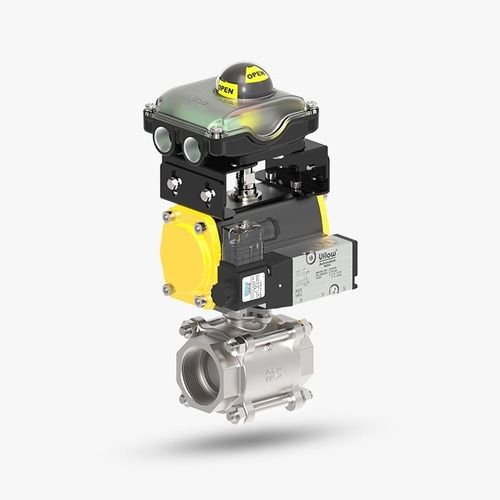
Tell us about your requirement

Price:
Quantity
Select Unit
- 50
- 100
- 200
- 250
- 500
- 1000+
Additional detail
Mobile number
Email

More Products in Solenoid Valve Category
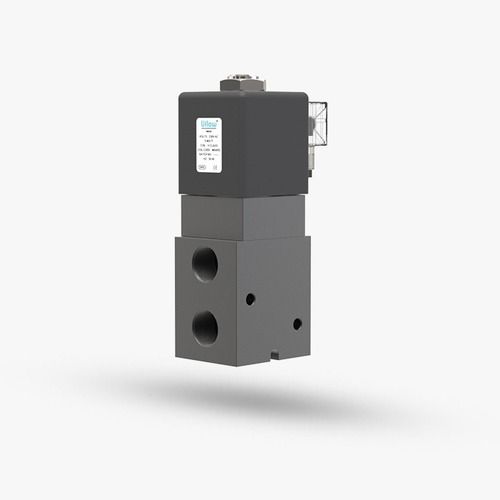
3 Way Direct Acting Poppet Type Valve
Price 2000 INR / Unit
Minimum Order Quantity : 1 Unit
Pin : 2 or 3 pin available
Structure : Other, Direct acting poppet type
Sealing : Nitrile rubber (NBR) or Viton
Valve Type : Direct Acting Solenoid Valve
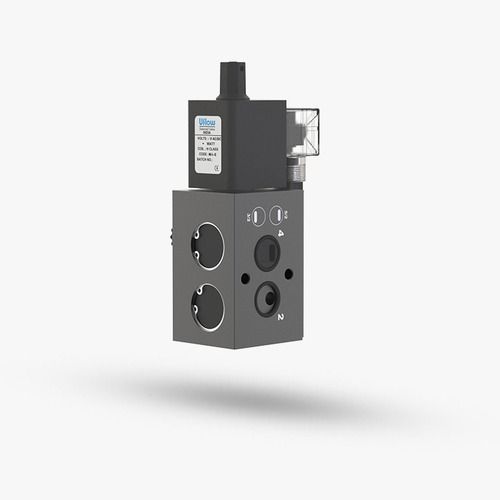
3/2 X 5/2 Convertible Single Solenoid Directional Control Namur Poppet Valve (Monostable)
Price 2500 INR / Number
Minimum Order Quantity : 1 Unit
Pin : DIN 43650 Form A
Structure : Other, Poppet type, Namur interface
Sealing : Nitrile (NBR)
Valve Type : Monostable (single solenoid, spring return)
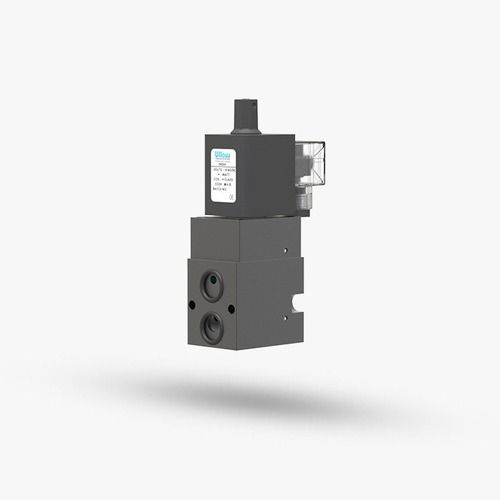
3/2 Single Solenoid Namur Poppet Valve (Normally Close)
Price 1000 INR / Number
Minimum Order Quantity : 1 Unit
Pin : 2 Pin connection
Structure : Other, Poppet (Namur) type
Sealing : Nitrile (NBR), optional Viton or EPDM
Valve Type : Namur Poppet Valve
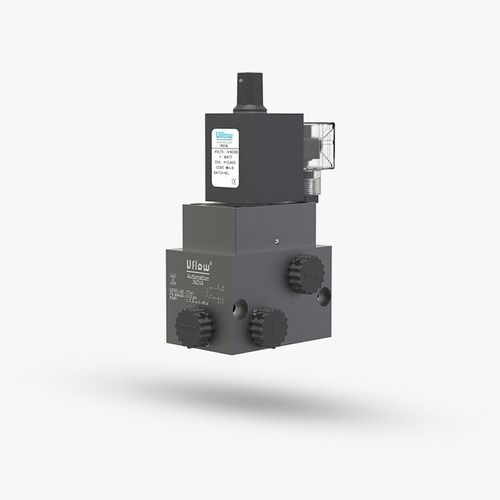
5/2 Single Solenoid Directional Control Poppet Valve(Monostable)
Price 3200 INR / Number
Minimum Order Quantity : 1 Unit
Pin : 5/2 way (5 ports, 2 positions)
Structure : Other, Poppet valve, monostable
Sealing : Nitrile rubber (NBR)/Viton options
Valve Type : Directional control

 Send Inquiry
Our Products
- Needle Valve
- Ball Valve
- Globe Valve
- Gate Valve
- Y Type Strainer
- Piston Valve
- Check Valve
- Sight Glass
- Butterfly Valve
- Swing Check Valve
- Damper Valve
- Basket Strainer
- Pressure Reducing Valve
- Double Block Bleed Valve
- Moisture Separator
- Forged Valve
- Diaphragm Valve
- Mini Ball Valve
- Forbes Marshall PRV
- T Type Strainer
- Plug Valve
- Blow Down Valve
- Air Valve
- Non Return Valve
- Safety Valve
- Steam Trap
- Gasket
- L&T Ball Valve
- L&T Butterfly Valve
- AUDCO Ball Valve
- SPIRAX Marshall PRV
- Solenoid Valve
- oxygen
- roto seal coupling
- straight union
- flow control
- ptfe sheets
- ptfe
- rubber products
- felt products
- Asbestos products
- Engineered plastics products
- rubber seals
- rubber gasket
- Sight Glasses
- Jacketed Valves
- flush bottom valve
- strainer
- Sluice Gate Valve
- Slab Gate Valve
- PTFE Lined Valve
- PTFE Lined Valves


416,417 4th Floor, A Block Safal 8, Ajit Mill, Cross Rd, Rakhial,Ahmedabad - 380023, Gujarat, India

Mr Shakir Ansari
(Director)
Mobile :08071780343
 Send Inquiry
 Send SMS
 Call Me Free
Developed and Managed by Infocom Network Private Limited.
