
Call us now :08071780343
 Send Inquiry
 Send Inquiry
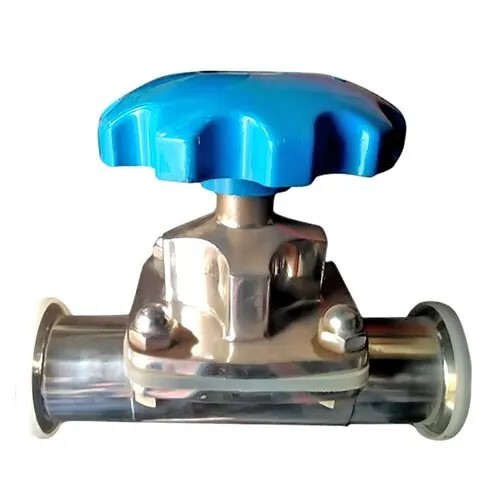
Pilot Operated Diaphragm Valve (NC)
Price 8000 INR/ Unit
MOQ : 1 Number
Pilot Operated Diaphragm Valve (NC) Specification
- Connection
- Threaded (BSP)
- Application
- Industrial automation, Water treatment, HVAC, Pneumatics
- Color
- Golden/Black
- Voltage
- 24V DC, 110V AC, 230V AC (other voltages available on request)
- Size
- Compact - varies by port size selection
- Pressure
- 0.3 to 10 bar
- Type
- Pilot Operated Diaphragm Valve (Normally Closed - NC)
- Material
- Temperature
- -10°C to +80°C
- Media
- Air, Water, Oil, Neutral Gases
- Standard
- ISO 9001:2015 Compliant
- Power
- 8W - 16W (depending on size and voltage)
- Port Size
- 1/2 to 2 BSP (other sizes on request)
- Model
- Customizable models based on application
- Characteristics
- Zero differential pressure operation, Low power consumption
- Fluid Viscosity
- Up to 21 cSt max
- Actuation Type
- Solenoid Pilot Operated
- Coil Insulation Class
- Class H
- Enclosure Rating
- IP65 with connector
- Seal Material
- Nitrile (NBR), optionally EPDM or Viton
- Life Cycle
- Over 1 million cycles
- Mounting Position
- Any, preferably upright
- Ambient Temperature
- -10°C to +50°C
- Response Time
- <1 second
- Weight
- Ranges from 0.4 kg to 1.8 kg depending on size
- Shape
- Rectangular/Compact design
- Maintenance
- Easy replacement of coil and diaphragm
Pilot Operated Diaphragm Valve (NC) About
Port : Refer below technical data sheet (Available BSP / NPT)
End Connection : Screwed / Flange
Body Material : SS ASTM A351 Grade CF8 / CF8M
Circumstance Temp : -10C to 70C
Media : Air, Water, Chemical, Gas
Main Features : Internal Parts are in superior corrosion resistance steel,
(Equivalent to SS316L) Suitable for Food Industries, Pharmaceuticals,
Chemical application & Highly corrosive environment.
Coil Features : High Reliability Unaffected by Voltage Surges.
Easy coil changes coil lockable in 4X90 position or freely movable in
between as require.
Coil Housing : Epoxy square coil, Metallic round enclosure,
IP-67 Flameproof enclosure, IP-68 Weatherproof enclosure.
Optional Feature : 90% Power saver series also available, Manual Override,
Water hammering reducer also available to avoid water hammer
forces.
Other Specification Data : Available on Request. - High Pressure 20Kg Series.
- Manual Override
Versatile Fluid Control for Industrial Applications
This solenoid pilot operated diaphragm valve is engineered for adaptability, managing fluids like air, water, oil, and neutral gases. Suitable for use in water treatment, HVAC, and automation, the valve performs reliably across a wide pressure range and ambient temperatures. Its rectangular, compact design facilitates installation in various mounting positions, making it a preferred choice for modern manufacturing and processing environments.
Durable Design with Easy Maintenance
Constructed with a high-quality brass body and NBR diaphragm, this valve is built for longevity. The coil and diaphragm are designed for effortless replacement, minimizing downtime and maintenance costs. Backed by a lifecycle exceeding 1 million operations and an IP65 rating, the valve provides robust performance in harsh conditions while remaining easy to service.
FAQ's of Pilot Operated Diaphragm Valve (NC):
Q: How does the pilot operated diaphragm valve function in automation systems?
A: The pilot operated diaphragm valve uses solenoid actuation to regulate the flow of fluid. Its normally closed design ensures flow only when energized, making it highly suitable for automated processes where reliable control is essential.Q: What are the benefits of choosing NBR, EPDM, or Viton seal materials for the valve?
A: NBR seals provide excellent resistance to oils and neutral gases, while EPDM and Viton options offer enhanced chemical resistance, making customization possible for diverse media or specialized industrial environments.Q: Where can this valve be installed, and are there preferences for mounting position?
A: The valve can be mounted in any position, with an upright installation generally recommended for optimal performance. Its compact, rectangular shape allows placement in confined or complex system layouts.Q: What is the process for replacing the coil or diaphragm during maintenance?
A: Maintenance is simplified, as both the coil and diaphragm are designed for easy removal and replacement. Users can quickly perform these tasks on-site, minimizing operational disruption and keeping maintenance costs low.Q: When is it beneficial to use this valve in zero differential pressure applications?
A: The valve operates efficiently with zero differential pressure, making it beneficial for systems where minimal pressure difference exists between the inlet and outlet, such as low-pressure automation or water treatment setups.Q: How does the valve's IP65 rating and Class H coil insulation protect its functionality?
A: The IP65 enclosure offers dust-tight and water-resistant protection, while Class H insulation prevents coil overheating. These features ensure sustained valve operation in challenging industrial environments with temperature and moisture variations.Q: What is the life expectancy of the valve, and how does this advantage industrial operations?
A: With a lifecycle exceeding one million cycles, the valve provides durable and reliable service, drastically reducing replacement frequency and enhancing system uptime for industrial users.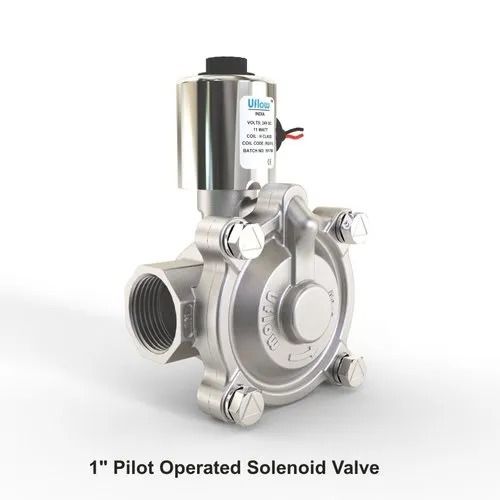
Tell us about your requirement

Price:
Quantity
Select Unit
- 50
- 100
- 200
- 250
- 500
- 1000+
Additional detail
Mobile number
Email

More Products in Diaphragm Valve Category
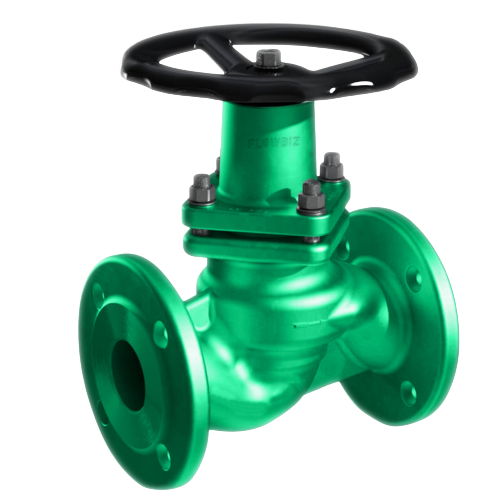
Industrial Diaphragm Valve
Price 5000.0 INR / Number
Minimum Order Quantity : 1 Number
Material : Stainless Steel
Color : Green
Usage : Industrial
Power : Manual
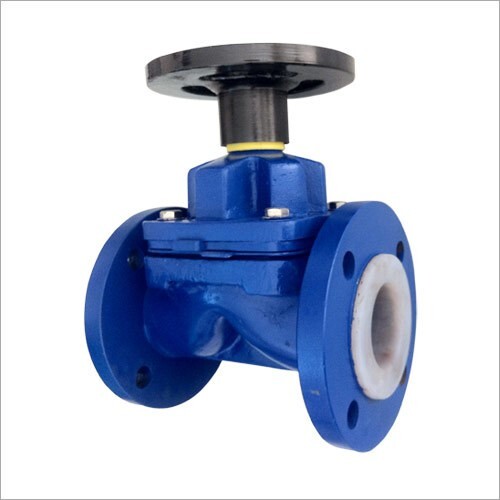
PTFE Lined Diaphragm Valve
Price 1500.0 INR / Piece
Minimum Order Quantity : 1 Piece
Material : Ductile Iron
Color : Blue
Power : Manual
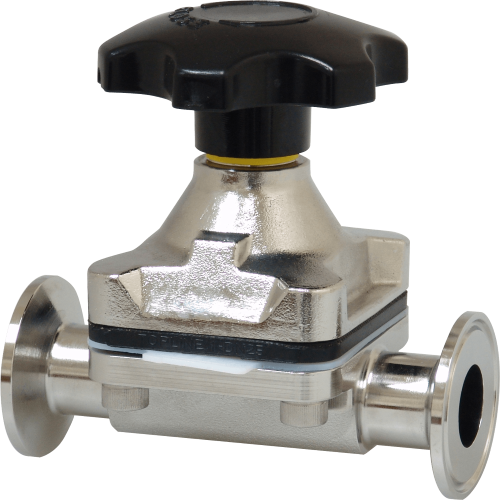
Exporter Diaphragm Valve
Price 4000.0 INR / Unit
Minimum Order Quantity : 1 Unit
Material : Cast Iron
Color : Silvar Black
Usage : Industrial
Industrial SS Diaphragm Valve
Price 2400.0 INR / Number
Minimum Order Quantity : 1 Number
Material : Stainless Steel
Color : Silver
Usage : Industrial
Power : Manual

 Send Inquiry
Our Products
- Needle Valve
- Ball Valve
- Globe Valve
- Gate Valve
- Y Type Strainer
- Piston Valve
- Check Valve
- Sight Glass
- Butterfly Valve
- Swing Check Valve
- Damper Valve
- Basket Strainer
- Pressure Reducing Valve
- Double Block Bleed Valve
- Moisture Separator
- Forged Valve
- Diaphragm Valve
- Mini Ball Valve
- Forbes Marshall PRV
- T Type Strainer
- Plug Valve
- Blow Down Valve
- Air Valve
- Non Return Valve
- Safety Valve
- Steam Trap
- Gasket
- L&T Ball Valve
- L&T Butterfly Valve
- AUDCO Ball Valve
- SPIRAX Marshall PRV
- Solenoid Valve
- oxygen
- roto seal coupling
- straight union
- flow control
- ptfe sheets
- ptfe
- rubber products
- felt products
- Asbestos products
- Engineered plastics products
- rubber seals
- rubber gasket
- Sight Glasses
- Jacketed Valves
- flush bottom valve
- strainer
- Sluice Gate Valve
- Slab Gate Valve
- PTFE Lined Valve
- PTFE Lined Valves


416,417 4th Floor, A Block Safal 8, Ajit Mill, Cross Rd, Rakhial,Ahmedabad - 380023, Gujarat, India

Mr Shakir Ansari
(Director)
Mobile :08071780343
 Send Inquiry
 Send SMS
 Call Me Free
Developed and Managed by Infocom Network Private Limited.
