
Call us now :08071780343
 Send Inquiry
 Send Inquiry
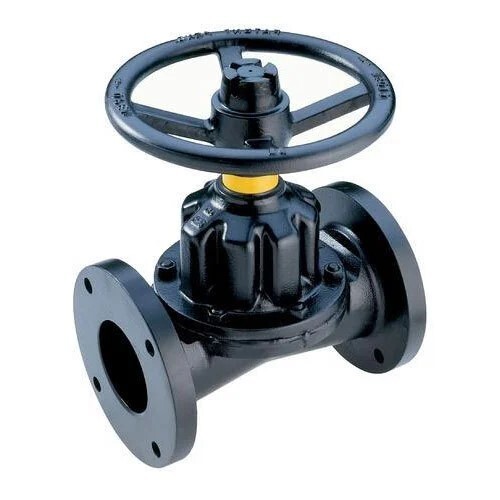
Weir Type Diaphragm Valve
Price 5000 INR/ Unit
MOQ : 1 Number
Weir Type Diaphragm Valve Specification
- Voltage
- Electric Actuator: 220V / 380V
- Size
- DN15 to DN300
- Color
- Blue / Black / Customized
- Connection
- Flanged / Screwed / Tri-clover
- Pressure
- PN10 / PN16 / Class 150
- Application
- Chemical, Water Treatment, Pharmaceutical, Food Processing, Mining, Effluent Handling
- Type
- Weir Type Diaphragm Valve
- Material
- Cast Iron / Stainless Steel / Ductile Iron / PVC (as per requirement)
- Temperature
- -10°C to 120°C (material dependent)
- Media
- Water, Chemicals, Gases, Slurry, Oils
- Standard
- DIN / BS / ANSI / IS
- Power
- Manual / Pneumatic / Electric
- Port Size
- 15mm to 300mm
- Model
- Weir Type Diaphragm Valve
- Characteristics
- Corrosion Resistant, Leak Proof, Bubble Tight Closure
- Leakage Class
- Class VI (Bubble Tight)
- End Connection Standard
- EN 1092, ASME B16.5, IS 1538
- Seat Type
- Integral / Replaceable
- Body Lining
- Rubber Lined / Unlined
- Inspection and Testing
- As per API 598 / BS 6755
- Diaphragm Material
- EPDM / PTFE / Neoprene / Rubber
- Bonnet Material
- Cast Iron / Stainless Steel
- Operation
- Handwheel, Pneumatic Actuator, Electric Actuator
- Face to Face Dimension
- As per DIN/BS/IS Standard
Weir Type Diaphragm Valve About
FlowBiz Exports Pvt Ltd Valves is a High Quality Diaphragm Valves Manufacturer in Mumbai, Maharashtra, India. We are a leading manufacturer of Weir Type Diaphragm Valve in Mumbai and nearby areas.
Diaphragm Valves consists of a Valves body with two or more ports, a diaphragm, and a "weir or saddle" or seat upon which the Diaphragm closes the valve. The basic construction of the Diaphragm Valves is quite simple. It is composed of three principal units called Body, Bonnet and Diaphragm.
Diaphragm Valves are particularly designed for handling Corrosive, Abrasives, Viscous or Fibrous Fluids.
Specifications:
Valve Body MOC: Ebonite lined CI/PTFE lined CI/PFA lined CI/CS/SS
Application: On-Off Application
Diaphragm MOC: EPDM/PTFE
Operation: manual operated / spring return diaphragm actuated
Product Details:
Size -15 mm to 350 mm
Media - Water
Pressure - Medium Pressure
Operating Air Pressure- 50-57 psig
Control Valve Closing Time - 8-10 Sec
Versatile Material Options
Weir Type Diaphragm Valves are offered with bonnet and body materials such as cast iron, stainless steel, ductile iron, and PVC to meet various application requirements. Diaphragm selections-EPDM, PTFE, neoprene, and rubber-provide impressive chemical compatibility and temperature resistance, making them suitable for many industrial processes.
Precise and Leak-Free Performance
With Class VI (bubble tight) leakage certification and integral or replaceable seat types, these valves guarantee a superior leak-proof seal. Rubber lining is available for enhanced corrosion resistance. Conforming to EN 1092, ASME B16.5, and IS 1538, the valves maintain stringent international connection standards for reliability and easy integration.
Flexible Operation and Control
Operation can be tailored for manual, pneumatic, or electric actuation, suiting both remote and on-site management scenarios. Electric actuators come in 220V or 380V. The wide port size (15mm to 300mm) range and customizable colors offer adaptability for varied industrial settings, ensuring easy maintenance and optimal process control.
FAQ's of Weir Type Diaphragm Valve:
Q: How is the Weir Type Diaphragm Valve operated?
A: The valve can be operated manually with a handwheel or automatically using pneumatic or electric actuators. Electric actuators are available in 220V and 380V options, allowing for both on-site and remote control depending on system requirements.Q: What materials are used for the body, bonnet, and diaphragm of this valve?
A: Body and bonnet materials include cast iron, stainless steel, ductile iron, and PVC (as required). Diaphragms can be supplied in EPDM, PTFE, neoprene, or rubber, chosen based on chemical compatibility and the intended application's temperature range.Q: When should I use a rubber lined vs. unlined valve body?
A: A rubber lined valve is recommended when handling corrosive media or abrasive slurries, providing extra durability and protection. Unlined bodies are suitable for less aggressive fluids and applications where lining is unnecessary.Q: Where are Weir Type Diaphragm Valves typically used?
A: These valves are widely used in chemical plants, water and wastewater treatment, pharmaceuticals, food processing, mining, and effluent handling due to their robust construction and compatibility with a wide range of fluids.Q: What is the process for selecting the correct diaphragm material?
A: Selection depends on fluid characteristics, operating temperature (-10C to 120C), and chemical compatibility. For aggressive chemicals, PTFE is preferred; for water or general fluids, EPDM or rubber may be used. Technical consultation can help determine optimal material selection.Q: What are the benefits of using this valve in industrial applications?
A: The valve provides reliable, leak-proof shut-off (Class VI bubble tight closure), high resistance to corrosion, and flexibility in connection and operation types. Its compliance with international standards ensures easy integration and consistent, dependable performance.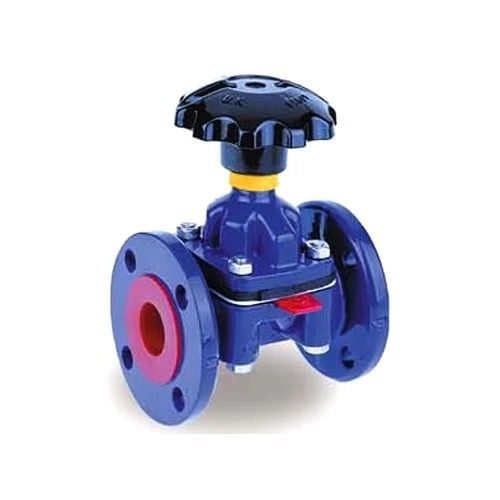
Tell us about your requirement

Price:
Quantity
Select Unit
- 50
- 100
- 200
- 250
- 500
- 1000+
Additional detail
Mobile number
Email

More Products in Diaphragm Valve Category
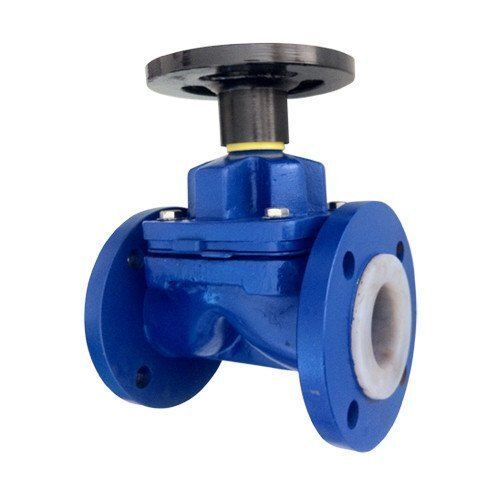
PTFE Lined Diaphragm Valve Manufacturer in India
Price 2000 INR / Unit
Minimum Order Quantity : 1 Number
Material : Other , Body: Ductile Iron / Cast Iron, Lining: PTFE
Color : Blue / Green / Red
Media : Other, Acids, Alkalis, Corrosive Fluids
Power : Other, Manual / Pneumatic Actuated
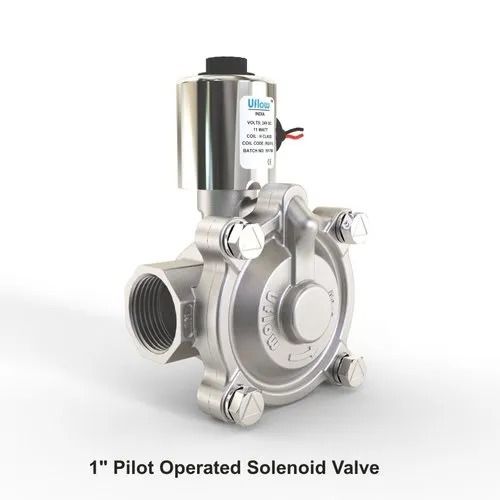
Pilot Operated Diaphragm Valve (NC)
Price 8000 INR / Unit
Minimum Order Quantity : 1 Number
Material : Other , Brass body, NBR diaphragm (other materials available on request)
Color : Golden/Black
Media : Other, Air, Water, Oil, Neutral Gases
Power : Other, 8W 16W (depending on size and voltage)
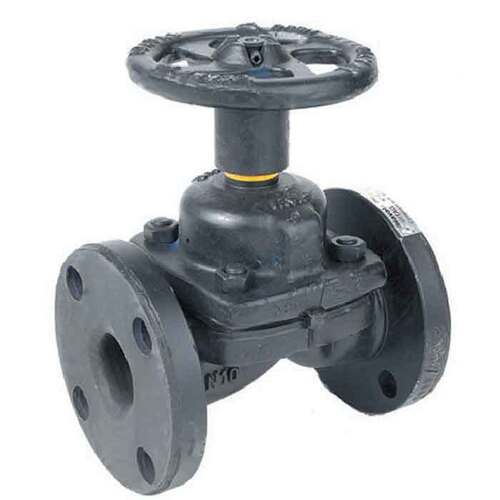
PTFE Lined Diaphragm Valve
Price 5000.0 INR / Piece
Minimum Order Quantity : 1 Piece
Material : Stainless Steel
Color : Black
Media : Water
Power : Manual
Export Quality Diaphragm
Price 1600.0 INR / Number
Minimum Order Quantity : 1 Number
Material : Stainless Steel
Color : Black
Media : Water

 Send Inquiry
Our Products
- Needle Valve
- Ball Valve
- Globe Valve
- Gate Valve
- Y Type Strainer
- Piston Valve
- Check Valve
- Sight Glass
- Butterfly Valve
- Swing Check Valve
- Damper Valve
- Basket Strainer
- Pressure Reducing Valve
- Double Block Bleed Valve
- Moisture Separator
- Forged Valve
- Diaphragm Valve
- Mini Ball Valve
- Forbes Marshall PRV
- T Type Strainer
- Plug Valve
- Blow Down Valve
- Air Valve
- Non Return Valve
- Safety Valve
- Steam Trap
- Gasket
- L&T Ball Valve
- L&T Butterfly Valve
- AUDCO Ball Valve
- SPIRAX Marshall PRV
- Solenoid Valve
- oxygen
- roto seal coupling
- straight union
- flow control
- ptfe sheets
- ptfe
- rubber products
- felt products
- Asbestos products
- Engineered plastics products
- rubber seals
- rubber gasket
- Sight Glasses
- Jacketed Valves
- flush bottom valve
- strainer
- Sluice Gate Valve
- Slab Gate Valve
- PTFE Lined Valve
- PTFE Lined Valves


416,417 4th Floor, A Block Safal 8, Ajit Mill, Cross Rd, Rakhial,Ahmedabad - 380023, Gujarat, India

Mr Shakir Ansari
(Director)
Mobile :08071780343
 Send Inquiry
 Send SMS
Developed and Managed by Infocom Network Private Limited.
