
Call us now :08071780343
 Send Inquiry
 Send Inquiry
LnT Make Single Piece Design Ball Valve
Price 7000 INR/ Unit
LnT Make Single Piece Design Ball Valve Specification
- Pressure
- Class 150/300, PN10/16
- Structure
- Single Piece Body
- Connection
- Screwed / Flanged
- Channels
- 2-way
- Caliber
- Full Bore
- Material
- Carbon Steel / Stainless Steel / Brass
- Power
- Manual
- Media
- Water, Oil, Gas, Air, Steam
- Temperature of Media
- -20°C to 180°C
- Port Size
- 1/2 to 4
- Flange
- ANSI / DIN / IS
- Finish
- Epoxy Coated / Natural Finish
- Application
- Industrial, Chemical, Petrochemical, Water Treatment
- Mounting
- Inline
- Seat Material
- PTFE / RPTFE
- Leakage Class
- Class VI
- Fire Safe Design
- Available as per API 607
- Operation
- Quarter Turn
- Design Standard
- BS 5351 / API 6D
- Face to Face
- ASME B16.10
- Blowout Proof Stem
- Provided
- Anti-Static Device
- Available
- Handle
- SS Lockable Lever
- End Connection Standard
- BSP, NPT, Flanged
- Testing Standard
- API 598
LnT Make Single Piece Design Ball Valve About
L&T Series L1 Ball valves are single-piece flanged ball valves. Antistatic and fire safety, these valves have excelled in the industry by finding themselves in some of the most demanding applications.
- Catalogue no : L1RF1C / L1RF3C / L1FF1C / L1FF3C
- Material: Carbon Steel
- Catalogue no : L1RF1S/ L1RF3S / L1FF1S / L1FF3S
- Material: Stainless Steel
- Size range: 1/2 - 8
- Pressure rating: Class 150/300
- End connection: Flanged
Robust One-Piece Construction
Designed with a single piece body, this ball valve offers superior strength and reduced leakage risks. It handles pressures up to Class 300/PN16 and temperatures from -20C to 180C, making it ideal for demanding industrial, chemical, and petrochemical environments.
Versatile Operation and Safety Features
The quarter turn SS lockable lever gives straightforward manual control, while features such as fire-safe construction per API 607, blowout proof stem, and anti-static devices ensure uncompromising safety for operators and processes. The valve is suitable for inline mounting and 2-way channel operation.
Adaptability Across Applications
Supporting port sizes from 1/2 to 4 inches with full bore caliber, the valve can be connected using BSP, NPT, flanged, ANSI, DIN, or IS standards. This flexibility makes it a reliable choice for water treatment, petrochemical, chemical, and general industrial systems.
FAQ's of LnT Make Single Piece Design Ball Valve:
Q: How is the LnT Single Piece Design Ball Valve installed and operated?
A: This ball valve is installed inline using either screwed or flanged connections (BSP, NPT, ANSI, DIN, IS), and operated manually via a quarter turn SS lockable lever. Installation and operation are straightforward, following ASME B16.10 face-to-face and BS 5351/API 6D design standards.Q: What are the benefits of the fire-safe design and blowout proof stem?
A: The fire-safe design (API 607 compliant) increases safety by preventing leakage during fire incidents. The blowout proof stem adds another layer of operational security, ensuring the stem remains securely retained under extreme pressure or thermal conditions.Q: When should PTFE or RPTFE seat material be chosen for this valve?
A: PTFE or RPTFE seats are ideal for applications involving corrosive media, higher temperatures (up to 180C), or where low friction and tight sealing are critical. Selection depends on the media properties and specific environmental demands of your process.Q: Where can this ball valve be used effectively?
A: This valve is suitable for a wide range of environments, including industrial, chemical, petrochemical, and water treatment plants. Its robust construction, range of pressure ratings, and full bore flow make it apt for handling water, oil, gas, air, and steam.Q: What is the testing and quality assurance process for this ball valve?
A: Each valve undergoes rigorous testing as per API 598 standards to verify pressure, leakage, and operational reliability, ensuring consistent performance and compliance with international industry expectations.Q: How does the anti-static device enhance valve safety during usage?
A: The anti-static device prevents electrostatic build-up between the ball and stem, minimizing sparks that could ignite flammable media, thus safeguarding personnel and equipment during operation.Q: What are the advantages of selecting full bore and epoxy coated finish options?
A: Full bore design allows maximum flow with minimal pressure loss, while epoxy coated finishes enhance durability and resistance to corrosion, extending service life especially in harsh operating environments.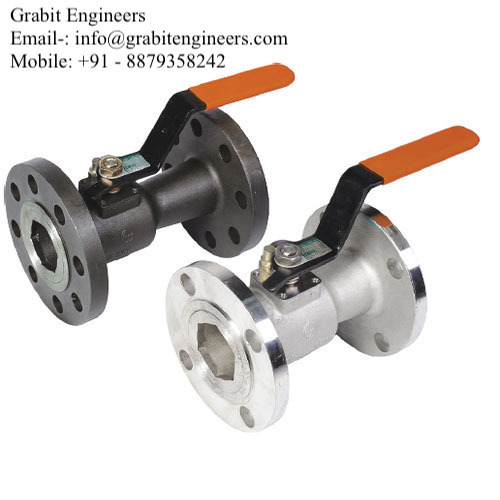
Tell us about your requirement

Price:
Quantity
Select Unit
- 50
- 100
- 200
- 250
- 500
- 1000+
Additional detail
Mobile number
Email

More Products in L&T Ball Valve Category
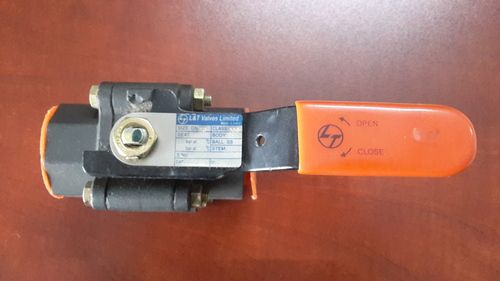
LnT 3 Piece Ball Valve - Reduced Bore
Price 1500 INR / Unit
Minimum Order Quantity : 1 Number
Temperature of Media : 180 Deg C Celsius (oC)
Media : Oil
Port Size : 15mm to 50mm
Pressure : High Pressure
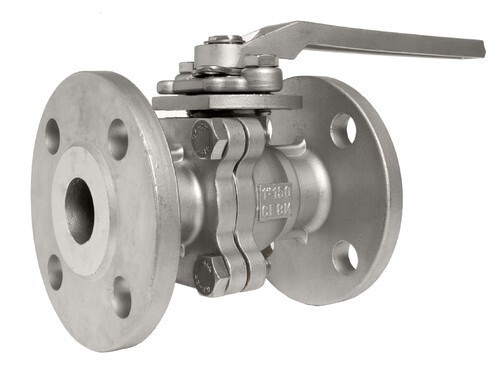
LnT Make 2 Piece Design Ball Valve
Price 8000 INR / Unit
Minimum Order Quantity : 1 Number
Temperature of Media : 20C to 200C
Media : Other, Water, Oil, Gas, Steam
Port Size : 1/2 inch to 12 inch
Pressure : Other, Class 150 to Class 600
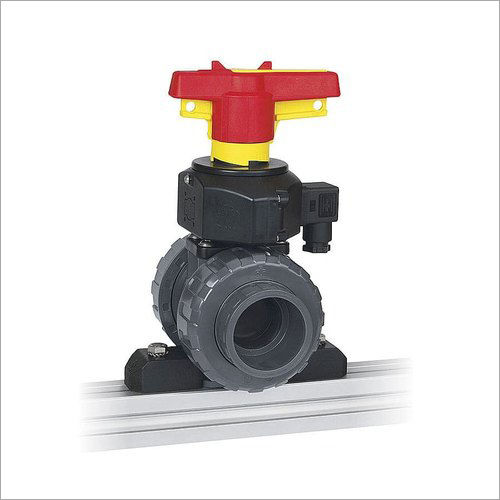
LnT Make IBR Ball Valve Energy Miser
Price 8000 INR / Unit
Minimum Order Quantity : 5
Temperature of Media : Up to 220C
Media : Other, Steam, Water, Oil, Gas
Port Size : 15mm to 150mm ( to 6) nominal bore
Pressure : Other, Up to 50 bar

 Send Inquiry
Our Products
- Needle Valve
- Ball Valve
- Globe Valve
- Gate Valve
- Y Type Strainer
- Piston Valve
- Check Valve
- Sight Glass
- Butterfly Valve
- Swing Check Valve
- Damper Valve
- Basket Strainer
- Pressure Reducing Valve
- Double Block Bleed Valve
- Moisture Separator
- Forged Valve
- Diaphragm Valve
- Mini Ball Valve
- Forbes Marshall PRV
- T Type Strainer
- Plug Valve
- Blow Down Valve
- Air Valve
- Non Return Valve
- Safety Valve
- Steam Trap
- Gasket
- L&T Ball Valve
- L&T Butterfly Valve
- AUDCO Ball Valve
- SPIRAX Marshall PRV
- Solenoid Valve
- oxygen
- roto seal coupling
- straight union
- flow control
- ptfe sheets
- ptfe
- rubber products
- felt products
- Asbestos products
- Engineered plastics products
- rubber seals
- rubber gasket
- Sight Glasses
- Jacketed Valves
- flush bottom valve
- strainer
- Sluice Gate Valve
- Slab Gate Valve
- PTFE Lined Valve
- PTFE Lined Valves


416,417 4th Floor, A Block Safal 8, Ajit Mill, Cross Rd, Rakhial,Ahmedabad - 380023, Gujarat, India

Mr Shakir Ansari
(Director)
Mobile :08071780343
 Send Inquiry
 Send SMS
 Call Me Free
Developed and Managed by Infocom Network Private Limited.
