Call us now :08071780343
 Send Inquiry
 Send Inquiry
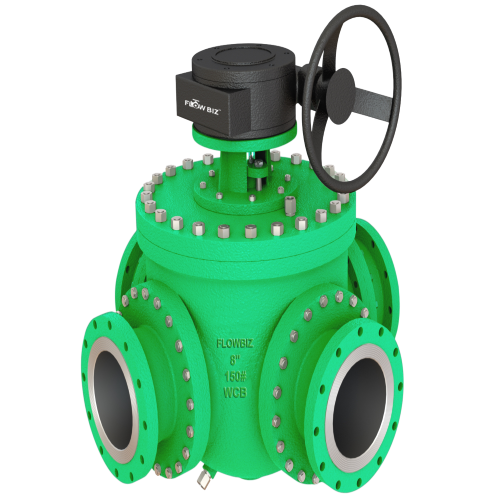
PTFE Seateds Balls Valve
Price 2000.0 INR/ Piece
MOQ : 1 Piece
PTFE Seateds Balls Valve Specification
- Connection
- Flanged / Screwed / Socket Weld
- Pressure
- Up to 1500 PSI
- Channels
- Two
- Caliber
- Full Bore
- Structure
- Ball
- Material
- Stainless Steel
- Power
- Manual
- Media
- Water, Gas, Oil
- Temperature of Media
- High Temperature
- Port Size
- 1/2 Inch to 12 Inch
- Flange
- ANSI, DIN, BS
- Finish
- Polished
- Application
- Industrial, Chemical, Water, Oil & Gas
- Body Material
- CF8 / CF8M / WCB
- End Connection
- Threaded, Flanged, Welded
- Operation
- Quarter Turn
- Testing Standard
- API 598
- Actuation
- Manual / Pneumatic / Electric
- Leakage Class
- Class VI
- Design Standard
- API 6D / ASME B16.34
- Seal Material
- PTFE / RPTFE / Metal
- Operation Temperature Range
- -29C to 200C
PTFE Seateds Balls Valve About
FlowBiz High-Performance Industrial Ball Valves High-Integrity Upstream & Utility Isolation
Welcome to the engineering authority for robust fluid containment, automated flow isolation, and certified leak-proof process routing. Operating advanced multi-axis CNC turn-mill machinery, micro-finished spherical lapping complexes, and automated pressure-boundary validation corridors, FlowBiz Exports specializes in manufacturing premium Industrial Ball Valves.
Our industrial ball valves have earned a reputation as the most trusted fluid shut-off components across upstream natural gas extraction headers, offshore gas-oil production manifolds, and high-duty fuel gas systems feeding industrial furnaces. Engineered to deliver dependable operation under challenging field conditions, these valves provide tight containment, low-friction operation, and exceptional resistance to localized erosion, ensuring optimal process reliability where safety and performance cannot be compromised.
Technical Specifications & Compliance Parameters
Every FlowBiz production batch undergoes strict hydrostatic shell profiling and pneumatic seat testing under global validation benchmarks to guarantee a bubble-tight seal.
| Engineering Parameter | Certified Product Specifications & Compliance Codes |
| Design Integrity | Fully compliant with API 6D and ASME B16.34 standards |
| Testing Standards | 100% verified and certified to meet API 598 leakage criteria |
| Pressure Limit Boundaries | Heavy-duty construction rated to handle pressures up to 1500 PSI |
| Thermal Operating Envelope | Certified to maintain tight isolation from -29C to 200C |
| Port Size Portfolio | Broad series availability ranging from 1/2 inch to 12 inches |
| Flange Drill Matching | Machined to conform with standard ANSI, DIN, or BS specifications |
| Connector Type Matrix | High-integrity Flanged, Threaded, or secure Socket Weld ends |
Strategic Material Matrix & Performance Benefits
Selecting the proper combination of body metallurgy and soft parts is essential to achieving an optimal balance between chemical compatibility, working pressure, and overall cost-effectiveness:
[ TOTAL BALL VALVE ANATOMY ] +-----------------------------------+-----------------------------------+ | | | \/ \/ \/ [ HOUSING METALLURGY ] [ SPHERICAL CORE TRIMS ] [ SEATING COMPONENTS ] * Stainless Steel: CF8, CF8M * Polished Stainless Steel * High-Purity Virgin PTFE * Carbon Steel: WCB * Chrome-Plated Steel * Reinforced PTFE / RPTFE * Utilities: Brass, PVC * Chrome-Plated Brass / PVC * Severe-Service Hardened Metal Core Advantages of FlowBiz Architecture
-
Minimal System Pressure Drop: Available in full-bore configurations where the internal ball channel matches the pipe's inner diameter perfectly. This design ensures an unrestricted flow path, maximizing throughput efficiency and eliminating inline turbulence.
-
Corrosion Resistance & Hygiene: Standard metallic housings are finished with a micro-polished surface treatment. This high-purity polish reduces chemical adhesion, improves cleanability, and shields the valve face from corrosive environments.
-
Multi-Tier Actuation Control: Valves can be configured with manual levers for simple quarter-turn control, mechanical heavy-duty gearboxes for larger sizes, or automated with Pneumatic Cylinders or Electric Actuators for seamless remote plant automation.
-
Rugged Construction & Long Service Life: Built with heavy structural wall thicknesses and premium polymer or metal backings, our valves reliably endure abrasive wear and cyclic thermal stress, significantly extending equipment lifecycles.
Strategic Industrial Application Sectors
-
Upstream Gas & Offshore Production: Isolating high-pressure wellhead streams, offshore platform manifolds, and crude gas separation skids.
-
Furnace Fuel Gas Systems: Regulating secondary feed lines, automated emergency shut-off valves, and burner isolation grids.
-
Chemical & Petrochemical Processing: Managing aggressive chemical reagents, intermediate volatile solvents, and process utility headers.
-
Water & Utilities Treatment Skids: Controlling industrial pump discharge headers, raw water supply pipelines, and high-capacity filtration grids.
Comprehensive Supply Chain Footprint
Operating out of our strategic production and logistics hub in Mandvi, Kutch, Gujarat, FlowBiz coordinates an efficient distribution network. We provide prompt, certified delivery and full technical support across all major industrial regions:
-
Gujarat Processing Hubs: Mandvi, Rajkot, Ahmedabad, Vapi, Valsad, Surat, Gandhidham, Kutch, Ankleshwar, and Bharuch.
-
Maharashtra Industrial Corridors: Mumbai, Nashik, Pune, Thane, Aurangabad, Satara, Sangli, Nagpur, and Kolhapur.
-
Central & Southern Manufacturing Zones: Indore, Dewas, Bhopal, Chennai, Coimbatore, Salem, and all other major regional processing zones.
Frequently Asked Questions (FAQ)
Q: How do your ball valves ensure reliable operation in high-pressure applications?
A: Our industrial ball valves are designed to fully comply with API 6D and ASME B16.34 engineering standards. Every valve undergoes 100% mandatory pressure validation under API 598 protocols, ensuring dependable, leak-free performance under pressures up to 1500 PSI. By combining heavy-duty housings with high-integrity sealing choices like PTFE, RPTFE, or hardened metals, they remain perfectly tight in severe industrial settings.
Q: What materials are used in the construction of your ball valves, and how do they benefit end-users?
A: We construct our valves using premium materialsincluding high-strength CF8M (SS316), CF8 (SS304), and WCB (Cast Carbon Steel)paired with high-purity PTFE, RPTFE, or metal seating. These combinations provide exceptional structural strength, outstanding corrosion resistance, and excellent compatibility with aggressive media, giving users an extended service life and reduced maintenance.
Q: When should I choose a flanged, threaded, or welded end connection for my installation?
A: Your piping specification determines the best choice: flanged connections offer highly secure, leak-tight joints that are easy to unbolt on larger lines; threaded ends provide quick, cost-effective installation for small-bore utility piping or retrofits; while socket-weld ends provide a permanent, robust joint designed to withstand high pressures, thermal shocks, and line vibration.
Q: Where can these ball valves be utilized?
A: FlowBiz ball valves are widely specified across upstream gas oil infrastructure, furnace fuel feeds, petrochemical refineries, chemical manufacturing lines, municipal water treatment facilities, and general industrial utility loops. Their rugged design allows them to effectively control water, oil, gas, and chemicals under demanding pressures and temperatures.
Q: What is the operational temperature range and pressure rating of your ball valves?
A: These valves are engineered to perform across a broad temperature span from -29C to 200C and are fully rated to withstand operating pressures up to 1500 PSI, making them well-suited for harsh and demanding process environments.
Q: How does actuation type affect the usage of your ball valves?
A: The method of operation matches your plant's automation requirements: manual levers or gearboxes are ideal for standard, straightforward lines that require less frequent cycling; high-cycle pneumatic or electric actuators provide precise automated flow control, enabling remote operation and seamless integration into modern plant DCS networks.
Q: What are the advantages of using full bore ball valves with polished finish in industrial settings?
A: Full bore ball valves match the inner diameter of your pipeline perfectly, ensuring unrestricted flow and keeping system pressure drops close to zero. Combining this full flow path with a micro-polished surface finish reduces internal friction, prevents product adhesion, and boosts corrosion resistance, which is highly beneficial for aggressive chemical pipelines and pure water service applications.
Are you updating an offshore fuel gas header that requires an API 6D flanged ball valve with an integrated pneumatic actuator, or configuring a high-pressure manifold in Mandvi that demands a robust 12-inch stainless steel layout? Contact our technical engineering and sales division in Mandvi, India today to secure a factory-direct quote and detailed verification data, or ask a single relevant question regarding your specific system pressure boundaries or chemical media properties below to guide the conversation forward.
Tell us about your requirement

Price:
Quantity
Select Unit
- 50
- 100
- 200
- 250
- 500
- 1000+
Additional detail
Mobile number
Email

More Products in Ball Valve Category
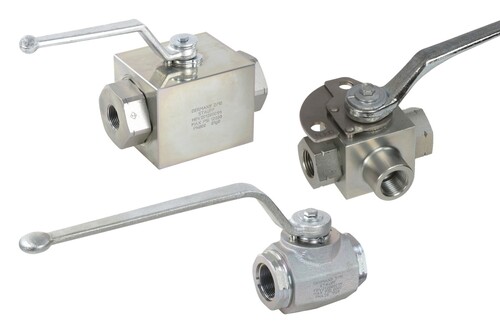
Industrial SS High Pressure Valve Ball
Price 1000.0 INR / Unit
Minimum Order Quantity : 1 Number
Finish : Polished / Painted / Coated
Material : Other, Stainless Steel / Carbon Steel / Alloy Steel
Structure : Other, Two Piece / Three Piece / Forged
Application : Industrial / Hydraulic / Process Plants / Petrochemical
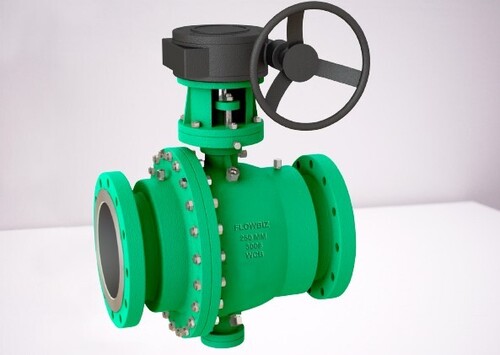
Industrial Trunnion Mounted Ball Valve
Price 2000.0 INR / Unit
Minimum Order Quantity : 1 Unit
Finish : AntiCorrosive Coating
Material : Other, Forged Carbon Steel
Structure : Other, Trunnion Mounted
Application : Industrial/Process Industries
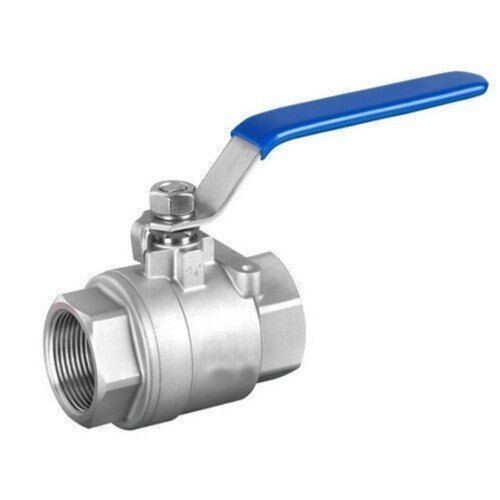
Heavy Industrial Balls Valve
Price 3000.0 INR / Piece
Minimum Order Quantity : 1 Piece
Finish : Polished
Material : Other, Stainless Steel, Carbon Steel, Brass
Structure : Ball
Application : Industrial, Chemical, Water Treatment, Oil & Gas
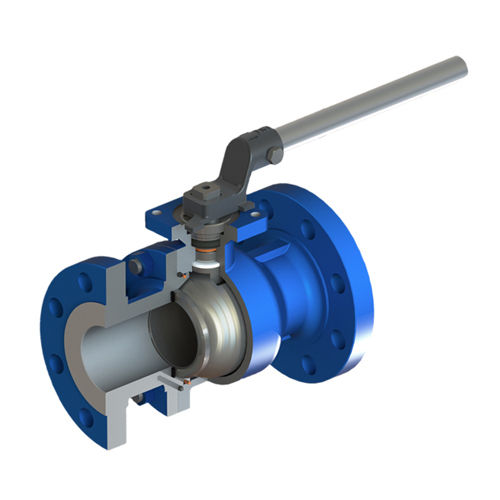
Metal Seated Ball Valve Manufacturer in Jamnagar
Price 500 INR / Unit
Minimum Order Quantity : 1 Number
Finish : Polished
Material : Stainless Steel
Structure : Ball
Application : Industrial

 Send Inquiry
Our Products
- Needle Valve
- Ball Valve
- Globe Valve
- Gate Valve
- Y Type Strainer
- Piston Valve
- Check Valve
- Sight Glass
- Butterfly Valve
- Swing Check Valve
- Damper Valve
- Basket Strainer
- Pressure Reducing Valve
- Double Block Bleed Valve
- Moisture Separator
- Forged Valve
- Diaphragm Valve
- Mini Ball Valve
- Forbes Marshall PRV
- T Type Strainer
- Plug Valve
- Blow Down Valve
- Air Valve
- Non Return Valve
- Safety Valve
- Steam Trap
- Gasket
- L&T Ball Valve
- L&T Butterfly Valve
- AUDCO Ball Valve
- SPIRAX Marshall PRV
- Solenoid Valve
- oxygen
- roto seal coupling
- straight union
- flow control
- ptfe sheets
- ptfe
- rubber products
- felt products
- Asbestos products
- Engineered plastics products
- rubber seals
- rubber gasket
- Sight Glasses
- Jacketed Valves
- flush bottom valve
- strainer
- Sluice Gate Valve
- Slab Gate Valve
- PTFE Lined Valve
- PTFE Lined Valves


416,417 4th Floor, A Block Safal 8, Ajit Mill, Cross Rd, Rakhial,Ahmedabad - 380023, Gujarat, India

Mr Shakir Ansari
(Director)
Mobile :08071780343
 Send Inquiry
 Send SMS
Developed and Managed by Infocom Network Private Limited.
