
Call us now :08071630546
 Send Inquiry
 Send Inquiry
Ball Valve Manufacturer in Kheda
Price 600 INR/ Unit
MOQ : 1 Number
Ball Valve Manufacturer in Kheda Specification
- Structure
- Ball
- Pressure
- PN16 / PN25 / PN40
- Channels
- Two or Three Way
- Caliber
- Standard
- Connection
- Flanged, Screwed, Welded
- Material
- Stainless Steel
- Power
- Manual
- Media
- Water, Oil, Gas
- Temperature of Media
- Medium Temperature
- Port Size
- 1/2 inch to 12 inch
- Flange
- ANSI, DIN, JIS Standard
- Finish
- Polished
- Application
- Industrial, Agriculture, Water Treatment
- Size Range
- Custom Sizes Available
- Handle Type
- Lever
- Seat Material
- PTFE/Ball
- Operation
- Quarter Turn
- Leakage Class
- Class VI
- Testing Standard
- 100% Hydrostatically Tested
- Working Life
- Long Durability
- Packing Material
- PTFE
- Surface Treatment
- Anti-corrosive Coating
- End Connection
- Threaded or Flanged
About Ball Valve Manufacturer in Kheda
A ball valve is a shut-off valve that allows, obstructs, and controls the flow of liquids, gases, and vapors in a piping system by rotating the ball having a bore inside the valve. The ball is mounted against two seats and has a shaft connecting it to the operating and control mechanism that rotates it.
Our brand Ball valves are commonly found in plumbing systems and related applications such as industrial cooling. Their role is generally to help manage the flow rate of liquid or gas passing through a specific port or opening, influencing the pressure balance in other essential system parts.
Precision Engineering for Reliable Performance
Our ball valves feature a quarter-turn operation, designed for smooth and user-friendly control of flow across a variety of industrial and agricultural environments. With advanced anti-corrosive coatings and high-grade PTFE materials, we ensure reliable performance and superior leak prevention, aligned with Class VI leakage standards.
Customized Solutions for Diverse Applications
Whether you require standard sizes or unique specifications, we provide custom sizing and multiple end connection options, meeting the precise needs of water treatment plants, refineries, and agricultural systems. Two-way and three-way channel models offer flexibility to accommodate complex flow requirements.
Stringent Quality Assurance and International Standards
Each valve is 100% hydrostatically tested to guarantee pressure integrity and safety. Our manufacturing process aligns with internationally recognized standardsANSI, DIN, and JIS flangesensuring compatibility and high performance, no matter your application or location.
FAQs of Ball Valve Manufacturer in Kheda:
Q: How are your ball valves operated and what benefits does the quarter-turn mechanism provide?
A: Our ball valves are manually operated using a lever handle. The quarter-turn mechanism enables rapid and effortless opening or closing, ensuring quick shut-off or flow regulation, which enhances operational safety and minimizes downtime.Q: What packing and seat materials are used, and how do they contribute to valve performance?
A: We utilize PTFE (Polytetrafluoroethylene) for both packing and seat material, providing excellent chemical resistance, minimal friction, and superior sealing. This combination helps achieve Class VI leakage ratings and enhances the valves operational lifespan.Q: When is it advisable to select threaded, flanged, or welded end connections?
A: Threaded connections are best for smaller, lower-pressure installations requiring easy removal. Flanged ends are ideal for higher pressures and larger sizes, ensuring robust sealing and maintenance access. Welded ends offer permanent, leak-proof integration suitable for specialized industrial settings.Q: Where can these stainless steel ball valves be installed?
A: Our valves can be incorporated into a variety of settings, such as industrial piping systems, agricultural irrigation, and water treatment facilities. Thanks to their anti-corrosive and durable steel construction, they are reliable for indoor and outdoor installations in medium-temperature environments.Q: What is the process for quality testing your valves?
A: Every valve undergoes 100% hydrostatic testing, where it is exposed to defined pressures using water to confirm no leaks and verify structural integrity, meeting international pressure ratings up to PN40.Q: What are the advantages of the anti-corrosive coating and polished finish?
A: The anti-corrosive coating protects the valve against environmental wear and chemical exposure, prolonging its working life. A polished finish not only enhances appearance but also reduces buildup of contaminants, aiding in easier maintenance.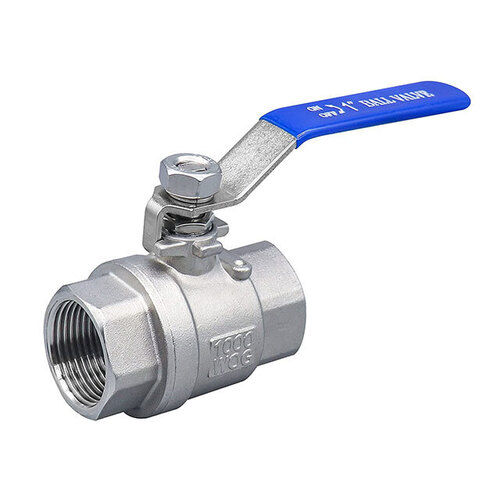
Tell us about your requirement

Price:
Quantity
Select Unit
- 50
- 100
- 200
- 250
- 500
- 1000+
Additional detail
Mobile number
Email

More Products in Ball Valve Category
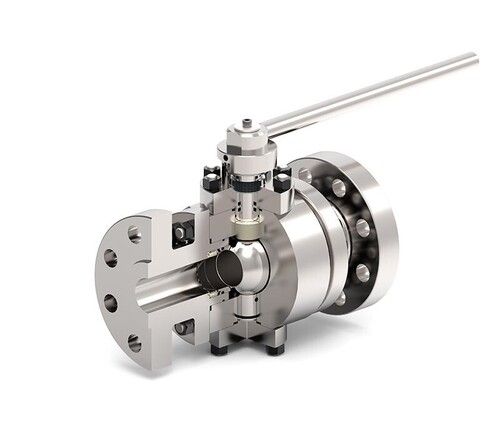
Metal Seated Ball Valve Manufacturer in Vapi
Price 4300 INR / Unit
Minimum Order Quantity : 1 Number
Material : Stainless Steel
Media : Other, Water, Oil, Gas, Steam
Temperature of Media : High Temperature
Application : Industrial, Chemical, Petroleum, Paper, Food Industries

PTFE Lined Ball Valve Manufacturer in Vapi
Price 2000 INR / Unit
Minimum Order Quantity : 1 Number
Material : Other, PTFE Lined Carbon Steel / Stainless Steel
Media : Other, Acid, Alkali, Water, Gas
Temperature of Media : Up to 180C
Application : Chemical, Pharmaceutical, Water Treatment

Forged Steel Ball Valve Manufacturer in Surat
Price 1100 INR / Unit
Minimum Order Quantity : 1 Number
Material : Other, Forged Steel
Media : Other, Water, Oil, Gas, Steam
Temperature of Media : 20C to 200C
Application : Industrial, Petrochemical, Refineries, Power Plants
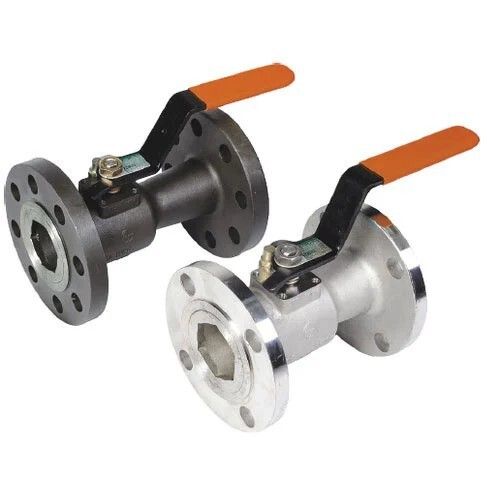
Single Piece Ball Valve Manufacturer in Ahmedabad
Price 2200 INR / Unit
Minimum Order Quantity : 1 Number
Material : Stainless Steel
Media : Water
Temperature of Media : 40 DegreeF to 392 DegreeF Fahrenheit (oF)
Application : Air, Liquid , Gas

 Send Inquiry
Our Products
- Needle Valve
- Ball Valve
- Globe Valve
- Gate Valve
- Y Type Strainer
- Piston Valve
- Check Valve
- Sight Glass
- Butterfly Valve
- Swing Check Valve
- Damper Valve
- Basket Strainer
- Pressure Reducing Valve
- Double Block Bleed Valve
- Moisture Separator
- Forged Valve
- Diaphragm Valve
- Mini Ball Valve
- Forbes Marshall PRV
- T Type Strainer
- Plug Valve
- Blow Down Valve
- Air Valve
- Non Return Valve
- Safety Valve
- Steam Trap
- Gasket
- L&T Ball Valve
- L&T Butterfly Valve
- AUDCO Ball Valve
- SPIRAX Marshall PRV
- Solenoid Valve
- oxygen
- roto seal coupling
- straight union
- flow control
- ptfe sheets
- ptfe
- rubber products
- felt products
- Asbestos products
- Engineered plastics products
- rubber seals
- rubber gasket
- Sight Glasses
- Jacketed Valves
- flush bottom valve
- strainer
- Sluice Gate Valve
- Slab Gate Valve
- PTFE Lined Valve
- PTFE Lined Valves


416,417 4th Floor, A Block Safal 8, Ajit Mill, Cross Rd, Rakhial,Ahmedabad - 380023, Gujarat, India

Mr Shakir Ansari
(Director)
Mobile :08071630546
 Send Inquiry
 Send SMS
Developed and Managed by Infocom Network Private Limited.
