
Call us now :08071780343
 Send Inquiry
 Send Inquiry
2/2 Way Miniature High Flow Proportional Valve
Price 2000 INR/ Number
MOQ : 1 Unit
2/2 Way Miniature High Flow Proportional Valve Specification
- Valve Size
- Compact/micro size (approx. 30 mm length)
- Connection Type
- Push-in fittings for easy installation
- Material
- Body: Brass or stainless steel, internal parts: high-grade polymer/plastic
- Features
- Fast response, low hysteresis, compact and lightweight, high flow, low leakage
- Valve Type
- Proportional solenoid valve
- Control System
- Electronic proportional control
- Application
- Precise gas and fluid flow control in medical, analytical instrumentation, and laboratory devices
- Sealing
- FKM, EPDM available
- Usage
- Industrial
- Voltage
- 12V DC (other voltages available on request)
- Structure
- 2/2 way, normally closed design
- Type
- Miniature high flow proportional valve
- Size
- Different Available
- Power
- Low power consumption, typically less than 2.5W
- Pressure
- 0 to 6 bar (0 to 87 psi)
- Media
- Non-aggressive gases, air, and certain liquids
- Port Size
- 1/8 (3 mm) or custom sizes available
- Color
- Golden And Black
- Temperature
- Operating temperature range: 0°C to +50°C
- Disc
- High-performance polymer for durability
- Pin
- 2-pin electrical connection
- Response Time
- <10 ms
- Weight
- Approx. 20 grams
- Electrical Connection
- Flying leads or connector available
- Leakage Rate
- Less than 0.1 sccm (internal)
- Coil Insulation
- Class F
- Actuation
- Direct acting, no pilot air required
- Mounting Position
- Any orientation possible
- Life Cycle
- Over 10 million cycles
- Protection Class
- IP40 (optional higher on request)
- Flow Rate
- Up to 80 l/min (air at 6 bar)
2/2 Way Miniature High Flow Proportional Valve Trade Information
- Minimum Order Quantity
- 1 Unit
- Delivery Time
- 7 Days
2/2 Way Miniature High Flow Proportional Valve About
Specifications
Valve Type : 2 Way Normally Closed
Port : Manifold Mounting
Body Material: Brass
Seal: NBR Optional FKM
Media: Air, Oxygen, Nitrous Oxide, Carbon Dioxide,
Heliox Other Medical Gases
LPM: 150LPM 35PSI Differential Pressure
Operating Environment: 32 F to 132 F (0C to 55C)
Storage Temperature: -40 F to 158 F (-40C to 70C)
Dimensions: L-17.6mm, W-16mm, H-53mm
Weight: 56g
Power: 12V DC (2.5 Watts)
Electric Termination: 15 Lead Wire
Stem Base: Stainless steel
All Others: NBR/FKM, Stainless Steel, Stainless Steel,
Aluminium(Manifold)
Designed for Versatility and Precision
This miniature valve is suitable for controlling gas and fluid flows in medical, analytical, and laboratory settings. Its 2/2 way normally closed design, combined with electronic proportional control, allows for exceptionally precise adjustments. A fast response time of under 10 milliseconds promotes rapid system feedback and optimal control in demanding environments.
Engineered for Durability and Reliability
Featuring high-performance materials such as brass or stainless steel body and polymeric internal parts, this valve boasts a lifecycle exceeding 10 million cycles. The internal leakage is maintained below 0.1 sccm, ensuring dependable operation over the valve's extended service life.
Simple Integration and Flexible Configuration
The valve can be installed in any position using push-in fittings and is available with either flying leads or connector-based electrical connections. Options for port size, voltage, and sealing material further accommodate diverse requirements. Its low power demand and compact size simplify integration into new or existing systems.
FAQ's of 2/2 Way Miniature High Flow Proportional Valve:
Q: How does the 2/2 Way Miniature High Flow Proportional Valve regulate flow?
A: The valve utilizes electronic proportional control to precisely modulate the flow of non-aggressive gases, air, or certain liquids, adjusting the flow based on control signals for accurate output.Q: What are the typical applications for this valve?
A: It is commonly used for precise flow control in medical devices, analytical instruments, and laboratory automation due to its fast response, low hysteresis, and compact form factor.Q: When should I consider using this valve over traditional solenoid valves?
A: Choose this valve when you require rapid response, variable flow, high cycle life, and low leakage combined with proportional (rather than simple on/off) flow control, especially in confined or sensitive setups.Q: Where can this valve be installed in a system?
A: With its ability to be mounted in any orientation and compact size, the valve can be integrated directly into instrument manifolds, gas panels, or embedded in equipment housing without stringent spatial constraints.Q: What benefits does this valve offer regarding power consumption and durability?
A: The valve operates with low power consumption (typically under 2.5W), reducing operational costs and allowing use in energy-sensitive devices. Its robust design ensures a life expectancy of more than 10 million cycles.Q: How is the installation process simplified for this valve?
A: The valve features push-in fittings for straightforward plumbing, and offers flexible electrical connections via flying leads or compliant connectors, making installation both quick and adaptable to various setups.Q: Can this valve handle aggressive fluids or extreme environmental conditions?
A: Its primary use is for non-aggressive gases, air, and select compatible liquids. For more aggressive media or higher protection levels (above IP40), consult the supplier for upgraded options to match specific application needs.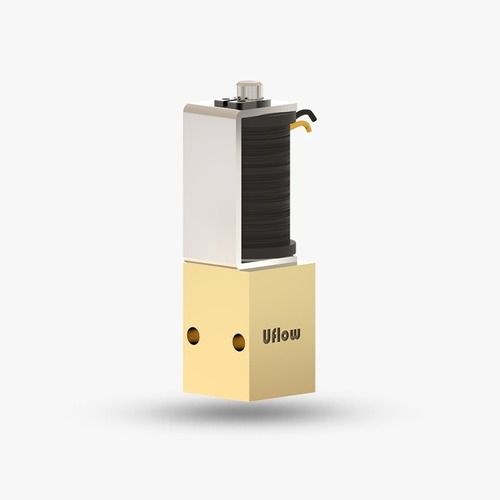
Tell us about your requirement

Price:
Quantity
Select Unit
- 50
- 100
- 200
- 250
- 500
- 1000+
Additional detail
Mobile number
Email

More Products in Solenoid Valve Category
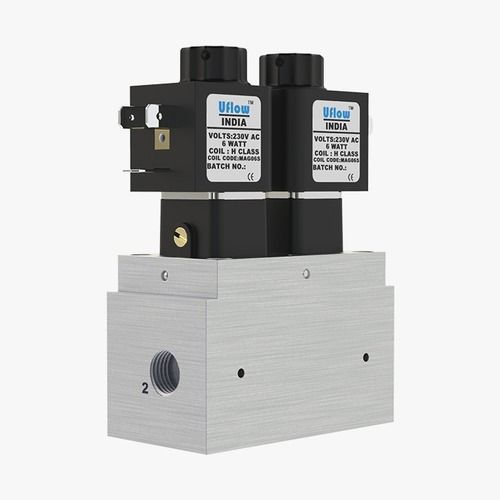
4x2 Double Solenoid Valve
Price 15000 INR / Number
Minimum Order Quantity : 1 Unit
Port Size : 1/4 inch
Material : Aluminum body Stainless steel components
Media : Compressed air, Other
Structure : 4x2 valve structure, Other
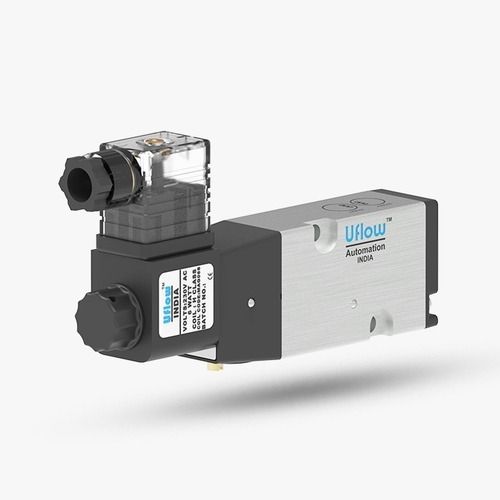
3 2 5 2 Single Solenoid Namur Valve With Spring Return
Price 15000 INR / Number
Minimum Order Quantity : 1 Unit
Port Size : NAMUR standard
Material : Aluminium body
Media : Other, Filtered compressed air
Structure : Other, Spool type, NAMUR mounting

Angle Seated Valve With Plastic Actuator Operated (NC/NO/ Double Acting
Price 15000 INR / Number
Minimum Order Quantity : 1 Unit
Port Size : Various sizes available details as per specification
Material : Stainless Steel Body Plastic Actuator
Media : Liquids Gases Steam, Other
Structure : Angle seated structure, Other
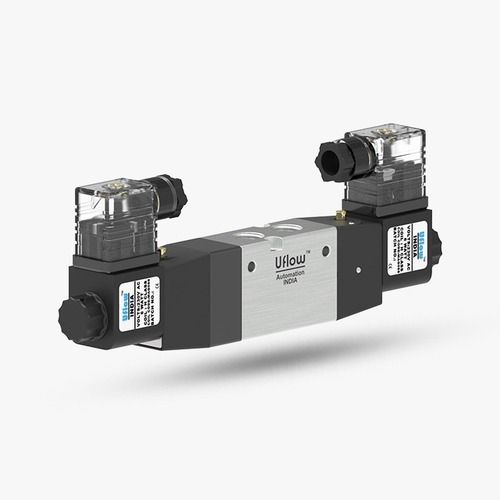
5/3 Double Solenoid Valve With Spring Center
Price 20000 INR / Number
Minimum Order Quantity : 1 Unit
Port Size : 1/4\
Material : Aluminum and engineering plastic
Media : Other, Compressed air
Structure : Compact modular design, Other

 Send Inquiry
Our Products
- Needle Valve
- Ball Valve
- Globe Valve
- Gate Valve
- Y Type Strainer
- Piston Valve
- Check Valve
- Sight Glass
- Butterfly Valve
- Swing Check Valve
- Damper Valve
- Basket Strainer
- Pressure Reducing Valve
- Double Block Bleed Valve
- Moisture Separator
- Forged Valve
- Diaphragm Valve
- Mini Ball Valve
- Forbes Marshall PRV
- T Type Strainer
- Plug Valve
- Blow Down Valve
- Air Valve
- Non Return Valve
- Safety Valve
- Steam Trap
- Gasket
- L&T Ball Valve
- L&T Butterfly Valve
- AUDCO Ball Valve
- SPIRAX Marshall PRV
- Solenoid Valve
- oxygen
- roto seal coupling
- straight union
- flow control
- ptfe sheets
- ptfe
- rubber products
- felt products
- Asbestos products
- Engineered plastics products
- rubber seals
- rubber gasket
- Sight Glasses
- Jacketed Valves
- flush bottom valve
- strainer
- Sluice Gate Valve
- Slab Gate Valve
- PTFE Lined Valve
- PTFE Lined Valves


416,417 4th Floor, A Block Safal 8, Ajit Mill, Cross Rd, Rakhial,Ahmedabad - 380023, Gujarat, India

Mr Shakir Ansari
(Director)
Mobile :08071780343
 Send Inquiry
 Send SMS
 Call Me Free
Developed and Managed by Infocom Network Private Limited.
