
Call us now :08071780343
 Send Inquiry
 Send Inquiry
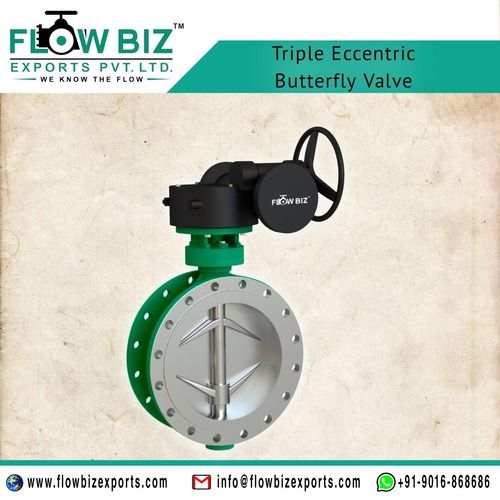
Triple Eccentric Butterfly Valve
Price 3000 INR/ Unit
MOQ : 1 Number
Triple Eccentric Butterfly Valve Specification
- Connection
- Flanged, Lug, Wafer
- Valve Type
- Triple Eccentric Butterfly Valve
- Material
- Carbon Steel / Stainless Steel / Alloy Steel
- Power Source
- Manual, Pneumatic, Electric, Hydraulic
- Pressure
- Class 150/300/600, PN10/16/25/40, up to 100 bar
- Media
- Water, Oil, Gas, Chemicals, Steam
- Working Temperature
- -29C to +425C (Depending on Material)
- Port Size
- DN50 DN2000 (2 80) or Customized
- Shape
- Wafer / Lug / Double Flanged
- Face to Face
- API 609, EN 558
- Seat Material
- Metal Seated, Laminated Seat
- Body Coating
- Epoxy Painted / Polyurethane / Customized
- Application
- Refinery, Petrochemical, Oil & Gas, Power Plants, Water Treatment
- Operation
- Lever, Gear, Actuator Operated
- Testing Standard
- API 598, EN 12266
- End Connection Standard
- ASME B16.5, EN 1092
- Design Standard
- API 609 / EN 593 / ASME B16.34
- Shaft Material
- AISI 410 / 17-4PH / Duplex Stainless Steel
- Leakage Class
- Zero Leakage, Bubble Tight
- Disc Material
- Stainless Steel / Duplex / Monel / Customized
Triple Eccentric Butterfly Valve About
FlowBiz Exports Pvt Ltd is a High Quality Triple-eccentric butterfly valves Manufacturer in Mumbai, Maharashtra, India. We are a leading manufacturer of Triple-eccentric butterfly valves in Mumbai and nearby areas.
Triple offset butterfly valves, or triple eccentric butterfly valves, have three offsets. Two of these apply to the location of the shaft in relation to the Centre line of the bore and the Centre line of the seat sealing surfaces. The third offset is the design in the axis of the seat cone angle. Since coming to market more than 50 years ago, triple offset valves have continued to evolve, as have their applications across various industries.
Application:
Triple-eccentric butterfly valves are industrial valves, which are designed to fully open or close a passage of the working medium flowing through a pipeline. They can also be used for flow-control purposes. However, a 100% tightness of the valve cannot be guaranteed in a long-term use for control purposes.
Product Details:
Brand - FlowBiz
Range - 50 NB to 350 NB
Body / Port Style - Wafer / Lug
Rating - 16 bar
Material - Cast Iron / Carbon Steel
Exceptional Sealing and Leakage Control
Designed for zero leakage and bubble-tight shutoff, Triple Eccentric Butterfly Valves utilize a unique disc geometry and precision-engineered seats. These features ensure reliable and safe operation in critical applications that demand utmost tightness, conforming to API 598 and EN 12266 testing standards, making them the go-to choice where leak prevention is paramount.
Versatile Materials and Customization
These valves offer extensive customization in disc and shaft materials, including stainless steel, duplex, Monel, and various alloys. Seat selections like metal seated or laminated options enhance media compatibility and long-term durability. Tailored body coatings such as epoxy paint and polyurethane provide added protection, enabling the valves to withstand corrosive or aggressive environments.
Advanced Operational Flexibility
Triple Eccentric Butterfly Valves provide multiple control options-manual levers, gear operators, or actuators (pneumatic, electric, hydraulic)-to suit varied automation and process requirements. Available in wafer, lug, and double flanged shapes with standard flanged connections, they simplify integration into both new and existing pipelines for broad application in refining, water treatment, and energy sectors.
FAQ's of Triple Eccentric Butterfly Valve:
Q: How does a triple eccentric butterfly valve achieve zero leakage performance?
A: The triple eccentric design offsets the disc and shaft in three ways, eliminating friction between the seat and disc during operation. This ensures a bubble-tight shutoff and zero leakage as required by API 598 and EN 12266 standards, making these valves ideal for critical isolation in various industrial applications.Q: What industries typically use triple eccentric butterfly valves and why?
A: These valves are widely used in oil & gas, refinery, petrochemical, power plant, and water treatment projects due to their robust construction, resistance to corrosive media, precise shutoff, and adaptability to high-pressure and high-temperature environments.Q: Where can the triple eccentric butterfly valve be installed within a plant?
A: Triple eccentric butterfly valves are suitable for installation in pipelines handling water, oil, gas, chemicals, or steam, in both onshore and offshore environments. With options like wafer, lug, or double flanged shapes, they can be integrated at main line isolations, process control points, or critical shutdown systems.Q: What materials are available for the disc and shaft of the valve?
A: Disc materials include stainless steel, duplex, Monel, or custom alloys, while shafts can be fabricated from AISI 410, 17-4PH, or duplex stainless steel. This ensures chemical compatibility, mechanical strength, and optimal performance across a range of process media.Q: How are triple eccentric butterfly valves operated and automated?
A: The valves can be operated manually with levers or gear operators, or automatically with pneumatic, electric, or hydraulic actuators. This flexibility allows users to select the most appropriate actuation method to fit their system's automation level and safety requirements.Q: What is the process for selecting the correct valve configuration for an application?
A: Selection considerations include media type, pressure class (150/300/600, PN10/16/25/40), temperature (-29C to +425C), end connection standard (ASME B16.5, EN 1092), and installation requirements such as face-to-face dimensions or operational preferences. Consulting application data ensures optimal valve performance and longevity.Q: What are the main benefits of using a triple eccentric butterfly valve over conventional designs?
A: Key benefits include zero leakage shutoff, high-pressure and temperature capability, reduced seat wear due to non-rubbing opening and closing, broad material selection for corrosive or hazardous media, and ease of maintenance, making them a cost-effective choice for critical isolation and control.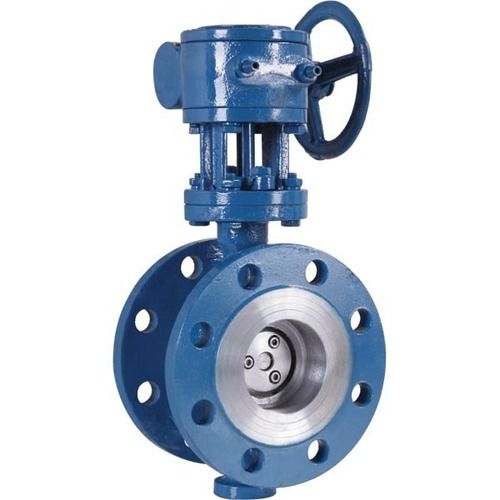
Tell us about your requirement

Price:
Quantity
Select Unit
- 50
- 100
- 200
- 250
- 500
- 1000+
Additional detail
Mobile number
Email

More Products in Butterfly Valve Category
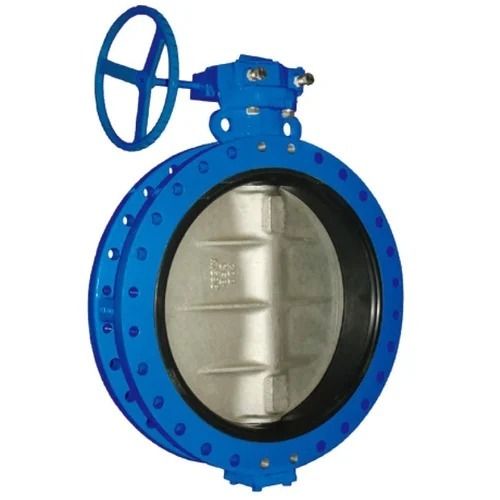
Concentric Butterfly Valve
Price 7000 INR / Unit
Minimum Order Quantity : 1 Number
Material : Other, Cast Iron / Ductile Iron
Power Source : Other, Manual / Electric / Pneumatic Actuation
Shape : Round / Wafer Type
Pressure : Other, PN10 / PN16 / 150 PSI
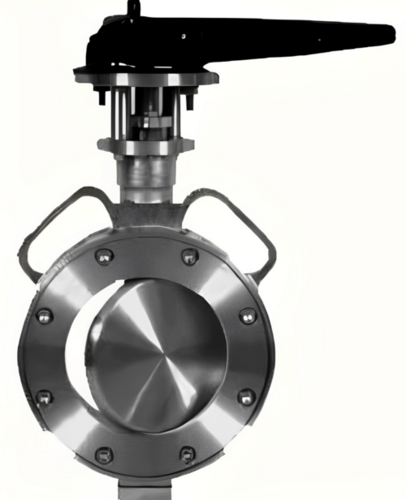
Industrial Spherical Disc Butterfly Valve
Price 800.0 INR / Number
Minimum Order Quantity : 1 Number
Material : Stainless Steel
Power Source : Manual
Shape : Round
Pressure : Medium Pressure
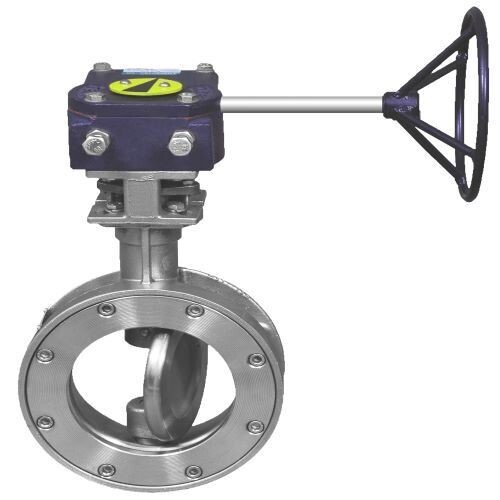
Spherical Disc Butterfly Valve
Price 1500.00 INR / Unit
Minimum Order Quantity : 1 Number
Material : Stainless Steel
Power Source : Manual
Shape : Round
Pressure : High Pressure
Triple Offset Butterfly Valve
Price 6000 INR / Unit
Minimum Order Quantity : 1 Number
Material : Stainless Steel
Power Source : Manual
Shape : Round
Pressure : High Pressure

 Send Inquiry
Our Products
- Needle Valve
- Ball Valve
- Globe Valve
- Gate Valve
- Y Type Strainer
- Piston Valve
- Check Valve
- Sight Glass
- Butterfly Valve
- Swing Check Valve
- Damper Valve
- Basket Strainer
- Pressure Reducing Valve
- Double Block Bleed Valve
- Moisture Separator
- Forged Valve
- Diaphragm Valve
- Mini Ball Valve
- Forbes Marshall PRV
- T Type Strainer
- Plug Valve
- Blow Down Valve
- Air Valve
- Non Return Valve
- Safety Valve
- Steam Trap
- Gasket
- L&T Ball Valve
- L&T Butterfly Valve
- AUDCO Ball Valve
- SPIRAX Marshall PRV
- Solenoid Valve
- oxygen
- roto seal coupling
- straight union
- flow control
- ptfe sheets
- ptfe
- rubber products
- felt products
- Asbestos products
- Engineered plastics products
- rubber seals
- rubber gasket
- Sight Glasses
- Jacketed Valves
- flush bottom valve
- strainer
- Sluice Gate Valve
- Slab Gate Valve
- PTFE Lined Valve
- PTFE Lined Valves


416,417 4th Floor, A Block Safal 8, Ajit Mill, Cross Rd, Rakhial,Ahmedabad - 380023, Gujarat, India

Mr Shakir Ansari
(Director)
Mobile :08071780343
 Send Inquiry
 Send SMS
 Call Me Free
Developed and Managed by Infocom Network Private Limited.
