
Call us now :08071780343
 Send Inquiry
 Send Inquiry
PTFE Sleeved Plug Valves
Price 6000 INR/ Unit
MOQ : 1 Number
PTFE Sleeved Plug Valves Specification
- Sealing
- PTFE (Teflon) sleeve ensures bubble-tight sealing
- Connection
- Flanged ends (ANSI, DIN, JIS standards possible)
- Application
- Chemical, Petrochemical, Pharmaceutical, Food & Beverage, Water Treatment
- Size
- DN15 to DN200 (1/2 to 8)
- Material
- Body: Cast Iron/Carbon Steel/Stainless Steel; Sleeve: PTFE (Polytetrafluoroethylene)
- Valve Structure
- 2-way plug valve with PTFE sleeve lining
- Media
- Water, Oil, Gas, Acid, Alkali, Corrosive fluids
- Temperature of Media
- -29C to 180C
- Weight
- Varies by size; approx 3 kg to 30 kg
- Dimension (L*W*H)
- Dimensions depend on nominal size, typically from DN15DN200
- Power Mode
- Manual (Lever or Gear operated)
- Operation
- Quarter-turn (90 rotation)
- Fire Safe Design
- Available on request
- Face-to-Face Dimension
- As per ASME B16.10/DIN 3202 standards
- Design Standard
- API 599 / BS 5353 / DIN EN 12266-1
- Leakage Class
- Class VI bubble tight
- Port Design
- Full port (full bore) construction
- End Flange Drilling
- ANSI B16.5 / DIN / JIS available
- Corrosion Resistance
- Excellent due to PTFE lining
- Plug Material
- Stainless steel, fully encapsulated in PTFE
- Operating Pressure
- Up to 16 bar (232 psi)
- Handle Type
- Detachable steel lever or hand wheel for gear type
- Maintenance
- Low, due to non-lubricated design
- Anti-Blowout Stem
- Yes, standard design
PTFE Sleeved Plug Valves About
FLOWBIZPTFE Sleeved Plug ValvesThe barrier fit of the taper plug with the PTFE sleeve produces a bubble-tight seal. Sleeve wrapping of the plug and sealing occur around the circumference of the pin. The purity of the seal is autonomous by line pressure.
The rugged construction, reliable bubble-tight sealing, and in-situ maintenance feature make the valve perfect for chemicals and highly aggressive process media.
Sizes: 15mm to 300mm
Class: 150, 300 and 300
Compliance Standards
Valve Design: ASME B16.34, EN12516-2
Wall Thickness: ANSI B16.34
Face-to-Face: ASME B16.10, ASME B16.11
Flange Dimensions: ANSI B16.5
Pressure Testing: API 598
Fire Test: API 607
Industries:
Fertilizers
Chemicals
Oil & Gas
Refineries
Paper & Pulp
Metals & Mining
Sugar
Food & Pharma
Distilleries
Power
Water & Waste Water
Applications:
Phosphate, Ammonia & Urea
Sulphuric Acid, Phosphoric Acid
Chemicals, Aromatics & Specialty Chemicals
Steel, Copper, Aluminum, Cobalt & Steel plants
Molten Sulphur
Pipelines, Supply & Distribution Skids
Superior Corrosion Resistance
PTFE sleeved plug valves are manufactured to withstand highly corrosive fluids, ensuring long-lasting protection and minimal degradation from chemicals, acids, or alkalis. The PTFE lining inside the valve effectively isolates the metallic plug and body, preventing direct contact with aggressive media and significantly extending valve life in harsh operational environments.
Reliable Bubble-Tight Sealing
With Class VI bubble-tight sealing achieved by a PTFE sleeve, these plug valves provide secure shutoff for applications requiring zero leakage. The sealing performance is consistent across a wide range of pressures and temperatures, guaranteeing safety and process integrity in critical systems. This reliability is vital for industries where safety and cleanliness are priorities.
Low Maintenance Operation
The PTFE sleeved, non-lubricated design drastically reduces maintenance needs, eliminating routine lubrication while sustaining smooth operation. The valve's robust construction and anti-blowout stem ensure operational safety, and the detachable handle or gear-operated handwheel offers convenient manual control. This makes it an efficient choice for facilities seeking reduced downtime and cost-effective maintenance.
FAQ's of PTFE Sleeved Plug Valves:
Q: How does the PTFE sleeved plug valve protect against corrosion in chemical processing?
A: The PTFE lining fully encapsulates the plug and sleeve, creating a chemically inert barrier that prevents corrosive media from contacting the internal metal surfaces, ensuring durability and consistent performance in harsh chemical environments.Q: What media can be safely handled with these PTFE sleeved plug valves?
A: These plug valves are suitable for a broad range of fluids, including water, oil, gas, acids, alkalis, and corrosive chemicals, making them versatile for various industrial processes such as chemical, pharmaceutical, food, and water treatment applications.Q: When should I consider a fire safe design for a PTFE sleeved plug valve?
A: A fire safe design is recommended for installations where exposure to fire hazards is possible or where strict safety regulations demand it. Fire safe options are available upon request to fulfill elevated safety standards.Q: Where are these valves typically installed in process plants?
A: PTFE sleeved plug valves are commonly installed in pipelines, storage tanks, process reactors, and distribution manifolds within chemical, petrochemical, pharmaceutical, and water treatment plants, wherever leak-tight isolation of corrosive or hazardous fluids is required.Q: How is the valve operated and maintained?
A: Operation is manual, achieved by quarter-turn lever or gear-driven handwheel, ensuring fast open/close cycles. Maintenance is minimal due to the PTFE sleeve's non-lubricated design, but periodic inspection is recommended for optimal performance in demanding environments.Q: What benefit does the full port construction provide to users?
A: Full port designs allow unrestricted flow, reducing pressure drop and enabling efficient transfer of media. This makes these valves ideal for high-flow processes where minimizing energy loss and maintaining throughput is critical.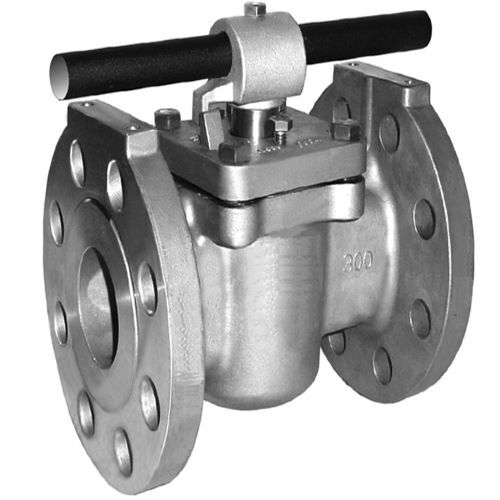
Tell us about your requirement

Price:
Quantity
Select Unit
- 50
- 100
- 200
- 250
- 500
- 1000+
Additional detail
Mobile number
Email

More Products in Plug Valve Category
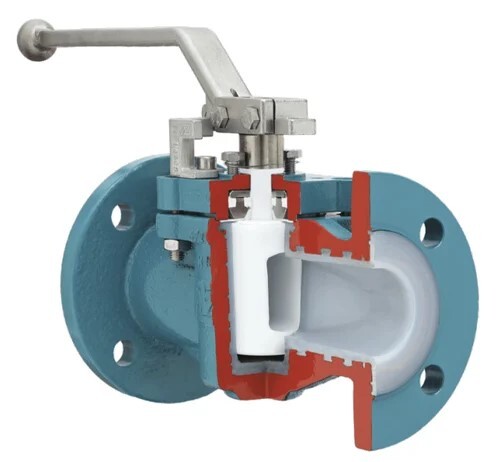
PTFE Lined Plug Valve
Price 2500.0 INR / Unit
Minimum Order Quantity : 1 Unit
Application : Chemical, Petrochemical, and Industrial Process Industries
Size : Standard Sizes
Power Mode : Manual
Material : Stainless Steel

Non Lubricated Plug Valves
Price 5000 INR / Unit
Minimum Order Quantity : 1 Number
Application : Process Industries, Water Treatment, Petrochemical, Oil & Gas
Size : 1/2 to 12 (DN15 to DN300)
Power Mode : Other, Manual, Pneumatic, Electric
Material : Other , Carbon Steel, Stainless Steel, Ductile Iron
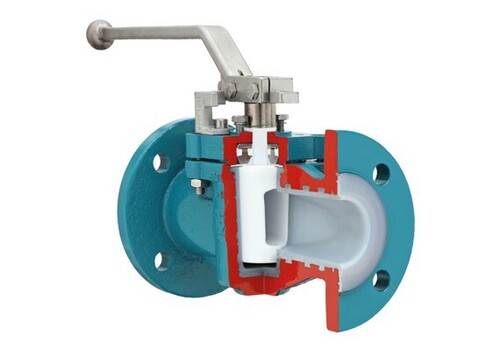
FEP/PTFE Lined Plug Valve
Price 2400.0 INR / Unit
Minimum Order Quantity : 1 Unit
Application : Industrial
Size : 1/2" to 12"
Power Mode : Manual
Material : Ductile Iron
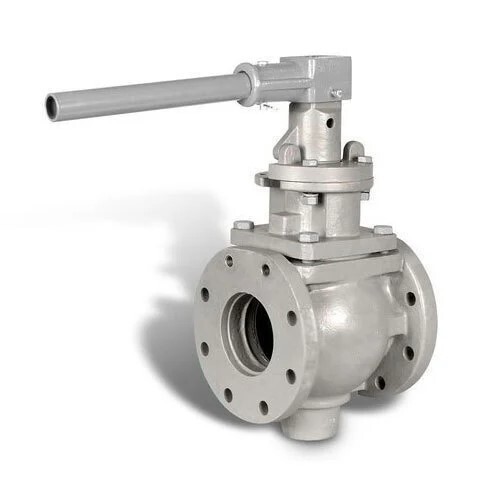
Plug Valve Manufacturer
Price 800.0 INR / Set
Minimum Order Quantity : 1 Set
Application : Industrial
Size : 25 mm
Power Mode : Manual
Material : Cast Iron

 Send Inquiry
Our Products
- Needle Valve
- Ball Valve
- Globe Valve
- Gate Valve
- Y Type Strainer
- Piston Valve
- Check Valve
- Sight Glass
- Butterfly Valve
- Swing Check Valve
- Damper Valve
- Basket Strainer
- Pressure Reducing Valve
- Double Block Bleed Valve
- Moisture Separator
- Forged Valve
- Diaphragm Valve
- Mini Ball Valve
- Forbes Marshall PRV
- T Type Strainer
- Plug Valve
- Blow Down Valve
- Air Valve
- Non Return Valve
- Safety Valve
- Steam Trap
- Gasket
- L&T Ball Valve
- L&T Butterfly Valve
- AUDCO Ball Valve
- SPIRAX Marshall PRV
- Solenoid Valve
- oxygen
- roto seal coupling
- straight union
- flow control
- ptfe sheets
- ptfe
- rubber products
- felt products
- Asbestos products
- Engineered plastics products
- rubber seals
- rubber gasket
- Sight Glasses
- Jacketed Valves
- flush bottom valve
- strainer
- Sluice Gate Valve
- Slab Gate Valve
- PTFE Lined Valve
- PTFE Lined Valves


416,417 4th Floor, A Block Safal 8, Ajit Mill, Cross Rd, Rakhial,Ahmedabad - 380023, Gujarat, India

Mr Shakir Ansari
(Director)
Mobile :08071780343
 Send Inquiry
 Send SMS
Developed and Managed by Infocom Network Private Limited.
