
Call us now :08071780343
 Send Inquiry
 Send Inquiry
PTFE Lined Valve Manufacturer in Mehsana
Price 2000 INR/ Unit
MOQ : 1 Number
PTFE Lined Valve Manufacturer in Mehsana Specification
- Valve Size
- 15mm to 300mm
- Control System
- Manual, pneumatic, electric actuator compatible
- Valve Type
- PTFE lined valve
- Connection Type
- Flanged, wafer, screwed end
- Material
- Cast Iron / Ductile Iron / Stainless Steel with PTFE lining
- Features
- Corrosion resistance, zero leakage, easy maintenance, long service life
- Voltage
- 24V / 220V for actuator type
- Application
- Chemical processing, pharmaceutical, water treatment, oil & gas, corrosive environments
- Sealing
- High-integrity PTFE lining, bubble-tight
- Structure
- Body lined with PTFE, full port, robust design
- Type
- Butterfly, ball, plug, globe, diaphragm valve
- Power
- Manual / Actuated
- Pressure
- Up to 10 bar
- Media
- Acids, alkalis, solvents, gases, water, steam
- Port Size
- DN15 to DN300
- Temperature
- -20°C to +180°C
- Disc
- PTFE lined disc for maximum chemical resistance
- Pin
- Stainless steel, precision-engineered for durability
- Shell Test Pressure
- 1.5 times design pressure
- Lining Thickness
- 3-5 mm minimum
- Coating
- Epoxy powder coated body for durability
- Design Pressure
- PN10 / PN16
- Operation Method
- Lever, gear, pneumatic/electric actuator
- Stem Material
- SS 304 / SS 316
- Compliance
- ISO, API, and CE certified
- Service Life
- More than 5 years under normal operating conditions
- End Connection Standard
- ANSI, DIN, BS standards available
- Flow Characteristics
- Full bore for maximum flow efficiency
- Seat Leakage Class
- Class VI
- Face-to-Face Dimension
- Complies with international standards
- Maintenance
- Easy replacement of inserts and seals
PTFE Lined Valve Manufacturer in Mehsana About
What is a PTFE-lined valve?
We are one of India's leading manufacturers, suppliers, and exporters of high-quality PTFE-lined valves. PTFE-lined valves ensure incredibly high chemical resistance and longevity. They can be widely used in corrosive applications in the chemical, electric machinery, pharmaceutical, petrochemical, fertilizer, pulp and paper, and metallurgical industries.
FlowBiz Export Private Limited is a renowned manufacturer and supplier of PTFE Lined Manufacturer in Mehsana, India. FlowBiz has established itself as a trusted name in the valve manufacturing industry with a strong focus on quality, innovation, and customer satisfaction.
Advanced Engineering for Maximum Chemical Resistance
PTFE lined valves from our Mehsana facility are meticulously designed to handle acids, alkalis, solvents, gases, water, and steam. The full bore structure, PTFE lined body and disc, and bubble-tight sealing provide optimal flow efficiency and maximum corrosion resistance, even at temperatures ranging from -20C to +180C and pressures up to 10 bar. Each valve meets the strictest global standards.
Flexible End Connection and Operation Options
Our valves are compatible with various end connection standards, including ANSI, DIN, and BS, and are available in flanged, wafer, or screwed ends. You can choose the operation to suit your control needs: manual lever, gear, pneumatic, or electric actuators (24V/220V). This ensures versatility in installation and seamless integration with existing systems.
Durability and Ease of Maintenance
Epoxy powder coated bodies provide enduring protection against harsh chemicals and environmental factors. Maintenance is straightforward due to the design that allows easy replacement of inserts and seals. The use of stainless steel pins and stem (SS 304/SS 316) further enhances longevity, offering consistent performance with minimal downtime.
FAQ's of PTFE Lined Valve Manufacturer in Mehsana:
Q: How do PTFE lined valves ensure zero leakage in corrosive environments?
A: PTFE lined valves feature a high-integrity lining and bubble-tight sealing, which isolates process media from the valve body. This design eliminates leaks and offers reliable containment of corrosive fluids including acids, alkalis, and solvents, complying with Class VI seat leakage standards.Q: What end connection standards are available for these valves?
A: Our PTFE lined valves are manufactured to meet ANSI, DIN, and BS end connection standards. You can select from flanged, wafer, or screwed end types, ensuring compatibility with international piping systems.Q: When should the inserts and seals in these valves be replaced?
A: Inserts and seals should be inspected during routine maintenance and replaced if there is visible wear or a decline in sealing performance. With normal operating conditions, these components typically last more than 5 years before requiring replacement.Q: Where can PTFE lined valves be used?
A: These valves are ideal for chemical processing, pharmaceuticals, water treatment, oil and gas, and any application involving corrosive media or aggressive environments. Their robust design supports both industrial and institutional installations.Q: What is the recommended process for installing a PTFE lined valve?
A: Installation should follow standard piping procedures, adhering to international face-to-face dimension standards. Ensure alignment with the chosen end connection type (flanged, wafer, or screwed), and select the appropriate actuator or manual control system as needed.Q: How does the PTFE lining benefit operation and service life?
A: PTFE premium lining provides outstanding chemical resistance, ensuring the valve maintains structural integrity and functionality, even with aggressive media. This contributes to long service life and reliable, maintenance-friendly operation.Q: What operation methods are available and what are their advantages?
A: You can operate these valves manually (lever/gear) or automate them using pneumatic or electric actuators (24V/220V). Manual operation suits simpler systems, while actuators provide precision control, especially for large, remote, or highly automated processes.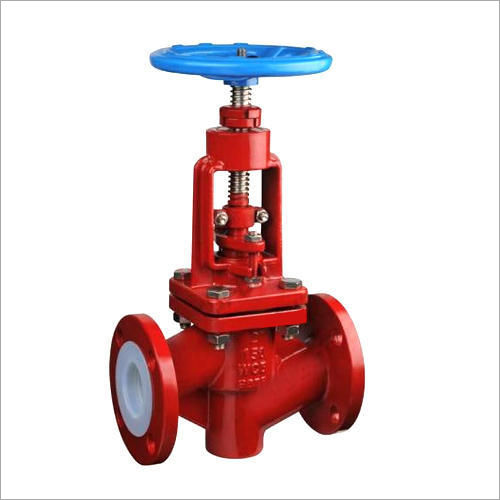
Tell us about your requirement

Price:
Quantity
Select Unit
- 50
- 100
- 200
- 250
- 500
- 1000+
Additional detail
Mobile number
Email

More Products in PTFE Lined Valves Category
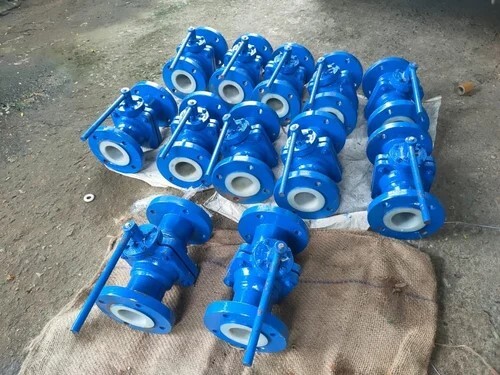
PTFE Lined Ball Valve
Price 2600 INR / Unit
Minimum Order Quantity : 1 Number
Connection Type : Flanged Ends
Valve Type : Ball Valve
Type : PTFE Lined Ball Valve
Disc : Solid Ball

 Send Inquiry
Our Products
- Needle Valve
- Ball Valve
- Globe Valve
- Gate Valve
- Y Type Strainer
- Piston Valve
- Check Valve
- Sight Glass
- Butterfly Valve
- Swing Check Valve
- Damper Valve
- Basket Strainer
- Pressure Reducing Valve
- Double Block Bleed Valve
- Moisture Separator
- Forged Valve
- Diaphragm Valve
- Mini Ball Valve
- Forbes Marshall PRV
- T Type Strainer
- Plug Valve
- Blow Down Valve
- Air Valve
- Non Return Valve
- Safety Valve
- Steam Trap
- Gasket
- L&T Ball Valve
- L&T Butterfly Valve
- AUDCO Ball Valve
- SPIRAX Marshall PRV
- Solenoid Valve
- oxygen
- roto seal coupling
- straight union
- flow control
- ptfe sheets
- ptfe
- rubber products
- felt products
- Asbestos products
- Engineered plastics products
- rubber seals
- rubber gasket
- Sight Glasses
- Jacketed Valves
- flush bottom valve
- strainer
- Sluice Gate Valve
- Slab Gate Valve
- PTFE Lined Valve
- PTFE Lined Valves


416,417 4th Floor, A Block Safal 8, Ajit Mill, Cross Rd, Rakhial,Ahmedabad - 380023, Gujarat, India

Mr Shakir Ansari
(Director)
Mobile :08071780343
 Send Inquiry
 Send SMS
Developed and Managed by Infocom Network Private Limited.
