
Call us now :08071780343
 Send Inquiry
 Send Inquiry
Non Return Valve Introduction
Price 1500 INR/ Unit
MOQ : 1 Number
Non Return Valve Introduction Specification
- Application
- Process Industries like-Chemical, Power, Refinery, Petrochemicals, Nuclear, Water
- Media
- Water
- Port Size
- Customized as per requirement
- Color
- Silver, Blue
- Temperature
- Up to 200°C Celsius (oC)
- Disc
- SS 304
Non Return Valve Introduction About
FlowBiz non-return valve, also known as a check valve. Our Valve is organized to allow fluid to flow in one direction only, preventing the liquid or gas from flowing upstream of the Valve. In this guide, we look at how a non-return valve operates and what a non-return valve is used for, including some of the applications in which you might find one.
Our non-return Valve is a single-way valve that allows the fluid to flow only in one direction. The main volume of non-return valves is their working of allowing flow in the downstream direction and preventing the flow in the upstream direction.
How does a non-return valve work?
A non-return valve usually has only two openings in the body, with a closing member between them. When the fluid enters the Valve, its pressure opens the closing mechanism. If the fluid attempts to flow back through the Valve in the wrong direction, the closing member is forced back over the entrance of the Valve, preventing any flow.
Non-return valves work automatically, which means that most are not controlled by a person or an external control but by the media flow itself. Depending on exactly what a non-return valve is used for, where it is used, the media flow, and the budget available, there are various types of designs to select from according to the specific application. Types of non-return valves include those designed using a diaphragm, a swing or tilting disc, a stop, a lift, or a ball non-return valve.
Precision Engineering for Industrial Needs
Our Non Return Valve is crafted with industrial-grade stainless steel (SS 304) discs, providing superior resistance to corrosion and wear. Suitable for handling water and a range of process fluids, the valve is optimized for service in demanding sectors such as chemicals, petrochemicals, and nuclear plants. The customized port sizing enhances installation flexibility to accommodate unique system demands.
Versatile Application Across Sectors
Trusted across multiple industries, including refineries, power plants, and water processing, our Non Return Valve supports efficient and safe process flow. Its high-temperature tolerance-up to 200C-expands its application range. Both silver and blue color options reflect standard industrial colors, aiding in line identification.
FAQ's of Non Return Valve Introduction:
Q: How does a Non Return Valve function in process industries?
A: A Non Return Valve allows fluid, such as water, to flow in one direction only, preventing backflow and potential contamination. This is crucial in process industries where reversing flow can disrupt operations or damage equipment.Q: What are the main benefits of using this valve in chemical, power, and refinery applications?
A: Utilizing this Non Return Valve enhances operational safety by preventing backflow. Its robust SS 304 disc ensures corrosion resistance and durability, which is especially important in corrosive or high-temperature environments found in chemical, power, and refinery processes.Q: When is the Non Return Valve typically installed within a process system?
A: Non Return Valves are generally installed where unidirectional flow is necessary-such as at pump outlets, process lines, or at junctions between storage and process vessels-ensuring that the process media does not return or contaminate upstream sources.Q: Where can this Non Return Valve be effectively utilized apart from water lines?
A: Apart from water lines, the valve is suitable for a variety of process fluids commonly found in chemicals, petrochemicals, nuclear, and power sectors. Its high-temperature capability up to 200C allows safe operation in hot process streams.Q: What makes this Non Return Valve suitable for high-temperature process streams?
A: The valve features a design capable of withstanding temperatures up to 200Celsius. The SS 304 disc provides strength and thermal stability, making it reliable for both normal and high-temperature industrial applications.Q: How can port size customization benefit the installation process?
A: Customized port sizes ensure a perfect fit with existing piping or equipment, minimizing the need for additional adapters or modifications. This flexibility simplifies installation and integration into various process systems.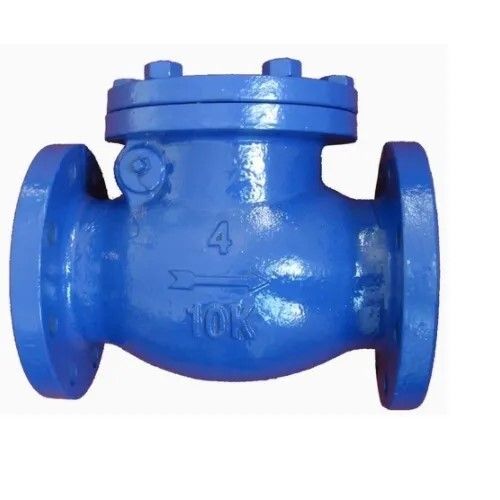
Tell us about your requirement

Price:
Quantity
Select Unit
- 50
- 100
- 200
- 250
- 500
- 1000+
Additional detail
Mobile number
Email

More Products in Non Return Valve Category
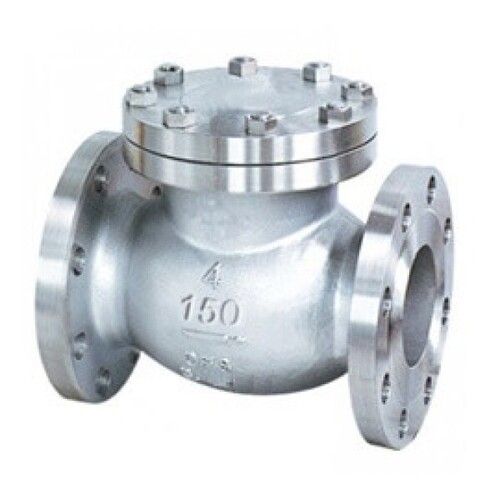
Non Return Valve Manufacturer in Kheda
Price 600 INR / Unit
Minimum Order Quantity : 1 Number
Application : Industrial Fluid Handling
Media : Other, Water, Oil, Gas
Temperature : 10C to 90C
Disc : Stainless Steel / Cast Iron

Non Return Valve Manufacturer in Amreli
Price 2000 INR / Unit
Minimum Order Quantity : 1 Number
Application : Industrial, Water, Oil, Gas
Media : Other, Water, Oil, Gas
Temperature : 10C to 100C
Disc : Stainless Steel
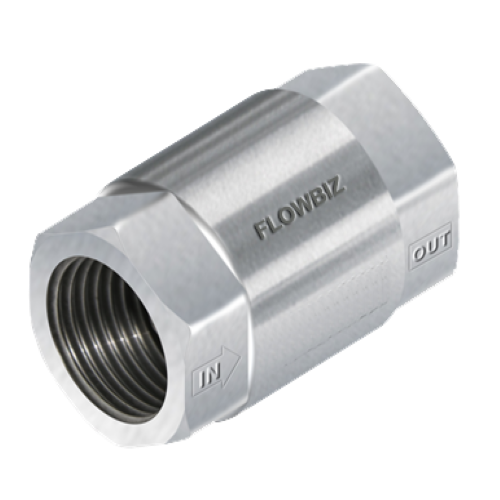
Inline NRV Manufacturer in Gandhinagar
Price 700 INR / Unit
Minimum Order Quantity : 1 Number
Application : Suitable for industrial fluid systems, water supply, oil, gas and air applications
Media : Other, Water, Oil, Gas, Air
Temperature : 10C to 90C
Disc : Stainless Steel/Brass
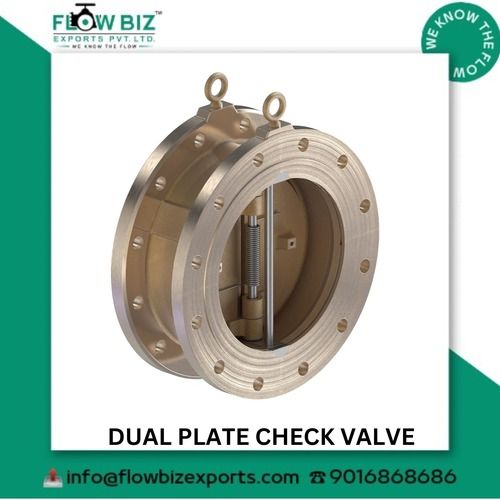
Dual Plate Check Valve
Price 500 INR / Unit
Minimum Order Quantity : 1 Unit
Application : Industrial
Media : Gas

 Send Inquiry
Our Products
- Needle Valve
- Ball Valve
- Globe Valve
- Gate Valve
- Y Type Strainer
- Piston Valve
- Check Valve
- Sight Glass
- Butterfly Valve
- Swing Check Valve
- Damper Valve
- Basket Strainer
- Pressure Reducing Valve
- Double Block Bleed Valve
- Moisture Separator
- Forged Valve
- Diaphragm Valve
- Mini Ball Valve
- Forbes Marshall PRV
- T Type Strainer
- Plug Valve
- Blow Down Valve
- Air Valve
- Non Return Valve
- Safety Valve
- Steam Trap
- Gasket
- L&T Ball Valve
- L&T Butterfly Valve
- AUDCO Ball Valve
- SPIRAX Marshall PRV
- Solenoid Valve
- oxygen
- roto seal coupling
- straight union
- flow control
- ptfe sheets
- ptfe
- rubber products
- felt products
- Asbestos products
- Engineered plastics products
- rubber seals
- rubber gasket
- Sight Glasses
- Jacketed Valves
- flush bottom valve
- strainer
- Sluice Gate Valve
- Slab Gate Valve
- PTFE Lined Valve
- PTFE Lined Valves


416,417 4th Floor, A Block Safal 8, Ajit Mill, Cross Rd, Rakhial,Ahmedabad - 380023, Gujarat, India

Mr Shakir Ansari
(Director)
Mobile :08071780343
 Send Inquiry
 Send SMS
 Call Me Free
Developed and Managed by Infocom Network Private Limited.
