
Call us now :08071780343
 Send Inquiry
 Send Inquiry
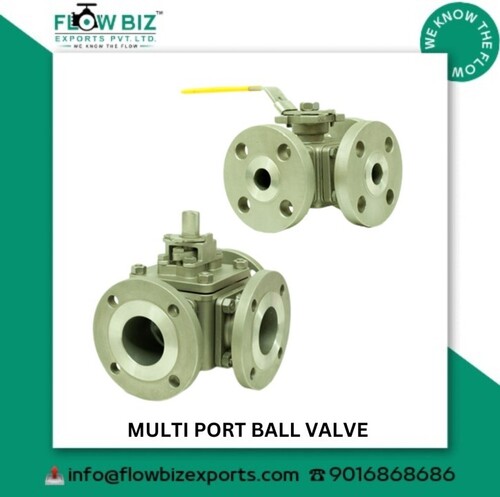
Precision Engineered Multi Port Ball Valve Manufacturer in Surat
Price 2500.0 INR/ Unit
MOQ : 1 Unit
Precision Engineered Multi Port Ball Valve Manufacturer in Surat Specification
- Caliber
- Standard
- Pressure
- PN16, PN25, PN40
- Connection
- Flanged / Screwed
- Structure
- Multi Port Ball Valve
- Channels
- 2 Way, 3 Way, 4 Way
- Material
- Stainless Steel, Cast Iron, Brass
- Power
- Manual
- Media
- Water, Oil, Gas
- Temperature of Media
- -10°C to 180°C
- Port Size
- 1/2 inch to 6 inch
- Flange
- ANSI, DIN, JIS Standard
- Finish
- Polished / Matt
- Application
- Industrial, Chemical, Petrochemical, Water Treatment
- Operation Type
- Quarter Turn
- Design Standard
- ASME B16.34
- Seat Material
- PTFE, RPTFE, Metal
- Ball Type
- Full / Reduced Bore
- Leakage Class
- Class VI
- Flow Control
- Excellent
- Body Material
- CF8, CF8M, WCB
- Testing Standard
- API 598 / ISO 5208
- Handle Type
- Lever / Gear Operated
- Packing Type
- Stem Packing / O-Ring
- Corrosion Resistance
- High
- Life Span
- Long Service Life
- End Connection
- Screwed, Flanged, Butt Weld
Precision Engineered Multi Port Ball Valve Manufacturer in Surat About
High-Performance Multi-Port (3-Way & 4-Way) Ball Valves | FlowBiz Valves
FlowBiz Valves is a premier, engineering-driven manufacturer, supplier, and global exporter of high-precision Multi-Port (3-Way and 4-Way) Ball Valves in India. Operating from our key heavy engineering and manufacturing hubsincluding Surat, Gujaratwe design and produce these advanced flow-routing systems to manage complex fluid logistics.
While traditional two-way valves only offer simple start-stop isolation, multi-port ball valves serve as highly efficient flow-distribution centers. By rotating a single internal ball featuring an integrated multi-channel bore, plant engineers can seamlessly divert, mix, blend, or completely bypass media streams. This multi-port capability allows a single valve to replace multiple individual standard valves and fittings, significantly minimizing installation footprints, cutting upfront procurement costs, and eliminating potential joint leak paths.
We maintain a highly responsive distribution matrix supplying critical process industries across India and global export markets, including:
-
Gujarat: Ahmedabad, Vapi, Valsad, Surat, Gandhidham, Kutch, Ankleshwar, Bharuch.
-
Maharashtra: Mumbai, Nashik, Pune, Thane, Aurangabad, Satara, Sangli, Nagpur, Kolhapur.
-
Pan-India Logistics Hubs: Indore, Dewas, Bhopal, Chennai, Coimbatore, Salem, and worldwide export loops.
Technical Specifications & Compliance Matrix
Our multi-port valve series is precision-machined from fully certified raw stock to satisfy rigid international safety and pressure compliance codes:
| Parameter | Technical Specification & Engineering Standards |
| Flow Configurations | Multi-channel 3-Way (L-Port / T-Port) and 4-Way (X-Port / Double L-Port) layouts |
| Pressure Class Envelopes | Fully rated for ASME Class 150, Class 300, PN16, PN25, and PN40 systems |
| Thermal Operating Range | Flawless physical stabilization from -25C to 180C |
| Bore Profiles | Full Bore (Unrestricted throughput) or Reduced Bore (Footprint optimized) |
| Isolation Integrity | ANSI/FCI 70-2 Leakage Class VI (Absolute bubble-tight containment) |
| Quality Verification Codes | 100% hydrostatically and pneumatically tested per API 598 and ISO 5208 |
| Casing Construction Alloys | Premium-grade Cast Stainless Steel (CF8 / SS304, CF8M / SS316) or Carbon Steel (WCB) |
| Sealing Trim Polymers | Premium Virgin PTFE, Reinforced RPTFE, or severe-service hard-faced Metal seats |
| Flange Compatibility | Universally adaptable to matching ANSI, DIN, and JIS flanging networks |
Strategic Multi-Port Routing Flow Geometries
Optimizing fluid handling requires selecting the exact internal ball geometry to match your piping framework's process flow diagram:
1. 3-Way Porting Configurations (L-Port vs. T-Port)
-
L-Port Design (Diverting Layout): Primarily used to divert flow from a single common inlet port to one of two separate outlet channels. Because it connects only two ports at any given time, it is ideal for process bypass lines or switching media lines between separate storage banks.
-
T-Port Design (Mixing & Distribution Layout): Highly versatile. It can connect all three ports simultaneously, allowing fluids from two separate lines to blend into a single stream. It can also act as a standard straight-through path while keeping a third auxiliary port open for venting, sampling, or pressure relief.
2. 4-Way Porting Configurations
4-way configurations feature four pipeline connections positioned around the valve body. By utilizing specialized internal ball channels (such as X-Port or Double L-Port configurations), a single quarter-turn movement can reverse fluid loops, isolate complex sampling grids, or route two independent process mediums simultaneously.
Strategic Design & Mechanical Engineering Features
1. Advanced Quarter-Turn Actuation
Manual line regulation is engineered for rapid and intuitive operation. Rotating the mechanism exactly a quarter-turn (90) executes an immediate change in the fluid path. This streamlined process reduces response time, minimizes plant downtime, and simplifies manual line control via ergonomic levers or mechanical gear-operated handles on larger valve sizes.
2. Full Bore vs. Reduced Bore Structural Flexibility
To balance fluid dynamics with project budget constraints, FlowBiz offers targeted bore profiles:
-
Full Bore Structure: The internal diameter of the flow path through the rotating ball perfectly matches the connected pipeline. This allows for unobstructed flow, minimizing fluid turbulence and keeping pressure drops near zeroideal for maintaining flow integrity in water treatment or high-velocity processing lines.
-
Reduced Bore Structure: Features a slightly smaller port size than the connected pipe diameter. This layout provides a more compact, lower-weight valve body at a reduced cost for applications where a minor pressure drop is acceptable.
3. High-Purity Resilient and Metal Seating Options
Achieving absolute leakage protection under fluctuating thermal loads requires matching the seat material to your process variables:
-
PTFE & RPTFE Seats: Reinforced polymers providing near-total chemical inertness, low breakout torque, and superior sealing quality for water, gases, solvents, and corrosive chemicals.
-
Severe-Service Metal Seats: Precision hard-faced metallic options engineered to handle high temperatures or abrasive suspended particles, preventing erosion and mechanical wear over a long lifecycle.
4. High Corrosion Resistance & Finish Passivations
To protect the raw metallurgy from aggressive chemical substances, volatile vapors, or outdoor weathering, our stainless steel and carbon steel castings receive meticulous polished or matt surface finishes. This specialized surface passivation prevents chemical corrosion and environmental degradation, leading to fewer maintenance interventions, reduced downtime, and an extended service life.
                          FlowBiz Material Matrix


 Stainless Steel            Stainless Steel              Carbon Steel
   CF8 / SS304                CF8M / SS316                   WCB


  Excellent for general        Superior resistance to       High structural strength
  corrosive service and        pitting, organic acids,      for high-pressure oil,
  standard utilities.          and harsh chlorides.         gas, and steam lines.
Frequently Asked Questions (FAQs)
Q: How do multi-port ball valves ensure high leakage protection in industrial applications?
A: Multi-port ball valves manage fluid pressure across multiple port interfaces simultaneously, making precision sealing critical. FlowBiz multi-port valves are engineered and tested to comply with strict Leakage Class VI standards, ensuring zero fluid migration past the seats under testing conditions. The precision-machined seatsmade from PTFE, RPTFE, or hard-faced metalmaintain a tight mechanical seal even under fluctuating pressure and high-temperature conditions to guarantee reliable containment.
Q: What is the standard testing process for these multi-port valves before shipping?
A: Every individual valve undergoes a rigorous quality verification sequence at our facility before dispatch clearance. This process includes comprehensive pressure, seat leakage, and operational torque testing in strict accordance with API 598 and ISO 5208 standards. This rigorous testing ensures that each valve body can safely contain maximum working pressures (such as Class 150/300 or PN16PN40) and delivers reliable field performance.
Q: Where are these multi-port ball valves most commonly installed?
A: Thanks to their robust construction and multi-standard connectivity, our valves are widely installed across chemical processing units, petrochemical refineries, industrial plants, pharmaceutical skids, and municipal water treatment facilities. Their high corrosion resistance and flexible porting configurations make them ideal for handling diverse media like water, oil, and gas under varying pressures.
Q: Why choose FlowBiz as your long-term multi-port ball valve partner?
A: FlowBiz Exports balances advanced industrial engineering with strict compliance to global validation benchmarks like API 598, ASME B16.34, and ISO 5208. By utilizing traceable, premium material grades (CF8, CF8M, WCB), offering versatile connection options (flanged, screwed, butt weld), and backing our products with precision-machined seats for Class VI zero-leakage performance, we eliminate reliability concerns in the field. Our ability to deliver high-quality, customized multi-port valves tailored to your exact piping configuration makes us a trusted supply chain partner across India and global export markets.
Tell us about your requirement

Price:
Quantity
Select Unit
- 50
- 100
- 200
- 250
- 500
- 1000+
Additional detail
Mobile number
Email

More Products in Ball Valve Category
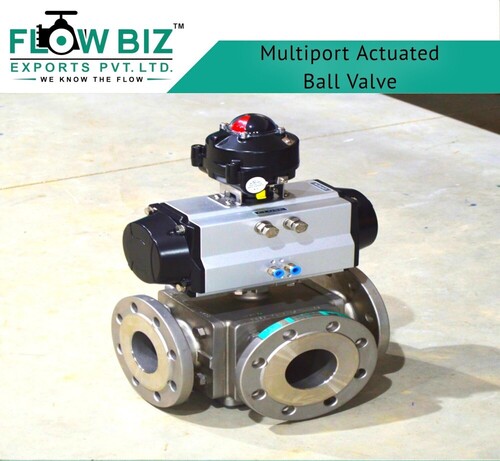
API Standard Multi Port Ball Valve
Price 800.0 INR / Number
Minimum Order Quantity : 1 Number
Media : Other, Water, Oil, Gas, Chemical, Air
Material : Other, Stainless Steel / Carbon Steel / Cast Iron / Brass
Application : Industrial, Chemical, Petrochemical, Water Treatment, HVAC, Process Plants
Finish : Polished / Powder Coated
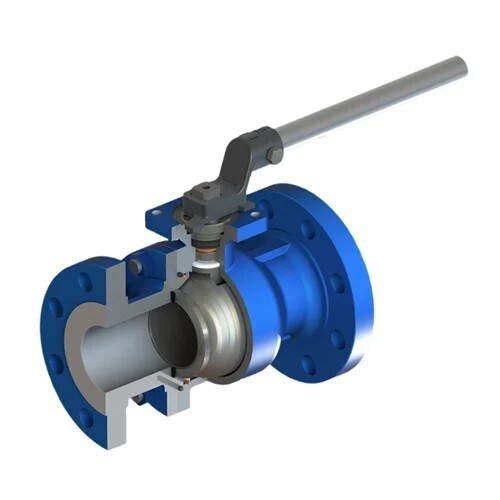
Trusted Metal Seated Flanged Ball Valve
Price 3000.0 INR / Unit
Minimum Order Quantity : 1 Unit
Media : Other, Water, Oil, Gas, Steam, Chemical
Material : Other, Stainless Steel, Carbon Steel, Alloy Steel
Application : Industrial, Petrochemical, Refinery, Power Plants
Finish : Coated, Polished
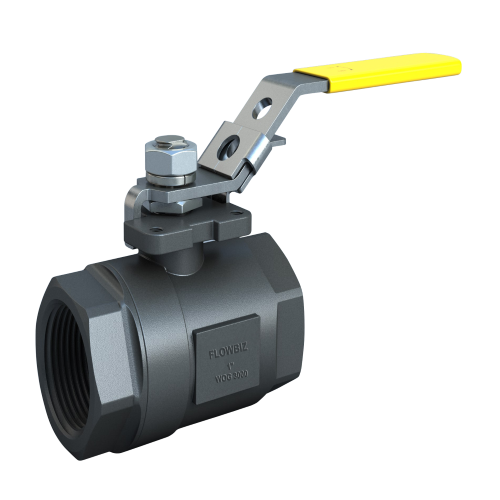
Heavy Duty WOG Ball Valve
Price 500.0 INR / Unit
Minimum Order Quantity : 1 Unit
Media : Water
Material : Stainless Steel
Application : Industrial Flow Control
Finish : Polished & Coated
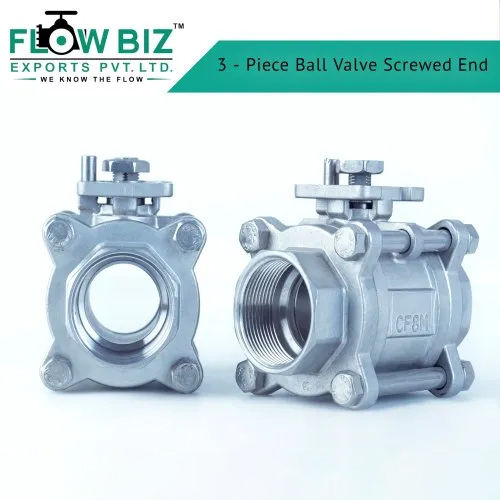
Three Piece Screwed End Ball Valves
Price 469 INR / Unit
Minimum Order Quantity : 10 Units
Media : Gas
Material : Brass
Application : Industrial
Finish : Polished

 Send Inquiry
Our Products
- Needle Valve
- Ball Valve
- Globe Valve
- Gate Valve
- Y Type Strainer
- Piston Valve
- Check Valve
- Sight Glass
- Butterfly Valve
- Swing Check Valve
- Damper Valve
- Basket Strainer
- Pressure Reducing Valve
- Double Block Bleed Valve
- Moisture Separator
- Forged Valve
- Diaphragm Valve
- Mini Ball Valve
- Forbes Marshall PRV
- T Type Strainer
- Plug Valve
- Blow Down Valve
- Air Valve
- Non Return Valve
- Safety Valve
- Steam Trap
- Gasket
- L&T Ball Valve
- L&T Butterfly Valve
- AUDCO Ball Valve
- SPIRAX Marshall PRV
- Solenoid Valve
- oxygen
- roto seal coupling
- straight union
- flow control
- ptfe sheets
- ptfe
- rubber products
- felt products
- Asbestos products
- Engineered plastics products
- rubber seals
- rubber gasket
- Sight Glasses
- Jacketed Valves
- flush bottom valve
- strainer
- Sluice Gate Valve
- Slab Gate Valve
- PTFE Lined Valve
- PTFE Lined Valves


416,417 4th Floor, A Block Safal 8, Ajit Mill, Cross Rd, Rakhial,Ahmedabad - 380023, Gujarat, India

Mr Shakir Ansari
(Director)
Mobile :08071780343
 Send Inquiry
 Send SMS
 Call Me Free
Developed and Managed by Infocom Network Private Limited.
