Call us now :08071780343
 Send Inquiry
 Send Inquiry
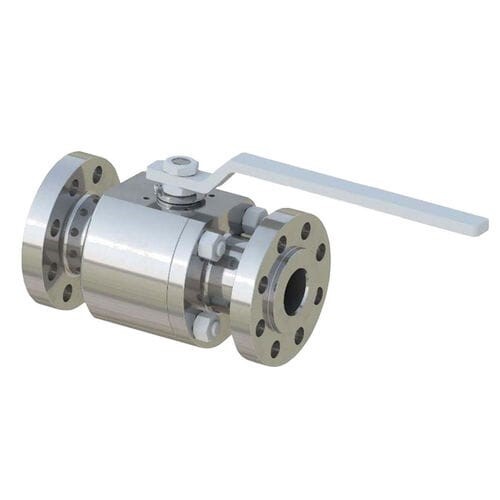
Metal Seated Flangeds Ball
Price 2000 INR/ Unit
MOQ : 1 Number
Metal Seated Flangeds Ball Specification
- Structure
- Metal Seated Ball
- Caliber
- Full Bore / Reduced Bore
- Connection
- Flanged
- Channels
- Single / Double
- Pressure
- Class 150 to Class 900
- Material
- Stainless Steel / Carbon Steel / Alloy Steel
- Power
- Manual / Pneumatic / Electric
- Media
- Water, Oil, Gas, Air, Steam
- Temperature of Media
- -20°C to +450°C
- Port Size
- 1 to 24
- Flange
- ANSI / DIN / JIS Standard
- Finish
- Epoxy Coated / PTFE Lined / Polished
- Application
- Chemical, Petrochemical, Power, Water Treatment, Oil & Gas
- Face to Face Standard
- ASME B16.10
- Leakage Class
- ANSI B16.104 Class VI
- Seat Material
- Metal - Inconel, Stellited, Tungsten Carbide
- Operation Type
- Gear Operated / Lever Operated
- Design Standard
- API 6D / BS 5351
- End Connection Standard
- ASME B16.5/BS10/DIN
- Test Standard
- API 598 / EN 12266
- Anti-static Device
- Included
- Body Material
- Forged/Cast as per service
- Fire Safe Design
- Available
- Service Life
- Long service life under severe conditions
Metal Seated Flangeds Ball About
FlowBiz Metal-Seated Flanged Ball Valves Engineering for Extreme Severe-Service Isolation
Welcome to the engineering authority for robust fluid containment, high-temperature pipeline isolation, and certified leak-proof process routing. Operating advanced thermal-spray coating cells, multi-axis robotic spherical lapping complexes, and automated hyperbaric validation corridors, FlowBiz Exports Pvt. Ltd. specializes in manufacturing premium Metal-Seated Flanged Ball Valves.
When industrial processing lines handle aggressive abrasive slurries, high-velocity particulate flows, or extreme thermal shifting, standard soft-seated valves quickly degrade. Polymeric materials like PTFE or RPTFE soften, score, and fail, causing costly pipeline leaks, unsafe working conditions, and expensive plant shutdowns.
FlowBiz addresses these critical operational vulnerabilities by precision-engineering heavy-duty Metal-to-Metal Seated Flanged Ball Valves. By mating a micro-finished, surface-hardened metallic ball directly against robust metal seat rings, our valves deliver an incredibly tough, long-lasting containment barrier designed to outshine standard valves in the most demanding industrial perspectives.
Technical Specifications & Compliance Parameters
Every FlowBiz severe-service metal-seated production block is subjected to rigorous pressure-boundary audits, high-temperature testing profiles, and strict leakage validation to guarantee an absolute, bubble-tight shut-off before dispatch.
| Engineering Parameter | Certified Product Specifications & Compliance Codes |
| Design Integrity | Fully compliant with API 6D, ISO 17292, and BS 5351 standards |
| Face-to-Face Layout | Precision-machined to match standard ASME B16.10 physical footprints |
| Testing & Quality Standards | 100% verified and certified to meet API 598 and EN 12266 leakage audits |
| Leakage Class Control | Certified to ANSI/FCI and ANSI B16.104 Class V and Class VI |
| Continuous Operating Span | Rated to maintain mechanical integrity from -20C to +450C |
| Peak Thermal Threshold | Engineered to withstand intense thermal spikes up to 537C (1000F) |
| Safety System Integration | Built-in Anti-Static Grounding and certified Fire-Safe Designs |
| Interface Connections | Integral flanged ends compliant with ASME B16.5, BS 10, and DIN codes |
| Flange Type Matching | Full compatibility with international ANSI, DIN, and JIS pipeline systems |
Advanced Hard-Facing Core Metallurgy Matrix
To ensure maximum resistance to chemical corrosion, continuous abrasion, and severe service wear, FlowBiz pairs high-strength valve bodies with specialized, hardened internal trim options:
Robust Structural Shells
-
Premium Stainless Steel (SS304 / SS316 / CF8 / CF8M): The premier selection for aggressive chemical processing, oxidizing process fluids, and volatile organic solvent loops.
-
High-Strength Carbon Steel (WCB / LCB / A105): Optimized for high-temperature utility loops, high-pressure oil transmission pipelines, and general refinery infrastructure.
-
Specialized Duplex & Alloy Steel: Engineered for extreme mining slurry runs, high-stress flash tanks, and corrosive chemical extraction grids.
Hard-Faced Metallic Seats
-
Inconel Liners: High-nickel alloy matrix selected for outstanding core thermal stability and excellent corrosion resistance in sour gas and acid environments.
-
Stellite Overlays: Cobalt-based alloy welding that provides excellent resistance to galling, mechanical friction, and heavy erosive wear at elevated temperatures.
-
Tungsten Carbide Coatings: Ultra-dense, high-velocity oxygen fuel (HVOF) thermal spray coating that offers a higher threshold toward abrasive particulates and thick slurries.
Kinematics & Hydraulic Shock Mitigation
The high-performance reliability of the FlowBiz metal-to-metal flanged series relies on precision surface engineering and robust mechanical pre-loading:
[ HIGH-TORQUE PNEUMATIC OR ELECTRIC ACTUATION ] \/ +-------------------|-------------------+ | Direct-Mount ISO Top Automation Pad | +--+---------------------------------------+--+ | [ INTEGRAL ANTI-STATIC CONTINUITY STEM ] | | /---| |---\ | ============> |====> | Pre-Loaded Metal | ====> | ================> High-Velocity | | Spring-Floating Seat| | Smooth Output Run Particulate Run | \---| Hardened Ball |---\ | Absorbs Hydraulic Shock +-------------| (Carbide Coated)|----------+ | [ BUBBLE-TIGHT SEATED COMPRESSION ] | +------------------------------------------+ (Hard-Mated Metal Faces Shield Against Slurry Wear) -
Micro-Matched Sealing Mechanics: The spherical ball core and replaceable metal seats are layered with advanced hard-coatings (such as Tungsten Carbide or Stellite). They are then robotically cross-lapped into perfectly matched pairs. This close geometric fit ensures a uniform sealing boundary, delivering an absolute, bubble-tight shut-off.
-
Resilience Under Hydraulic Shock: Sudden pressure surges or hydraulic shocks can cause soft seats to shift or tear. The high mechanical strength of the FlowBiz hardened metal trim easily absorbs these violent pressure spikes without deforming, ensuring smooth operation and dependable sealing.
-
Anti-Static & Fire-Safe Engineering: Built-in anti-static grounding springs maintain continuous electrical contact between the ball, stem, and body, safely discharging static electricity buildup. If an external fire breaks out, the inherently fire-safe metal-to-metal contact prevents internal fluid bypass, protecting critical plant infrastructure.
Strategic Industrial Application Sectors
Our High-Performance Metal-Seated Flanged Ball Valves provide critical containment across multiple key sectors:
-
Chemical & Petrochemical Processing Plants: Managing aggressive chemical reactions, catalyst cracked lines, and highly corrosive acids.
-
Oil & Gas Extraction & Pipelines: Regulating high-pressure wellhead lines, crude transport headers, and gas separation manifolds.
-
Power Generation Utilities: Isolating superheated steam distribution runs, high-pressure boiler feed pump lines, and condensate recovery grids.
-
Mining & Slurry Treatment Plants: Managing abrasive mining tailings, high-solid industrial effluent, and wastewater filter lines.
Comprehensive Supply Chain Footprint
Operating from our primary manufacturing and export center in Surat, Gujarat, India, FlowBiz Exports Pvt. Ltd. coordinates an efficient national and international distribution network. As a trusted manufacturer, exporter, and supplier, we provide quick order fulfillment, complete material traceability, and responsive technical support across all major industrial regions:
-
Gujarat Processing Hubs: Surat, Ahmedabad, Vapi, Valsad, Gandhidham, Kutch, Ankleshwar, and Bharuch.
-
Maharashtra Industrial Corridors: Mumbai, Nashik, Pune, Thane, Aurangabad, Satara, Sangli, Nagpur, and Kolhapur.
-
Central & Southern Manufacturing Zones: Indore, Dewas, Bhopal, Chennai, Coimbatore, Salem, and all other major regional processing zones.
Frequently Asked Questions (FAQ)
Q: How do metal seated flanged ball valves enhance service life under severe conditions?
A: By pairing robust body metals with high-strength seat faces made from Inconel, Stellite, or Tungsten Carbide, these valves provide outstanding resistance to extreme heat (up to +450C continuously) and erosive wear from abrasive solids. This durable construction prevents seat erosion, lowers overall maintenance requirements, and extends the service life of the valve in harsh environments.
Q: What operational types and power options are available for these ball valves?
A: Depending on your pipeline's torque requirements and spatial constraints, you can specify manual lever handles for smaller configurations or high-ratio mechanical gearboxes for larger sizes. Additionally, the valves are fully compatible with pneumatic cylinders or electric actuators for seamless integration into automated process control loops.
Q: When should I specify full bore versus reduced bore valves for my application?
A: Full-bore ball valves match the inner diameter of your pipeline perfectly, providing an unrestricted flow path that minimizes pressure drop and allows for straightforward pipeline pigging or cleaning. Reduced-bore designs are ideal when process parameters call for fluid throttling or velocity adjustments, or when weight and cost savings are prioritized.
Q: Where are these metal seated ball valves commonly used?
A: These valves are widely specified across petrochemical refineries, oil and gas distribution headers, power generation stations, mining slurry lines, and pulp processing facilities where severe operational conditions require high chemical, pressure, and thermal resistance.
Q: What is the process for quality assurance and testing before delivery?
A: Every production run undergoes strict, 100% mandatory pressure testing and leakage audits conducted in strict compliance with international API 598 and EN 12266 protocols. This rigorous verification process ensures that every valve shell, seat, and safety feature performs reliably before leaving our facility.
Q: How do anti-static devices and fire safe designs benefit the valve's operation?
A: Anti-static devices prevent dangerous static electricity buildup on internal components, eliminating sparking risks when routing flammable hydrocarbons or volatile gases. The fire-safe design guarantees that the valve maintains full structural sealing integrity during a fire, preventing external leakage and helping safeguard plant personnel and equipment.
Q: What end connection and flange standards are supported for installation flexibility?
A: Our valves feature heavy-duty integral flanges machined to comply with standard ASME B16.5, BS 10, and DIN configurations, and support ANSI, DIN, and JIS flange types. This standardization makes it easy to install or retrofit these valves within any global piping network.
Are you updating a high-temperature steam utility line that requires a Class VI metal-seated flanged ball valve with a Tungsten Carbide overlay, or configuring a severe-service refinery manifold in Surat that demands an automated stainless steel layout? Contact our technical engineering and sales division today to secure a factory-direct quote and immediate pricing, or ask a single relevant question regarding your specific fluid velocity or system pressure parameters below to guide the conversation forward.
Tell us about your requirement

Price:
Quantity
Select Unit
- 50
- 100
- 200
- 250
- 500
- 1000+
Additional detail
Mobile number
Email

More Products in Ball Valve Category
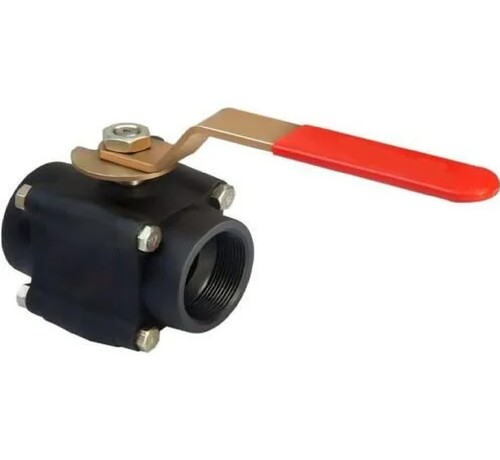
Forged Steel Valve Ball
Price 2000.0 INR / Piece
Minimum Order Quantity : 1 Piece
Application : Industrial, Petrochemical, Power Plants
Material : Other, Forged Steel
Finish : Anticorrosive Coating
Media : Other, Water, Oil, Gas, Steam
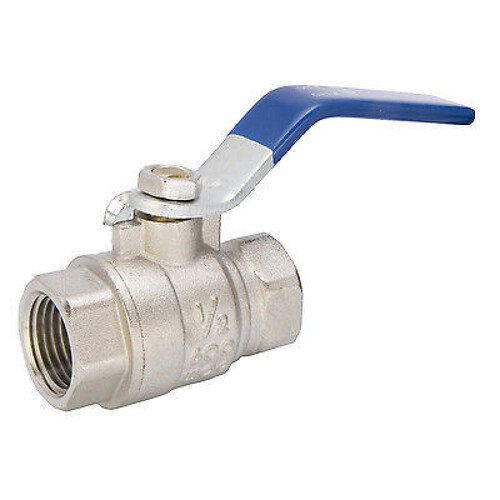
Export Quality Ball Valve
Price 500.0 INR / Number
Minimum Order Quantity : 1 Number
Application : Industrial / Commercial / Water Treatment
Material : Other, Stainless Steel / Brass / Cast Iron / PVC
Finish : Polished / Painted / Coated
Media : Other, Water, Oil, Gas, Air
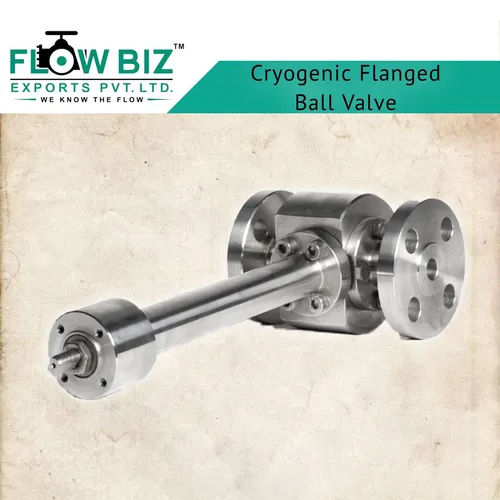
Cryogenic Flanged Ball Valve
Price 12000 INR / Unit
Minimum Order Quantity : 1 Unit
Application : Industrial
Material : Brass
Finish : Polished
Media : Gas
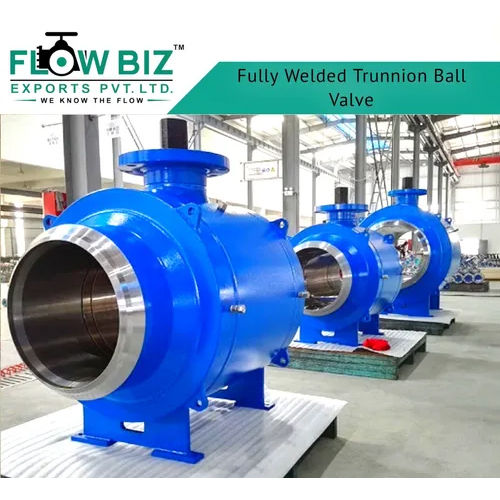
Fully Welded Body Trunnion Ball Valves
Price 15000 INR / Unit
Minimum Order Quantity : 1 Unit
Application : Industrial
Material : Brass
Finish : Painted
Media : Gas

 Send Inquiry
Our Products
- Needle Valve
- Ball Valve
- Globe Valve
- Gate Valve
- Y Type Strainer
- Piston Valve
- Check Valve
- Sight Glass
- Butterfly Valve
- Swing Check Valve
- Damper Valve
- Basket Strainer
- Pressure Reducing Valve
- Double Block Bleed Valve
- Moisture Separator
- Forged Valve
- Diaphragm Valve
- Mini Ball Valve
- Forbes Marshall PRV
- T Type Strainer
- Plug Valve
- Blow Down Valve
- Air Valve
- Non Return Valve
- Safety Valve
- Steam Trap
- Gasket
- L&T Ball Valve
- L&T Butterfly Valve
- AUDCO Ball Valve
- SPIRAX Marshall PRV
- Solenoid Valve
- oxygen
- roto seal coupling
- straight union
- flow control
- ptfe sheets
- ptfe
- rubber products
- felt products
- Asbestos products
- Engineered plastics products
- rubber seals
- rubber gasket
- Sight Glasses
- Jacketed Valves
- flush bottom valve
- strainer
- Sluice Gate Valve
- Slab Gate Valve
- PTFE Lined Valve
- PTFE Lined Valves


416,417 4th Floor, A Block Safal 8, Ajit Mill, Cross Rd, Rakhial,Ahmedabad - 380023, Gujarat, India

Mr Shakir Ansari
(Director)
Mobile :08071780343
 Send Inquiry
 Send SMS
 Call Me Free
Developed and Managed by Infocom Network Private Limited.
