
Call us now :08071793447
 Send Inquiry
 Send Inquiry
Industrial SS Pot Type Strainer Manufacturer in Gandhidham Gujarat
Price 2000.0 INR/ Number
MOQ : 1 Number
Industrial SS Pot Type Strainer Manufacturer in Gandhidham Gujarat Specification
- Application
- Process Industries like-Chemical, Power, Refinery, Petrochemicals, Nuclear, Water
- Type
- Manual
- Media
- Water
- Port Size
- Customized as per requirement
- Temperature
- Up to 200C Celsius (oC)
- Disc
- SS 304
About Industrial SS Pot Type Strainer Manufacturer in Gandhidham Gujarat
Industrial Pot-Type Strainers: Advanced Dual-Chamber Mechanics and Automated Cleaning
In large-scale water distribution, HVAC headers, oil fields, and heavy chemical processing loops, continuous high-volume fluid filtration is essential to maintain plant uptime. Standard simplex strainers pose an operational challenge: when their internal filter elements become loaded with debris, the entire process line must be shut down, depressurized, and opened manually to clean the filter screen. This frequent maintenance increases facility downtime and raises labor costs.
An industrial Pot-Type Strainer provides a high-capacity, heavy-duty filtration solution specifically engineered to overcome these maintenance interruptions. Designed with an oversized housing that can accommodate advanced mechanical cleaning assemblies, these systems capture large amounts of coarse solids, silt, and foreign particles while maintaining a stable, low system pressure drop ($\Delta P$). They protect high-value downstream assetssuch as centrifugal pumps, cooling towers, chiller tubes, and control valvesfrom particulate damage.
                    Pot Strainer Dual-Chamber & Motorized Brush


                             Motorized Gearbox Unit      [ Automated Actuation ]
                                (Zero-Shutdown Cleaning)
                                         (Centric Drive Shaft)

         [ Inlet Port ]    [ Outlet Port ]
         (Fluid + Debris)     Upper Clean Chamber       (Filtered Medium Out)

                              SS 304 Mesh Element     [ Integrated Nylon Brush ]
                              & Internal Scraper         (Sweeps Debris to Base)

                              Lower Settling Basin

                                         (Dual Flush Conduits)

                           [ Drain Pipe Base & Side ]  [ Sludge / Solid Purge ]
FlowBiz Exports is an elite global fluid-handling brand and a leading Pot Type Strainer Manufacturer in Gandhidham, Gujarat, India. We specialize in precision engineering heavy-duty pot strainers equipped with premium SS 304 stainless steel discs and semi-automated or fully automated mechanical cleaning mechanisms. These systems are designed to deliver reliable filtration, maintain continuous process flow, and eliminate frequent maintenance shutdowns across global industrial processing networks.
Technical Specifications & Configuration Matrix
FlowBiz pot-type strainers are cast, fabricated, and pressure-tested to comply with international manufacturing guidelines, ensuring long-term structural safety under varied force ratings and temperatures.
Core Product Configuration Profile
| Parameter Profile | Technical Specifications & Performance Limits |
| Brand | FlowBiz Exports |
| Strainer Typology | Pot-Type Strainer / High-Capacity Multi-Chamber Filter |
| Primary Material Matrix | Heavy-Duty Fabricated Shells with Premium SS 304 Stainless Steel Discs |
| Cleaning Element Assembly | Internal Nylon Brush / Nylon Rod connected to a Centric Drive Stick |
| Actuation System Profile | Electric Motorized Gearbox Unit or user-friendly manual operation |
| Thermal Operating Envelope | High-integrity structural safety at temperatures up to 200C |
| Chamber Configuration | Dual distinct chambers (Sealed to separate filtered and unfiltered media) |
| Drainage Infrastructure | Dual dedicated drain pipes located at the base and side of the chambers |
| Customization Framework | Fully customizable port sizes and dimensions tailored to match flow rates |
Critical Engineering Features & Safety Benefits
1. In-Line Self-Cleaning Mechanism without Process Interruption
The defining operational advantage of the FlowBiz pot strainer is its integrated mechanical cleaning design. Inside the filter housing, a heavy-duty nylon brush or nylon rod assembly is connected to a central shaft driven by an electric motorized gearbox.
No Body Opening: When the internal screen accumulates debris, the motorized gearbox rotates the internal brushes across the face of the SS 304 mesh element.
Continuous Run: The scraper brushes sweep trapped solids down into the lower collection basin without requiring operators to open the strainer housing or stop fluid processing.
2. Dual-Chamber Isolation Sealing
The strainer housing is divided into two distinct chambers that are carefully sealed to prevent unfiltered water from mixing with the clean downstream fluid. This configuration ensures consistent filtration performance. Coarse debris is held securely inside the lower settling chamber until it is discharged through the flush lines, keeping the downstream side clear of contaminants.
3. Dual-Conduit Flush Drainage
To simplify maintenance and cleaning, the lower settling basin of the pot strainer features two independent drain pipes located at the base and side of the chambers. During the automated brush cycle, operators open these drain valves to flush accumulated sediment, sand, scale, and organic matter out of the system using the line's internal fluid pressure. This configuration maintains a low, stable system pressure drop ($\Delta P$) and reduces structural strain on upstream pumping equipment.
                        Strategic Asset Protection


                  Upstream Side Equipment Insulation


 [ Centrifugal Water Pumps ] [ Large Shell-Tube Chillers ]  [ Modulating Control Valves ]
 (Prevents Impeller Erosion) (Stops Narrow Channel Fouling) (Maintains Clean Valve Seats)
Strategic System & Industrial Applications
Our high-temperature, standard-compliant pot strainers provide automatic equipment protection across heavy processing sectors:
-
HVAC Systems & Large Chiller Plant Headers: Filtering cooling tower basin water to keep sand, scale, and organic slime from fouling condenser tubes.
-
Water Treatment & Desalination Infrastructure: Positioned on the suction side of high-pressure pumps to intercept coarse solids ahead of reverse-osmosis banks.
-
Chemical & Petrochemical Processing Facilities: Managing raw chemical feeds, cooling loops, and process water networks up to 200C.
-
Oil Field Logistics & Injection Lines: Removing sand and coarse debris from source water before it enters high-pressure sub-surface injection pumps.
-
Agricultural Distribution & Irrigation Networks: Protecting spray nozzles, multi-port manifolds, and dosing valves from clogging with algae and silt.
-
Nuclear & Conventional Power Plants: Providing high-volume filtration for auxiliary cooling lines and utility circuits.
Precision Manufacturing & Quality Control in Gandhidham
Operating from our production center in Gandhidham, Gujarat, FlowBiz maintains uniform quality control protocols for every pot strainer batch. The fabrication process begins with sourcing certified, high-grade metals and premium SS 304 stainless steel for the filter screens.
Skilled welding technicians assemble the pressure vessel shells using certified welding procedures. Once fabrication is complete, every strainer undergoes detailed dimensional inspections and rigorous hydrostatic pressure testing to verify housing integrity and ensure leakproof performance before being packed for domestic transport or global export.
Frequently Asked Questions (FAQ)
Q: How are customized port sizes and dimensions determined for a pot strainer?
A: Because pot-type strainers handle high flow rates and carry heavy debris loads, their physical port dimensions must be tailored to your specific system parameters. During the engineering design phase, clients provide their pipeline metricsincluding nominal line size, maximum flow velocity, target debris concentration, and flange standards (such as ANSI, DIN, or BS). Our Gandhidham technical team uses these metrics to determine the optimal vessel volume and port sizes, ensuring seamless integration into your existing systems.
Q: Why is an SS 304 stainless steel disc and mesh screen preferred for industrial water loops?
A: Raw water, cooling tower lines, and chemical media often contain dissolved oxygen and trace elements that can cause rapid oxidation, pitting, and structural thinning in standard carbon steel screens. SS 304 stainless steel contains a high concentration of chromium and nickel, which forms a passive, self-healing oxide layer. This alloy provides high corrosion resistance and high mechanical strength, allowing the screen to resist continuous scraper brush abrasion and high differential pressures without tearing.
Q: What is the recommended field routine for keeping a manual pot strainer running efficiently?
A: For versions configuration with manual cleaning handwheels or periodic manual flushing, operations teams should follow a simple maintenance schedule:
-
Pressure Drop Monitoring: Monitor the differential pressure gauges ($\Delta P$) across the strainer housing regularly.
-
Debris Flushing: When pressure resistance rises, activate the cleaning mechanism (engage the motorized gearbox or turn the manual handwheel) to sweep debris off the screen face.
-
Sediment Purging: Open the dual base and side drain valves for a few seconds to flush trapped particulates out of the settling basin using the internal line pressure, then close the valves to resume normal operation.
Q: When is it ideal to select a pot strainer instead of a standard Y-strainer or basket strainer?
A: The selection is driven by the system's debris volume, line size, and maintenance accessibility:
-
Pot Strainer: Best suited for large-bore pipelines (such as HVAC main lines, water intake lines, and oil fields) that experience heavy debris loading. It is the preferred choice when you need to avoid opening the filter housing frequently, using internal scrapers and flush valves to clean the system while it remains fully operational.
-
Y-Strainer / Basket Strainer: Better suited for lines carrying minimal, low-volume particulates, or for applications where periodic system shutdowns for manual basket removal are acceptable.
Tell us about your requirement

Price:
Quantity
Select Unit
- 50
- 100
- 200
- 250
- 500
- 1000+
Additional detail
Mobile number
Email

More Products in strainer Category
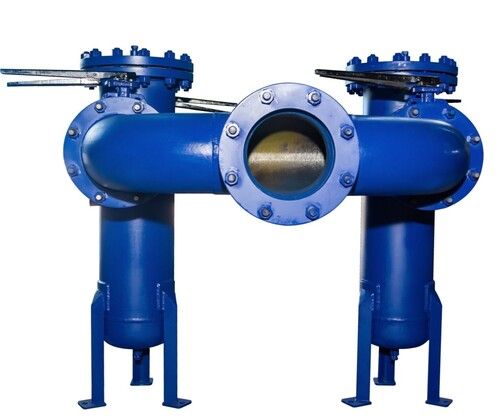
Duplex Type Strainer Manufacturer in Jamnagar
Price 1500 INR / Unit
Minimum Order Quantity : 1 Number
Port Size : 15mm to 300mm
Type : Duplex Type Strainer
Media : Other, Water, Oil, Gas, Other Liquids
Application : industrial
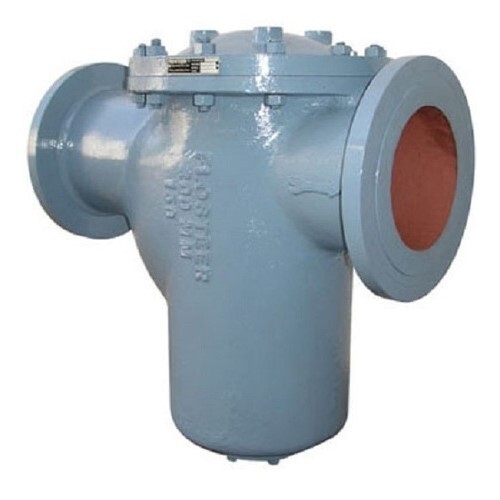
Pot Type Strainer Manufacturer in India
Price 4000 INR / Unit
Minimum Order Quantity : 1 Number
Port Size : 1/2 Inch to 24 Inch
Type : Pot Type Strainer
Media : Other, Water, Oil, Steam, Gas
Application : Industrial Filtration, Pipeline Protection
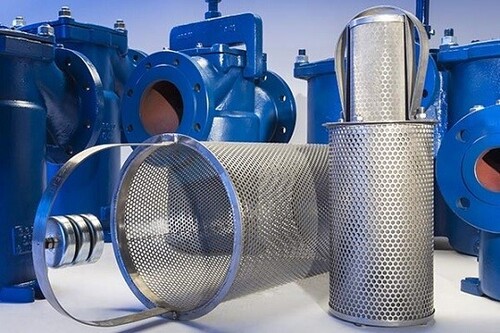
High Pressure Strainer Manufacturer in Surat
Price 1500.0 INR / Number
Minimum Order Quantity : 1 Number
Port Size : 1/2 inch to 24 inch
Type : Pipeline Strainer
Media : Other, Water, Oil, Gas, Air, Steam
Application : Industrial Filtration
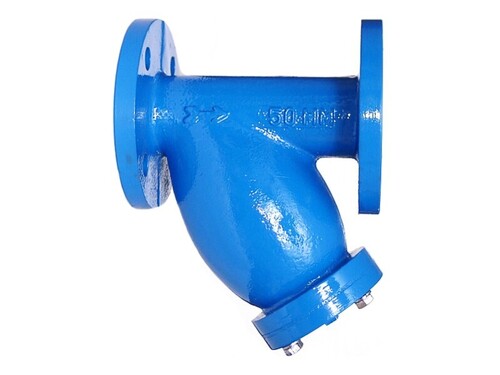
SS Strainer
Price 3000.0 INR / Number
Minimum Order Quantity : 1 Number
Port Size : 2 inches
Type : Ystrainer
Media : Other
Application : Liquid filtration

 Send Inquiry
Our Products
- Needle Valve
- Ball Valve
- Globe Valve
- Gate Valve
- Y Type Strainer
- Piston Valve
- Check Valve
- Sight Glass
- Butterfly Valve
- Swing Check Valve
- Damper Valve
- Basket Strainer
- Pressure Reducing Valve
- Double Block Bleed Valve
- Moisture Separator
- Forged Valve
- Diaphragm Valve
- Mini Ball Valve
- Forbes Marshall PRV
- T Type Strainer
- Plug Valve
- Blow Down Valve
- Air Valve
- Non Return Valve
- Safety Valve
- Steam Trap
- Gasket
- L&T Ball Valve
- L&T Butterfly Valve
- AUDCO Ball Valve
- SPIRAX Marshall PRV
- Solenoid Valve
- oxygen
- roto seal coupling
- straight union
- flow control
- ptfe sheets
- ptfe
- rubber products
- felt products
- Asbestos products
- Engineered plastics products
- rubber seals
- rubber gasket
- Sight Glasses
- Jacketed Valves
- flush bottom valve
- strainer
- Sluice Gate Valve
- Slab Gate Valve
- PTFE Lined Valve
- PTFE Lined Valves


416,417 4th Floor, A Block Safal 8, Ajit Mill, Cross Rd, Rakhial,Ahmedabad - 380023, Gujarat, India

Mr Shakir Ansari
(Director)
Mobile :08071793447
 Send Inquiry
 Send SMS
 Call Me Free
Developed and Managed by Infocom Network Private Limited.
