
Call us now :08071780343
 Send Inquiry
 Send Inquiry
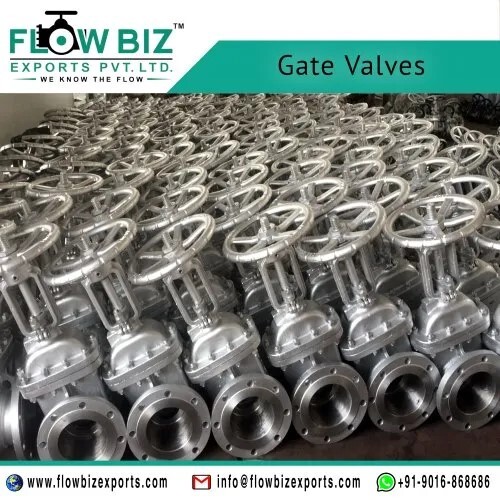
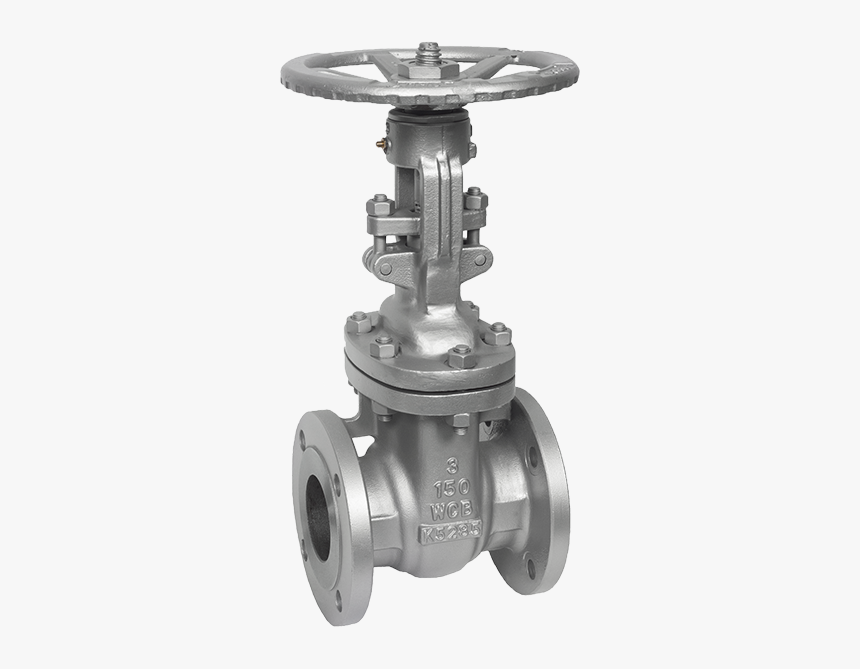
Gate Valve Supplier & Exporter in Mumbai
Price 3000.0 INR/ Unit
MOQ : 1 Unit
Gate Valve Supplier & Exporter in Mumbai Specification
- Connection
- Flange Type
- Usage
- Industrial
- Material
- Cast Iron
- Size
- 1/2" to 12"
- Power Source
- Manual
- Pressure
- Medium Pressure
- Media
- Water
- Color
- Silvar
- Surface
- Polished
- Shape
- Round
Gate Valve Supplier & Exporter in Mumbai About
Quality Assurance, Material Engineering & Procurement Evaluation Blueprint
When evaluating heavy-duty flow containment systems from an industrial manufacturer like FlowBiz Export Private Limited, procurement departments and plant engineers must balance strict international design standards against the unique operational demands of their piping network. This framework provides an advanced technical analysis of engineering standards, material choices, design features, application limits, and asset lifecycle maintenance for industrial gate valves.
1. Quality Architecture & Global Compliance Framework
A valves field reliability is directly determined by the manufacturing facility's quality management system (QMS) and adherence to non-destructive testing (NDT) standards. When sourcing gate valves for critical oil, gas, chemical, or water treatment infrastructure, ensure the production lot adheres to these strict industry benchmarks:
-
API Spec 6D & API 600: The definitive standard for pipeline transmission valves (API 6D) and heavy-duty bolted bonnet steel gate valves (API 600). Compliance ensures specific wall thicknesses, stem diameters, and stuffed packing boxes designed to prevent catastrophic pipeline failures.
-
ASME B16.34: This code defines critical pressure-temperature ratings. It dictates the maximum allowable working pressure (MAWP) a valve body can safely contain across varying temperature ranges based on its material group.
-
API 598 (Valve Inspection and Testing): Mandates that 100% of manufactured valves undergo high-pressure hydrostatic shell testing and low-pressure pneumatic seat testing to verify zero-leakage performance prior to factory release.
-
Fugitive Emissions Compliance (API 622 / API 624): Certifies that the stem packing configuration restricts toxic or volatile organic compound (VOC) leakage into the atmosphere to less than 100 parts per million (ppm).
2. Metallurgy & Structural Material Matrix
The longevity of a gate valve depends on selecting the right body and trim metallurgy to withstand external environment forces, internal fluid erosion, and chemical corrosion:
| Structural Component | Material Choices (MOC) | Metallurgical Advantage & Operating Environment |
| Valve Body & Bonnet | Cast Carbon Steel (ASTM A216 WCB) | Exceptional tensile strength and impact resistance; optimized for non-corrosive industrial utilities, oil/gas lines, and high-pressure steam grids up to 425C. |
| Stainless Steel (ASTM A351 CF8M / CF3M) | High molybdenum content provides superior resistance to pitting, crevice corrosion, and organic acids; ideal for chemical processing, marine lines, and pharmaceutical grids. | |
| Ductile Iron / Cast Iron (A536 / FG 200) | Excellent vibration dampening and cost-effective structural strength; ideal for low-to-medium pressure municipal water handling and utility cooling loops. | |
| Internal Wedge & Seats | API Trim 8 (Coated Carbon Steel) | Features a 13% Chromium martensitic stainless steel facing paired with a hard-faced Stellite cobalt alloy seat ring; provides exceptional anti-galling and wear resistance under high throttling velocities. |
| API Trim 10 (Solid SS316 Matrix) | Matches austenitic stainless steel across all internal wetted parts to prevent galvanic corrosion in highly acidic or chemical media environments. |
3. Structural Design Features & Automation Interface
Gate valves are designed primarily for fully open or fully closed isolation. The choice of stem, seating, and actuation configurations should be carefully matched to your piping layout and space constraints:
        RISING STEM CONFIGURATION                 NON-RISING STEM CONFIGURATION
       (Visual Travel Indication)                  (Compact Clearance Design)

              [ HANDWHEEL ]                              [ HANDWHEEL ]
                   ||                                         ||
                   \/                                         \/
           +-------||-------+                         +----------------+
           | Threaded Stem  |                         | Non-Rising     |
           | Rises Upward   |                         | Internal Stem  |
           +-------||-------+                         +-------||-------+
           | Solid Bonnet  |                          | Wedge Travels  |
           | Packing Box   |                          | Up/Down Internal
           +-------||-------+                         | Stem Threads   |
           | Internal Wedge |                         +-------||-------+
           +----------------+                         | Internal Wedge |
                                                      +----------------+
Stem Geometry Options
-
Rising Stem (OS&Y - Outside Screw & Yoke): The stem threads are located outside the valve body. As the handwheel turns, the stem rises linearly. This design provides immediate visual confirmation of the valves open/closed position and keeps the drive threads isolated from the process fluid, making it ideal for aggressive chemicals and refineries.
-
Non-Rising Stem (NRS): The stem rotates internally without moving upward, and the wedge travels along the internal stem threads. This configuration provides a compact design that requires minimal vertical clearance, making it ideal for underground water lines, shipboard spaces, and tight vault installations.
Sealing Mechanism Matrix
-
Metal-to-Metal Sealing: Precision-ground metal wedge faces seat directly into matching metal body rings. This heavy-duty design handles high temperatures, steam, and abrasive slurries efficiently, though it may allow trace weeping under low-pressure gas testing.
-
Resilient Soft Sealing: The metal wedge is encapsulated in a high-elasticity elastomer liner (such as EPDM or Nitrile) that compresses tightly into a smooth, pocketless valve bore. This configuration provides a bubble-tight, zero-leakage seal, making it highly suited for municipal water distribution and high-purity processing grids.
Automation & Actuation Interfaces
-
Manual Operators: Ergonomic handwheels or bevel gearboxes are used to reduce manual breakout torque on large-diameter lines.
-
Pneumatic Actuators: Linear pneumatic cylinders provide rapid, automated quarter-turn or linear action for emergency shutdown loops and plant safety systems.
-
Electric Actuators: Intelligent multi-turn motor actuators (such as Rotork or Auma) integrate into centralized SCADA and PLC control rooms to allow for automated throttling, remote management, and digital diagnostic feedback.
4. Lifecycle Maintenance Protocol for Industrial Gate Valves
To maintain structural integrity, prevent unexpected plant downtime, and achieve a long service life, processing plants should implement a structured maintenance routine:
                                  [ LIFECYCLE GATE VALVE MAINTENANCE ]
                                                   ||
      +----------------------+---------------------+----------------------+----------------------+
      ||                     ||                    ||                     ||                     ||
      \/                     \/                    \/                     \/                     \/
[ ROUTINE AUDITS ]     [ STEM LUBRICATION ]   [ PACKING RE-TENSION ] [ VALVING EXERCISING ] [ SYSTEM FLUSHING ]
- Visual Leak Checks   - Apply Multi-Purpose  - Torque Gland Bolts   - Cycle Disc 10-20%    - Remove Sediments
- Scan Body for Rust   - Protect O&S Threads  - Prevent VOC Leaks    - Prevent Scale Jam    - Clean Internal Bore
I. Routine Inspections & Leak Audits
-
Procedure: Conduct scheduled visual inspections across the valve body, bonnet flange joint, and stem packing box to check for trace fluid weeping or salt crusting.
-
Action: Scan cast parts for signs of atmospheric corrosion or pitting. Any leakage along the bonnet gasket must be addressed immediately by torqueing the body bolts in a cross-pattern to prevent high-velocity fluid erosion (washout) from destroying the sealing faces.
II. Precision Thread Lubrication
-
Procedure: Periodically apply a high-purity, water-resistant multi-purpose grease to the exposed threads of rising stems and yoke sleeves.
-
Action: In outdoor environments, install clear vinyl stem protectors over rising stems to shield the drive threads from sand, salt spray, and atmospheric dust, keeping operating torque low and preventing thread stripping.
III. Stem Packing & Bonnet Seal Adjustment
-
Procedure: If moisture or fluid weeping is detected at the packing box gland of a rising stem, tighten the gland nuts evenly in small, half-turn increments.
-
Action: Avoid over-tightening the packing gland, as excessive compression increases operating friction, accelerates stem scoring, and can stall electric actuators. If the packing has flattened or dried out, isolate the line and repack the stuffing box with high-grade die-formed graphite rings.
IV. Scheduled Valve Exercising
-
Procedure: Valves that remain open or closed for long periods should be exercised every 3 to 6 months by cycling the disc through 10% to 20% of its travel path before returning it to its original position.
-
Action: This routine movement breaks loose accumulated scale, mineral deposits, and internal biological growth, ensuring the valve remains functional and free to operate during a manual plant shutdown or emergency event.
V. Internal Bore Cleaning & System Flushing
-
Procedure: During scheduled plant turnarounds, flush the internal lines thoroughly to clear out sediment, chemical crusts, and pipeline scale that tend to collect in the bottom pocket of traditional gate valves.
-
Action: For lines carrying high concentrations of solids or sticky fluids, consider upgrading to a pocketless resilient-seated valve or a knife edge gate valve to eliminate sediment buildup zones entirely.
Are you specifying a gate valve for a high-pressure chemical utility network that requires an API 600 stainless steel valve with custom electric actuation, or designing a municipal water manifold that demands compact non-rising stem units? Contact the technical sales team to match your fluid compatibility, pressure boundaries, and required certifications, or ask a single relevant question regarding your specific flow velocity or operating temperature parameters below to guide the conversation forward.
Tell us about your requirement

Price:
Quantity
Select Unit
- 50
- 100
- 200
- 250
- 500
- 1000+
Additional detail
Mobile number
Email

More Products in Gate Valve Category
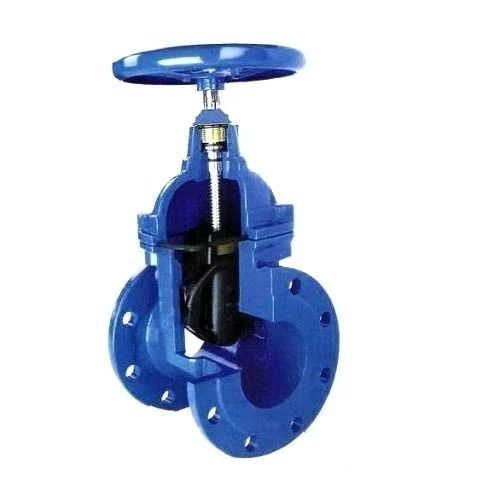
Resilient Gate Valve
Price 5000 INR / Unit
Minimum Order Quantity : 1 Number
Surface : Epoxy Powder Coated
Size : 2 inch to 24 inch
Material : Ductile Iron
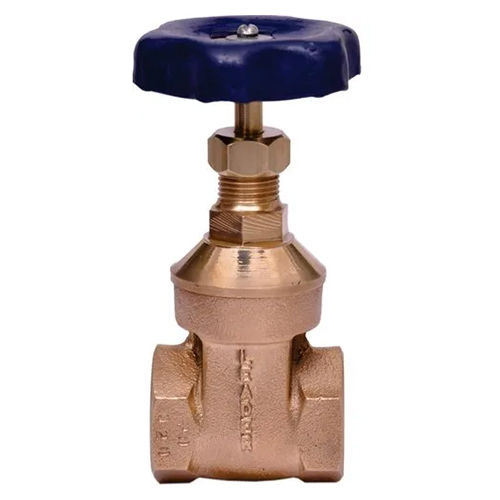
Leader Make Gun Metal Gate Valve Screwed End
Price 2000 INR / Unit
Minimum Order Quantity : 1 Unit
Surface : Polished
Usage : Industrial
Size : Different Available
Material : Carbon Steel
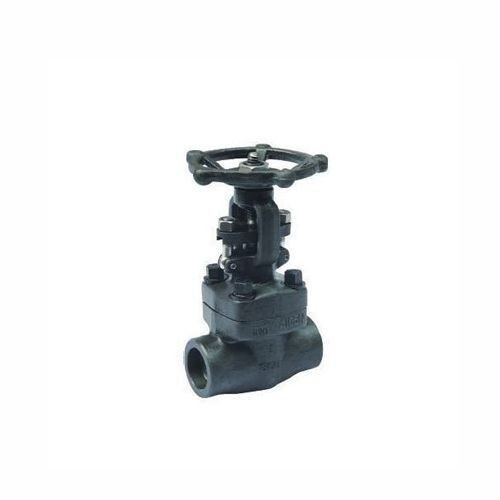
Industrial Needle Valve
Price 900.0 INR / Pack
Minimum Order Quantity : 1 Pack
Surface : Polished
Usage : Industrial
Size : 1/2"
Material : Other , Forged Steel
ISI Marked Gate Valve
Price 3000.0 INR / Number
Minimum Order Quantity : 1 Number
Surface : Smooth
Usage : Industrial
Size : Standard Sizes

 Send Inquiry
Our Products
- Needle Valve
- Ball Valve
- Globe Valve
- Gate Valve
- Y Type Strainer
- Piston Valve
- Check Valve
- Sight Glass
- Butterfly Valve
- Swing Check Valve
- Damper Valve
- Basket Strainer
- Pressure Reducing Valve
- Double Block Bleed Valve
- Moisture Separator
- Forged Valve
- Diaphragm Valve
- Mini Ball Valve
- Forbes Marshall PRV
- T Type Strainer
- Plug Valve
- Blow Down Valve
- Air Valve
- Non Return Valve
- Safety Valve
- Steam Trap
- Gasket
- L&T Ball Valve
- L&T Butterfly Valve
- AUDCO Ball Valve
- SPIRAX Marshall PRV
- Solenoid Valve
- oxygen
- roto seal coupling
- straight union
- flow control
- ptfe sheets
- ptfe
- rubber products
- felt products
- Asbestos products
- Engineered plastics products
- rubber seals
- rubber gasket
- Sight Glasses
- Jacketed Valves
- flush bottom valve
- strainer
- Sluice Gate Valve
- Slab Gate Valve
- PTFE Lined Valve
- PTFE Lined Valves


416,417 4th Floor, A Block Safal 8, Ajit Mill, Cross Rd, Rakhial,Ahmedabad - 380023, Gujarat, India

Mr Shakir Ansari
(Director)
Mobile :08071780343
 Send Inquiry
 Send SMS
 Call Me Free
Developed and Managed by Infocom Network Private Limited.
