
Call us now :08071793447
 Send Inquiry
 Send Inquiry
Wafer Ball Valve Manufacturer in Pune
Price 1600 INR/ Unit
MOQ : 1 Number
Wafer Ball Valve Manufacturer in Pune Specification
- Connection
- Wafer Type Flanged
- Pressure
- Up to PN 40 / Class 300
- Channels
- Single
- Caliber
- Full Bore
- Structure
- Wafer Type Two Piece Design
- Material
- Stainless Steel / Cast Iron / Carbon Steel
- Power
- Manual
- Media
- Water, Gas, Oil, Air
- Temperature of Media
- -20C to +180C
- Port Size
- 15 mm to 300 mm
- Flange
- ANSI, DIN, IS Standard
- Finish
- Epoxy coated / Mirror finish
- Application
- Industrial / Automotive / Utility Pipes
- Ball Material
- SS 304 / SS 316
- Compliance Standard
- API 6D / BS 5351 / ISO
- Operation
- Quarter Turn
- Corrosion Resistance
- High due to Coating and Material
- Mounting
- ISO 5211 Pad Available
- Stem Material
- SS 304 / SS 316
- Body Material
- CF8 / CF8M / WCB
- Sealing
- PTFE Seats
- Antistatic Feature
- Provided
- Fire Safe Design
- Available on Request
- Handle
- Lockable Lever or Gear Box
- Test Pressure
- Hydrostatic tested as per API 598
- End Type
- Wafer Type
- Leakage Class
- Class VI
About Wafer Ball Valve Manufacturer in Pune
The handle of the Wafer Type Ball Valves lies flat in alignment with the flow once open and is perpendicular to it once closed, creating a simple visual confirmation of the valve's status, which makes Wafer Type Ball Valves easy to control. Wafer Type Ball Valves are economically priced for the use of light-duty industries. FlowBiz Exports produces the most significant number of Wafer Type Ball Valves in India and is also known as a leading supplier of Wafer Type Ball Valves.
Wafer Type Ball Valve
Product Description:
Floating Ball design,
manufactured in stainless steel and carbon steel,
Lockable handle,
both forged and casting material.
Advantages:
1. Small in size, lightweight.
2. Tight and reliable.
3. Easy to use. With 30 degrees of rotation, you can fully open or close the valve.
4. Easy Maintenance.
Connection:
Threaded or S.W Ends.
Precision Engineering, Proven Performance
Each Wafer Ball Valve is crafted from premium materials such as CF8, CF8M, WCB, stainless steel, cast iron, or carbon steel, ensuring exceptional durability and corrosion resistance. The wafer-type two-piece structure, full bore caliber, and variety of flange standards including ANSI, DIN, and IS make these valves adaptable across multiple industrial applications.
Versatile Operation and Reliable Sealing
With a quarter-turn operation and PTFE seats rated to Class VI leakage standards, the valves provide dependable shutoff for gas, water, oil, and air media. The lockable lever or optional gear box drive increases security and operational flexibility, while temperature resilience from -20C to +180C supports diverse working environments.
Manufactured to Global Standards
As a trusted manufacturer, supplier, exporter, and trader in Pune, we adhere to the highest international compliance standards. Our valves feature ISO 5211 mounting pads, fire-safe design upon request, and antistatic features, thoroughly hydrotested and finished for maximum longevity and reliability.
FAQ's of Wafer Ball Valve Manufacturer in Pune:
Q: How does a wafer ball valve operate and what are its main applications?
A: A wafer ball valve functions through a simple quarter-turn motion, allowing for quick and efficient start-stop control of media. Its versatile design makes it ideal for industrial, automotive, and utility pipe applications where reliable flow isolation is critical.Q: What materials are used in the construction of these valves and how do they enhance performance?
A: The valves are constructed using CF8, CF8M, WCB, and stainless steel (SS 304/316) for both ball and stem. Combined with PTFE seats and anticorrosive coatings, these materials ensure high corrosion resistance, robust mechanical strength, and compatibility with a wide range of media and harsh environments.Q: When should you choose an epoxy-coated or mirror finish for your valve?
A: An epoxy-coated finish is recommended for enhanced corrosion resistance in aggressive environments, while the mirror finish ensures smoother flow and easier cleaning, making it suitable for sanitary or visually demanding applications.Q: Where can these valves be installed and what connection standards are supported?
A: These wafer ball valves are suitable for installation in water, gas, oil, or air lines in industrial, automotive, and utility settings. They feature wafer-type flanged ends with compatibility for ANSI, DIN, and IS flange standards, ensuring seamless integration into various piping systems.Q: What is the process for hydrostatic testing and what standards are met?
A: Each valve undergoes hydrostatic testing as per API 598, which involves subjecting the valve to rigorous pressure tests to verify leak-tightness and structural integrity. The products also comply with API 6D, BS 5351, and ISO standards.Q: How does the antistatic feature and fire-safe design benefit users?
A: The antistatic feature prevents static charge build-up, reducing the risk of sparks in hazardous environments. Fire-safe design, available on request, ensures valve integrity is maintained even under fire conditions, enhancing safety for critical installations.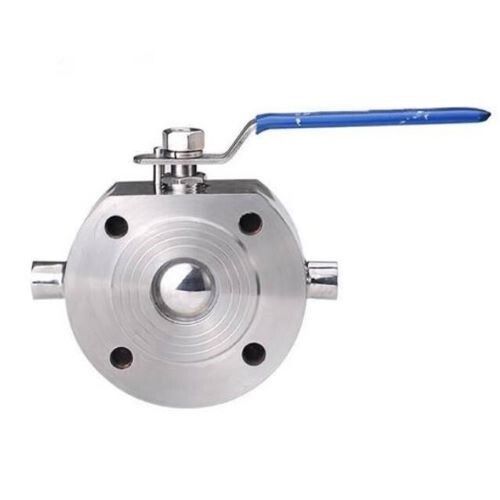
Tell us about your requirement

Price:
Quantity
Select Unit
- 50
- 100
- 200
- 250
- 500
- 1000+
Additional detail
Mobile number
Email

More Products in Ball Valve Category
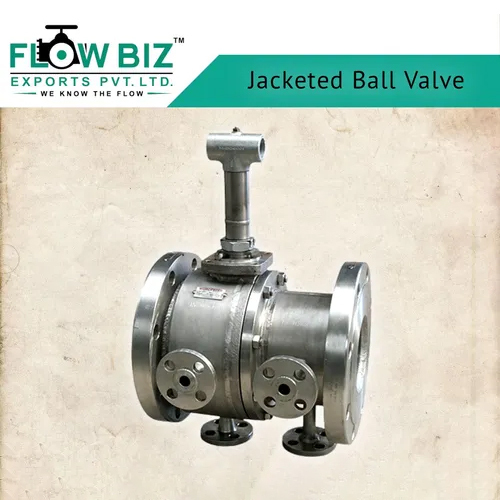
Ball Valve Manufacturer in Sachin
Price 4000 INR / Unit
Minimum Order Quantity : 1 Number
Media : Other, Water, Gas, Oil
Material : Stainless Steel
Application : Industrial, Chemical, Water Treatment
Finish : Polished
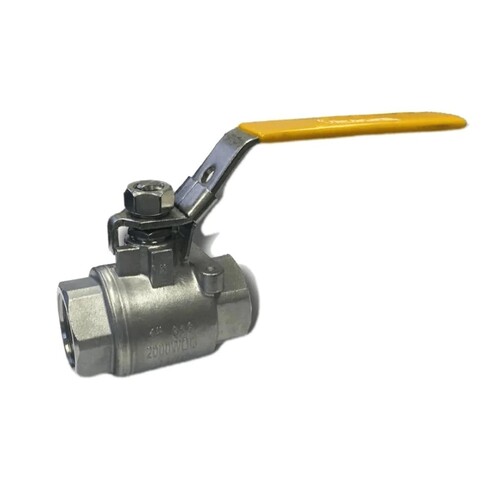
400 - 600 -1000 WOG Ball Valves Manufacturer in Mumbai
Price 2000 INR / Unit
Minimum Order Quantity : 1 Number
Media : Other, Water, Oil, Gas
Material : Other, Stainless Steel, Carbon Steel, Brass
Application : Industrial, Commercial, Residential
Finish : Polished, Sand Blasted

3 Way High Pressure Ball Valve Manufacturer in Mumbai
Price 1500 INR / Unit
Minimum Order Quantity : 1 Number
Media : Other, Water, Oil, Gas, Chemical
Material : Other, Stainless Steel / Carbon Steel / Alloy Steel
Application : Industrial, Chemical, Petrochemical, Oil & Gas, Power Plants
Finish : Polished / Coated
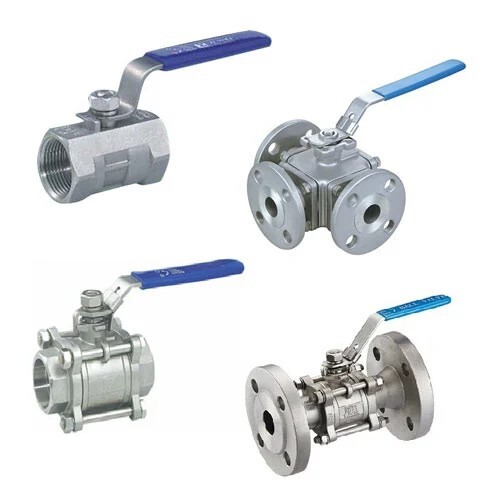
Ball Valve Types in India
Price 2000 INR / Unit
Minimum Order Quantity : 1 Number
Media : Water
Material : Stainless Steel
Finish : Polished & Coated

 Send Inquiry
Our Products
- Needle Valve
- Ball Valve
- Globe Valve
- Gate Valve
- Y Type Strainer
- Piston Valve
- Check Valve
- Sight Glass
- Butterfly Valve
- Swing Check Valve
- Damper Valve
- Basket Strainer
- Pressure Reducing Valve
- Double Block Bleed Valve
- Moisture Separator
- Forged Valve
- Diaphragm Valve
- Mini Ball Valve
- Forbes Marshall PRV
- T Type Strainer
- Plug Valve
- Blow Down Valve
- Air Valve
- Non Return Valve
- Safety Valve
- Steam Trap
- Gasket
- L&T Ball Valve
- L&T Butterfly Valve
- AUDCO Ball Valve
- SPIRAX Marshall PRV
- Solenoid Valve
- oxygen
- roto seal coupling
- straight union
- flow control
- ptfe sheets
- ptfe
- rubber products
- felt products
- Asbestos products
- Engineered plastics products
- rubber seals
- rubber gasket
- Sight Glasses
- Jacketed Valves
- flush bottom valve
- strainer
- Sluice Gate Valve
- Slab Gate Valve
- PTFE Lined Valve
- PTFE Lined Valves


416,417 4th Floor, A Block Safal 8, Ajit Mill, Cross Rd, Rakhial,Ahmedabad - 380023, Gujarat, India

Mr Shakir Ansari
(Director)
Mobile :08071793447
 Send Inquiry
 Send SMS
Developed and Managed by Infocom Network Private Limited.
