
Call us now :08071793447
 Send Inquiry
 Send Inquiry
Ball Valve Manufacturer in Sachin
Price 4000 INR/ Unit
MOQ : 1 Number
Ball Valve Manufacturer in Sachin Specification
- Pressure
- PN16, PN25
- Channels
- 2 Way
- Caliber
- Standard
- Connection
- Flanged, Screwed
- Structure
- Ball
- Material
- Stainless Steel
- Power
- Manual
- Media
- Water, Gas, Oil
- Temperature of Media
- Medium Temperature
- Port Size
- 1/2 inch to 6 inch
- Flange
- ANSI, DIN Standard
- Finish
- Polished
- Application
- Industrial, Chemical, Water Treatment
- End Connection
- Screwed / Flanged / Socket Welded
- Size Range
- DN15 - DN150
- Leakage Class
- Class VI
- Testing Standard
- API 598
- Body Thickness
- As per ASME B16.34
- Seat Material
- PTFE / RPTFE
- Operation Type
- Lever / Gear Operated
- Design Standard
- BS5351 / ISO 5211
- Body Material
- CF8 / CF8M
About Ball Valve Manufacturer in Sachin
Introduction:
FlowBiz Export Private Limited is a renowned manufacturer and supplier of Ball Valve in Sachin, India.
Ball Valve Working
FlowBiz Exports' brand ball valve controls flow using a hollow, perforated, and pivoting ball. The ball valve drives the valve handle to rotate by a transmission, which drives the ball to rotate about an axis perpendicular to the flow. It is open when the ball's hole is in line with the flow and closed when it is pivoted 90 degrees by the valve handle.
Suppose the ball valve is left partially open for an extended period under a high-pressure drop across the ball. In that case, the soft seat will flow around the edge of the ball orifice and lock the ball in that position.
We are a Manufacturer, Supplier, and Exporter of Ball Valve in Sachin, Rajkot, Ahmedabad, Vapi, Valsad, Surat, Gandhidham, Kutch, Ankleshwer, Bharuch, Mumbai, Nashik, Pune, Thane, Aurangabad, Satara, Sangli, Nagpur, Kolhapur, Indore, Dewas, Bhopal, Chennai, Coimbatore, Selam and all over India.
Precision Engineering for Reliable Flow Control
Our ball valves are meticulously designed according to BS5351 and ISO 5211 standards, ensuring reliable performance across water, gas, and oil applications. With robust stainless-steel bodies and seats made from PTFE or RPTFE, these valves provide superior chemical resistance and tight sealing even at medium temperatures, making them ideal for demanding industrial environments.
Built for Easy Integration and Versatile Operation
Choose from lever or gear-operated mechanisms to suit your operational needs. The valves accommodate various end connections, including flanged, screwed, and socket welded, compliant with ANSI and DIN standards. With a wide port size range, integrating our ball valves into existing systems is straightforward and efficient.
Quality Tested for Safety and Longevity
Each valve is tested per API 598 requirements and adheres to ASME B16.34 body thickness standards. Our commitment to quality ensures that every valve delivers leak-free operation (Class VI) and extended service life under pressures up to PN25, guaranteeing reliability in industrial and chemical processes.
FAQ's of Ball Valve Manufacturer in Sachin:
Q: How are the seat materials (PTFE/RPTFE) beneficial for ball valves in industrial applications?
A: PTFE and RPTFE seat materials offer excellent chemical resistance and low friction, ensuring leak-tight sealing and longer service life in various industrial and chemical processes. These materials remain stable at medium temperatures and resist wear from aggressive media, providing reliable performance over extended periods.Q: What is the testing process for these ball valves before shipment?
A: All ball valves undergo rigorous API 598 testing, which includes pressure and leakage assessments to confirm they meet or exceed industry standards for tightness and safety. This careful testing ensures dependable operation and quality assurance for every batch supplied.Q: When should I choose lever-operated versus gear-operated ball valves?
A: Lever-operated ball valves are ideal for smaller sizes (up to DN50) and allow quick manual operation. Gear-operated valves are preferable for larger sizes (DN65 and above) or when additional torque is needed, making it easier to open or close the valve under higher pressures or in tight spaces.Q: Where can these stainless steel ball valves be installed?
A: These valves are designed for installation in a variety of systems, including industrial pipelines, water treatment plants, and chemical processing units. Their versatile end connections (flanged, screwed, socket welded) and compliance with ANSI and DIN standards make them suitable for global projects.Q: What are the advantages of using these ball valves for water, gas, and oil applications?
A: Constructed from corrosion-resistant stainless steel with precision-finished seating, these ball valves provide superior durability and leak-tight performance. Their suitability for different media-water, gas, and oil-makes them a reliable choice for versatile and demanding environments.Q: How does the compliance with standards such as BS5351, ISO 5211, and ASME B16.34 benefit users?
A: Compliance ensures that each valve meets international benchmarks for design, durability, body thickness, and mechanical strength, guaranteeing consistency, safety, and system compatibility worldwide.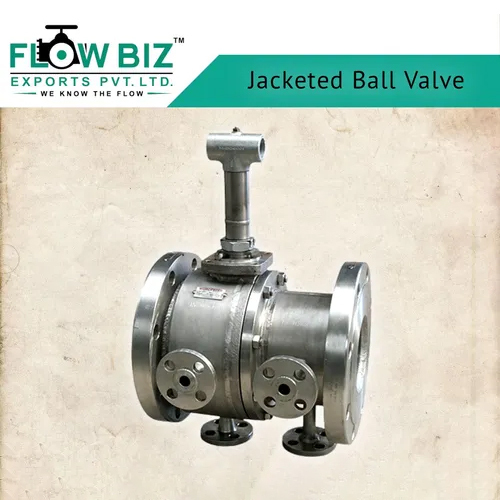
Tell us about your requirement

Price:
Quantity
Select Unit
- 50
- 100
- 200
- 250
- 500
- 1000+
Additional detail
Mobile number
Email

More Products in Ball Valve Category
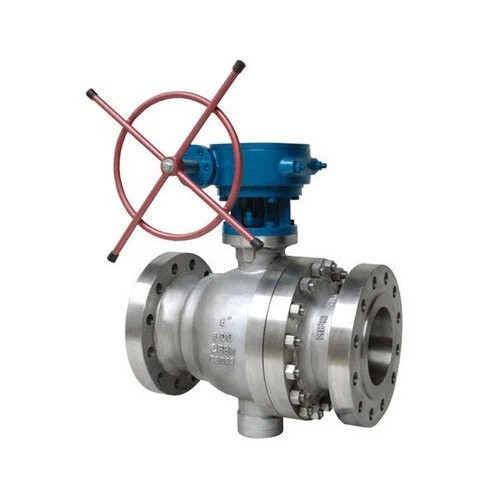
Trunnion Mounted Ball Valve Manufacturer in India
Price 2200 INR / Unit
Minimum Order Quantity : 1 Number
Material : Other, Carbon Steel, Stainless Steel, Alloy Steel
Application : Oil & Gas, Chemical Processing, Petrochemical, Power Plants, Refineries
Media : Other, Oil, Water, Gas, Chemical
Finish : Anticorrosive Painted/Coated

3 Way High Pressure Ball Valve Manufacturer in Mumbai
Price 1500 INR / Unit
Minimum Order Quantity : 1 Number
Material : Other, Stainless Steel / Carbon Steel / Alloy Steel
Application : Industrial, Chemical, Petrochemical, Oil & Gas, Power Plants
Media : Other, Water, Oil, Gas, Chemical
Finish : Polished / Coated
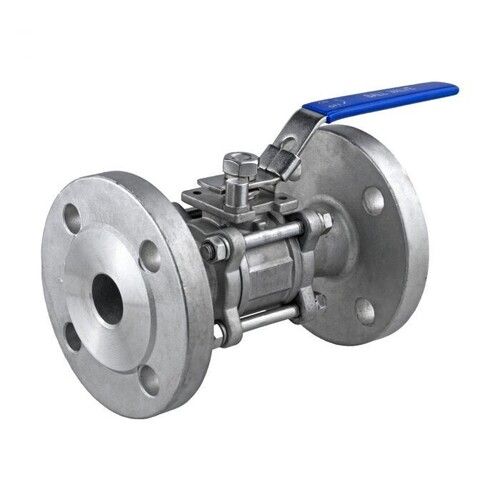
3 Piece Ball Valve Manufacturer in Vadodara
Price 600 INR / Unit
Minimum Order Quantity : 1 Number
Material : Other, Stainless Steel, Carbon Steel, Alloy Steel
Application : Industrial, Chemical, Water Treatment, Petrochemical, Oil & Gas
Media : Other, Water, Oil, Gas, Steam, Chemicals
Finish : Polished, Matte
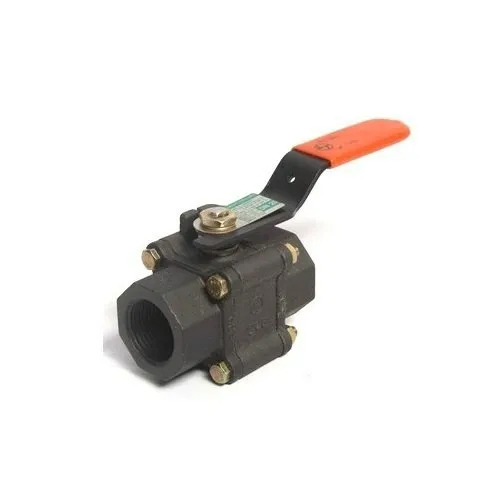
Audco Stainless Steel Make Three-Piece Ball Valve
Price 1200 INR / Unit
Minimum Order Quantity : 1 Unit
Material : Stainless Steel
Application : Industrial
Media : Gas
Finish : Polished

 Send Inquiry
Our Products
- Needle Valve
- Ball Valve
- Globe Valve
- Gate Valve
- Y Type Strainer
- Piston Valve
- Check Valve
- Sight Glass
- Butterfly Valve
- Swing Check Valve
- Damper Valve
- Basket Strainer
- Pressure Reducing Valve
- Double Block Bleed Valve
- Moisture Separator
- Forged Valve
- Diaphragm Valve
- Mini Ball Valve
- Forbes Marshall PRV
- T Type Strainer
- Plug Valve
- Blow Down Valve
- Air Valve
- Non Return Valve
- Safety Valve
- Steam Trap
- Gasket
- L&T Ball Valve
- L&T Butterfly Valve
- AUDCO Ball Valve
- SPIRAX Marshall PRV
- Solenoid Valve
- oxygen
- roto seal coupling
- straight union
- flow control
- ptfe sheets
- ptfe
- rubber products
- felt products
- Asbestos products
- Engineered plastics products
- rubber seals
- rubber gasket
- Sight Glasses
- Jacketed Valves
- flush bottom valve
- strainer
- Sluice Gate Valve
- Slab Gate Valve
- PTFE Lined Valve
- PTFE Lined Valves


416,417 4th Floor, A Block Safal 8, Ajit Mill, Cross Rd, Rakhial,Ahmedabad - 380023, Gujarat, India

Mr Shakir Ansari
(Director)
Mobile :08071793447
 Send Inquiry
 Send SMS
 Call Me Free
Developed and Managed by Infocom Network Private Limited.
