Call us now :08071793447
 Send Inquiry
 Send Inquiry
Forged Steel Ball Valve Manufacturer in Kheda
Price 800 INR/ Unit
MOQ : 1 Number
Forged Steel Ball Valve Manufacturer in Kheda Specification
- Connection
- Socket/Threaded/Welded
- Structure
- Ball Valve
- Caliber
- Full Bore
- Channels
- 2 Way
- Pressure
- Class 150/300/600/900
- Material
- Forged Steel
- Power
- Manual
- Media
- Water, Oil, Gas
- Temperature of Media
- High Temperature
- Port Size
- 15 mm to 300 mm
- Flange
- ANSI Flanged Ends
- Finish
- Anti-Corrosive Coating
- Application
- Industrial Pipelines, Chemical Plants, Refineries
- Handle Type
- Lever Operated
- Operation
- Quarter Turn
- Leakage Class
- Class VI
- Body Material
- A105, F304, F316
- Design Temperature
- Up to 450°C
- Seat Material
- PTFE/RPTFE/Metal
- Testing
- Hydrostatic & Pneumatic
- End Connections
- Screwed, Socket Weld, Butt Weld, Flanged
- Standard
- API 6D, BS 5351
- Size Range
- ½ inch to 12 inch
About Forged Steel Ball Valve Manufacturer in Kheda
FlowBiz Exports' forged steel ball valves are used in pipelines. They assure safe flow stoppage by combining an all-welded forged steel body, eliminating the need for longitudinal welds, and a system of double seals in all seal assemblies, including the seat seal assembly.
Forged steel ball valves are mainly used in long-distance oil and natural gas pipelines and other high-pressure industrial pipelines. Due to the unique characteristics of long-distance pipelines, forged steel ball valves used in long-distance pipelines need to consider the factors of pipeline stress they need to bear, factors of long-term service reliability of outdoor environment, etc.
Some of the commonly used materials for manufacturing forged steel ball valves:
ASTM A105/A105N
ASTM A350 LF2
ASTM A182 F304/F316/F304L/F316L/F347
ASTM A182 F51/F50/F55/F60
Superior Valve Design for Demanding Environments
Our forged steel ball valves ensure robust, long-lasting performance in challenging conditions, supporting media like water, oil, and gas at elevated temperatures. Designed with anti-corrosive coatings and precision-engineered from A105, F304, or F316 materials, they meet rigorous API 6D and BS 5351 standards, delivering safety and reliability in industrial applications.
Versatile Connection Options for Flexible Installation
Choose from a variety of end connections including screwed, socket weld, butt weld, and ANSI flanged ends. This versatility allows seamless integration into existing pipelines or new installations, accommodating a wide port size range from 15 mm to 300 mm, and supporting pressure ratings from Class 150 up to Class 900.
Comprehensive Quality Testing & Compliance
Each valve undergoes both hydrostatic and pneumatic testing to ensure leakproof performance and durability. Strict adherence to international standards guarantees Class VI leakage integrity, offering peace of mind for operations in pipelines, refineries, or chemical plants.
FAQ's of Forged Steel Ball Valve Manufacturer in Kheda:
Q: How does a lever-operated quarter-turn ball valve function?
A: A lever-operated quarter-turn ball valve operates by rotating the handle 90 degrees to open or close the valve. This simple mechanism allows for fast and reliable flow control of water, oil, or gas, making it ideal for industries that demand prompt shut-off and regulation.Q: What materials are used in the construction of these forged steel ball valves?
A: Our ball valves are built from high-quality forged steel materials, including A105, F304, and F316. The internal seats are available in PTFE, RPTFE, or metal, ensuring durable performance and compatibility with a wide range of media and operational temperatures.Q: When is it necessary to choose a ball valve with metal seats instead of PTFE or RPTFE?
A: Metal seat ball valves are recommended for applications involving very high temperatures, abrasive media, or situations where PTFE or RPTFE might degrade. They provide enhanced durability and leak resistance for severe service conditions.Q: Where can these ball valves be used?
A: These forged steel ball valves are designed for use in industrial pipelines, chemical processing plants, refineries, and other demanding environments within the water, oil, and gas sectors-both in India and for export markets.Q: What is the process for ensuring leakage integrity and quality control?
A: Every valve undergoes comprehensive hydrostatic and pneumatic testing as per API 6D and BS 5351 standards. This rigorous process checks for Class VI leakage integrity and validates valve performance under pressure before shipment.Q: How do the multiple end connection options benefit users?
A: Offering screwed, socket weld, butt weld, and flanged end connections provides flexibility for integration into various piping systems. This adaptability makes installation easier and more cost-effective in both new projects and retrofits.Q: What are the primary benefits of using these forged steel ball valves in industrial applications?
A: The benefits include high resistance to corrosion, reliable performance under extreme temperature and pressure, full bore flow with minimal pressure drop, and easy user operation. These features ensure long service life and safe process control in industrial settings.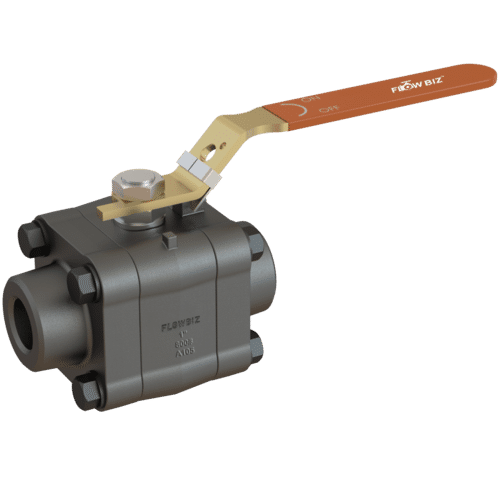
Tell us about your requirement

Price:
Quantity
Select Unit
- 50
- 100
- 200
- 250
- 500
- 1000+
Additional detail
Mobile number
Email

More Products in Ball Valve Category
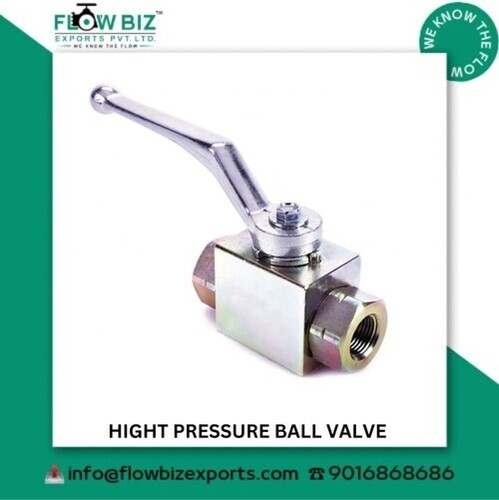
High Pressure Ball Valve Manufacturer in Gandhidham
Price 2000 INR / Unit
Minimum Order Quantity : 1 Number
Finish : Precision Machined, Corrosion Resistant Coating
Application : High Pressure Pipeline, Oil & Gas Industries, Chemical Plants
Material : Other, Forged Carbon Steel / Stainless Steel / Alloy Steel
Media : Other, Water, Oil, Gas, Air, Steam
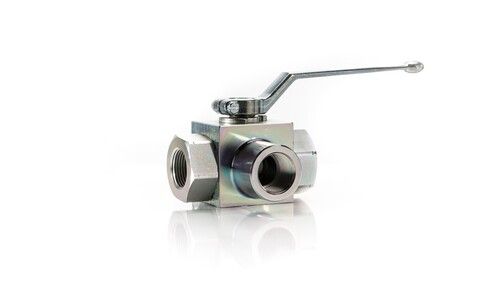
3 Way High Pressure Ball Valve Manufacturer in Ahmedabad
Price 1500 INR / Unit
Minimum Order Quantity : 1 Number
Finish : Polished
Application : Industrial, Chemical, Petrochemical, Pharmaceutical
Material : Other, Stainless Steel / Carbon Steel / Alloy Steel
Media : Other, Water, Oil, Gas, Chemicals
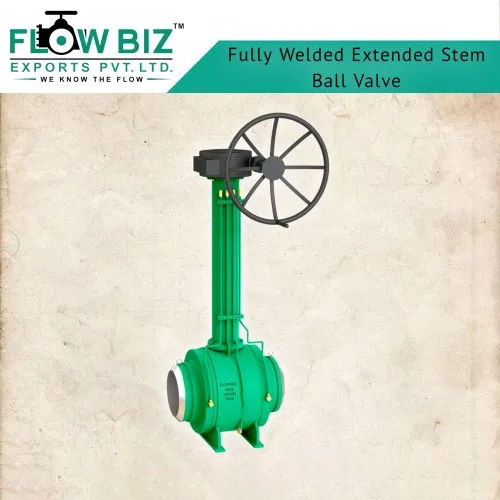
Fully Welded Extended Stem Ball Valve
Price 10000 INR / Unit
Minimum Order Quantity : 1 Unit
Finish : Painted
Application : Industrial
Material : Brass
Media : Gas
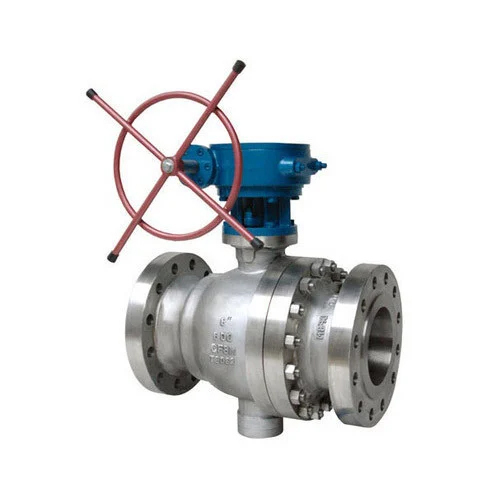
Trunnion Mounted Ball Valves Manufacturer in Kheda
Price 1500 INR / Unit
Minimum Order Quantity : 1 Number
Finish : Plain
Application : Air, Liquid , Gas
Material : Stainless Steel
Media : Water

 Send Inquiry
Our Products
- Needle Valve
- Ball Valve
- Globe Valve
- Gate Valve
- Y Type Strainer
- Piston Valve
- Check Valve
- Sight Glass
- Butterfly Valve
- Swing Check Valve
- Damper Valve
- Basket Strainer
- Pressure Reducing Valve
- Double Block Bleed Valve
- Moisture Separator
- Forged Valve
- Diaphragm Valve
- Mini Ball Valve
- Forbes Marshall PRV
- T Type Strainer
- Plug Valve
- Blow Down Valve
- Air Valve
- Non Return Valve
- Safety Valve
- Steam Trap
- Gasket
- L&T Ball Valve
- L&T Butterfly Valve
- AUDCO Ball Valve
- SPIRAX Marshall PRV
- Solenoid Valve
- oxygen
- roto seal coupling
- straight union
- flow control
- ptfe sheets
- ptfe
- rubber products
- felt products
- Asbestos products
- Engineered plastics products
- rubber seals
- rubber gasket
- Sight Glasses
- Jacketed Valves
- flush bottom valve
- strainer
- Sluice Gate Valve
- Slab Gate Valve
- PTFE Lined Valve
- PTFE Lined Valves


416,417 4th Floor, A Block Safal 8, Ajit Mill, Cross Rd, Rakhial,Ahmedabad - 380023, Gujarat, India

Mr Shakir Ansari
(Director)
Mobile :08071793447
 Send Inquiry
 Send SMS
 Call Me Free
Developed and Managed by Infocom Network Private Limited.
