Call us now :08071793447
 Send Inquiry
 Send Inquiry
3 Way High Pressure Ball Valve Manufacturer in Ahmedabad
Price 1500 INR/ Unit
MOQ : 1 Number
3 Way High Pressure Ball Valve Manufacturer in Ahmedabad Specification
- Caliber
- Full Bore / Reduced Bore
- Connection
- Screwed / Flanged / Socket Weld
- Channels
- 3
- Pressure
- High Pressure up to 6000 PSI
- Structure
- 3 Way Ball Valve
- Material
- Stainless Steel / Carbon Steel / Alloy Steel
- Power
- Manual / Pneumatic / Electric
- Media
- Water, Oil, Gas, Chemicals
- Temperature of Media
- -20C to +180C
- Port Size
- 1/4 inch to 4 inch
- Flange
- ANSI, DIN, IS Standard
- Finish
- Polished
- Application
- Industrial, Chemical, Petrochemical, Pharmaceutical
- Handle Material
- Stainless Steel / Coated Steel
- Operation Temperature
- Customizable as per requirement
- Design Standard
- BS 5351 / API 6D
- Sealing Type
- PTFE / Graphite / Metal Seated
- Testing Standard
- API 598 / BS 6755
- Operation
- Lever / Gear / Actuator Operated
- Body Type
- L-Port, T-Port Configurations
- Face to Face Dimension
- ASME B16.10 Standard
- Mounting Pad
- ISO 5211 Available
- End Connections
- Threaded, Flanged, Butt Weld
- Leakage Class
- Class VI
About 3 Way High Pressure Ball Valve Manufacturer in Ahmedabad
Product Specification:
Brand: FlowBiz
Usage/Application: Industrial
Pressure: High Pressure
Valve Size: 1/4 Inch to 3 Inch
End Connection: Threaded
Product Description:
3/3-way ball valves interrupt or facilitate the medium flow. These valves, available worldwide, can be optionally equipped with a locking device to avoid unauthorized opening and shut-off; they support the safety of the entire system. Ball valves with a detent position or fastening bore are also part of the program.
Markets:
Agriculture
Mobile hydraulics
Air & Gas Compressors
Offshore and Shipbuilding
Construction Machinery
Railway Industry
Trucks
Natural Gas
Applications:
Suitable for general hydraulic applications.
Advanced Valve Configurations for Precise Flow Control
Our 3 Way High Pressure Ball Valves can be configured in L-Port or T-Port arrangements, allowing versatile flow direction adjustments essential for complex industrial processes. These valves are engineered with high-grade materials and offer full bore and reduced bore calibers to maximize compatibility and efficiency in any system.
Robust Construction and Compliance with International Standards
All valves are manufactured using stainless steel, carbon steel, or alloy steel to guarantee resilience under demanding conditions. With precision machined components and sealing options in PTFE, graphite, or metal, these valves satisfy rigorous testing under API 598 and BS 6755. All design, dimensions, and flanges meet BS 5351, API 6D, and ASME B16.10 standards.
Customizable for Diverse Applications and Media
Our ball valves are suitable for diverse media including water, oil, gas, and chemicals. They can be operated manually, pneumatically, or electrically, making them ideal for a wide array of industrial uses. Operation temperatures and port sizes can be customized, ensuring seamless integration into any pipeline or process requirement.
FAQ's of 3 Way High Pressure Ball Valve Manufacturer in Ahmedabad:
Q: How do you select the appropriate operation mode for a 3 Way High Pressure Ball Valve?
A: The operation mode-lever, gear, or actuator operated-depends on your system's requirements, such as the frequency of valve operation, available space, and required automation. Manual levers are ideal for straightforward applications, while gear or actuator options suit larger sizes and automated processes.Q: What sealing types are available, and how do I choose between PTFE, graphite, or metal seated options?
A: Sealing types like PTFE, graphite, or metal are chosen based on the media and operating conditions. PTFE is suited for chemical resistance and moderate temperatures, graphite handles higher temperatures, and metal seats are best for severe or abrasive applications where maximum durability is needed.Q: When should L-Port versus T-Port configurations be used?
A: L-Port ball valves are typically used for diverting flow from one inlet to two outlets or vice versa, while T-Port valves allow for mixing or splitting flow between three lines. The selection depends on your specific process requirements and whether you need simultaneous or alternating flow paths.Q: Where can these valves be installed and in which industries are they most beneficial?
A: Our 3 Way High Pressure Ball Valves can be installed in piping systems requiring precise control, especially in industrial, chemical, petrochemical, and pharmaceutical sectors. Their flexibility and high-pressure capability make them ideal for applications involving aggressive media and demanding operational environments.Q: What is the process for testing and certifying these valves?
A: All valves undergo strict pressure and leakage testing in accordance with API 598 and BS 6755 standards. This ensures reliable performance and compliance with international safety and quality regulations before delivery.Q: How does the mounting pad (ISO 5211) benefit valve automation?
A: The ISO 5211 mounting pad standardizes actuator mounting, enabling quick and easy automation upgrades. This feature streamlines the integration of pneumatic or electric actuators, enhancing operational flexibility and efficiency.Q: What are the advantages of using stainless steel or alloy steel for valve construction?
A: Stainless and alloy steels provide excellent corrosion resistance, mechanical strength, and durability under high pressures and wide temperature ranges. This prolongs valve lifespan, reduces maintenance needs, and ensures safe operation in demanding environments.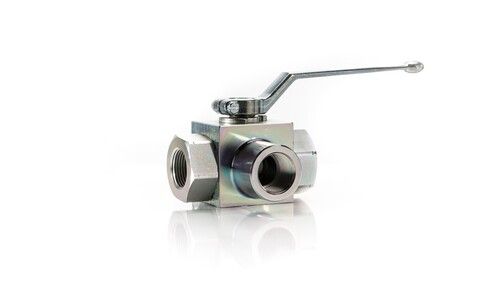
Tell us about your requirement

Price:
Quantity
Select Unit
- 50
- 100
- 200
- 250
- 500
- 1000+
Additional detail
Mobile number
Email

More Products in Ball Valve Category
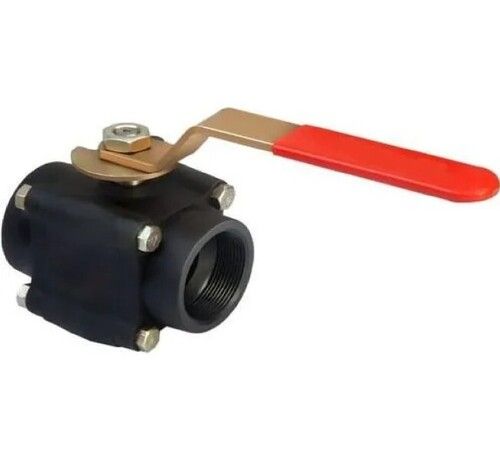
Forged Steel Ball Valve Manufacturer in Jamnagar
Price 600 INR / Unit
Minimum Order Quantity : 1 Number
Media : Other, Water, Oil, Gas
Application : Industrial
Material : Other, Forged Steel
Temperature of Media : High Temperature
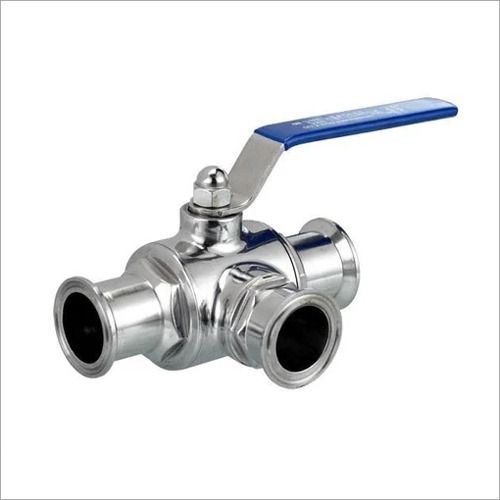
Three Way Ball Valves
Price 3000 INR / Unit
Minimum Order Quantity : 1 Number
Media : Other, Water, Oil, Gas
Application : Industrial Flow Control
Material : Stainless Steel
Temperature of Media : 10C to 120C
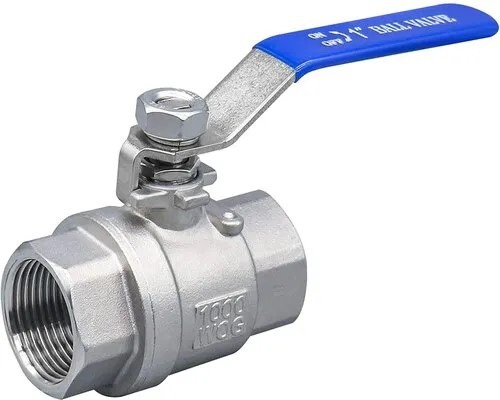
WOG Ball Valve Manufacturer in Pune
Price 1400 INR / Unit
Minimum Order Quantity : 1 Number
Media : Other, Water, Oil, Gas
Application : Industrial, Water Supply, Oil & Gas, Chemical
Material : Stainless Steel
Temperature of Media : Normal Temperature
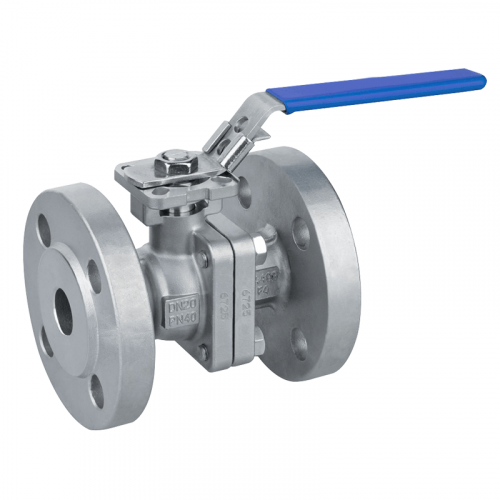
Single Piece Ball Valve Manufacturer in Gandhinagar
Price 500 INR / Unit
Minimum Order Quantity : 1 Number
Media : Water
Application : Industrial Flow Control
Material : Stainless Steel

 Send Inquiry
Our Products
- Needle Valve
- Ball Valve
- Globe Valve
- Gate Valve
- Y Type Strainer
- Piston Valve
- Check Valve
- Sight Glass
- Butterfly Valve
- Swing Check Valve
- Damper Valve
- Basket Strainer
- Pressure Reducing Valve
- Double Block Bleed Valve
- Moisture Separator
- Forged Valve
- Diaphragm Valve
- Mini Ball Valve
- Forbes Marshall PRV
- T Type Strainer
- Plug Valve
- Blow Down Valve
- Air Valve
- Non Return Valve
- Safety Valve
- Steam Trap
- Gasket
- L&T Ball Valve
- L&T Butterfly Valve
- AUDCO Ball Valve
- SPIRAX Marshall PRV
- Solenoid Valve
- oxygen
- roto seal coupling
- straight union
- flow control
- ptfe sheets
- ptfe
- rubber products
- felt products
- Asbestos products
- Engineered plastics products
- rubber seals
- rubber gasket
- Sight Glasses
- Jacketed Valves
- flush bottom valve
- strainer
- Sluice Gate Valve
- Slab Gate Valve
- PTFE Lined Valve
- PTFE Lined Valves


416,417 4th Floor, A Block Safal 8, Ajit Mill, Cross Rd, Rakhial,Ahmedabad - 380023, Gujarat, India

Mr Shakir Ansari
(Director)
Mobile :08071793447
 Send Inquiry
 Send SMS
 Call Me Free
Developed and Managed by Infocom Network Private Limited.
