
Call us now :08071780343
 Send Inquiry
 Send Inquiry
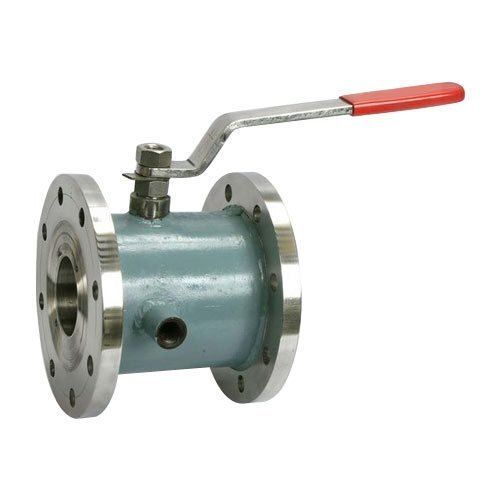
Wafer Type Jacketed Ball valve
Price 7000 INR/ Unit
Wafer Type Jacketed Ball valve Specification
- Pressure
- Class 150 / 300 / 600 (up to 40 Bar)
- Structure
- Wafer Type, Full or Reduced Bore, 2 or 3 Piece Design
- Caliber
- Standard, Customized size available
- Channels
- 2 Ways
- Connection
- Wafer Type, compatible for ANSI, DIN, JIS standards
- Material
- ASTM A216 WCB / ASTM A351 CF8 / CF8M / CF3 / CF3M, Stainless Steel, Carbon Steel, Alloy Steel (as per requirement)
- Power
- Manual / Pneumatic / Electric actuators as per application
- Media
- Water, Oil, Gas, Steam, Chemicals, Thermic Fluids, Cryogenic Applications
- Temperature of Media
- -20°C to 300°C (special design available for higher/cryogenic temperature)
- Port Size
- 1 to 12 (DN25 to DN300)
- Flange
- As per ANSI B16.5 / DIN / JIS Standards
- Finish
- Corrosion-resistant painted/jacketed, as per customer requirement
- Application
- Process Industries, Chemical Plants, Oil & Gas, Food & Pharma, Petrochemicals, Power Plants, General Industrial Use
- Blowout Proof Stem
- Standard Design Feature
- Fire Safe Design
- Available as per API 607
- Jacket Material
- CS, SS304, SS316 as per specification
- Face to Face Dimension
- As per ASME B16.10
- Leakage Testing
- 100% Hydrostatic and Pneumatic tested
- Operation
- Lever / Gear / Automated
- Ball Material
- SS304 / SS316 / EN8 as per process media
- Standards Followed
- API 6D / ISO 17292
- Jacket Pressure Rating
- Up to 10 Bar
- End Connection
- Wafer flange connection fits between two flanges
- Jacket Connection
- BSP / NPT / Flanged inlet & outlet for heating/cooling fluid
- Antistatic Device
- As per design
- Seat Material
- PTFE, CFT, PEEK, RPTFE, Metal, Others on request
Wafer Type Jacketed Ball valve About
Jacketed Wafer Type Ball Valve is a kind of heating Jacket Ball Valve used to keep media cold preservation or heat
preservation has a high-performance insulation structure, mainly uses high heating temperatures and maintains the
medium stay liquid.
A Wafer Type Jacketed Ball Valve is the most suitable alternative for Chocolate, Grease, Benzene, Sulphur, Molten Sulphur, Asphalt, Bitumen, Wax, Polyurethane, Resin, Fatty Alcohol & Similar applications, where the medium quickly solidifies & cannot flow at an average atmospheric temperature.
Size Range: 1 inch to 4 inches (25mm to 100mm)
Standards:
Design and Manufacturing: ASME B 16.34 / API 6D
Valve Face-to-Face Dimension: As per Manufacturer
Flange Standard Conformity: ASME B 16.5 Class 150, 300
Inspection & Testing: API 6D / FCI - 70-2 / BS EN 12266-2
Versatile Jacketed Design for Enhanced Temperature Control
The wafer type jacketed ball valve is designed to regulate media temperature efficiently using a heatable/coolable jacket made from carbon steel or different stainless steels. The jacket facilitates the circulation of heating or cooling fluids, making these valves ideal for managing process media with strict temperature requirements in industries such as food, chemicals, and oil & gas.
Robust Construction and Flexible Sizing Options
Manufactured with materials like ASTM A216 WCB, ASTM A351 CF8/CF8M/CF3/CF3M, stainless steel, carbon steel, or alloy steel, this valve offers both durability and corrosion resistance. The availability in full or reduced bore, 2 or 3 piece design, and port sizes from 1 to 12 ensures adaptability for multiple industrial applications.
Safety and Certification Assured
Safety features include a fire-safe design certified to API 607, antistatic device, blowout-proof stem, and thorough hydrostatic and pneumatic leakage testing. Compliance with international standards like API 6D and ISO 17292 ensures the valve meets rigorous performance and quality requirements for demanding environments.
FAQ's of Wafer Type Jacketed Ball valve:
Q: How does the jacketed design improve process temperature control?
A: The jacketed construction allows heating or cooling fluids to circulate around the valve body, maintaining the desired temperature of the process media. This ensures consistent media properties and optimal performance, particularly vital in temperature-sensitive processes like chemical reactions or food production.Q: What materials are available for the jacket, ball, and seat components?
A: Jacket material options include carbon steel (CS), SS304, and SS316. The ball can be made from SS304, SS316, or EN8, selected according to media compatibility. Seat materials offered are PTFE, CFT, PEEK, RPTFE, metal, or others upon request, based on application requirements and media properties.Q: Where can wafer type jacketed ball valves be used?
A: These valves are suitable for process industries, chemical plants, oil & gas facilities, food and pharmaceutical sectors, petrochemical operations, power plants, and general industrial applications requiring effective media isolation and temperature control.Q: What pressure and temperature ratings do these valves support?
A: The valve's jacket can handle pressures up to 10 Bar, and main valve pressure ratings are available in Class 150, 300, and 600 (up to 40 Bar). Temperature ratings for media range from -20C to 300C, and special designs are available for higher or cryogenic applications.Q: How are leakage tests conducted to ensure valve quality?
A: Each valve undergoes 100% hydrostatic and pneumatic testing as part of the leakage verification process. This rigorous quality assurance guarantees safe and leak-free operation under specified operating conditions.Q: What operational options are available for these valves?
A: Depending on application needs, the valves can be equipped for manual operation (lever/gear), or automated with pneumatic or electric actuators, offering flexible control and integration into automated process systems.Q: What are the benefits of the wafer type structure and connections?
A: The wafer type design allows compact installation between two flanges according to ANSI, DIN, or JIS standards, minimizing space requirements and facilitating easy valve replacement or maintenance in complex piping systems.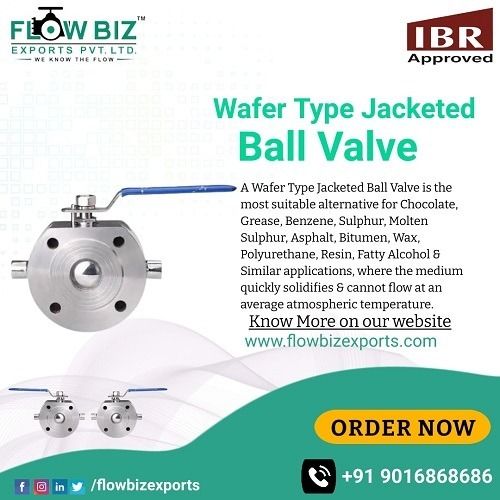
Tell us about your requirement

Price:
Quantity
Select Unit
- 50
- 100
- 200
- 250
- 500
- 1000+
Additional detail
Mobile number
Email

More Products in Ball Valve Category
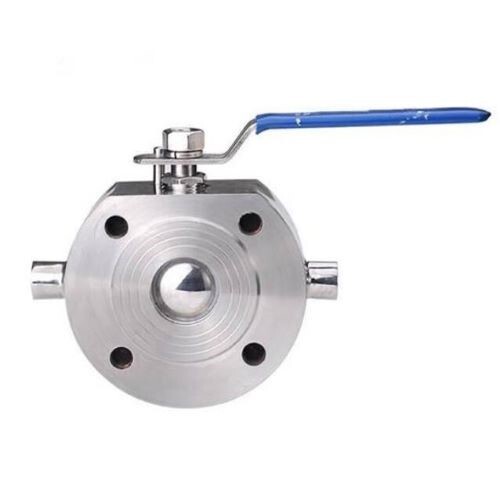
Wafer Style Ball Valve
Price 2000 INR / Unit
Minimum Order Quantity : 1 Number
Material : Other, Stainless Steel, Carbon Steel, Alloy Steel
Application : Industrial, Chemical, Water Treatment
Media : Other, Water, Oil, Gas, Chemical
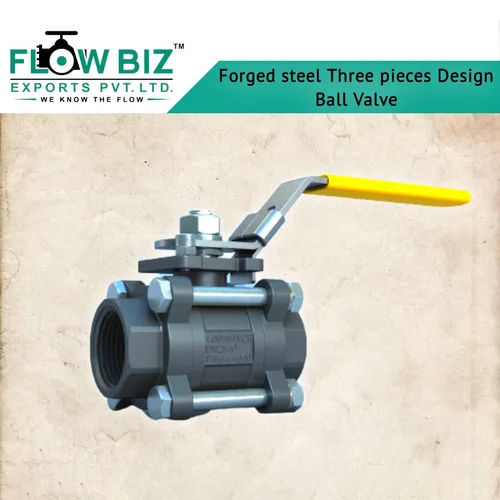
Forged Steel Three Piece Ball Valve
Price 5298 INR / Unit
Minimum Order Quantity : 1 Unit
Material : Brass
Application : Industrial
Media : Gas
Color : Grey
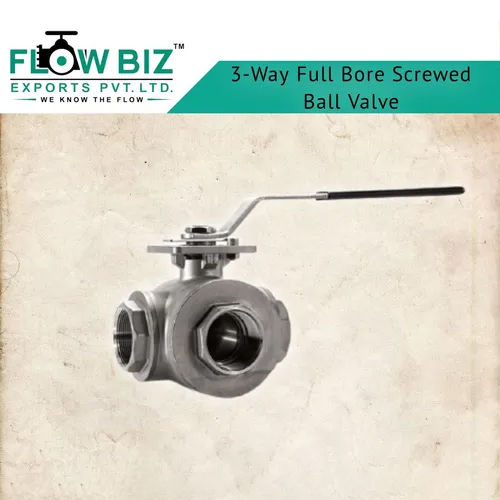
3 Way Full Bore Screwed Ball Valve
Price 1200 INR / Unit
Minimum Order Quantity : 1 Unit
Material : Brass
Application : Industrial
Media : Gas
Color : Silver
Jacketed Ball Valve Manufacturer in Jamnagar
Price 900 INR / Unit
Minimum Order Quantity : 1 Number
Material : Stainless Steel
Application : Industrial
Color : Silver

 Send Inquiry
Our Products
- Needle Valve
- Ball Valve
- Globe Valve
- Gate Valve
- Y Type Strainer
- Piston Valve
- Check Valve
- Sight Glass
- Butterfly Valve
- Swing Check Valve
- Damper Valve
- Basket Strainer
- Pressure Reducing Valve
- Double Block Bleed Valve
- Moisture Separator
- Forged Valve
- Diaphragm Valve
- Mini Ball Valve
- Forbes Marshall PRV
- T Type Strainer
- Plug Valve
- Blow Down Valve
- Air Valve
- Non Return Valve
- Safety Valve
- Steam Trap
- Gasket
- L&T Ball Valve
- L&T Butterfly Valve
- AUDCO Ball Valve
- SPIRAX Marshall PRV
- Solenoid Valve
- oxygen
- roto seal coupling
- straight union
- flow control
- ptfe sheets
- ptfe
- rubber products
- felt products
- Asbestos products
- Engineered plastics products
- rubber seals
- rubber gasket
- Sight Glasses
- Jacketed Valves
- flush bottom valve
- strainer
- Sluice Gate Valve
- Slab Gate Valve
- PTFE Lined Valve
- PTFE Lined Valves


416,417 4th Floor, A Block Safal 8, Ajit Mill, Cross Rd, Rakhial,Ahmedabad - 380023, Gujarat, India

Mr Shakir Ansari
(Director)
Mobile :08071780343
 Send Inquiry
 Send SMS
 Call Me Free
Developed and Managed by Infocom Network Private Limited.
