Call us now :08071780343
 Send Inquiry
 Send Inquiry
Strainer Manufacturer In Narmada
Price 5000 INR/ Unit
MOQ : 1 Number
Strainer Manufacturer In Narmada Specification
- Material
- Cast Iron, Carbon Steel, Stainless Steel, Bronze
- Connection Type
- Flanged End, Screwed End, Socket Weld
- Valve Type
- Strainer Valve
- Features
- Corrosion Resistant, Compact Design, Easy Maintenance, High Dirt Holding Capacity
- Control System
- Manual Filtration
- Valve Size
- 15mm to 600mm
- Application
- Industrial, Chemical, Water Treatment, Oil & Gas, Food & Beverage, Power Plant, Pharmaceutical
- Structure
- Y-Type, T-Type, Basket Type
- Sealing
- PTFE, Rubber, Metal-to-Metal
- Type
- Y Strainer, Basket Strainer, Duplex Strainer
- Power
- Manual
- Pressure
- 10kg/cm² to 40kg/cm² (PN10 to PN40)
- Media
- Liquid, Gas, Steam
- Port Size
- 1/2 to 24 (DN15 to DN600)
- Temperature
- -10°C to 220°C
- Disc
- Stainless Steel Perforated or Mesh Disc
- Body Coating
- Epoxy Painted, Powder Coated, Shot Blasted
- Design Standard
- ASME B16.34, IS 14846
- Filter Mesh Size
- 10 to 5000 microns
- Drain Plug
- Provided for Easy Cleaning
- Installation
- Horizontal & Vertical
- End Connection Standard
- ANSI, DIN, JIS, BS
- Testing Standard
- Hydrostatic & Pneumatic
- Flow Direction
- Unidirectional
- Working Life
- Over 10 Years
Strainer Manufacturer In Narmada About
Where are strainers used?
Y-strainers are operated in pipelines to protect pumps, meters, control valves, steam traps, regulators, and other process equipment. They are very cost-effective straining solutions in many applications.
What is the function of a pipe strainer?
Strainers are vital for the optimal functioning of pipelines. Their purpose within the piping system is to remove any particles or dirt that may be present in the process fluid. This protects the equipment from potential damage caused by these particles.
Versatile Industry Applications
Our strainers are trusted by industries including pharmaceuticals, water treatment plants, oil & gas, food & beverage, and power plants. Built with a choice of durable materials like cast iron, stainless steel, carbon steel, and bronze, they are designed to endure tough operating conditions and meet stringent international design and testing standards.
Innovative Filtration Technology
With precise filter mesh sizes from 10 to 5000 microns, our strainer range efficiently captures particulates, ensuring media purity and protecting downstream equipment. The robust structures-Y-type, basket, and duplex types-accommodate various media, including liquids, gases, and steam.
Ease of Installation and Maintenance
Our strainers support flexible installation in both horizontal and vertical pipelines. The inclusion of a drain plug streamlines cleaning, while compact design allows integration even in spaces with limited access. The corrosion-resistant coatings ensure longevity and reliable performance, reducing downtime and maintenance costs.
FAQ's of Strainer Manufacturer In Narmada:
Q: How do I select the appropriate mesh size for my application?
A: Choose the mesh size based on the smallest particle you need to remove from your process media. We offer mesh sizes from 10 to 5000 microns, suitable for a wide range of applications, ensuring optimal filtration without compromising flow rates.Q: What end connection standards do your strainers support?
A: Our strainers are available with ANSI, DIN, JIS, and BS standard end connections. Options include flanged, screwed, and socket weld types, making them adaptable to most pipeline specifications globally.Q: What is the recommended installation orientation for these strainers?
A: Our strainers are engineered for both horizontal and vertical installation, allowing users flexibility depending on pipeline layouts and project requirements.Q: When should the strainer be cleaned or maintained?
A: Maintenance schedules depend on application and media load. However, our strainers feature a drain plug for easy cleaning; regular inspections and cleaning are recommended to maintain flow efficiency and prevent clogging.Q: What materials are your strainers constructed from?
A: We manufacture strainers in robust materials like cast iron, carbon steel, stainless steel, and bronze. These materials, along with various body coatings, provide enhanced resistance to corrosion and mechanical stress.Q: What are the benefits of using your strainers in industrial systems?
A: Our strainers protect sensitive equipment from damage, minimize operational downtime, provide high dirt holding capacity, and offer long service life (over 10 years), all while maintaining easy maintenance and installation.Q: Can your strainers handle high pressure and temperature applications?
A: Yes. Our strainers operate efficiently in pressures ranging from 10kg/cm2 to 40kg/cm2 (PN10 to PN40) and temperatures from -10C to 220C, making them suitable for demanding industrial processes.
Tell us about your requirement

Price:
Quantity
Select Unit
- 50
- 100
- 200
- 250
- 500
- 1000+
Additional detail
Mobile number
Email

More Products in strainer Category

T Type Strainer Manufacturer in Rajkot
Price 500 INR / Unit
Minimum Order Quantity : 1 Number
Features : Easy CleanOut, Corrosion Resistant, High Flow Capacity
Material : Cast Iron, Mild Steel, Stainless Steel (304/316)
Disc : Perforated or Mesh Straining Element
Media : Other, Liquids, Gases, Steam
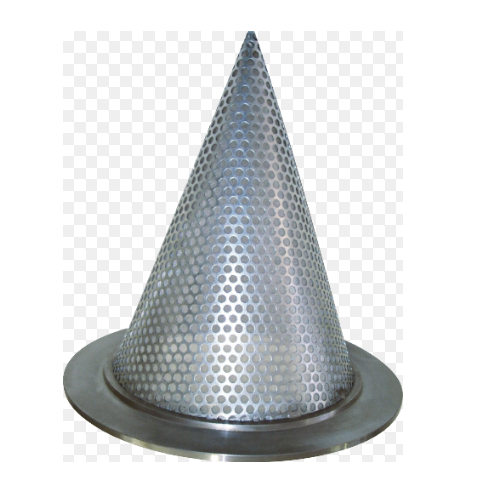
Conical Type Strainer Manufacturer In Kheda
Price 1000 INR / Unit
Minimum Order Quantity : 1 Number
Features : Easy Installation, Reusable, Corrosion Resistant, Low Maintenance, High Filtration Efficiency
Material : Stainless Steel 304/316, Carbon Steel, Alloy As Per Requirement
Disc : Perforated Sheet or Mesh
Media : Other, Water, Oil, Gas, Steam, Chemicals
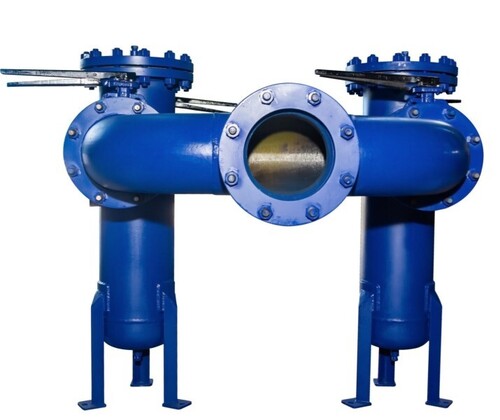
Custom Duplex Strainer
Price 700.0 INR / Number
Minimum Order Quantity : 1 Number
Features : Good Quality
Material : MS
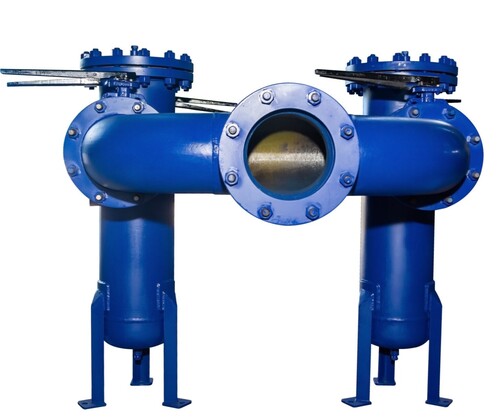
Industrial Filtration Duplex Strainer
Price 1500.0 INR / Number
Minimum Order Quantity : 1 Number
Features : Good Quality
Material : MS

 Send Inquiry
Our Products
- Needle Valve
- Ball Valve
- Globe Valve
- Gate Valve
- Y Type Strainer
- Piston Valve
- Check Valve
- Sight Glass
- Butterfly Valve
- Swing Check Valve
- Damper Valve
- Basket Strainer
- Pressure Reducing Valve
- Double Block Bleed Valve
- Moisture Separator
- Forged Valve
- Diaphragm Valve
- Mini Ball Valve
- Forbes Marshall PRV
- T Type Strainer
- Plug Valve
- Blow Down Valve
- Air Valve
- Non Return Valve
- Safety Valve
- Steam Trap
- Gasket
- L&T Ball Valve
- L&T Butterfly Valve
- AUDCO Ball Valve
- SPIRAX Marshall PRV
- Solenoid Valve
- oxygen
- roto seal coupling
- straight union
- flow control
- ptfe sheets
- ptfe
- rubber products
- felt products
- Asbestos products
- Engineered plastics products
- rubber seals
- rubber gasket
- Sight Glasses
- Jacketed Valves
- flush bottom valve
- strainer
- Sluice Gate Valve
- Slab Gate Valve
- PTFE Lined Valve
- PTFE Lined Valves


416,417 4th Floor, A Block Safal 8, Ajit Mill, Cross Rd, Rakhial,Ahmedabad - 380023, Gujarat, India

Mr Shakir Ansari
(Director)
Mobile :08071780343
 Send Inquiry
 Send SMS
 Call Me Free
Developed and Managed by Infocom Network Private Limited.
