
Call us now :08071780343
 Send Inquiry
 Send Inquiry
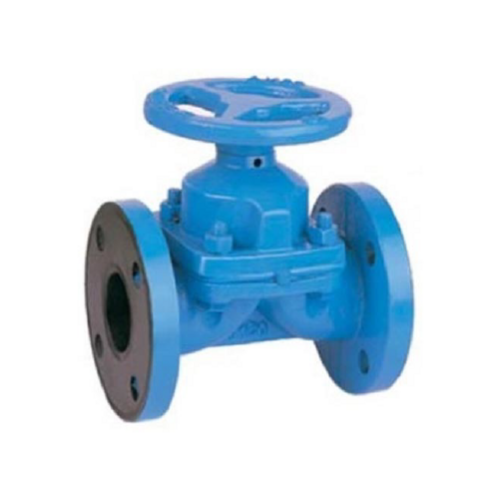
PTFE Lined Diaphragm Valve Manufacturer in India
Price 2000 INR/ Unit
MOQ : 1 Number
PTFE Lined Diaphragm Valve Manufacturer in India Specification
- Size
- DN15 to DN300
- Voltage
- 24V / 220V (For actuated type)
- Application
- Chemical, Pharmaceutical, Water Treatment
- Connection
- Flanged / Screwed / Welded
- Color
- Blue / Green / Red
- Pressure
- Up to 10 kg/cm²
- Type
- PTFE Lined Diaphragm Valve
- Material
- Body: Ductile Iron / Cast Iron, Lining: PTFE
- Temperature
- Up to 180°C
- Media
- Acids, Alkalis, Corrosive Fluids
- Standard
- DIN / BS / ASME / ASTM
- Power
- Manual / Pneumatic Actuated
- Port Size
- 15mm to 300mm
- Model
- PLDV Series
- Characteristics
- Leak-proof sealing, corrosion-resistant lining
- Design
- Weir Type / Straight Through
- Mounting Position
- Horizontal / Vertical
- Testing Pressure
- Hydrostatic 1.5 times rated
- Leakage Class
- Class VI (Zero Leakage)
- End Connection Standard
- ANSI, DIN, BS
- Diaphragm Material
- EPDM, PTFE, Rubber
- Operation
- Hand Wheel / Pneumatic Cylinder
- Top Cover Material
- Cast Iron / Polypropylene
- Maintenance
- Low maintenance, Easy to service
- Lining Thickness
- 3mm to 5mm
PTFE Lined Diaphragm Valve Manufacturer in India Trade Information
- Minimum Order Quantity
- 1 Number
- Delivery Time
- 7 Days
PTFE Lined Diaphragm Valve Manufacturer in India About
PTFE Lined Diaphragm Valves
FlowBiz PTFE Lined Diaphragm Valves, offering a reliable and efficient solution for fluid control. The diaphragm design ensures a tight seal, preventing leakage and allowing for safe handling of corrosive or hazardous fluids. With their durable construction and superior chemical resistance, Our FlowBiz PTFE Lined Diaphragm Valves are trusted by chemical processing, pharmaceuticals, and water treatment industries.
Features Of PTFE Diaphragm Valves
- The lining offered PTFE / FEP / PFA / PVDF. The thickness of the lining is between 3.5 to 6 mm.
- The lining resins are from renowned manufacturers like DuPont, Daikin, and GFC.
- Virgin PTFE, FEP, and PFA to withstand temperatures from -20 C to +240 C.
- Anti- Static lining is available on request.
- The valve outer body is offered in Stainless Steel 316 and mirror polished.
Advantages of PTFE Diaphragm Valves
- They can be utilized as throttling and on-off service valves.
- They provide good chemical resistance.
- Stem leaking is no longer an issue.
- The service is bubble-tight.
- Solids, slurries, and other contaminants are not trapped in pockets.
- This is used to control the flow of liquids and gases.
Corrosion-Resistant Performance
Constructed with high-quality PTFE lining and a range of diaphragm materials (EPDM, PTFE, Rubber), these valves ensure excellent resistance against acids, alkalis, and other corrosive fluids. This makes them a reliable choice for industries demanding uncompromised media integrity and system longevity.
Flexible Design Options
Choose between weir type and straight-through designs with various actuation (manual or pneumatic) and mounting (horizontal or vertical) options. A wide selection of end connections-flanged, screwed, or welded-ensures compatibility with global piping standards (ANSI, DIN, BS) for versatile installation.
Easy Maintenance and Zero Leakage
Featuring a maintenance-friendly top cover (in cast iron or polypropylene) and compliant with Leakage Class VI (zero leakage), our PTFE Lined Diaphragm Valves are simple to service and maintain, reducing operational downtime and ensuring reliable sealing over their service life.
FAQ's of PTFE Lined Diaphragm Valve Manufacturer in India:
Q: How are PTFE Lined Diaphragm Valves typically used in industrial applications?
A: These valves are primarily used to control the flow of aggressive media-such as acids, alkalis, and corrosive fluids-in sectors like chemicals, pharmaceuticals, and water treatment. Their corrosion-resistant PTFE lining and leak-proof seal make them suitable for critical applications where product purity and system protection are crucial.Q: What are the benefits of choosing this valve with PTFE lining and diaphragm material options?
A: PTFE lining provides robust corrosion resistance, extending valve lifespan while minimizing maintenance. Different diaphragm materials (EPDM, PTFE, Rubber) allow users to select the best fit for their media type, enhancing chemical compatibility and reliable performance.Q: When should I select a weir type versus a straight-through design?
A: Weir type designs are best suited for controlling corrosive, abrasive, or thick media with minimal sedimentation, while straight-through versions are ideal for services requiring minimal pressure drop or handling slurries. Selection depends on process requirements and fluid characteristics.Q: Where can these PTFE lined diaphragm valves be installed?
A: The valves can be mounted in either horizontal or vertical pipeline orientations. Their versatile end connections-flanged, screwed, or welded-comply with ANSI, DIN, and BS standards, allowing installation across a wide range of systems.Q: What is the typical process involved in maintaining or servicing these valves?
A: Maintenance is straightforward due to easy-access top covers made of cast iron or polypropylene. Regular inspection involves checking the diaphragm and PTFE lining condition, ensuring zero leakage, and adhering to recommended hydrostatic test procedures for maximum reliability.Q: What leakage class do these valves comply with, and what does that mean for end users?
A: These valves meet Class VI leakage standards, ensuring zero leakage performance. For end users, this translates into enhanced operational safety, product purity, and compliance with stringent quality standards in fluid management.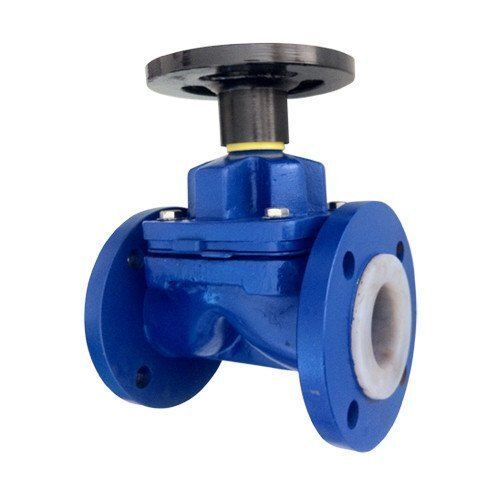
Tell us about your requirement

Price:
Quantity
Select Unit
- 50
- 100
- 200
- 250
- 500
- 1000+
Additional detail
Mobile number
Email

More Products in Diaphragm Valve Category
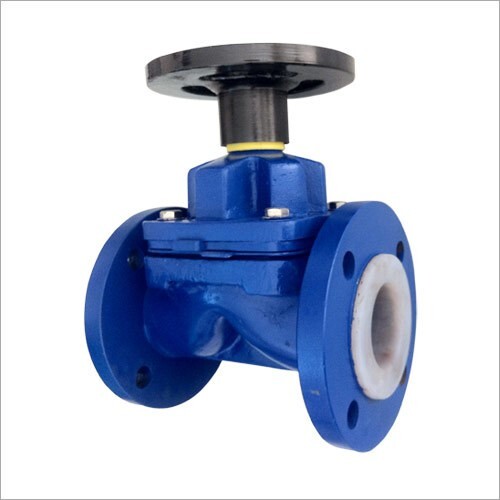
PTFE Lined Diaphragm Valve
Price 1500.0 INR / Piece
Minimum Order Quantity : 1 Piece
Media : Other, Chemicals
Material : Ductile Iron
Color : Blue
Power : Manual
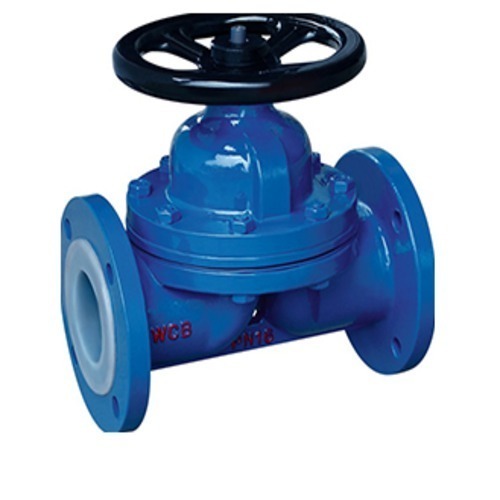
Stainless Steel Diaphragm Valve
Price 900.0 INR / Number
Minimum Order Quantity : 1 Number
Media : Other, Water, Chemicals, Oil, Gas
Material : Cast Iron
Color : Black Blue
Power : Manual
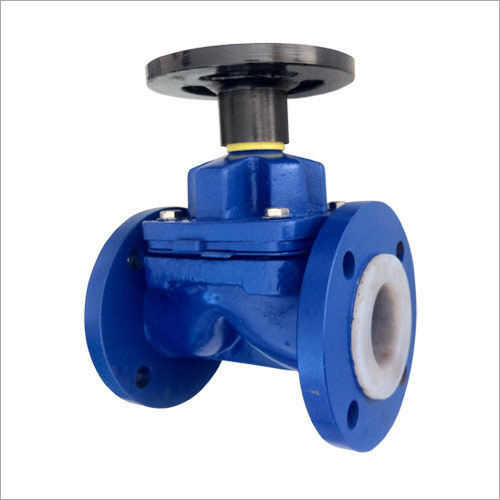
PTFE Lined Diaphragm Valve
Price 800.0 INR / Piece
Minimum Order Quantity : 1 Piece
Media : Water
Material : Ductile Iron
Color : Blue
Power : Manual
Diaphragm Valve
Price 800.00 INR / Unit
Minimum Order Quantity : 1 Number
Media : Water
Material : Cast Iron
Color : Blue
Power : Manual

 Send Inquiry
Our Products
- Needle Valve
- Ball Valve
- Globe Valve
- Gate Valve
- Y Type Strainer
- Piston Valve
- Check Valve
- Sight Glass
- Butterfly Valve
- Swing Check Valve
- Damper Valve
- Basket Strainer
- Pressure Reducing Valve
- Double Block Bleed Valve
- Moisture Separator
- Forged Valve
- Diaphragm Valve
- Mini Ball Valve
- Forbes Marshall PRV
- T Type Strainer
- Plug Valve
- Blow Down Valve
- Air Valve
- Non Return Valve
- Safety Valve
- Steam Trap
- Gasket
- L&T Ball Valve
- L&T Butterfly Valve
- AUDCO Ball Valve
- SPIRAX Marshall PRV
- Solenoid Valve
- oxygen
- roto seal coupling
- straight union
- flow control
- ptfe sheets
- ptfe
- rubber products
- felt products
- Asbestos products
- Engineered plastics products
- rubber seals
- rubber gasket
- Sight Glasses
- Jacketed Valves
- flush bottom valve
- strainer
- Sluice Gate Valve
- Slab Gate Valve
- PTFE Lined Valve
- PTFE Lined Valves


416,417 4th Floor, A Block Safal 8, Ajit Mill, Cross Rd, Rakhial,Ahmedabad - 380023, Gujarat, India

Mr Shakir Ansari
(Director)
Mobile :08071780343
 Send Inquiry
 Send SMS
 Call Me Free
Developed and Managed by Infocom Network Private Limited.
