
Call us now :08071780343
 Send Inquiry
 Send Inquiry
Piston Valves Manufacturer in Pune
Price 900 INR/ Unit
MOQ : 1 Number
Piston Valves Manufacturer in Pune Specification
- Material
- Carbon Steel, Stainless Steel, Cast Iron, Alloy Steel
- Connection Type
- Flanged Ends / Screwed Ends
- Control System
- Manual Operation
- Valve Size
- 1/2 to 8 (15 mm to 200 mm)
- Valve Type
- Inline
- Features
- Leak-proof sealing, Low maintenance, Corrosion resistant, Robust design
- Application
- Industrial, Water, Oil & Gas, Chemical Processing
- Sealing
- PTFE / Graphite
- Structure
- Piston Type
- Voltage
- Not Applicable (Manual)
- Type
- Piston Valve
- Power
- Manual
- Pressure
- Up to 40 bar
- Media
- Steam, Air, Water, Oil, Gas
- Port Size
- 15 mm to 200 mm
- Temperature
- -10°C to 220°C
- Disc
- Bronze / Stainless Steel
- Pin
- Stainless Steel
- Design Standard
- IS 9890, API 600
- Bonnet
- Bolted Cover
- End Connection
- Flanged, Screwed, Socket Weld
- Suitable Fluids
- Water, Steam, Oil, Chemicals, Gas
- Face to Face
- ASME B16.10
- Body Test Pressure
- 60 bar (hydrostatic)
- Color
- Blue / Black (custom available)
- Actuation
- Handwheel Operated
- Seat Test Pressure
- 44 bar (hydrostatic)
- Gland Packing
- PTFE / Graphite Rings
Piston Valves Manufacturer in Pune About
A Piston Valve is a less Glamorous valve and, by its design, can replace both the conventional type of Gate and Globe valves, with distinct advantages over them. The FlowBiz Piston valve works on resilient rings with a metallic stainless steel piston that moves vertically between the rings, giving a practical and durable seal. This sealing system provides a bubble-tight with shut, equivalent to, if not superior to, Class VI leak standards. The sealing rings are the heart of the valves and are available in non-asbestos, tanned graphite, and graphited asbestos varieties to handle more than 250 industrial media effectively.
FlowBiz piston valves are ideally recommended for critical and hazardous media, including Steam, Heat Transfer Oils, Acids, Gases, and VACUUM.
Manufactured in Forged Carbon Steel / Stainless Steels to 800# Sizes 15mm to 40mm, in SW and Threaded Ends. Cast Carbon Steel / Stainless steel with Flanges to 150#, #300 & DIN standards 50 to 200mm.
Salient Features:
Economical, easy to service
Leak-tight across the ports and to the atmosphere
No erosion of the sealing surface
It saves energy and does not contaminate the environment
Maintenance free
Reliable Sealing and Durability
Our piston valves are designed with robust construction, featuring PTFE or graphite sealing rings for exceptional leak-proof performance. The carbon steel, stainless steel, cast iron, and alloy steel options ensure resistance to corrosion, extending the valve's service life in demanding industrial conditions.
Versatile End Connections and Applications
Available with flanged, screwed, or socket weld ends, our valves easily integrate into diverse pipe systems. They are an excellent solution for water, steam, oil, chemical, and gas applications, making them ideal for industries such as power generation, chemical processing, and oil & gas.
Tested for Safety and Quality
Each valve undergoes strict hydrostatic testing-60 bar for the body and 44 bar for the seat-ensuring it meets international benchmarks like ASME B16.10 for face-to-face dimensions and design standards such as IS 9890 and API 600. Quality assurance is our commitment.
FAQ's of Piston Valves Manufacturer in Pune:
Q: How are piston valves primarily operated and maintained?
A: Piston valves are manually operated using a handwheel, making them easy to control without the need for electrical power. Their robust construction and PTFE or graphite packing minimize maintenance requirements, offering a low-maintenance solution for industrial flow control.Q: What are the key benefits of using these piston valves in industrial applications?
A: The valves provide leak-proof sealing, corrosion resistance, and a sturdy design ideal for handling water, steam, oil, chemicals, and gas. Their versatile end connections and compliance with global standards ensure reliable integration and long-lasting performance in industrial settings.Q: When should I choose flanged, screwed, or socket weld end connections for my application?
A: Flanged ends are best for applications requiring easy installation and removal, especially in larger sizes. Screwed ends suit smaller, lower-pressure systems, while socket weld connections offer reliable sealing for high-pressure pipelines where welding is preferred.Q: Where can these piston valves be installed?
A: These valves are suitable for installation in industrial pipelines, water supply networks, oil & gas processing units, chemical plants, and power generation facilities. Their robust design and versatile materials allow them to be used in a wide range of environments.Q: What is the manufacturing and quality testing process for these valves?
A: Each valve is precision-engineered in Pune, following IS 9890 and API 600 guidelines. After assembly, they are hydrostatically tested at 60 bar (body) and 44 bar (seat) to ensure leak-proof integrity and meet quality standards as per ASME B16.10 dimensions.Q: How do I select the appropriate valve size and material for my media and application?
A: Determine the required port size based on flow rate (options range from 15 mm to 200 mm) and select suitable materials-carbon steel, stainless steel, cast iron, or alloy steel-based on the medium's pressure, temperature, and corrosion requirements.
Tell us about your requirement

Price:
Quantity
Select Unit
- 50
- 100
- 200
- 250
- 500
- 1000+
Additional detail
Mobile number
Email

More Products in Piston Valve Category
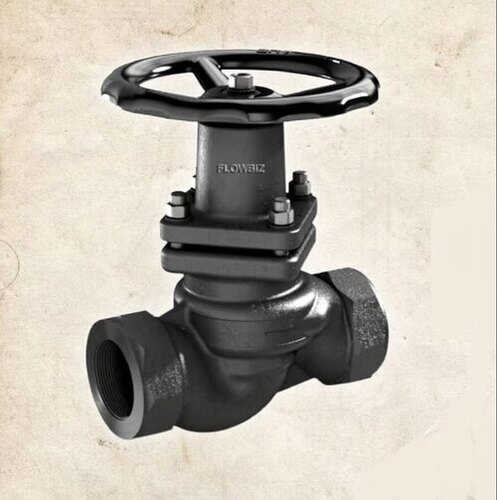
Industrial Piston Valve
Price 4000.0 INR / Set
Minimum Order Quantity : 1 Set
Media : Other
Application : Industrial Fluid Control
Disc : Forged Stainless Steel
Temperature : 10C to 180C
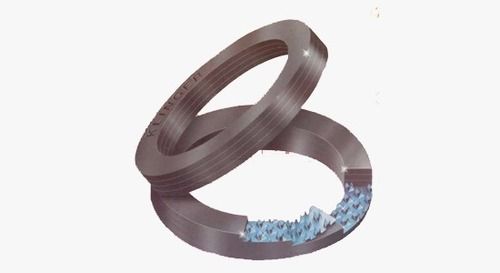
Forbes Marshall Piston Valve Ring
Price 6000 INR / Unit
Minimum Order Quantity : 1 Number
Media : Other, Steam, Thermal Oil, Water, Air, Gas, Industrial Fluids
Application : Industrial Steam and Process Pipelines
Disc : Piston Type
Temperature : Up to 427C
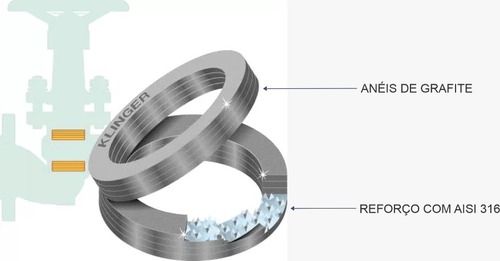
Uni Klinger Piston Valve Ring - KVN
Price 6000 INR / Unit
Minimum Order Quantity : 1 Number
Media : Other, Steam, Oil, Chemicals, Gas
Application : Steam, Thermic Fluid, Hot Oil and Chemical Process Industries
Disc : Piston with Rings
Temperature : Up to 425C
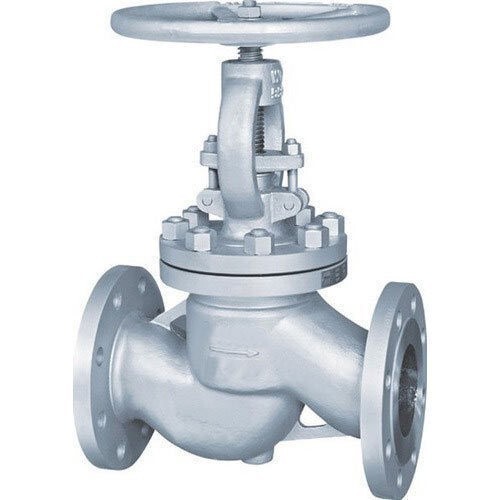

 Send Inquiry
Our Products
- Needle Valve
- Ball Valve
- Globe Valve
- Gate Valve
- Y Type Strainer
- Piston Valve
- Check Valve
- Sight Glass
- Butterfly Valve
- Swing Check Valve
- Damper Valve
- Basket Strainer
- Pressure Reducing Valve
- Double Block Bleed Valve
- Moisture Separator
- Forged Valve
- Diaphragm Valve
- Mini Ball Valve
- Forbes Marshall PRV
- T Type Strainer
- Plug Valve
- Blow Down Valve
- Air Valve
- Non Return Valve
- Safety Valve
- Steam Trap
- Gasket
- L&T Ball Valve
- L&T Butterfly Valve
- AUDCO Ball Valve
- SPIRAX Marshall PRV
- Solenoid Valve
- oxygen
- roto seal coupling
- straight union
- flow control
- ptfe sheets
- ptfe
- rubber products
- felt products
- Asbestos products
- Engineered plastics products
- rubber seals
- rubber gasket
- Sight Glasses
- Jacketed Valves
- flush bottom valve
- strainer
- Sluice Gate Valve
- Slab Gate Valve
- PTFE Lined Valve
- PTFE Lined Valves


416,417 4th Floor, A Block Safal 8, Ajit Mill, Cross Rd, Rakhial,Ahmedabad - 380023, Gujarat, India

Mr Shakir Ansari
(Director)
Mobile :08071780343
 Send Inquiry
 Send SMS
 Call Me Free
Developed and Managed by Infocom Network Private Limited.
