
Call us now :08071780343
 Send Inquiry
 Send Inquiry
Pharma Diaphragm Valve
Price 9000 INR/ Unit
MOQ : 1 Number
Pharma Diaphragm Valve Specification
- Voltage
- 24V / 230V for Electric Actuators
- Pressure
- Vacuum to 10 Bar
- Connection
- Tri-Clamp, Welded Ends, Threaded
- Application
- Pharmaceutical, Biotechnology, Food & Beverage, Chemical Processing
- Size
- Customized sizes available
- Color
- Silver / Metallic Finish
- Type
- Pharma Diaphragm Valve
- Material
- Stainless Steel (SS 316/316L)
- Temperature
- -20C to 200C
- Media
- Liquids, Gases, Clean/Corrosive Fluids
- Standard
- ASME BPE, DIN, ISO
- Power
- Manual, Pneumatic or Electric Actuation
- Port Size
- 1/2 inch to 4 inch
- Model
- Pharma Grade Diaphragm Valve
- Characteristics
- Leak-proof Isolation, GMP Design, CIP/SIP Compatible
- End Connection
- Tri-Clamp, Butt Weld, Flanged
- Availability
- Ready Stock / Made to Order
- Body Finish
- Electropolished/Mechanical Polish (Ra 0.5m)
- Diaphragm Material
- EPDM, PTFE, Silicone, FKM
- Weight
- Varies as per size and model
- Sealing
- Hermetically sealed, replacement diaphragm
- Mounting Position
- Any orientation
- Surface Roughness
- 0.5 m
- Control Options
- On/Off or Modulating Control
- Maintenance
- Easy to disassemble and clean
- Operation
- Handwheel, Pneumatic, Electric
Pharma Diaphragm Valve About
Pharma Diaphragm Valve
Operating Principles:FlowBiz Pharma Diaphragmprovides a seal body along with a seat seal. The closed design makes the valve disconnected from the outside environment, making the valve suitable for
aseptic processes.The pressure pad supporting the Diaphragm moves towards the body, sealing the face when the valve is closed. The flow path is completed through the body when the pressure plate moves, flexing the Diaphragm and forcing it down onto the seal area in the bodys centre. The inter relationship of the body to the pressure plate prevents Over-compression of the Diaphragm.
FlowBiz Pharma Diaphragm Valves have two operational variants, manually and pneumatically controlled by control tops and solenoid valves.
Size Range: 15mm to 80mm
End Connection: Tri Clover End
Applications:
Specially engineered for use in the pharmaceutical industries hygienic and aseptic process.
Excellent results for flow control and open/close duties.
Ultra-Hygienic Construction
Featuring an electropolished or mechanical polish finish, these diaphragm valves maintain a surface roughness of 0.5 m, minimizing bacterial adherence. The hermetically sealed design ensures contamination-free operation and leak-proof isolation, making them ideal for sterile processes in pharmaceutical, biotech, and food industries.
Versatile Actuation and Mounting
Available with manual, pneumatic, or electric actuators, these valves cater to a broad spectrum of control requirements. They can be installed in any orientation without performance loss, and are compatible with Tri-Clamp, Welded, Flanged, or Threaded end connections for seamless integration into existing pipelines.
Simplified Maintenance and Control
The valves are engineered for quick disassembly and cleaning, supporting CIP and SIP maintenance routines. Replacement diaphragms can be easily installed, reducing downtime. Users can choose between on/off or modulating control, depending on process needs, for precise fluid handling.
FAQ's of Pharma Diaphragm Valve:
Q: How do Pharma Diaphragm Valves ensure leak-proof isolation in pharmaceutical processes?
A: These valves feature hermetically sealed construction and precision-engineered diaphragms, creating a robust barrier that prevents fluid leakage and cross-contamination, crucial for maintaining GMP compliance and product integrity in sterile environments.Q: What diaphragm materials are available, and how do I select the right one for my media?
A: Diaphragms are offered in EPDM, PTFE, Silicone, and FKM. Selection depends on media compatibility: EPDM is ideal for aqueous solutions, PTFE for aggressive chemicals and high temperatures, Silicone for flexibility, and FKM for resistance to corrosive fluids.Q: When is it necessary to replace the diaphragm, and what is the process?
A: Diaphragm replacement is recommended during scheduled maintenance or if wear, deformation, or chemical attack is noticed. The valve's design allows quick disassembly; simply unmount the bonnet, remove the worn diaphragm, and install the new one, ensuring proper sealing before reassembly.Q: Where can these valves be installed within a process line?
A: They can be mounted in any orientation-horizontal, vertical, or angular-without compromising performance or sealing integrity, making them highly versatile for complex piping layouts in pharmaceutical, biotech, and food facilities.Q: What are the benefits of the electropolished surface finish (Ra 0.5m)?
A: The ultra-smooth electropolished finish greatly reduces microbial adhesion and facilitates easy cleaning, supporting high standards of hygiene and sterilization required in sensitive production environments.Q: How does operation differ between manual, pneumatic, and electric actuators?
A: Manual handwheel actuation offers straightforward control for low-cycle processes, while pneumatic and electric options enable remote and automatic operation, allowing integration with process automation for modulating or rapid on/off control.Q: What makes these valves compatible with CIP/SIP procedures?
A: Their design and selection of materials withstand cleaning and sterilization in place (CIP/SIP). Smooth surfaces, the ability to fully disassemble, and high-grade alloys ensure that no residues remain, supporting compliance with pharmaceutical hygiene standards.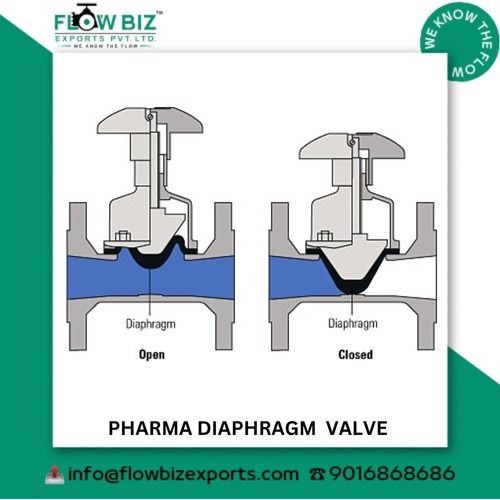
Tell us about your requirement

Price:
Quantity
Select Unit
- 50
- 100
- 200
- 250
- 500
- 1000+
Additional detail
Mobile number
Email

More Products in Diaphragm Valve Category
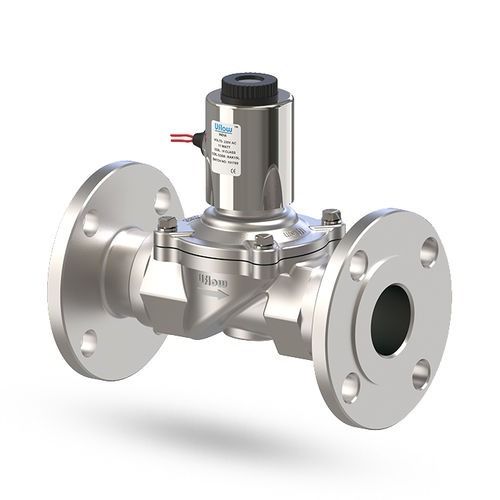
Pilot Operated Diaphragm Valve (NO)
Price 7000 INR / Number
Minimum Order Quantity : 1 Unit
Material : Other , Brass Body with NBR or EPDM Diaphragm
Color : Golden Brass
Power : Other, Electromagnetic / Solenoid
Size : Standard sizes available (customizable)
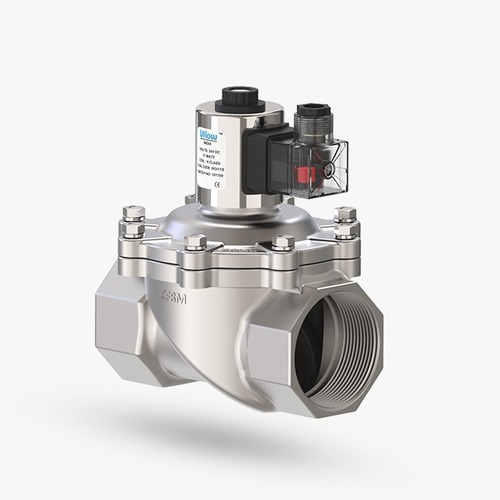
Semi Lift Diaphragm Operated Solenoid Valve Normally open
Price 9000 INR / Number
Minimum Order Quantity : 1 Unit
Material : Other , Brass Body with Nitrile Rubber Diaphragm
Color : Golden (Brass)
Power : Other, 12W to 15W
Size : Depends on port size; ranges from 1/2 inch to 2 inch
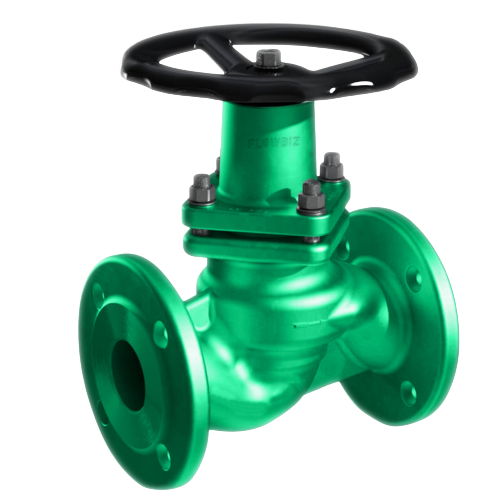
Industrial Diaphragm Valve
Price 5000.0 INR / Number
Minimum Order Quantity : 1 Number
Material : Stainless Steel
Color : Green
Power : Manual
Size : Standard Sizes
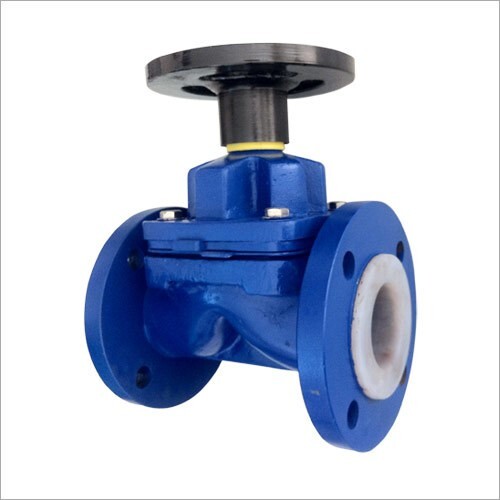
Industrial Diaphragm Valve
Price 3000.0 INR / Number
Minimum Order Quantity : 1 Number
Material : Stainless Steel
Color : Blue

 Send Inquiry
Our Products
- Needle Valve
- Ball Valve
- Globe Valve
- Gate Valve
- Y Type Strainer
- Piston Valve
- Check Valve
- Sight Glass
- Butterfly Valve
- Swing Check Valve
- Damper Valve
- Basket Strainer
- Pressure Reducing Valve
- Double Block Bleed Valve
- Moisture Separator
- Forged Valve
- Diaphragm Valve
- Mini Ball Valve
- Forbes Marshall PRV
- T Type Strainer
- Plug Valve
- Blow Down Valve
- Air Valve
- Non Return Valve
- Safety Valve
- Steam Trap
- Gasket
- L&T Ball Valve
- L&T Butterfly Valve
- AUDCO Ball Valve
- SPIRAX Marshall PRV
- Solenoid Valve
- oxygen
- roto seal coupling
- straight union
- flow control
- ptfe sheets
- ptfe
- rubber products
- felt products
- Asbestos products
- Engineered plastics products
- rubber seals
- rubber gasket
- Sight Glasses
- Jacketed Valves
- flush bottom valve
- strainer
- Sluice Gate Valve
- Slab Gate Valve
- PTFE Lined Valve
- PTFE Lined Valves


416,417 4th Floor, A Block Safal 8, Ajit Mill, Cross Rd, Rakhial,Ahmedabad - 380023, Gujarat, India

Mr Shakir Ansari
(Director)
Mobile :08071780343
 Send Inquiry
 Send SMS
 Call Me Free
Developed and Managed by Infocom Network Private Limited.
