
Call us now :08071780343
 Send Inquiry
 Send Inquiry
Metal Seated Ball Valves
Price 7000 INR/ Unit
MOQ : 1 Number
Metal Seated Ball Valves Specification
- Structure
- Floating or Trunnion Mounted
- Caliber
- Full Bore or Reduced Bore
- Connection
- Flanged, Butt Weld, Socket Weld, Threaded
- Channels
- 2 Way, 3 Way
- Pressure
- Class 150 to 2500 (PN16 to PN420)
- Material
- Stainless Steel, Carbon Steel, Alloy Steel
- Power
- Manual, Pneumatic, Electric
- Media
- Water, Oil, Gas, Chemical
- Temperature of Media
- -29°C to 425°C
- Port Size
- 1/2 to 24
- Flange
- ANSI, DIN, JIS Standards
- Finish
- Metallic/Polished
- Application
- Petrochemical, Refinery, Power, Water Treatment, Gas Processing
- Mounting Pad
- ISO 5211
- Operation
- Quarter Turn
- Corrosion Resistance
- High
- Body Design
- Split Body, Top Entry, End Entry
- Blowout Proof Stem
- Yes
- Design Standard
- API 6D, ASME B16.34
- Fire Safe Design
- API 607 Certified
- Leakage Class
- ANSI Class VI / Zero Leakage
- Anti-Static Device
- Provided
- Surface Protection
- Electroless Nickel Plating / Epoxy Coating
- Seat Material
- Tungsten Carbide, Cobalt Alloy, Chromium Carbide
- Testing Standard
- API 598, ISO 5208, EN 12266-1
Metal Seated Ball Valves About
Size Range: 1/2 inch to 4 inches (15mm to 100mm)
End Connection: Screwed End / Flanged End
Standard:
Design And Manufacturing: BS EN ISO 17292
Valve Face To Face Dimension: ASME B 16.10
Flange Standard Conformity: ASME B 16.5 Class 150,
Inspection & Testing: API 598 / FCI - 702 / BS EN 12266 - 1
Exceptional Durability and Leakage Integrity
Boasting seats of tungsten carbide, cobalt alloy, or chromium carbide, our ball valves deliver exceptional hardness and resistance to wear. The ANSI Class VI / zero leakage rating and API 607 fire-safe certification ensure leak-tight performance even under extreme temperature and pressure. Each valve is tested in accordance with API 598, ISO 5208, and EN 12266-1, guaranteeing reliable sealing and operational safety.
Flexible Design and Broad Application Range
Available in floating and trunnion-mounted structures, with port sizes from 1/2 inch to 24 inches, our valves support full bore and reduced bore configurations. The versatile connection options-flanged, butt weld, socket weld, and threaded-ensure compatibility with a wide array of piping systems and standards (ANSI, DIN, JIS). These features make them suitable for use in petrochemical, refinery, power plants, and water or gas processing.
Advanced Protection and Easy Operation
With high corrosion resistance, blowout-proof stems, and anti-static devices, these valves deliver superior safety and longevity. Surface protection by electroless nickel plating or epoxy coating further extends service life. ISO 5211 mounting pads allow for easy actuation-whether manual, pneumatic, or electric-enabling tailored process control in demanding settings.
FAQ's of Metal Seated Ball Valves:
Q: How do metal seated ball valves achieve zero leakage (ANSI Class VI)?
A: These valves feature precision-engineered seats made from tungsten carbide, cobalt alloy, or chromium carbide, providing a hard and resilient sealing surface. Advanced machining and lapping techniques, coupled with stringent testing to ANSI Class VI, API 598, and ISO 5208 standards, ensure no measurable leakage even at high pressures and a wide temperature range.Q: What are the primary benefits of a fire-safe design according to API 607 certification?
A: API 607 fire-safe certification ensures that the valve can maintain integrity and mitigate leakage during and after exposure to fire. This feature is crucial in industries where safety and environmental protection are paramount, such as petrochemical and gas processing sectors.Q: When should I choose a split body, top entry, or end entry design for my application?
A: Choose split body designs for easy maintenance and inspection, top entry designs for in-line repair without valve removal, and end entry for compact installations where space is limited. Selection depends on your operational and maintenance needs, system configuration, and accessibility requirements.Q: Where can these ball valves be used, considering their corrosion resistance and certifications?
A: Due to their high corrosion resistance and compliance with international standards, these valves are highly suitable for petrochemical plants, refineries, power generation facilities, water treatment plants, and gas processing, especially in harsh or corrosive environments.Q: What types of automation and operation are available for these ball valves?
A: Our ball valves are designed for flexible operation. They can be manually actuated or equipped with pneumatic or electric actuators, thanks to the ISO 5211 mounting pad. This allows integration into automated control systems as well as manual process control.Q: How is corrosion resistance achieved in these valves?
A: Corrosion resistance is provided by selecting robust materials like stainless steel and alloy steels, combined with specialized surface protection (electroless nickel plating or epoxy coating). This dual approach defends against chemical, water, and atmospheric corrosion, extending the valve's service life.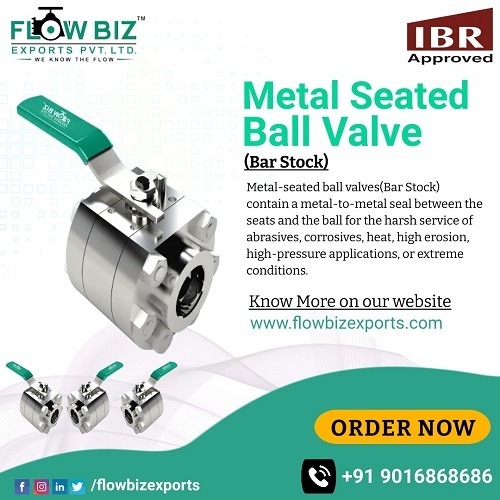
Tell us about your requirement

Price:
Quantity
Select Unit
- 50
- 100
- 200
- 250
- 500
- 1000+
Additional detail
Mobile number
Email

More Products in Ball Valve Category

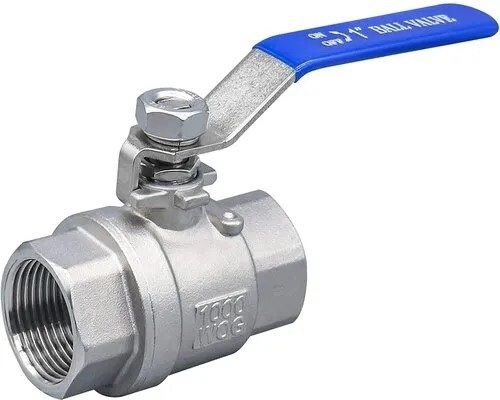
WOG Ball Valve Manufacturer in India
Price 3000 INR / Unit
Minimum Order Quantity : 1 Number
Finish : Polished
Material : Other, Stainless Steel, Brass, Cast Iron, Carbon Steel
Media : Other, Water, Oil, Gas
Structure : Other, Ball Valve
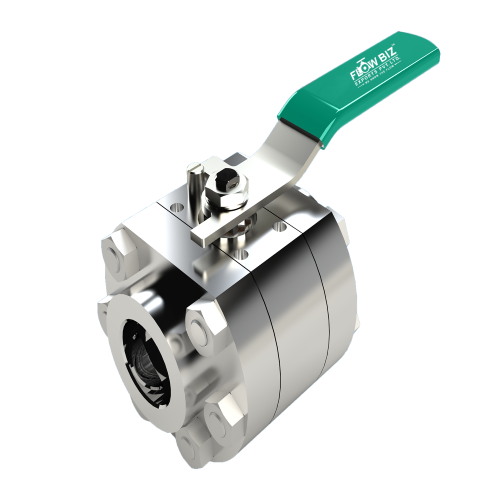
High Pressure WOG Ball Valve
Price 1400.0 INR / Piece
Minimum Order Quantity : 1 Piece
Finish : Polished
Material : Stainless Steel
Media : Other, Water, Oil, Gas
Structure : Ball
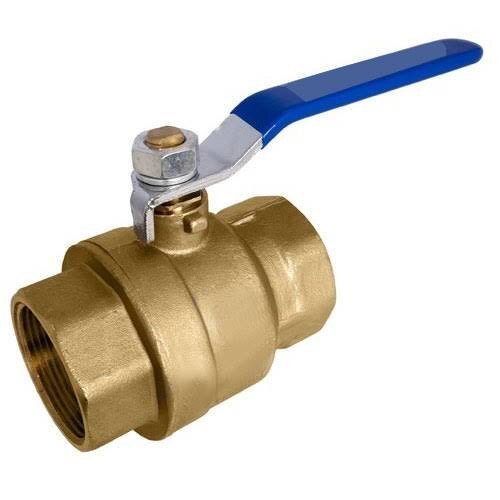
API Ball Valves
Price 2000.0 INR / Piece
Minimum Order Quantity : 1 Piece
Finish : Polished
Material : Stainless Steel
Media : Other, Water, Gas, Oil
Structure : Ball
Heavy Duty Brass Ball Valve
Price 2000.0 INR / Piece
Minimum Order Quantity : 1 Piece
Finish : Polished & Coated
Material : Stainless Steel
Media : Water

 Send Inquiry
Our Products
- Needle Valve
- Ball Valve
- Globe Valve
- Gate Valve
- Y Type Strainer
- Piston Valve
- Check Valve
- Sight Glass
- Butterfly Valve
- Swing Check Valve
- Damper Valve
- Basket Strainer
- Pressure Reducing Valve
- Double Block Bleed Valve
- Moisture Separator
- Forged Valve
- Diaphragm Valve
- Mini Ball Valve
- Forbes Marshall PRV
- T Type Strainer
- Plug Valve
- Blow Down Valve
- Air Valve
- Non Return Valve
- Safety Valve
- Steam Trap
- Gasket
- L&T Ball Valve
- L&T Butterfly Valve
- AUDCO Ball Valve
- SPIRAX Marshall PRV
- Solenoid Valve
- oxygen
- roto seal coupling
- straight union
- flow control
- ptfe sheets
- ptfe
- rubber products
- felt products
- Asbestos products
- Engineered plastics products
- rubber seals
- rubber gasket
- Sight Glasses
- Jacketed Valves
- flush bottom valve
- strainer
- Sluice Gate Valve
- Slab Gate Valve
- PTFE Lined Valve
- PTFE Lined Valves


416,417 4th Floor, A Block Safal 8, Ajit Mill, Cross Rd, Rakhial,Ahmedabad - 380023, Gujarat, India

Mr Shakir Ansari
(Director)
Mobile :08071780343
 Send Inquiry
 Send SMS
 Call Me Free
Developed and Managed by Infocom Network Private Limited.
