Call us now :08071780343
 Send Inquiry
 Send Inquiry
Hard Seated Ball Valve
Price 2000.0 INR/ Number
MOQ : 1 Number
Hard Seated Ball Valve Specification
- Pressure
- Class 150 to Class 1500
- Channels
- Two Way, Three Way
- Connection
- Flanged, Screwed, Welded
- Structure
- Ball Valve
- Caliber
- Standard and Customized
- Material
- Stainless Steel, Carbon Steel, Alloy Steel
- Power
- Manual, Pneumatic, Electric
- Media
- Water, Gas, Oil, Steam, Chemical
- Temperature of Media
- -50°C to 450°C
- Port Size
- 1/2 Inch to 24 Inch
- Flange
- ANSI, DIN, BS Standard
- Finish
- Polished, Painted
- Application
- Industrial, Petrochemical, Oil & Gas, Power Plants
- Stem Type
- Blowout Proof Stem
- ISO Mounting Pad
- Available
- Antistatic Feature
- Included
- Body Type
- Split Body, Three Piece, Full Bore, Reduced Bore
- Face to Face Standard
- ASME B16.10
- Fire Safe Design
- Available as per API 607
- Testing Standard
- API 598, API 6D
- Operation
- Lever, Gear, Actuator Operated
- Leakage Class
- Class V, VI
- Coating
- Epoxy Coated or as per Request
- Seat Type
- Metal to Metal
- End Connection
- Butt Weld, Socket Weld, Flanged
Hard Seated Ball Valve About
Severe-Service Metal-Seated Ball Valves | FlowBiz Valves
FlowBiz Valves is a premier, engineering-driven manufacturer, supplier, and global exporter of industrial Metal-Seated Ball Valves in India. Operating through our advanced heavy manufacturing infrastructurewith key distribution divisions in Gandhidham, Kutch, and Vadodara, Gujaratwe precision-engineer these severe-service components. They are built to thrive in the harshest industrial conditions where conventional soft polymer seats would quickly warp, melt, or fail entirely.
Standard soft-seated valves are highly limited by thermal envelopes and abrasive media friction. When line processes exceed 250C and 400C, a robust metal-to-metal seat design becomes mandatory. FlowBiz addresses these extreme conditions by pairing a precision-ground metal ball with matched metal seat rings. Both sealing faces are reinforced with specialized metallurgical hardening techniques, enabling absolute fluid containment across high-pressure steam headers, refinery manifolds, and chemical slurry pipelines.
Technical Specifications & Compliance Matrix
Our severe-service production series is precision-machined from traceable raw stock to satisfy rigid international pressure vessel and pipeline criteria:
| Parameter | Technical Specification & Engineering Limits |
| Size Matrix Range | Broad production flexibility from 1/2" Inch up to 24" Inches |
| Thermal Operating Envelope | Engineered to operate continuously at high temperatures above 250C to 400C |
| Structural Architecture | Available in Split-Body and robust 3-Piece body configurations |
| Bore Configuration | Full Bore Structure (Unobstructed flow) or Reduced Bore options |
| Face-to-Face Standard | Precision machined in strict compliance with ASME B16.10 |
| Quality Verification Codes | 100% factory verified per international API 598 and API 6D protocols |
| Fire Safety Certification | Certified fire-safe in accordance with global API 607 guidelines |
| Isolation Integrity | High-precision tight sealing achieving Leakage Class V or Class VI |
| Pipeline Connectivity Matrix | Butt Weld (BW), Socket Weld (SW), Flanged, Screwed, or Welded ends |
| Flange Compatibility Standards | Universally compliant with global ANSI, DIN, and BS frameworks |
Advanced Metal Seating & Surface Hardening Technologies
Achieving a dependable, leak-tight seal with metal-to-metal contact requires advanced chemical and thermal engineering. Depending on your exact operating temperatures and pressures, FlowBiz utilizes five specialized hardening techniques to protect the SS304 / SS316 ball and matching seat rings from friction, scoring, and thermal stress:
-
Electroless Nickel Plating (ENP): Applies a uniform, high-density nickel coating over the ball substrate, providing excellent corrosion resistance and uniform surface hardness for moderate thermal utilities.
-
Hard Chromium Plating: A specialized hard-chrome deposition that significantly minimizes the coefficient of friction, reducing operating torque and protecting the trims from high-frequency mechanical wear.
-
Nitriding of Austenitic Stainless Steel: diffuses nitrogen directly into the surface layer of the stainless steel ball and seats. This creates an incredibly hard, wear-resistant outer shell without altering the core alloy's structural flexibility.
-
Plasma Transferred Arc (PTA) Welding: A heavy-duty thermal bonding process used to overlay raw Stellite alloys onto the seating faces. This delivers premium mechanical toughness and hot-hardness at elevated temperatures.
-
High-Velocity Oxygen Fuel (HVOF) Spray Coating: The premium solution for severe conditions. This technique sprays Tungsten Carbide or Chromium Carbide at supersonic speeds over a cobalt-base anchoring layer. It forms an incredibly dense, impact-resistant metallic shield that protects against aggressive chemical erosion and abrasive particulate slurries.
FlowBiz Severe Surface Coating Matrix Electroless Nickel PTA Stellite Weld Supersonic HVOF Plating (ENP) High Hot-Hardness Tungsten Carbide Resists Corrosion For Extreme Heat Resists Slurries Strategic Design & Mechanical Safety Features
1. High-Safety Blowout-Proof Stem & Anti-Static Protection
Managing intense fluid pressures and thermal loads requires uncompromised personal safety boundaries:
-
Blowout-Proof Stem: Engineered with an internal, bottom-entry mechanical shoulder that rests against the inside of the casing. The stem cannot be ejected or blown out of the stuffing box under high-pressure media spikes, protecting plant personnel.
-
Integrated Anti-Static Devices: High-velocity fluid movement can generate significant electrostatic charges. Our built-in anti-static feature ensures permanent electrical continuity across the valve trim, safely discharging static build-up to eliminate spark risks in volatile refinery environments.
2. Direct Automation Integration (ISO Mounting Pad)
Every valve body includes an integrated ISO mounting pad machined directly into the top works as standard. This standardized interface features precise bolt patterns, permitting bracketless, direct-mount installation of pneumatic cylinders, electric motorized actuators, or hydraulic systems. This setup eliminates the cost of custom brackets, ensures accurate shaft alignment, and simplifies integration into automated SCADA or PLC control loops.
3. Comprehensive Outer Casing Protection
To shield the pressure containment metallurgy from corrosive atmospheric elements, chemicals, and moisture, all valve bodies receive high-build epoxy coatings or customer-specified protective finishes. This exterior coating maximizes the valve's physical lifespan and ensures reliability in damp industrial plants, chemical factories, and coastal offshore networks.
Flexible Connection & Customization Vectors
FlowBiz metal-seated ball valves are fully customizable to adapt seamlessly to complex capital layouts or existing piping retrofits:
-
Port Dimensions: Precision manufactured across a broad size matrix from 1/2" to 24" inches to suit varying pipeline capacities.
-
Connection Versatility: Available with Flanged, Butt Weld (BW), Socket Weld (SW), or Screwed ends, machined to match international ANSI, DIN, or BS flanging standards.
-
Material Adaptability: The pressure-retaining body can be cast or forged in premium Stainless Steel, Carbon Steel, or specialized Alloy Steel depending on your fluid's chemical and mechanical properties.
Frequently Asked Questions (FAQs)
Q: How do metal-seated ball valves ensure a leak-tight performance under severe conditions?
A: Achieving absolute fluid isolation with metal-to-metal contact requires meticulous manufacturing precision. At our Vadodara and Gandhidham facilities, the ball and matching seat rings are precision-ground, lapped, and matched together as individual sets to eliminate microscopic gaps. 100% of our production line then undergoes strict hydrostatic shell and seat leakage testing in accordance with API 598 and API 6D standards, consistently achieving an exceptional Class V or Class VI bubble-tight shut-off performance before shipping.
Q: When should a metal-seated ball valve be preferred over a soft-seated variant?
A: You should specify a metal-seated ball valve whenever your system operates at high temperatures (above 250C), extreme pressures, or handles highly abrasive, corrosive, and solid-laden media like high-pressure steam, hot oils, catalyst slurries, and active chemical acids. Standard soft-seated valves rely on elastomeric polymers (like PTFE) that rapidly degrade, melt, or tear under these aggressive parameters, whereas hard-faced metal-to-metal seating boundaries maintain their structural shape and sealing properties long-term.
Q: What is the main advantage of choosing a three-piece body configuration?
A: A three-piece body configuration consists of a distinct central body capsule bolted between two independent pipeline end caps. This layout provides exceptional maintenance flexibility; floor crews can unbolt the body fasteners and swing out the central capsule to replace internal trims or seals without cutting the pipeline or removing the end caps from the line. This significantly reduces maintenance downtime and lowers tool requirements during plant shutdowns.
Q: Why partner with FlowBiz as your long-term severe-service valve manufacturer?
A: FlowBiz Valves balances precision severe-service metallurgy with strict compliance to global validation benchmarks like ASME B16.34, API 6D, and API 607. By offering traceable material grades, advanced hard-facing surface technologies (HVOF / Stellite PTA), and robust exterior epoxy protection, we eliminate operational risks in the field. Our capacity to deliver high-quality, fully customized metal-seated ball valves tailored to your exact process footprint makes us a trusted supply chain partner across India and global export markets.
A single relevant question to help guide your system layout selection:
-
What type of media will this valve be controlling, and does your system require manual handles or automated pneumatic/electric actuators?
Tell us about your requirement

Price:
Quantity
Select Unit
- 50
- 100
- 200
- 250
- 500
- 1000+
Additional detail
Mobile number
Email

More Products in Ball Valve Category
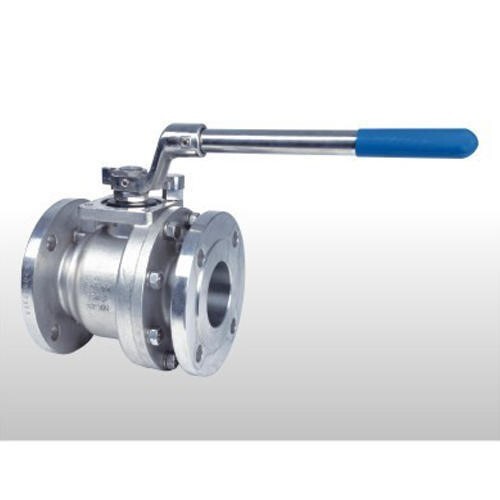
Compact Best Ball Valve
Price 2000.0 INR / Pack
Minimum Order Quantity : 1 Pack
Structure : Other, Full Port (2 Piece/3 Piece)
Material : Stainless Steel
Caliber : High Precision
Application : Industrial, Chemical, Water Control
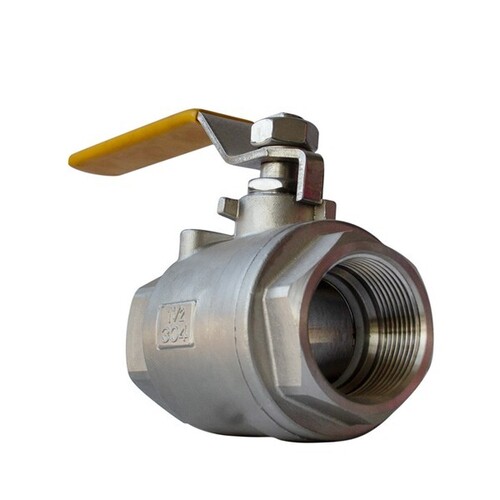
1 Piece Ball Valve
Price 2000 INR / Unit
Minimum Order Quantity : 1 Number
Structure : Other, Single Piece
Material : Other, Stainless Steel / Carbon Steel / Brass
Caliber : Full Bore
Application : Industrial / Commercial / Water Treatment / Chemical Processing
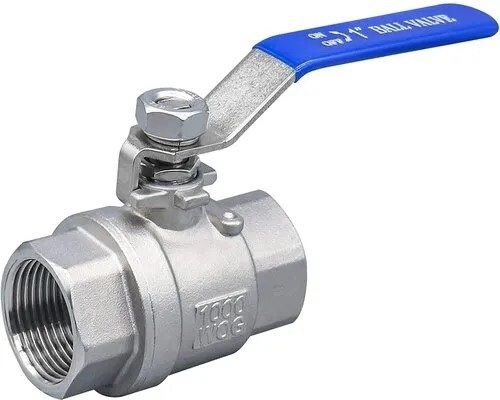
High Pressure WOG Ball Valve
Price 1400.0 INR / Piece
Minimum Order Quantity : 1 Piece
Structure : Ball
Material : Stainless Steel
Caliber : Standard
Application : Industrial, Water Supply, Oil & Gas, Chemical
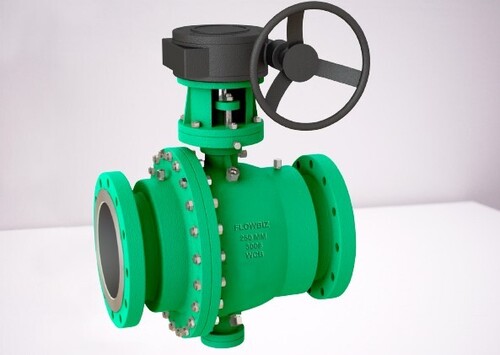
Industrial Trunnion Mounted Ball Valve
Price 2000.0 INR / Unit
Minimum Order Quantity : 1 Unit
Structure : Other, Trunnion Mounted
Material : Other, Forged Carbon Steel
Caliber : Full Bore/Reduced Bore
Application : Industrial/Process Industries

 Send Inquiry
Our Products
- Needle Valve
- Ball Valve
- Globe Valve
- Gate Valve
- Y Type Strainer
- Piston Valve
- Check Valve
- Sight Glass
- Butterfly Valve
- Swing Check Valve
- Damper Valve
- Basket Strainer
- Pressure Reducing Valve
- Double Block Bleed Valve
- Moisture Separator
- Forged Valve
- Diaphragm Valve
- Mini Ball Valve
- Forbes Marshall PRV
- T Type Strainer
- Plug Valve
- Blow Down Valve
- Air Valve
- Non Return Valve
- Safety Valve
- Steam Trap
- Gasket
- L&T Ball Valve
- L&T Butterfly Valve
- AUDCO Ball Valve
- SPIRAX Marshall PRV
- Solenoid Valve
- oxygen
- roto seal coupling
- straight union
- flow control
- ptfe sheets
- ptfe
- rubber products
- felt products
- Asbestos products
- Engineered plastics products
- rubber seals
- rubber gasket
- Sight Glasses
- Jacketed Valves
- flush bottom valve
- strainer
- Sluice Gate Valve
- Slab Gate Valve
- PTFE Lined Valve
- PTFE Lined Valves


416,417 4th Floor, A Block Safal 8, Ajit Mill, Cross Rd, Rakhial,Ahmedabad - 380023, Gujarat, India

Mr Shakir Ansari
(Director)
Mobile :08071780343
 Send Inquiry
 Send SMS
 Call Me Free
Developed and Managed by Infocom Network Private Limited.
