
Call us now :08071780343
 Send Inquiry
 Send Inquiry
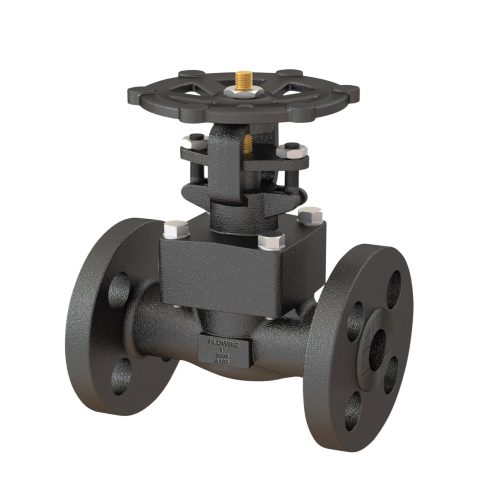
MehsanaFlow Industrial Gate Valve Series
Price 5000.0 INR/ Unit
MOQ : 1 Unit
MehsanaFlow Industrial Gate Valve Series Specification
- Size
- 1/2'' to 2''
- Usage
- Industrial
- Material
- Stainless Steel
- Power Source
- Manual
- Media
- Gas, Water, Air
- Color
- Black
- Shape
- Round
MehsanaFlow Industrial Gate Valve Series About
What is a Gate Valve Used For?
A gate valve is a heavy-duty, linear-motion isolation device designed to completely start or stop fluid flow within a piping network. It operates by lowering a wedge-shaped or rectangular "gate" perpendicular to the fluid stream. When the valve is turned fully open, the gate lifts entirely into the valve bonnet, clearing the internal channel.
Because the gate retreats completely out of the fluid path, a gate valve provides a full-bore, straight-through flow geometry. This architecture means that when the valve is wide open, it acts exactly like a straight section of pipe, introducing near-zero fluid resistance, zero boundary turbulence, and minimal pressure drop (P ).
FlowBiz Exports brand gate valves are standardly specified across municipal utility loops, treatment plants, and processing lines to:
-
Isolate Specific Network Zones: Safely isolating targeted pipeline sectors during routine equipment upgrades, new installations, or critical emergency repair works.
-
Reroute Fluid Volumes: Opening alternative distribution links to redirect bulk water, gas, or compressed air media throughout a master network.
-
Minimize Pumping Overheads: Eliminating the continuous friction and head losses caused by alternative, restrictive valve styles.
A gate valve is a heavy-duty, linear-motion isolation device designed to completely start or stop fluid flow within a piping network. It operates by lowering a wedge-shaped or rectangular "gate" perpendicular to the fluid stream. When the valve is turned fully open, the gate lifts entirely into the valve bonnet, clearing the internal channel.
Because the gate retreats completely out of the fluid path, a gate valve provides a full-bore, straight-through flow geometry. This architecture means that when the valve is wide open, it acts exactly like a straight section of pipe, introducing near-zero fluid resistance, zero boundary turbulence, and minimal pressure drop (P ).
FlowBiz Exports brand gate valves are standardly specified across municipal utility loops, treatment plants, and processing lines to:
-
Isolate Specific Network Zones: Safely isolating targeted pipeline sectors during routine equipment upgrades, new installations, or critical emergency repair works.
-
Reroute Fluid Volumes: Opening alternative distribution links to redirect bulk water, gas, or compressed air media throughout a master network.
-
Minimize Pumping Overheads: Eliminating the continuous friction and head losses caused by alternative, restrictive valve styles.
What is a Water Main Gate Valve?
A water main gate valve serves as the primary municipal and industrial control asset for primary fluid distribution loops. Because water main grids transport massive volumes of high-velocity water over long distances, they require isolation components that do not narrow the pipe diameter or cause fluid turbulence.
Gate valves are the absolute industry standard for water mains because their full-port layout allows unhindered water transit. This makes them highly effective for major distribution grids and large-scale agricultural irrigation manifolds, where delivering large volumes of water with optimal flow capacity is essential.
[ VALVE FULLY OPEN ] [ VALVE FULLY CLOSED ] | Bonnet | | Bonnet | | [___Gate___] | <--- Gate lifted | | ========| |======== ========|____Gate____|======== Flow -> Full Bore -> Flow Flow -> [Blocked] No Flow ========|______________|======== ========|____________|========
A water main gate valve serves as the primary municipal and industrial control asset for primary fluid distribution loops. Because water main grids transport massive volumes of high-velocity water over long distances, they require isolation components that do not narrow the pipe diameter or cause fluid turbulence.
Gate valves are the absolute industry standard for water mains because their full-port layout allows unhindered water transit. This makes them highly effective for major distribution grids and large-scale agricultural irrigation manifolds, where delivering large volumes of water with optimal flow capacity is essential.
[ VALVE FULLY OPEN ] [ VALVE FULLY CLOSED ] | Bonnet | | Bonnet | | [___Gate___] | <--- Gate lifted | | ========| |======== ========|____Gate____|======== Flow -> Full Bore -> Flow Flow -> [Blocked] No Flow ========|______________|======== ========|____________|======== Technical Specifications & Parameters
FlowBiz stainless steel gate valves are precisely engineered, machined, and validated to meet demanding industrial pressure containment benchmarks.
Engineering Parameter
Technical Specification Blueprint
Industrial Process Advantage
Valve Profile
Full-Bore Tapered Wedge Gate Valve
Provides an unobstructed fluid path; eliminates head loss.
Body Metallurgy
Premium High-Grade Stainless Steel (SS)
Ultimate protection against internal rust, chemical wear, and scaling.
Sizing Profile
Compact Inch (DN15) Standard
Ideal for tight manifold spaces, sample lines, and hookups.
Actuation Mode
Manual Handwheel / Rising Stem Matrix
Direct manual control that operates independently of power grids.
Exterior Protection
Industrial Black Protective Shell Armor
Non-porous shield resists ambient moisture and chemical fumes.
Connection Profile
High-Tolerance Precision Threaded / Flanged
Forms secure, leak-proof mechanical joints inside tight spaces.
Media Adaptability
Industrial Water, Gases, Air, and Utility Loops
Versatile performance across clean utilities and process lines.
FlowBiz stainless steel gate valves are precisely engineered, machined, and validated to meet demanding industrial pressure containment benchmarks.
| Engineering Parameter | Technical Specification Blueprint | Industrial Process Advantage |
| Valve Profile | Full-Bore Tapered Wedge Gate Valve | Provides an unobstructed fluid path; eliminates head loss. |
| Body Metallurgy | Premium High-Grade Stainless Steel (SS) | Ultimate protection against internal rust, chemical wear, and scaling. |
| Sizing Profile | Compact Inch (DN15) Standard | Ideal for tight manifold spaces, sample lines, and hookups. |
| Actuation Mode | Manual Handwheel / Rising Stem Matrix | Direct manual control that operates independently of power grids. |
| Exterior Protection | Industrial Black Protective Shell Armor | Non-porous shield resists ambient moisture and chemical fumes. |
| Connection Profile | High-Tolerance Precision Threaded / Flanged | Forms secure, leak-proof mechanical joints inside tight spaces. |
| Media Adaptability | Industrial Water, Gases, Air, and Utility Loops | Versatile performance across clean utilities and process lines. |
Key Performance & Design Advantages
1. Robust Stainless Steel Integrity
Using premium stainless steel ensures our gate valves retain absolute structural stability and tight component tolerances under continuous pressure loads. The durable metallurgy prevents localized pitting, galvanic rust, and internal component warping, ensuring reliable service in demanding industrial environments.
Using premium stainless steel ensures our gate valves retain absolute structural stability and tight component tolerances under continuous pressure loads. The durable metallurgy prevents localized pitting, galvanic rust, and internal component warping, ensuring reliable service in demanding industrial environments.
2. Complete Flow Control & Lower Maintenance Costs
Each valve is manually driven using an ergonomic handwheel, providing operators with direct control over the gate's positioning. This straightforward, robust manual mechanism features no complex electronics or pneumatic seals to fail, reducing overall maintenance expenses and minimizing system downtime.
Each valve is manually driven using an ergonomic handwheel, providing operators with direct control over the gate's positioning. This straightforward, robust manual mechanism features no complex electronics or pneumatic seals to fail, reducing overall maintenance expenses and minimizing system downtime.
3. Ideal On-Off Isolation Architecture
Gate valves are specifically designed to remain either fully open or fully closed for long periods. Because they are not used for continuous throttling (which would expose the gate to uneven fluid erosion), the internal seating faces experience minimal wear during operation, ensuring a tight, dependable seal over a long lifespan.
Gate valves are specifically designed to remain either fully open or fully closed for long periods. Because they are not used for continuous throttling (which would expose the gate to uneven fluid erosion), the internal seating faces experience minimal wear during operation, ensuring a tight, dependable seal over a long lifespan.
Extensive Pan-India Manufacturing & Sourcing Network
Operating from our primary production and logistics corridors in Mehsana, Gujarat, FlowBiz Exports Pvt. Ltd. delivers certified fluid control solutions worldwide. We maintain an agile logistical grid that manages prompt shipments from our facilities to major industrial hubs, including:
-
Gujarat: Mehsana, Rajkot, Ahmedabad, Vapi, Valsad, Surat, Gandhidham, Kutch, Ankleshwar, Bharuch
-
Maharashtra: Mumbai, Nashik, Pune, Thane, Aurangabad, Satara, Sangli, Nagpur, Kolhapur
-
Pan-India Corridors: Indore, Dewas, Bhopal, Chennai, Coimbatore, Salem, and all major industrial zones.
Operating from our primary production and logistics corridors in Mehsana, Gujarat, FlowBiz Exports Pvt. Ltd. delivers certified fluid control solutions worldwide. We maintain an agile logistical grid that manages prompt shipments from our facilities to major industrial hubs, including:
-
Gujarat: Mehsana, Rajkot, Ahmedabad, Vapi, Valsad, Surat, Gandhidham, Kutch, Ankleshwar, Bharuch
-
Maharashtra: Mumbai, Nashik, Pune, Thane, Aurangabad, Satara, Sangli, Nagpur, Kolhapur
-
Pan-India Corridors: Indore, Dewas, Bhopal, Chennai, Coimbatore, Salem, and all major industrial zones.
Frequently Asked Questions (FAQs)
Q: Why shouldn't a gate valve be used for continuous fluid throttling or flow regulation?
A: Gate valves are strictly designed for full on-off isolation. If a gate valve is left partially cracked open to throttle flow, the high-velocity fluid slams directly against the bottom of the suspended gate. This causes severe vibration ("chatter") that quickly erodes the metal sealing faces and scores the seat rings, permanently ruining the valve's ability to form a leak-proof seal when fully closed. For continuous regulation, a globe valve or triple-offset butterfly valve should be specified.
A: Gate valves are strictly designed for full on-off isolation. If a gate valve is left partially cracked open to throttle flow, the high-velocity fluid slams directly against the bottom of the suspended gate. This causes severe vibration ("chatter") that quickly erodes the metal sealing faces and scores the seat rings, permanently ruining the valve's ability to form a leak-proof seal when fully closed. For continuous regulation, a globe valve or triple-offset butterfly valve should be specified.
Q: What is the recommended installation process for a 1/2 inch threaded gate valve?
A: 1. Thoroughly clean the matching pipeline threads to remove dirt, metal shavings, or old pipe dope.
2. Apply a high-grade industrial thread sealant or PTFE tape to the male pipe threads to facilitate a leak-tight seal.
3. Align the valve concentrically with the pipeline to prevent cross-threading or mechanical strain on the body casting.
4. Thread the valve onto the pipe manually, then tighten it securely using a calibrated wrench until a rigid mechanical joint is formed.
5. Manually cycle the handwheel to verify smooth, unhindered operation before introducing process pressure.
A: 1. Thoroughly clean the matching pipeline threads to remove dirt, metal shavings, or old pipe dope.
2. Apply a high-grade industrial thread sealant or PTFE tape to the male pipe threads to facilitate a leak-tight seal.
3. Align the valve concentrically with the pipeline to prevent cross-threading or mechanical strain on the body casting.
4. Thread the valve onto the pipe manually, then tighten it securely using a calibrated wrench until a rigid mechanical joint is formed.
5. Manually cycle the handwheel to verify smooth, unhindered operation before introducing process pressure.
Q: What simple maintenance routine maximizes the field lifespan of a manual gate valve?
A: If left static for months, stagnant water minerals can build up scale on the internal moving parts, causing them to seize. Plant technicians should establish a routine maintenance schedule to periodically clear scale buildup. This involves fully cycling the manual handwheel open and closed, checking the exterior stem packing region for any signs of product weeping, and applying high-temperature grease to the exposed top stem threads to keep the mechanism turning smoothly.
A: If left static for months, stagnant water minerals can build up scale on the internal moving parts, causing them to seize. Plant technicians should establish a routine maintenance schedule to periodically clear scale buildup. This involves fully cycling the manual handwheel open and closed, checking the exterior stem packing region for any signs of product weeping, and applying high-temperature grease to the exposed top stem threads to keep the mechanism turning smoothly.
Q: When is it recommended to choose a stainless steel valve body over a standard cast iron variant?
A: Cast iron is highly cost-effective for low-pressure, ambient-temperature water utility loops. However, high-grade stainless steel must be specified if your pipeline carries volatile gases, compressed air lines, or treated industrial water containing corrosive processing chemicals. Stainless steel retains its tensile strength and resists environmental corrosion, preventing premature valve failure.
A: Cast iron is highly cost-effective for low-pressure, ambient-temperature water utility loops. However, high-grade stainless steel must be specified if your pipeline carries volatile gases, compressed air lines, or treated industrial water containing corrosive processing chemicals. Stainless steel retains its tensile strength and resists environmental corrosion, preventing premature valve failure.
Q: What is the process for requesting a technical quotation or ordering bulk allocations from Mehsana?
A: Project procurement managers can contact our Mehsana technical sales desk directly through our official channels. Share your specific project criteriaincluding nominal sizes, fluid characteristics, connection expectations, and estimated quantitiesto receive a comprehensive, competitive price quotation tailored to your timeline.
A: Project procurement managers can contact our Mehsana technical sales desk directly through our official channels. Share your specific project criteriaincluding nominal sizes, fluid characteristics, connection expectations, and estimated quantitiesto receive a comprehensive, competitive price quotation tailored to your timeline.
Tell us about your requirement

Price:
Quantity
Select Unit
- 50
- 100
- 200
- 250
- 500
- 1000+
Additional detail
Mobile number
Email

More Products in Gate Valve Category
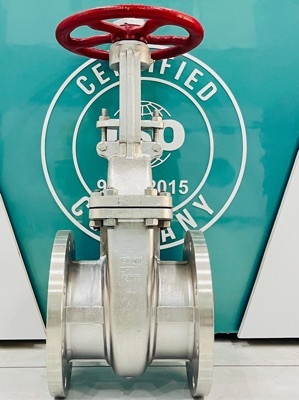
Industrial Gate Valve
Price 3000.0 INR / Number
Minimum Order Quantity : 1 Number
Size : 50mm to 50mm
Usage : Industrial
Surface : Smooth
Color : Silver
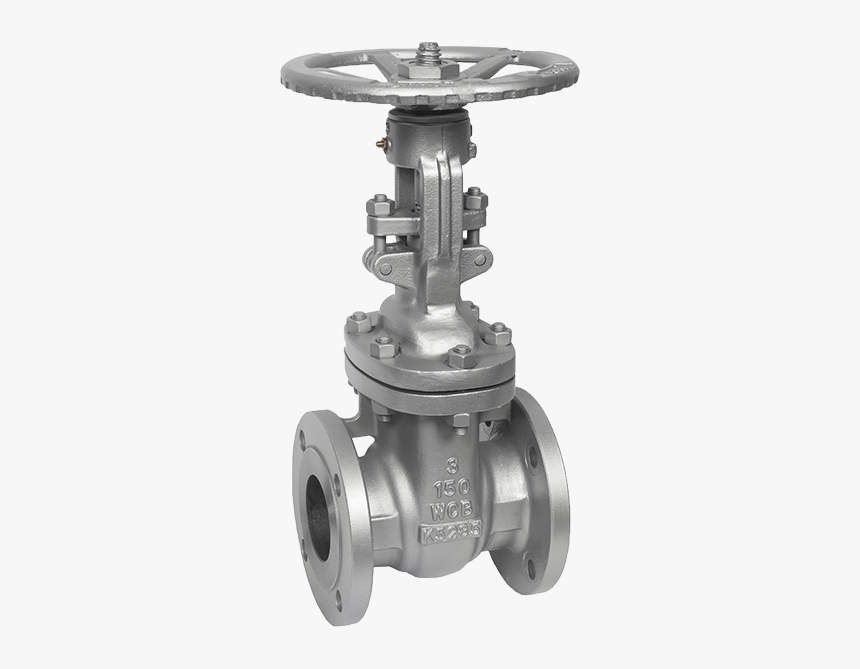
Gate Valve
Price 3000.0 INR / Piece
Minimum Order Quantity : 1 Piece
Size : Standard Sizes
Usage : Industrial
Surface : Smooth
Color : Silver
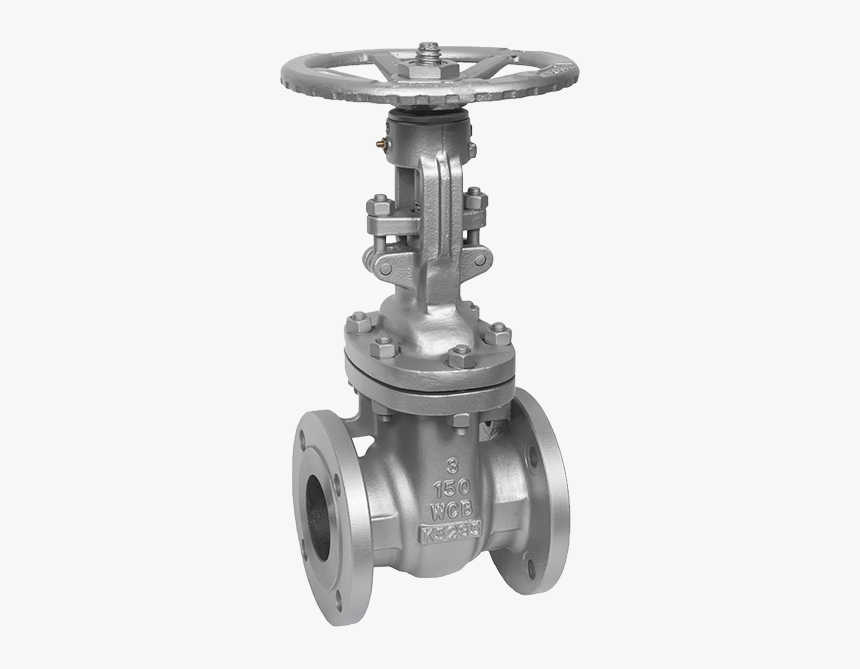
Flanged End Gate Valve
Price 3000.0 INR / Piece
Minimum Order Quantity : 1 Piece
Size : Standard Sizes
Usage : Industrial
Surface : Smooth
Color : Silver
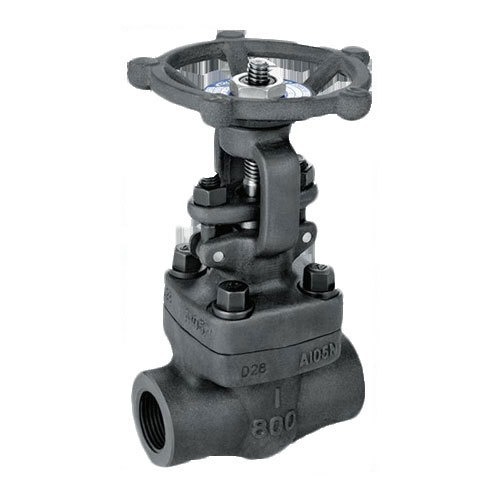
Forged Steel Gate Valve Exporter
Price 2000.0 INR / Number
Minimum Order Quantity : 1 Number
Size : 1/2"14"
Usage : Industrial
Surface : Polished

 Send Inquiry
Our Products
- Needle Valve
- Ball Valve
- Globe Valve
- Gate Valve
- Y Type Strainer
- Piston Valve
- Check Valve
- Sight Glass
- Butterfly Valve
- Swing Check Valve
- Damper Valve
- Basket Strainer
- Pressure Reducing Valve
- Double Block Bleed Valve
- Moisture Separator
- Forged Valve
- Diaphragm Valve
- Mini Ball Valve
- Forbes Marshall PRV
- T Type Strainer
- Plug Valve
- Blow Down Valve
- Air Valve
- Non Return Valve
- Safety Valve
- Steam Trap
- Gasket
- L&T Ball Valve
- L&T Butterfly Valve
- AUDCO Ball Valve
- SPIRAX Marshall PRV
- Solenoid Valve
- oxygen
- roto seal coupling
- straight union
- flow control
- ptfe sheets
- ptfe
- rubber products
- felt products
- Asbestos products
- Engineered plastics products
- rubber seals
- rubber gasket
- Sight Glasses
- Jacketed Valves
- flush bottom valve
- strainer
- Sluice Gate Valve
- Slab Gate Valve
- PTFE Lined Valve
- PTFE Lined Valves


416,417 4th Floor, A Block Safal 8, Ajit Mill, Cross Rd, Rakhial,Ahmedabad - 380023, Gujarat, India

Mr Shakir Ansari
(Director)
Mobile :08071780343
 Send Inquiry
 Send SMS
 Call Me Free
Developed and Managed by Infocom Network Private Limited.
