
Call us now :08071780343
 Send Inquiry
 Send Inquiry
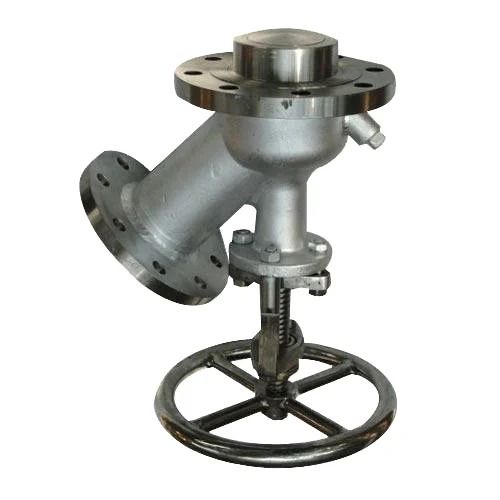
Jacketed Valve
Price 5000 INR/ Unit
MOQ : 1 Number
Jacketed Valve Specification
- Material
- Carbon Steel, Stainless Steel (304/316), Alloy Steel, special alloys
- Features
- Full jacket construction for uniform heating, Blow-out proof stem, Anti-static design
- Valve Size
- DN15 to DN300
- Valve Type
- Jacketed Valve
- Control System
- Manual (Hand lever/wheel), Pneumatic or Electric actuator
- Connection Type
- Flanged (ANSI B16.5), Butt Weld, Socket Weld, Screwed End
- Voltage
- As per actuator type (commonly 24V/230V AC/DC for electric actuators)
- Structure
- Two-piece or Three-piece body with full jacketing
- Application
- Used for process industries requiring temperature control of viscous or solidifying media
- Sealing
- PTFE, Graphite, Metal-to-Metal (selection depends on process)
- Type
- Jacketed Ball Valve / Jacketed Gate Valve / Jacketed Globe Valve
- Power
- Manual/Actuated Driven (Electric or Pneumatic options available)
- Pressure
- 150# to 600# (ANSI) or as per request
- Media
- Steam, Oil, Water, Molten Sulphur, Bitumen, etc.
- Port Size
- 1/2 inch to 12 inch (or as per order)
- Temperature
- -20°C to +350°C (with suitable materials and heating media)
- Disc
- Stainless Steel / Alloy Steel / as specified
- Pin
- Standard as per design requirements
- Jacket Design Pressure
- Up to 10 bar (higher ratings on request)
- End Connection Standard
- ANSI, DIN, BS (custom options available)
- Mounting Pad
- ISO 5211 Pad (for direct actuator mounting)
- Testing Standard
- BS EN 12266, API 598, or as specified by customer
- Heating Media Compatibility
- Designed for hot water, steam, and thermal oil
- Blowout Proof Stem
- Standard
- Body Finish
- Shot blasted and painted / as per customer specification
- Leakage Class
- Class VI (Soft Seated), Class IV/V (Metal Seated)
- Jacket Inlet/Outlet Connection
- 1/2 inch to 1 inch NPT/BSP as standard or on request
Jacketed Valve About
FlowBiz Exports Pvt Ltd Valves is a High Quality Jacketed valves Manufacturer in Mumbai, Maharashtra, India. We are a leading manufacturer of Jacketed valves in Mumbai and nearby areas.
Jacketed valves have a protective covering around their bodies, commonly known as a Jacket. Jacketed valve is the name given to these valves because of this only. These valveis jackets can be constructed or welded directly to the outside body of the valve. Jacketed valves are produced in a wide range of styles across the industry. Each of which applications is determined by the flow mediais level, the pressure involved, the temperature it experiences, and the industryis performance and operation level.
Advantages:
Design makes it safe from fire and other hazards.
Double sealing for better and leak proof operation
Test implemented on to the body design
Highly adjustable and flexible in operation
Generally, comes with a maintenance-free seals
Product Details:
DESIGN: Full Jacket I Half Jacket
MOC: C.S. /M.S. / S/STEEL
PRESSURE RATING: 1 50# /300#
ENDS: Flanged
Brand: FlowBiz
Comprehensive Temperature Control Solution
The Jacketed Valve ensures seamless flow and temperature management for process industries handling media prone to solidification or high viscosity. Its full jacketed body allows consistent heating with various media such as hot water, steam, and thermal oil, maintaining process integrity and operational efficiency even in demanding environments.
Wide Selection of Configurations and Materials
This valve series is available in two-piece or three-piece constructions and accommodates a variety of materials, including carbon steel, stainless steel (304/316), alloy steel, and special alloys. The flexible design also enables adaptation to several standards and connection types, offering reliable integration into both new and existing pipelines.
Optimized for Automation and Manual Operation
The Jacketed Valve is designed for both manual and automated service. Featuring an ISO 5211 mounting pad, it can be directly coupled with electric or pneumatic actuators. This capability permits efficient integration into modern control systems, ensuring accurate flow regulation and ease of operation across diverse process applications.
FAQ's of Jacketed Valve:
Q: How does the jacketed design benefit temperature-sensitive processes?
A: The jacketed design allows for circulation of heating media such as steam, hot water, or thermal oil around the valve body, maintaining optimal media temperature. This prevents solidification and maintains viscosity for smooth flow, vital in industries working with bitumen, molten sulphur, and other temperature-sensitive materials.Q: What connection sizes and types are available for the jacketed valve?
A: Standard jacket inlet and outlet connections range from 1/2 inch to 1 inch NPT/BSP, while valve port sizes are available from 1/2 inch up to 12 inches. The main end connections include flanged (ANSI B16.5), butt weld, socket weld, and screwed end options, with additional customization possible to meet project needs.Q: When is a full jacketed valve recommended over a partial jacketed one?
A: A full jacketed valve is recommended when uniform and reliable heating is required across the entire valve body, especially for media that solidify or become highly viscous at lower temperatures. This ensures the process media remains fluid throughout the valve, reducing risk of clogging or process interruption.Q: Where are jacketed valves commonly used?
A: Jacketed valves are widely used in industries such as chemical processing, petrochemicals, food, pharmaceuticals, and asphalt plants. They are essential wherever temperature control of challenging media like bitumen, resin, tars, and waxes is required to sustain process efficiency and product quality.Q: What is the process for selecting the right sealing material for a jacketed valve?
A: Selecting the proper sealing material depends on the process media, temperature, and pressure. Options like PTFE, graphite, or metal-to-metal sealing are available. PTFE is suitable for chemical compatibility, while graphite handles higher temperatures. Metal-to-metal is chosen for abrasive or extremely high-temperature applications.Q: How is the valve tested to ensure safe operation and leak-tightness?
A: Jacketed valves are tested according to standards such as BS EN 12266 and API 598, or as specified by the customer. Leak tests and pressure checks are performed to confirm the valve's integrity, tight sealing (Class VI or IV/V depending on construction), and reliable operation before shipping.
Tell us about your requirement

Price:
Quantity
Select Unit
- 50
- 100
- 200
- 250
- 500
- 1000+
Additional detail
Mobile number
Email

More Products in Jacketed Valves Category
Non Jacketed Valves
Price 5000 INR / Unit
Minimum Order Quantity : 1 Number
Connection Type : Flanged / Screwed / Socket Weld
Power : Manual
Port Size : 1/2 Inch to 12 Inch
Sealing : PTFE/Grafite/Gasket

 Send Inquiry
Our Products
- Needle Valve
- Ball Valve
- Globe Valve
- Gate Valve
- Y Type Strainer
- Piston Valve
- Check Valve
- Sight Glass
- Butterfly Valve
- Swing Check Valve
- Damper Valve
- Basket Strainer
- Pressure Reducing Valve
- Double Block Bleed Valve
- Moisture Separator
- Forged Valve
- Diaphragm Valve
- Mini Ball Valve
- Forbes Marshall PRV
- T Type Strainer
- Plug Valve
- Blow Down Valve
- Air Valve
- Non Return Valve
- Safety Valve
- Steam Trap
- Gasket
- L&T Ball Valve
- L&T Butterfly Valve
- AUDCO Ball Valve
- SPIRAX Marshall PRV
- Solenoid Valve
- oxygen
- roto seal coupling
- straight union
- flow control
- ptfe sheets
- ptfe
- rubber products
- felt products
- Asbestos products
- Engineered plastics products
- rubber seals
- rubber gasket
- Sight Glasses
- Jacketed Valves
- flush bottom valve
- strainer
- Sluice Gate Valve
- Slab Gate Valve
- PTFE Lined Valve
- PTFE Lined Valves


416,417 4th Floor, A Block Safal 8, Ajit Mill, Cross Rd, Rakhial,Ahmedabad - 380023, Gujarat, India

Mr Shakir Ansari
(Director)
Mobile :08071780343
 Send Inquiry
 Send SMS
 Call Me Free
Developed and Managed by Infocom Network Private Limited.
