Call us now :08071780343
 Send Inquiry
 Send Inquiry
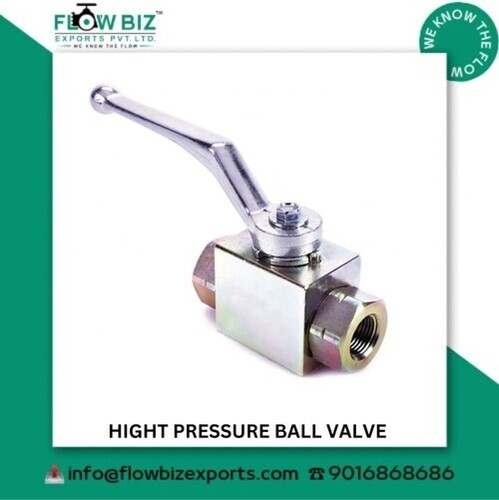
High Pressure Ball Valve Manufacturer in Gandhidham
Price 2000 INR/ Unit
MOQ : 1 Number
High Pressure Ball Valve Manufacturer in Gandhidham Specification
- Channels
- 2-way / 3-way
- Caliber
- Standard Bore / Full Bore
- Structure
- Three Piece, Floating Ball
- Pressure
- Up to 6000 PSI
- Connection
- Threaded / Flanged / Socket Weld
- Material
- Forged Carbon Steel / Stainless Steel / Alloy Steel
- Power
- Manual
- Media
- Water, Oil, Gas, Air, Steam
- Temperature of Media
- -20°C to +200°C
- Port Size
- 1/2 inch to 4 inch
- Flange
- ANSI / DIN / BS Standard
- Finish
- Precision Machined, Corrosion Resistant Coating
- Application
- High Pressure Pipeline, Oil & Gas Industries, Chemical Plants
- Seat Material
- PTFE / Graphite / Metal
- Testing Standard
- API 598 / ISO 5208
- Bonnet Type
- Bolted / Welded
- Coating
- Epoxy / Zinc Plated
- Body Material
- ASTM A105 / SS304 / SS316
- Operation
- Lever / Gear / Actuated
- Leakage Class
- Class VI
- Flow Direction
- Bidirectional
- Design Standard
- API 6D, ASME B16.34, BS 5351
- Fire Safe Design
- Available
- Working Temperature
- -20°C to +200°C
- End Type
- Screwed / Flanged / Welded
High Pressure Ball Valve Manufacturer in Gandhidham About
FlowBiz Forged High-Pressure Hydraulic Ball Valves 6000 PSI Bidirectional Flow Control
Welcome to the engineering authority for extreme-pressure fluid containment, hydraulic system routing, and high-load pipeline isolation. Operating advanced multi-axis CNC turn-mill machinery, high-tonnage precision forging presses, and specialized hyperbaric pressure-boundary validation bays, FlowBiz specializes in manufacturing ultra-duty High-Pressure Hydraulic Ball Valves.
Standard cast valves often feature microscopic porosity that can fail under intense pressure spikes, hydraulic shocks, or rapid cycling. FlowBiz addresses this vulnerability by machining our high-pressure series directly from forged carbon steel or rolled bar stock material. This method eliminates internal structural voids and allows us to precision-engineer and tailor the final valve body to customer-specific dimensions in a very short turnaround time. Built on a sophisticated, double-sealing floating ball platform, this series handles operational pressures up to ANSI Class 2500 (414 bar / 6000 PSI), providing rugged, leak-proof performance for demanding industrial utility and hydraulic applications.
Technical Specifications & Compliance Parameters
Every FlowBiz high-pressure production block is subjected to 100% rigorous hydrostatic testing at 1.5 times the design pressure limit and pneumatic validation under global standard testing codes.
| Engineering Parameter | Certified Product Specifications & Compliance Codes |
| Design Integrity | Fully compliant with API 6D, ASME B16.34, and BS 5351 codes |
| Pressure Limit Capacity | Engineered up to ANSI Class 2500 (414 bar / 6000 PSI maximum) |
| Pressure Testing Codes | 100% verified via API 598 and ISO 5208 quality protocols |
| Structural Architecture | 3-Piece modular body with heavy-wall bolted or welded bonnets |
| Core Sealing Profile | Bidirectional Floating Ball layout with double-sided sealing |
| Raw Material Form | High-density Forged Carbon Steel, SS304, SS316, or Alloy Steel |
| End Connection Styles | High-integrity Threaded (NPT/BSP), Flanged (ASME B16.5), or Socket Weld |
| Surface Finish Armor | Phosphate-Plated, Yellow Zinc-Plated, or High-Build Epoxy |
Kinematics & Glandless High-Pressure Hydraulic Dynamics
The operational edge of the FlowBiz hydraulic series depends on an advanced glandless stem housing and a pressure-energized dual-upstream sealing matrix:
            OPEN POSITION (FULL-FLOW DRILLING CLEARWAY)       CLOSED SHUT-OFF STATE (6000 PSI DUAL-WALL BALANCED)

                         [ BILLET-MACHINED DRIVE STEM ]                 [ ROBUST BOLTED BONNET CASING ]
                                       ||                                              ||
                                       \/                                              \/
                           +------------------------+                      +------------------------+
                           | Glandless O-Ring Seal  |                      | Yellow Zinc / Phosphate|
                        +--+------------------------+--+                 +--+------------------------+--+
                        |   [ COMPACT 3-PIECE BODY ]   |                 |  [ BIDIRECTIONAL PRESSURES ]|
                        |       /---|      |---\        |                 |     /================\     |
 =====================> |====> | Full Bore      | ====> | ===============>|====>| Spherical ball |<====| Backpressure up
 High-Velocity Hydraulic|      | Polished Core  |       | Unrestricted    |     | shifts forward |     | to 6000 PSI held
 Media Inflow Stream    |       \---|      |---\        | Flow Routing    |     | into down-seat |     | Bubble-Tight
                        +----------------------------+                 +-----+================+-----+
                           | Full Inner Pipe Diameter|                    | Pre-Compressed Seal Rings  |
                           +------------------------+                      +------------------------+
-
Glandless Structural Housing: Traditional high-pressure valves use adjustable compression gland nuts to tighten the stem packing, which require regular manual adjustment to prevent weeping. The FlowBiz hydraulic series features a specialized glandless top-works layout. By sealing the stem with high-durometer, pressure-energized elastomeric O-rings inside a precision-ground housing, the valve eliminates the need for manual packing adjustments, providing long-term, maintenance-free external sealing.
-
Double-Sided Bidirectional Floating Sealing: The micro-finished spherical ball is suspended between two pre-compressed, high-density seat rings. When closed, fluid pressure from either direction shifts the ball forward into the downstream seat face. This bidirectional sealing capability ensures reliable, leak-proof containment regardless of the process flow direction.
-
Full-Flow Unrestricted Clearway: Available in full-bore calibers where the internal ball bore matches your pipe's inner diameter. This straight-through layout prevents fluid restriction, avoids internal line turbulence, and eliminates pressure drops, which is critical for high-viscosity oil lines and high-velocity hydraulic systems.
Strategic Material Optimization Matrix
To ensure an extended working life under high pressures and severe environments, the internal seating material must be matched to your specific system media:
-
High-Purity PTFE / RPTFE Seats: The standard selection for chemical processing lines and corrosive fluid loops. This material provides minimal mechanical friction, excellent chemical compatibility, and slick, low-torque operation.
-
High-Density Carbon-Graphite Seats: Specially specified for hot utility networks, steam distribution pipelines, and thermal oil loops requiring stable sealing at elevated temperatures.
-
Severe-Service Metal-to-Metal Seats: Engineered for abrasive media, slurry transmission lines, and intense hydraulic circuits experiencing extreme friction, high pressure differentials, or solid particulate exposure.
Strategic Industrial Application Sectors
Our Forged High-Pressure Hydraulic Ball Valves provide critical containment across major heavy industries:
-
Midstream & Downstream Oil & Gas: Managing high-pressure drilling manifolds, gas transmission pipelines, and refinery isolation skids.
-
Chemical & Petrochemical Processing: Controlling high-pressure chemical feeds, corrosive reagent lines, and high-velocity solvent routing.
-
High-Pressure Hydraulic Systems: Regulating industrial hydraulic power units, heavy machinery actuation loops, and high-pressure oil skids.
-
Steam & Power Generation Utilities: Isolating high-pressure boiler feed lines, steam manifolds, and condensate return networks.
Comprehensive Supply Chain Footprint
Operating from our strategic engineering and manufacturing hub in Gandhidham, Gujarat, FlowBiz maintains an efficient national and international logistics network. As a trusted manufacturer, exporter, and supplier, we provide prompt, certified delivery, full material traceability, and responsive technical support across all major industrial regions:
-
Gujarat Processing Hubs: Gandhidham, Kutch, Ahmedabad, Vapi, Valsad, Surat, Ankleshwar, and Bharuch.
-
Maharashtra Industrial Corridors: Mumbai, Nashik, Pune, Thane, Aurangabad, Satara, Sangli, Nagpur, and Kolhapur.
-
Central & Southern Manufacturing Zones: Indore, Dewas, Bhopal, Chennai, Coimbatore, Salem, and all other major regional processing zones.
Frequently Asked Questions (FAQ)
Q: How do high pressure ball valves support safe and efficient flow in industrial pipelines?
A: Our valves feature a robust bidirectional flow design, heavy-wall forged configurations, and fire-safe construction. Capable of handling aggressive media like water, oil, gas, and steam up to 6000 PSI, they provide dependable fluid isolation under extreme pressure spikes, drastically reducing leakage risks and improving overall process reliability.
Q: What design standards are your ball valves manufactured to comply with?
A: Every high-pressure valve is designed and manufactured in strict accordance with API 6D, ASME B16.34, and BS 5351 international quality frameworks. To ensure full compatibility in global industrial environments, every batch is pressure-tested and certified under API 598 and ISO 5208 protocols before shipment.
Q: When should I use PTFE, graphite, or metal seats in a ball valve?
A: PTFE/RPTFE seats are ideal for corrosive chemicals and gases due to their low friction and chemical resistance. Graphite seats should be specified for high-temperature steam utility lines, while hardened metal-to-metal seating is recommended for systems carrying abrasive particulates or extreme hydraulic pressures where soft seats could erode or deform.
Q: Where are these high pressure ball valves typically installed?
A: These forged valves are widely integrated across high-pressure hydraulic skids, oil and gas distribution headers, petrochemical refining loops, and chemical processing manifolds. Their compatibility with standard ANSI, DIN, and BS flange dimensions ensures seamless integration into existing plant piping infrastructure.
Q: What is the process for ordering custom-configured ball valves from the manufacturer?
A: Procurement is direct and customizable. Clients simply specify their required body metallurgy (such as forged carbon steel or SS316), seat type, end connections (threaded, flanged, or socket weld), and automation requirements. Our engineering team in Gandhidham then precision-machines and finishes the valves with tailored protective coatings to meet your exact project specifications.
Q: How is corrosion resistance achieved in your ball valves?
A: We ensure long-term durability by manufacturing our valves from high-grade corrosion-resistant alloys like SS304, SS316, and specialized alloy steels. For carbon steel bodies, we apply high-integrity external surface protectionincluding industrial epoxy coatings, heavy-duty phosphating, or yellow zinc platingto shield the valve from atmospheric rust and aggressive chemical environments.
Are you designing a heavy-duty hydraulic power unit that requires a 6000 PSI socket-weld ball valve with a yellow zinc finish, or retrofitting a high-pressure gas manifold in Gandhidham that demands an ASME Class 2500 flanged layout? Contact our technical engineering and sales division in Gandhidham, India today to secure a factory-direct quote and quick pricing, or ask a single relevant question regarding your specific hydraulic fluid velocity or pressure parameters below to guide the conversation forward.
Tell us about your requirement

Price:
Quantity
Select Unit
- 50
- 100
- 200
- 250
- 500
- 1000+
Additional detail
Mobile number
Email

More Products in Ball Valve Category
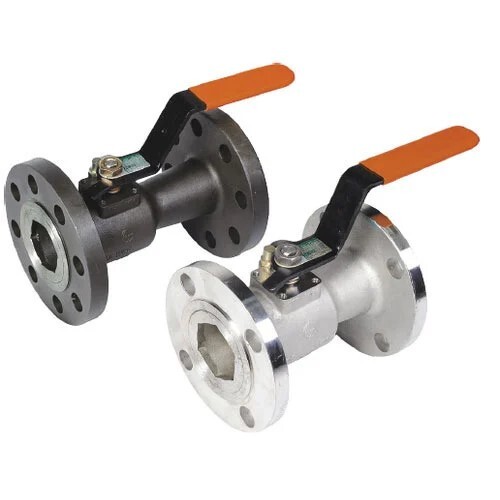
Industrial Valve & Single Piece Ball Valve
Price 2400.0 INR / Pair
Minimum Order Quantity : 1 Pair
Material : Stainless Steel
Finish : Polished
Media : Other, Water, Oil, Gas
Pressure : Other, Up to 20 Bar
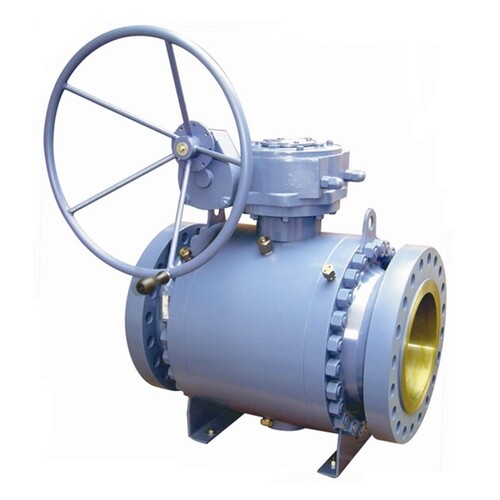
Trunnion Mounteds Ball Valves
Price 2500 INR / Unit
Minimum Order Quantity : 1 Number
Material : Other, Carbon Steel, Stainless Steel, Alloy Steel
Finish : Painted / Coated
Media : Other, Water, Oil, Gas
Pressure : Other, Class 150 to Class 2500
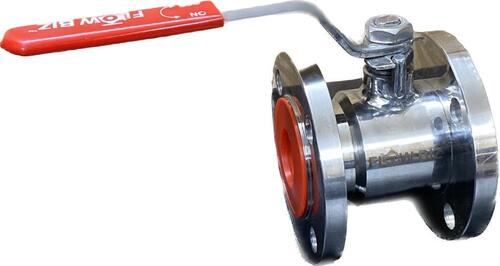
Ball Valve Manufacturer in India
Price 2400 INR / Unit
Minimum Order Quantity : 1 Number
Material : Stainless Steel
Finish : Polished
Media : Other, Water, Gas, Oil
Pressure : Other, PN16, PN25, PN40
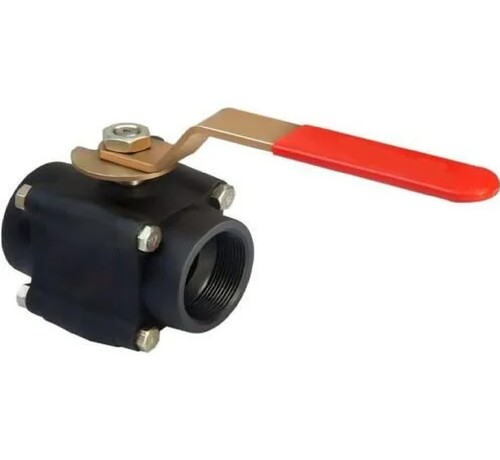
Forged Steel Valve Ball
Price 2000.0 INR / Piece
Minimum Order Quantity : 1 Piece
Material : Other, Forged Steel
Finish : Anticorrosive Coating
Media : Other, Water, Oil, Gas, Steam
Pressure : Other, Class 150 to 800

 Send Inquiry
Our Products
- Needle Valve
- Ball Valve
- Globe Valve
- Gate Valve
- Y Type Strainer
- Piston Valve
- Check Valve
- Sight Glass
- Butterfly Valve
- Swing Check Valve
- Damper Valve
- Basket Strainer
- Pressure Reducing Valve
- Double Block Bleed Valve
- Moisture Separator
- Forged Valve
- Diaphragm Valve
- Mini Ball Valve
- Forbes Marshall PRV
- T Type Strainer
- Plug Valve
- Blow Down Valve
- Air Valve
- Non Return Valve
- Safety Valve
- Steam Trap
- Gasket
- L&T Ball Valve
- L&T Butterfly Valve
- AUDCO Ball Valve
- SPIRAX Marshall PRV
- Solenoid Valve
- oxygen
- roto seal coupling
- straight union
- flow control
- ptfe sheets
- ptfe
- rubber products
- felt products
- Asbestos products
- Engineered plastics products
- rubber seals
- rubber gasket
- Sight Glasses
- Jacketed Valves
- flush bottom valve
- strainer
- Sluice Gate Valve
- Slab Gate Valve
- PTFE Lined Valve
- PTFE Lined Valves


416,417 4th Floor, A Block Safal 8, Ajit Mill, Cross Rd, Rakhial,Ahmedabad - 380023, Gujarat, India

Mr Shakir Ansari
(Director)
Mobile :08071780343
 Send Inquiry
 Send SMS
Developed and Managed by Infocom Network Private Limited.
