
Call us now :08071780343
 Send Inquiry
 Send Inquiry
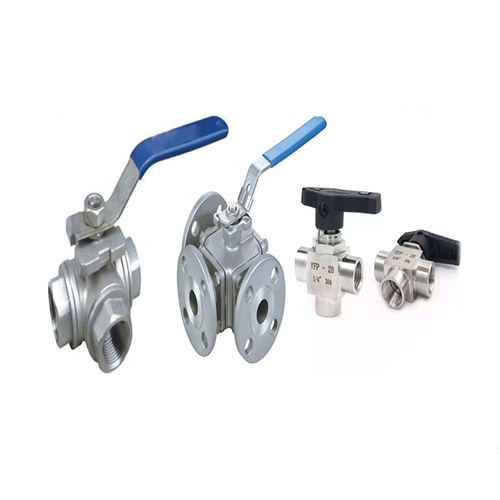
Gear Operated Ball Valve
Price 4500 INR/ Unit
MOQ : 1 Unit
Gear Operated Ball Valve Specification
- Material
- Brass
- Media
- Gas
- Size
- Different Available
- Product Type
- Gear Operated Ball Valve
- Color
- Silver
- Finish
- Polished
- Application
- Industrial
Gear Operated Ball Valve Trade Information
- Minimum Order Quantity
- 1 Unit
- Supply Ability
- 100 Units Per Week
- Delivery Time
- 5 Days
- Main Domestic Market
- All India
Gear Operated Ball Valve About
Gear-operated ball valves are one of the most reliable methods of directing and containing fluid flow in several industries.
They come with low flow resistance, so you can control your fluids while moving them along as quickly as needed.
| Size |
|
| Pressure Rating |
|
| Material |
|
| End Connection |
|
| Automation Grade |
|
Gear Operated Precision
The gear operated mechanism enables smooth, precise control for both low and high-volume gas flow in industrial settings. The gear system reduces manual effort, making these valves ideal for frequent operation under pressure. Their durable construction ensures longevity and minimal maintenance.
Versatile Application
Suited to numerous industrial uses, these ball valves easily integrate into gas handling systems thanks to their range of size options. Their robust brass material and polished finish lend strength and resistance to corrosion, even in challenging environments.
FAQ's of Gear Operated Ball Valve:
Q: How does a gear operated ball valve work in industrial gas applications?
A: The gear operated ball valve uses a gear mechanism to rotate the internal ball, allowing precise control of gas flow. This design offers superior ease of use and helps ensure tight shut-off, even during repeated operation under high pressure.Q: What are the main advantages of using a brass, polished ball valve for gas in industrial environments?
A: Brass ball valves provide excellent corrosion resistance and strength, while the polished finish reduces wear and eases cleaning. These features together extend valve life and maintain a reliable seal in intensive gas applications.Q: When should gear operated ball valves be selected over other valve types?
A: Gear operated ball valves are preferable when frequent, precise operation is necessary or where manual effort needs reduction-especially in larger pipelines or pressurized gas systems commonly found in industrial facilities.Q: Where are your gear operated ball valves typically installed?
A: These valves are widely installed across industrial plants in India and globally, particularly in sections of gas distribution, processing, and control where robust and reliable shut-off is critical.Q: What is the process for installing a gear operated ball valve in a gas system?
A: Installation involves positioning the valve between pipeline flanges, securing it to prevent leaks, and ensuring the gear mechanism is accessible for operation. It's vital to follow appropriate safety and testing protocols after installation.Q: How can users benefit from the different size options available for these ball valves?
A: Having multiple sizes ensures that users can select a valve precisely matched to their system requirements, which improves operational efficiency, reduces energy loss, and enhances safety through tailored control.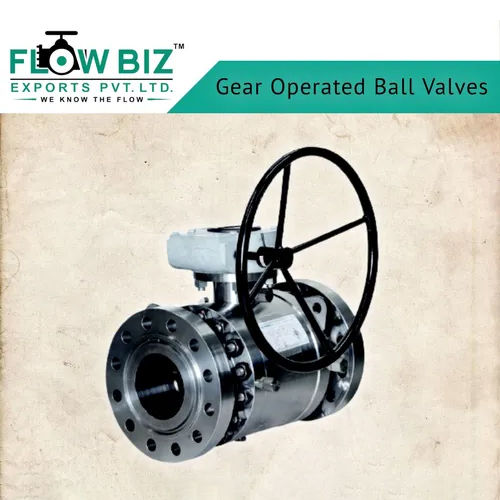
Tell us about your requirement

Price:
Quantity
Select Unit
- 50
- 100
- 200
- 250
- 500
- 1000+
Additional detail
Mobile number
Email

More Products in Ball Valve Category
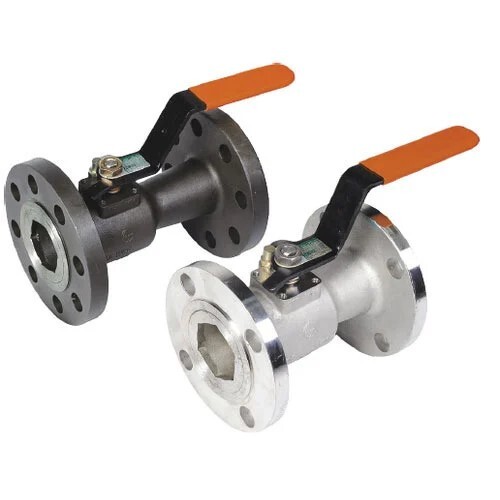
Industrial Valve & Single Piece Ball Valve
Price 2400.0 INR / Pair
Minimum Order Quantity : 1 Pair
Application : Industrial, Chemical, Petrochemical, Water Treatment
Flange : Available as per standards
Material : Stainless Steel
Temperature of Media : 20C to 180C
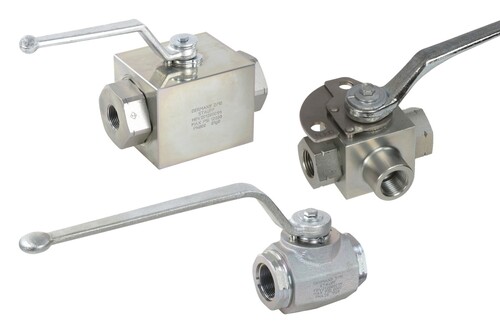
Industrial SS High Pressure Valve Ball
Price 1000.0 INR / Unit
Minimum Order Quantity : 1 Number
Application : Industrial / Hydraulic / Process Plants / Petrochemical
Flange : ANSI / DIN / JIS standards
Material : Other, Stainless Steel / Carbon Steel / Alloy Steel
Temperature of Media : 20C to 200C
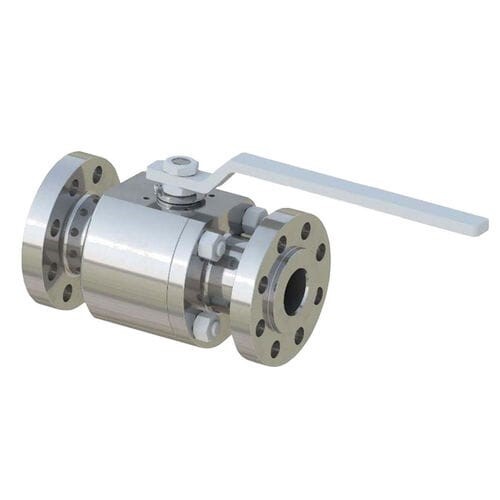
Metal Seated Flangeds Ball
Price 2000 INR / Unit
Minimum Order Quantity : 1 Number
Application : Chemical, Petrochemical, Power, Water Treatment, Oil & Gas
Flange : ANSI / DIN / JIS Standard
Material : Other, Stainless Steel / Carbon Steel / Alloy Steel
Temperature of Media : 20C to +450C
Flow Control Valve Ball
Price 5000.0 INR / Piece
Minimum Order Quantity : 1 Piece
Application : Industrial
Flange : Yes
Material : Other, Cast Iron
Temperature of Media : Normal Temperature

 Send Inquiry
Our Products
- Needle Valve
- Ball Valve
- Globe Valve
- Gate Valve
- Y Type Strainer
- Piston Valve
- Check Valve
- Sight Glass
- Butterfly Valve
- Swing Check Valve
- Damper Valve
- Basket Strainer
- Pressure Reducing Valve
- Double Block Bleed Valve
- Moisture Separator
- Forged Valve
- Diaphragm Valve
- Mini Ball Valve
- Forbes Marshall PRV
- T Type Strainer
- Plug Valve
- Blow Down Valve
- Air Valve
- Non Return Valve
- Safety Valve
- Steam Trap
- Gasket
- L&T Ball Valve
- L&T Butterfly Valve
- AUDCO Ball Valve
- SPIRAX Marshall PRV
- Solenoid Valve
- oxygen
- roto seal coupling
- straight union
- flow control
- ptfe sheets
- ptfe
- rubber products
- felt products
- Asbestos products
- Engineered plastics products
- rubber seals
- rubber gasket
- Sight Glasses
- Jacketed Valves
- flush bottom valve
- strainer
- Sluice Gate Valve
- Slab Gate Valve
- PTFE Lined Valve
- PTFE Lined Valves


416,417 4th Floor, A Block Safal 8, Ajit Mill, Cross Rd, Rakhial,Ahmedabad - 380023, Gujarat, India

Mr Shakir Ansari
(Director)
Mobile :08071780343
 Send Inquiry
 Send SMS
Developed and Managed by Infocom Network Private Limited.
