
Call us now :08071780343
 Send Inquiry
 Send Inquiry
Four Way Ball Valve 2
Price 3000 INR/ Unit
MOQ : 1 Number
Four Way Ball Valve 2 Specification
- Caliber
- Full Bore
- Pressure
- PN16, PN25, PN40
- Structure
- Four Way Ball
- Connection
- Flanged
- Channels
- Four Way
- Material
- Stainless Steel
- Power
- Manual
- Media
- Water, Oil, Gas, Chemical
- Temperature of Media
- -20°C to 180°C
- Port Size
- 1/2 to 4
- Flange
- ANSI/DIN/JIS Standard
- Finish
- Polished
- Application
- Industrial, Chemical Processing, Water Treatment
- Mounting Type
- Panel or Pipe Mounted
- Standards
- ISO 5211
- Direction of Flow
- Multi-Directional
- Maintenance
- Low Maintenance, Easy to Clean
- Leakage Class
- Class VI Bubble Tight
- Stem Material
- Stainless Steel
- Design Temperature
- Up to 180C
- Weight
- Varies as per Size (Approx. 5-18 kg)
- Sealing Type
- PTFE Seats and Seals
- Ball Material
- SS 304 / SS 316
- Body Design
- Three Piece Construction
- Operation Method
- Handle Lever
- Operation
- Quarter Turn
Four Way Ball Valve 2 About
FlowBiz Exports Pvt Ltd is a High Quality 4 way ball valve Manufacturer in Mumbai, Maharashtra, India. We are a leading manufacturer of 4 way ball valve in Mumbai and nearby areas.
4 Way Ball Valves are offered with L-L port or Double L Port and are manufactured with screwed ends. These valves are used when two right-angle diversions have to be done using one single valve. These valves will have two inlets and two outlets at any given time.
Advantages:
Multiple no of valves can be replaced by few no of valves.
Reduced Labor & Maintenance cost
Space saving
Flow diversion or Mixing can be more precise.
Features:
High Performance Ball Valve
Longer Life
Positive Shut off
Quick in Action
No Lubrication
Compact Design
Low Pressure Drop
Simplicity
Product Details:
Size - " to 2" (DN15 to DN50)
Class - 150#, 300#
Material - WCB, CF8M (SS316), CF8(SS304), Duplex SS, Inconel, Hastelloy
Port - Full Port
End connection - Screwed End (BSP / NPT)
Engineered for Reliability and Versatility
The Four Way Ball Valve 2 stands out due to its multi-directional flow capabilities and robust construction. Designed with a three-piece stainless steel body and full bore caliber, it manages a wide spectrum of media, including water, oil, gas, and chemicals. Its versatility is enhanced by flanged connections and the ability to mount on both panels and pipes. The polished finish adds corrosion resistance, making it suitable for harsh environments.
Superior Sealing and Easy Operation
With PTFE seats and seals, the valve ensures chemical compatibility and offers Class VI bubble-tight leakage protection for critical applications. It features a simple handle lever for quarter-turn manual operation, facilitating rapid and precise control. Maintenance is minimal thanks to the user-friendly design, supporting seamless operation in continuous industrial and chemical processing systems.
FAQs of Four Way Ball Valve 2:
Q: How does the Four Way Ball Valve 2 manage multi-directional flow?
A: This valve utilizes a full bore, four-channel internal structure, allowing for the controlled redirection of media in multiple directions. The quarter-turn handle lever enables users to quickly switch flow paths, making it ideal for complex piping systems requiring versatile flow control.Q: What materials are used in the construction of this valve?
A: The primary materials are stainless steel (SS 304 or SS 316) for the body and stem, and PTFE for the seats and seals. This combination ensures high strength, corrosion resistance, and compatibility with a wide array of industrial media including chemicals, oils, water, and gases.Q: When is this valve best suited for application?
A: The Four Way Ball Valve 2 is ideal for use in industrial, chemical processing, and water treatment facilities, especially where frequent redirection of flow is required, tight sealing is critical, and durability at high temperatures (up to 180C) and pressures (up to PN40) is needed.Q: Where can the valve be installed?
A: Thanks to its versatile mounting options, the valve can be installed on both panels and pipes. Its flanged ends comply with ANSI, DIN, and JIS international standards, making it adaptable for new installations or retrofits across various industries.Q: What is the maintenance process for this valve?
A: The three-piece construction allows for quick disassembly, making inspection, cleaning, or seat/seal replacement straightforward. Due to its robust materials and PTFE sealing, it requires minimal ongoing maintenance and provides easy cleanability.Q: How does the valve ensure leak-tight performance?
A: Equipped with PTFE seats and seals, the valve offers Class VI bubble-tight leakage performance, the highest industry standard for sealing. This feature is particularly beneficial in applications where any leakage could result in safety hazards or product loss.Q: What are the advantages of using the Four Way Ball Valve 2?
A: Key benefits include low maintenance, ease of cleaning, robust performance under challenging conditions, compatibility with various media, and compliance with international standards. Its versatility and reliability increase efficiency and process safety in complex flow networks.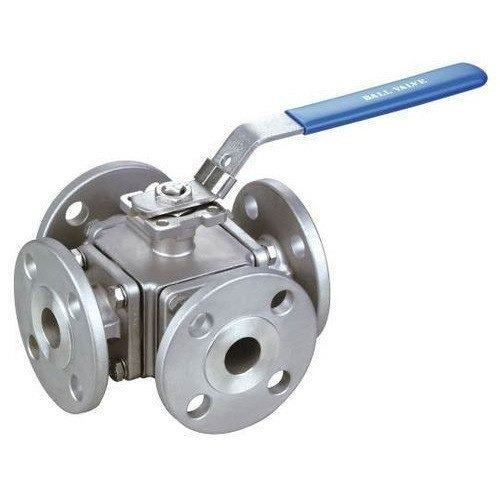
Tell us about your requirement

Price:
Quantity
Select Unit
- 50
- 100
- 200
- 250
- 500
- 1000+
Additional detail
Mobile number
Email

More Products in Ball Valve Category
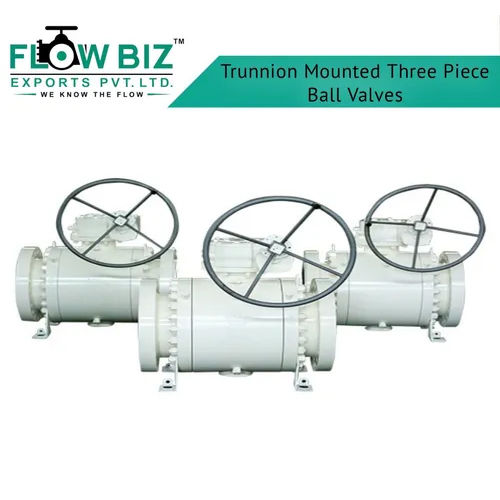
Trunnion Mounted Three Piece Ball Valve
Price 1100 INR / Unit
Minimum Order Quantity : 1 Unit
Material : Other, Carbon Steel / Stainless Steel / Alloy Steel
Temperature of Media : 29C to +200C (Depending on material)
Media : Other, Water, Oil, Gas, Chemicals
Application : Industrial
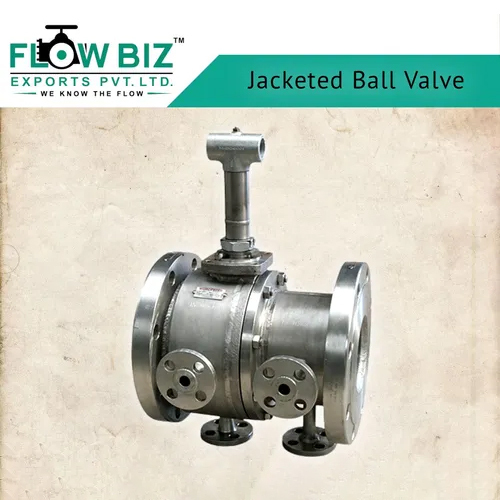
Industrial Ball Valve
Price 4000.0 INR / Piece
Minimum Order Quantity : 1 Piece
Material : Stainless Steel
Temperature of Media : Medium Temperature
Media : Other, Water, Gas, Oil
Application : Industrial, Chemical, Water Treatment
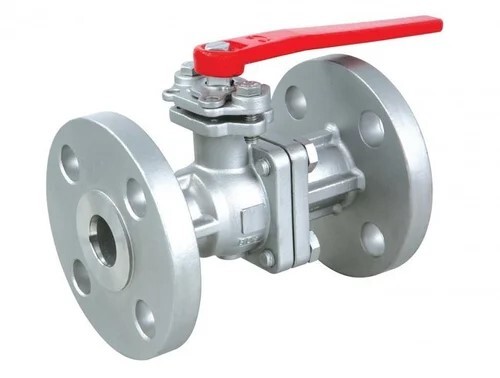
1 Piece Ball Valve
Price 2000 INR / Unit
Minimum Order Quantity : 1 Number
Material : Other, Stainless Steel / Carbon Steel / Brass
Temperature of Media : 20C to 180C
Media : Other, Water, Oil, Gas, Air, Chemical
Application : Industrial / Commercial / Water Treatment / Chemical Processing
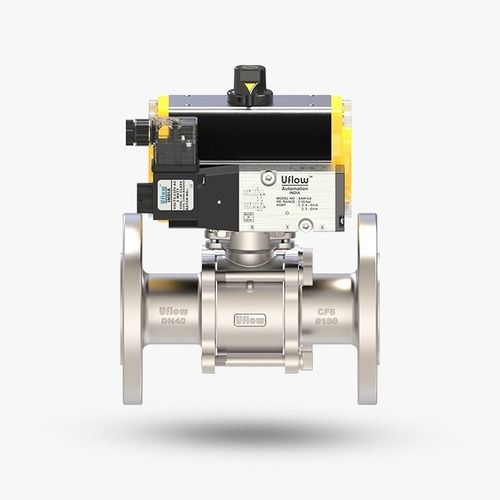
3 Piece Flange Ball Valve
Price 9700 INR / Number
Minimum Order Quantity : 1 Unit
Material : Other, Stainless Steel/Carbon Steel
Temperature of Media : 20C to 180C
Media : Other, Water, Oil, Gas, Air, Steam
Application : Industrial, Chemical, Petrochemical, Food & Beverage

 Send Inquiry
Our Products
- Needle Valve
- Ball Valve
- Globe Valve
- Gate Valve
- Y Type Strainer
- Piston Valve
- Check Valve
- Sight Glass
- Butterfly Valve
- Swing Check Valve
- Damper Valve
- Basket Strainer
- Pressure Reducing Valve
- Double Block Bleed Valve
- Moisture Separator
- Forged Valve
- Diaphragm Valve
- Mini Ball Valve
- Forbes Marshall PRV
- T Type Strainer
- Plug Valve
- Blow Down Valve
- Air Valve
- Non Return Valve
- Safety Valve
- Steam Trap
- Gasket
- L&T Ball Valve
- L&T Butterfly Valve
- AUDCO Ball Valve
- SPIRAX Marshall PRV
- Solenoid Valve
- oxygen
- roto seal coupling
- straight union
- flow control
- ptfe sheets
- ptfe
- rubber products
- felt products
- Asbestos products
- Engineered plastics products
- rubber seals
- rubber gasket
- Sight Glasses
- Jacketed Valves
- flush bottom valve
- strainer
- Sluice Gate Valve
- Slab Gate Valve
- PTFE Lined Valve
- PTFE Lined Valves


416,417 4th Floor, A Block Safal 8, Ajit Mill, Cross Rd, Rakhial,Ahmedabad - 380023, Gujarat, India

Mr Shakir Ansari
(Director)
Mobile :08071780343
 Send Inquiry
 Send SMS
Developed and Managed by Infocom Network Private Limited.
