
Call us now :08071780343
 Send Inquiry
 Send Inquiry
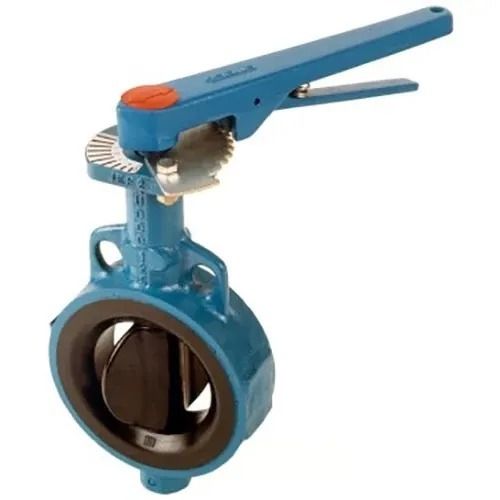
Electric Pneumatic Butterfly Valves
Price 4000 INR/ Unit
MOQ : 1 Number
Electric Pneumatic Butterfly Valves Specification
- Connection
- Flanged/ Wafer
- Valve Type
- Electric Pneumatic Butterfly Valve
- Material
- Body: Cast Iron, Disc: Stainless Steel, Seat: EPDM
- Power Source
- Electric/Pneumatic Actuator
- Pressure
- Up to 16 Bar (PN16)
- Media
- Water, Air, Gas, Chemicals
- Working Temperature
- -10°C to +80°C
- Port Size
- 2 to 24 (DN50-DN600)
- Shape
- Wafer Type
- Seal Material
- EPDM / NBR / PTFE
- Actuator Type
- Quarter Turn
- Body Coating
- Epoxy Painted
- Applicable Industry
- Water Treatment, HVAC, Chemical, Food & Beverage
- Mounting Orientation
- Horizontal / Vertical
- Control Signal
- 4-20 mA / 0-10 V
- Voltage
- 220V AC / 24V DC
- End Connection Standard
- EN / ANSI / JIS
- Valve Standard
- ISO 5211
- Operation Mode
- On/Off / Modulating
- Leakage Class
- Class VI
Electric Pneumatic Butterfly Valves About
FlowBiz Exports Pvt Ltd is a High Quality Triple-eccentric butterfly valves Manufacturer in Mumbai, Maharashtra, India. We are a leading manufacturer of Triple-eccentric butterfly valves in Mumbai and nearby areas.
The electric butterfly valve has a large power torque, manual and electric dual-purpose operation, and a high degree of automation. It can be remotely controlled through the control box and PLC. It is widely used in industrial pipeline control in the chemical, metallurgical, and petroleum industries.
Functions:
Working principle of pneumatic butterfly valve: The pneumatic butterfly valve uses compressed air as the power source, and drives the valve stem to control the disc-shaped butterfly plate to rotate around the axis. The initial position of the valve is determined according to actual needs.
Product Details:
Brand - FlowBiz
Valve Size - 3/4 inch
Material - Stainless Steel
Size - 50 mm
Power - Electric
Advanced Flow Control for Critical Applications
These electric pneumatic butterfly valves are designed for superior performance and durability, featuring robust cast iron bodies and stainless steel discs. With versatile sealing options (EPDM, NBR, PTFE) and corrosion-resistant epoxy paint, they are optimal for demanding environments such as water treatment, chemical processing, and HVAC systems. Their wafer-type, flanged connections follow international standards, ensuring compatibility and leak-tight operation up to Class VI.
Flexible Actuation and Control
Equipped with both electric and pneumatic actuators, these butterfly valves can perform on/off or modulating control functions. They accept industry-standard analog signals (4-20 mA or 0-10 V) and support multiple voltages (220V AC, 24V DC), providing wide-ranging automation solutions. ISO 5211 direct mounting supports both horizontal and vertical orientations for easy installation and seamless integration.
FAQs of Electric Pneumatic Butterfly Valves:
Q: How does the actuator type benefit the valves operation in different industries?
A: The quarter-turn electric and pneumatic actuator allows precise and swift control, making these butterfly valves suitable for applications requiring both on/off and modulating capabilities, such as in water treatment, HVAC, chemical, and food & beverage industries.Q: What materials are used for the valve seat and seals, and why are they important?
A: The valve seat can be made of EPDM, NBR, or PTFE, selected for their chemical resistance and durability. These materials ensure excellent sealing performance, achieve Class VI leakage standards, and maintain integrity with a variety of media like water, gas, and chemicals.Q: When should I choose an electric pneumatic butterfly valve for my system?
A: These valves are ideal when precise flow control, automation, or remote operation is required. They are best suited for systems operating at pressures up to 16 Bar and temperatures between -10C to +80C, handling media such as water, air, gases, and chemicals.Q: Where can these valves be mounted, and are there orientation restrictions?
A: Thanks to ISO 5211 standardized mounting and robust actuator design, these valves can be installed in either horizontal or vertical orientations, providing flexibility in system layout and space utilization.Q: What is the process for integrating the control signal with these valves?
A: Integration is straightforward; the actuator accepts standard industrial control signals (4-20 mA or 0-10 V). Simply connect the signal wiring to the actuator terminals, enabling automated position control for both on/off and modulating modes.Q: How do users benefit from the epoxy-painted body of the valve?
A: The epoxy paint provides a protective coating against corrosion and harsh environmental conditions, extending the valves service life and reducing maintenance, particularly in water treatment and chemical processing installations.Q: Which end connection standards do these valves comply with, and what advantage does this offer?
A: These valves are compatible with EN, ANSI, and JIS end connection standards, ensuring broad applicability and easy integration with piping systems worldwide. This versatility suits export, manufacturing, and supply operations in various regions, including India.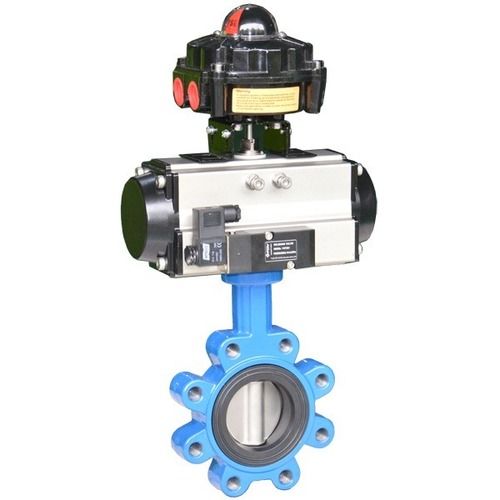
Tell us about your requirement

Price:
Quantity
Select Unit
- 50
- 100
- 200
- 250
- 500
- 1000+
Additional detail
Mobile number
Email

More Products in Butterfly Valve Category
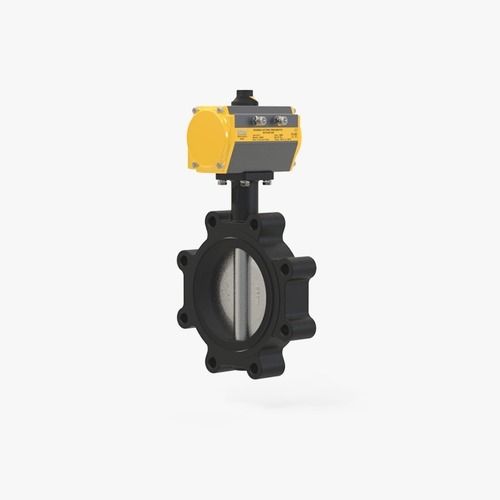
Pneumatic Operator Lug Type Butterfly Valve -P10
Price 7000 INR / Unit
Minimum Order Quantity : 1 Unit
Warranty : Yes
Valve Type : Lug Type Butterfly Valve
Media : Other, Water, Air, Oil, Gas
Power Source : Pneumatic
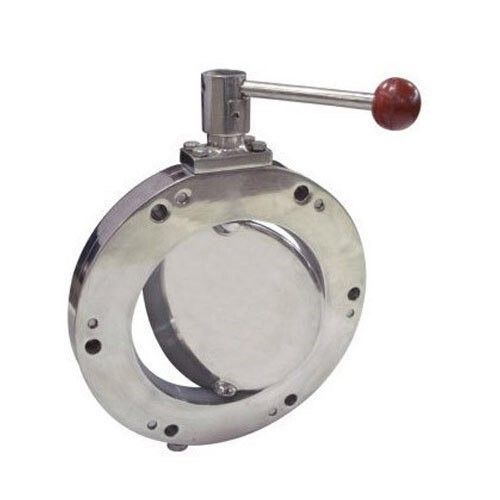
Pharma Butterfly Valve Manufacturer in Jamnagar
Price 800 INR / Unit
Minimum Order Quantity : 1 Number
Warranty : 1 Year
Valve Type : Other, Butterfly Valve
Media : Other, Water, Gas, Pharma Fluids
Power Source : Manual
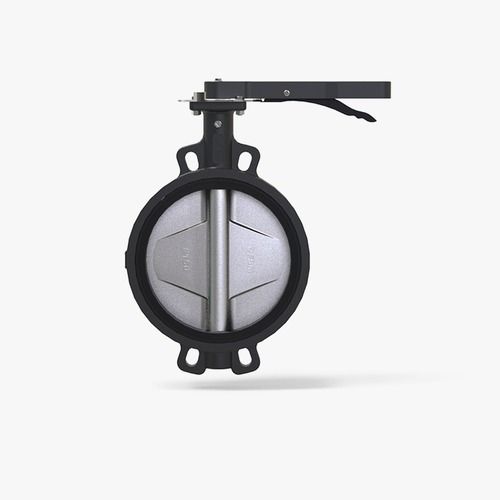
Handle Lever Operated Wafer Type Butterfly Valve
Price 11500 INR / Number
Minimum Order Quantity : 1 Unit
Warranty : 12 months
Valve Type : Butterfly Valve, Other
Media : Other, Water Air Oil
Power Source : Other, Manual (Handle Lever Operated)
Slim Seal Butterfly Valve Lever Operated
Price 400 INR / Unit
Minimum Order Quantity : 1 Unit
Warranty : Yes
Valve Type : Wafer Type Butterfly Valve
Power Source : Pneumatic

 Send Inquiry
Our Products
- Needle Valve
- Ball Valve
- Globe Valve
- Gate Valve
- Y Type Strainer
- Piston Valve
- Check Valve
- Sight Glass
- Butterfly Valve
- Swing Check Valve
- Damper Valve
- Basket Strainer
- Pressure Reducing Valve
- Double Block Bleed Valve
- Moisture Separator
- Forged Valve
- Diaphragm Valve
- Mini Ball Valve
- Forbes Marshall PRV
- T Type Strainer
- Plug Valve
- Blow Down Valve
- Air Valve
- Non Return Valve
- Safety Valve
- Steam Trap
- Gasket
- L&T Ball Valve
- L&T Butterfly Valve
- AUDCO Ball Valve
- SPIRAX Marshall PRV
- Solenoid Valve
- oxygen
- roto seal coupling
- straight union
- flow control
- ptfe sheets
- ptfe
- rubber products
- felt products
- Asbestos products
- Engineered plastics products
- rubber seals
- rubber gasket
- Sight Glasses
- Jacketed Valves
- flush bottom valve
- strainer
- Sluice Gate Valve
- Slab Gate Valve
- PTFE Lined Valve
- PTFE Lined Valves


416,417 4th Floor, A Block Safal 8, Ajit Mill, Cross Rd, Rakhial,Ahmedabad - 380023, Gujarat, India

Mr Shakir Ansari
(Director)
Mobile :08071780343
 Send Inquiry
 Send SMS
 Call Me Free
Developed and Managed by Infocom Network Private Limited.
