
Call us now :08071780343
 Send Inquiry
 Send Inquiry
Double Eccentric Design Offset Disc Wafer Type Butterfly Valve
Price 6000 INR/ Unit
MOQ : 1 Number
Double Eccentric Design Offset Disc Wafer Type Butterfly Valve Specification
- Connection
- Wafer Type - Fits Between Flanges as per EN, DIN, ANSI standards
- Valve Type
- Double Eccentric Design Offset Disc Wafer Type Butterfly Valve
- Material
- Body - Cast Iron / Ductile Iron / Carbon Steel / Stainless Steel, Disc - Stainless Steel / Duplex, Seat - PTFE / EPDM / Metal Seated
- Power Source
- Manual, Electric, Pneumatic
- Pressure
- PN10 / PN16 / PN25 / Class 150
- Media
- Water, Oil, Gas, Chemicals
- Working Temperature
- -29C to +200C (Depending on Seat & Material)
- Port Size
- DN50 to DN1200 (2 to 48)
- Shape
- Wafer
- Flow Characteristic
- Bi-directional, Bubble-tight Shutoff
- End Connection Compatibility
- EN 1092-1, ANSI B16.5, DIN, BS
- Body Coating
- Fusion Bonded Epoxy / Polyester Coating
- Operation
- Lever, Gear, Pneumatic Actuator, Electric Actuator
- Design Standard
- API 609, EN 593
- Shaft Material
- Stainless Steel AISI 410 / 431 / 316
- Application
- Water Treatment, HVAC, Oil & Gas, Chemical & Process Industries, Power Plants
- Mounting
- ISO 5211 Direct Mounting Pad
- Face to Face
- ISO 5752 Series 20
- Corrosion Resistance
- High, due to selected materials and coatings
- Leakage Class
- Class VI (Soft Seated) / Class IV (Metal Seated)
- Disc Seat Material
- PTFE / EPDM / Metal
- Testing Standard
- API 598, EN 12266-1
Double Eccentric Design Offset Disc Wafer Type Butterfly Valve About
Size Range: 2 inches to 48 inches, 65mm to 1200mm
Design Specification:
Design and Manufacturing: API 609 category "B" / MSS-SP - 68
Valve Face-to-Face Dimensions: API 609 Category "B" / ISO 5752 / MSS-SP -68
Flange Standard Conformity: ASME B 16.5 Class 150
: ASME B 16.47 Series "A" Class 150
Inspection And Testing: API 598
Pressure Temperature Rating: ASME B16.34
Top Flange Dimensions: Bolt Hole ISO 5211
Stem Dimensions: Square Drive to ISO 5211
Leakage Class: Class VI as par ANSI B 16, 16.104
Exceptional Durability and Corrosion Resistance
Built with premium materials such as stainless steel, duplex steel, and cast iron, the valve is highly resistant to corrosion. The fusion bonded epoxy or polyester coatings provide an extra layer of protection, making it ideal for harsh industrial environments and increasing the valve's operational lifespan even in challenging conditions.
Versatile Actuation Options for Flexible Operation
This butterfly valve supports multiple operation methods, including lever, gear, pneumatic actuator, and electric actuator. The ISO 5211 direct mounting pad enables easy integration with various automation systems, ensuring efficient and customized valve control tailored to specific process requirements.
Compliant with International Standards for Quality Assurance
Designed and manufactured according to API 609, EN 593, API 598, and EN 12266-1, the valve guarantees superior quality, reliable performance, and adherence to industry norms. Its testing and face-to-face dimensions comply with ISO 5752 Series 20, ensuring straightforward replacement and compatibility with global piping standards.
FAQ's of Double Eccentric Design Offset Disc Wafer Type Butterfly Valve:
Q: How does the double eccentric offset disc design benefit valve performance?
A: The double eccentric offset disc design significantly reduces friction between the disc and seat during operation, minimizing wear and ensuring a longer service life. This design enables bubble-tight shutoff, maintaining reliable and leak-free sealing over repeated cycles.Q: What are the available actuation methods for this butterfly valve?
A: This valve can be operated manually using a lever or gear, or automatically through pneumatic and electric actuators. The ISO 5211 direct mounting pad allows for easy installation of actuators to suit your control and automation needs within various process applications.Q: When should you select PTFE, EPDM, or metal seat material for this valve?
A: PTFE seats are best for chemical resistance and high temperatures, EPDM is ideal for water and general non-oily fluids, and metal seats are suited for high-pressure or abrasive services. The choice depends on your media compatibility, operating conditions, and leakage class requirements.Q: Where can this valve be used and what applications does it serve?
A: This butterfly valve is widely used in water treatment plants, HVAC systems, oil & gas pipelines, chemical and process industries, and power generation facilities across India and globally. Its versatile design accommodates diverse media like water, oil, gas, and chemicals.Q: What is the process for installation and connection of this wafer type valve?
A: Installation involves placing the wafer valve between flanges following EN, DIN, or ANSI standards, with a port size from DN50 to DN1200 (2" to 48"). The face-to-face dimension conforms to ISO 5752 Series 20, allowing straightforward fitting and reliable sealing between pipeline sections.Q: What are the key benefits of using this valve in corrosive media?
A: The valve's body and disc are made from corrosion-resistant materials, and coatings like fusion bonded epoxy or polyester further enhance durability. This construction ensures performance and reliability when used with aggressive fluids, minimizing maintenance and replacement frequency.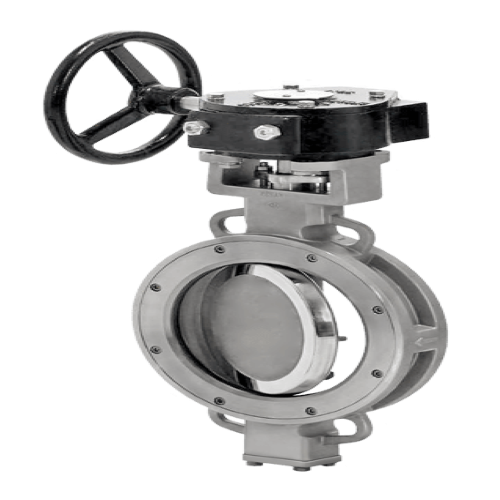
Tell us about your requirement

Price:
Quantity
Select Unit
- 50
- 100
- 200
- 250
- 500
- 1000+
Additional detail
Mobile number
Email

More Products in Butterfly Valve Category
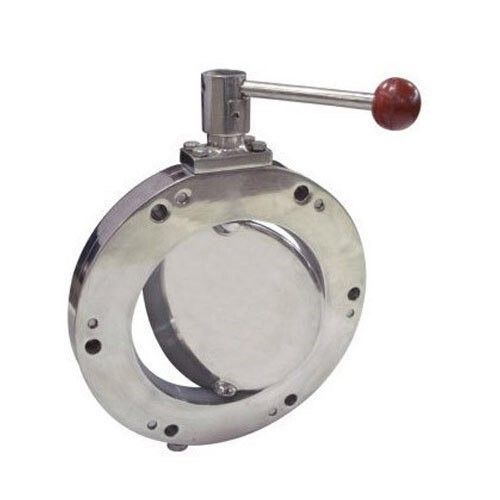
Pharma Butterfly Valve Manufacturer in Jamnagar
Price 800 INR / Unit
Minimum Order Quantity : 1 Number
Shape : Round
Material : Stainless Steel
Connection : Other, TriClamp / Flanged
Pressure : Medium Pressure
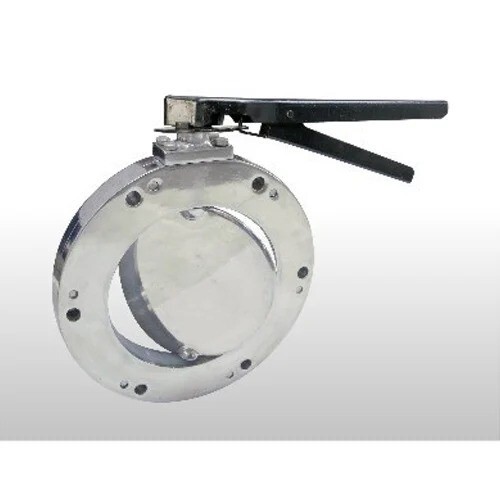
Pharma Butterfly Valve Manufacturer in India
Price 1500 INR / Number
Minimum Order Quantity : 1 Unit
Shape : Round / Disc Type
Material : Other, Stainless Steel 316/316L
Connection : Other, Triclamp / Flange / Welded Ends
Pressure : Other, Up to 10 Bar
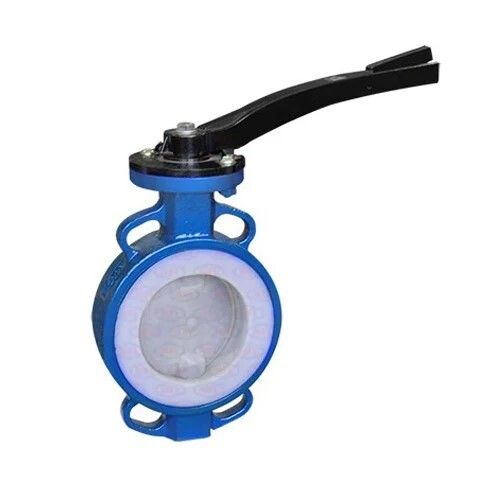
PTFE Lined Butterfly Valve Manufacturer in India
Price 3000 INR / Unit
Minimum Order Quantity : 1 Number
Shape : Wafer / Lug type
Material : Other, PTFE Lined (Body: Ductile Iron/Cast Iron/Carbon Steel/SS 304/SS 316)
Connection : Other, Flanged, Wafer, Lugged
Pressure : Other, Up to 16 bar (PN16)
Wafer Type Butterfly Valve
Price 600.0 INR / Piece
Minimum Order Quantity : 1 Piece
Shape : Round
Material : Stainless Steel

 Send Inquiry
Our Products
- Needle Valve
- Ball Valve
- Globe Valve
- Gate Valve
- Y Type Strainer
- Piston Valve
- Check Valve
- Sight Glass
- Butterfly Valve
- Swing Check Valve
- Damper Valve
- Basket Strainer
- Pressure Reducing Valve
- Double Block Bleed Valve
- Moisture Separator
- Forged Valve
- Diaphragm Valve
- Mini Ball Valve
- Forbes Marshall PRV
- T Type Strainer
- Plug Valve
- Blow Down Valve
- Air Valve
- Non Return Valve
- Safety Valve
- Steam Trap
- Gasket
- L&T Ball Valve
- L&T Butterfly Valve
- AUDCO Ball Valve
- SPIRAX Marshall PRV
- Solenoid Valve
- oxygen
- roto seal coupling
- straight union
- flow control
- ptfe sheets
- ptfe
- rubber products
- felt products
- Asbestos products
- Engineered plastics products
- rubber seals
- rubber gasket
- Sight Glasses
- Jacketed Valves
- flush bottom valve
- strainer
- Sluice Gate Valve
- Slab Gate Valve
- PTFE Lined Valve
- PTFE Lined Valves


416,417 4th Floor, A Block Safal 8, Ajit Mill, Cross Rd, Rakhial,Ahmedabad - 380023, Gujarat, India

Mr Shakir Ansari
(Director)
Mobile :08071780343
 Send Inquiry
 Send SMS
 Call Me Free
Developed and Managed by Infocom Network Private Limited.
