
Call us now :08071793447
 Send Inquiry
 Send Inquiry
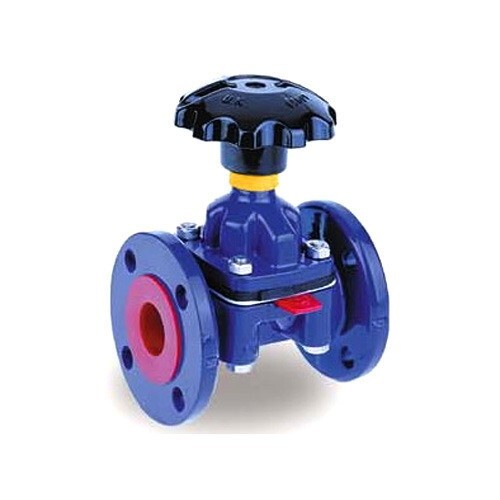
SS Diaphragm Valve Manufacturer in Mumbai
Price 2400.0 INR/ Unit
MOQ : 1 Unit
SS Diaphragm Valve Manufacturer in Mumbai Specification
- Valve Type
- Manual diaphragm type
- Connection Type
- Flanged
- Control System
- Manual
- Material
- Cast iron with rubber lining
- Features
- Corrosion resistance compact design
- Valve Size
- Standard valve sizes
- Voltage
- Not applicable (manual operation)
- Structure
- Diaphragm valve structure
- Sealing
- Rubber diaphragm seal
- Application
- Industrial fluid control
- Type
- Diaphragm valve
- Power
- Not applicable (manual operation)
- Pressure
- Medium Pressure
- Media
- Liquid gas
- Port Size
- Standard sizes available
- Temperature
- Up to 80C
- Disc
- Diaphragm-based sealing
- Pin
- Stainless steel
About SS Diaphragm Valve Manufacturer in Mumbai
High-Performance Diaphragm Valve Manufacturer in Ahmedabad & Mumbai FlowBiz Valves
Welcome to FlowBiz Valves, Indias premier destination for advanced fluid control engineering. We are a leading manufacturer, supplier, and exporter of high-performance Diaphragm Valves, serving critical industrial hubs across Ahmedabad, Mumbai, and international markets.
FlowBiz Diaphragm Valves are specifically engineered to isolate, regulate, and contain the flow of liquids, gases, and high-viscosity semi-solid media. By separating the valve stem and working mechanisms from the process fluid via a flexible, pressure-responsive elastomer diaphragm, these valves eliminate the risk of stem leakage and cross-contamination.
Technical Specifications & Engineering Design
Our diaphragm valves are built to withstand aggressive chemical environments and abrasive slurries, ensuring absolute sealing integrity under medium-pressure parameters.
Structural Framework & Material Mapping:
-
Size Configurations: Custom tailored to standard industrial pipeline diameters.
-
Body Structure: Choice of Weir-Type (for precise throttling and high-pressure duties) or Straight-Through Type (for unhindered flow of thick slurries and semi-solids).
-
Body Material: High-grade Cast Iron or Ductile Iron.
-
Internal Protective Lining: Heavy-duty, chemical-resistant Rubber Lining (Ebonite, Neoprene, or Butyl).
-
Diaphragm Elements: High-flexibility, pressure-responsive elastomers matched to chemical media.
-
Internal Hardware: Premium Stainless Steel pins and fasteners for enhanced structural stability.
-
End Connections: Standard Flanged Ends for secure, leak-proof pipeline integration.
-
Actuation Options: Manual Handwheel/Lever, Automated Solenoid configurations, or Pneumatic/Electrical Actuators.
Key Performance Features & Benefits
1. Absolute Corrosion and Wear Resistance
The combination of a robust cast iron outer shell and a thick internal rubber lining ensures that our valves remain completely unaffected by hostile acids, alkalis, and abrasive media. The process fluid never comes into contact with the metallic working parts of the valve.
2. Dual Operation Profiles: Manual & Automated Solenoid
-
Reliable Manual Control: For standard industrial workflows, our manual handwheel-operated valves require zero external power or voltage. This simplifies your plant architecture, drastically reduces upfront capital expenditure, and minimizes long-term maintenance costs.
-
Precision Solenoid Integration: For automated process loops, we offer diaphragm solenoid valves. Utilizing electromagnetic coils to actuate the internal diaphragm up and down, these units deliver rapid, remote-controlled containment of sensitive gases and fluids.
3. Leak-Tight Closure on Particle-Laden Media
Because the elastomer diaphragm seals perfectly against a smooth internal seat or weir, it can easily wrap around suspended solids or fibers. This makes it an exceptional "particle valve," achieving a 100% tight shutoff where conventional metal-seated valves would fail due to debris entrapment.
Cross-Industry Applications
FlowBiz Diaphragm Valves are the preferred choice for process engineers and maintenance specialists managing difficult fluid flows in:
-
Chemical Processing Plants: Handling highly corrosive or reactive chemical streams.
-
Water & Wastewater Treatment: Isolating raw water, backwash lines, and chemical dosing fluids.
-
Pharmaceutical & Biotech Manufacturing: Ensuring clean, zero-pocket containment for batch processing.
-
Food & Beverage Facilities: Transporting viscous ingredients, thick juices, and processing slurs.
Frequently Asked Questions (FAQ)
Q: What is the primary difference between a weir-type and a straight-through diaphragm valve?
A: Weir-type diaphragm valves feature a raised lip or "weir" inside the body. They require less travel to close, making them ideal for precise flow throttling and high-pressure isolation. Straight-through diaphragm valves have a completely flat bottom floor. This allows thick slurries, semi-solids, and fibrous fluids to pass without getting trapped, making them much easier to clean and flush.
Q: Why should a diaphragm valve be chosen over a standard ball or globe valve?
A: Standard ball and globe valves expose their stems, packings, and metallic sealing surfaces directly to the process media, which leads to rapid corrosion, scaling, or packing leaks. Diaphragm valves completely isolate all mechanical parts behind a flexible elastomer barrier. This ensures a zero-leak stem seal and makes them infinitely better suited for corrosive, viscous, or abrasive media.
Q: How does the rubber lining protect the structural cast iron body?
A: Cast iron provides exceptional, cost-effective structural strength but is vulnerable to chemical pitting and rusting. By chemical-bonding a thick, continuous rubber lining to the internal cavity of the cast iron body, we combine heavy-duty physical durability with complete chemical inertness.
Q: What standard maintenance practices are recommended for manual diaphragm valves?
A: Maintenance is remarkably straightforward. Because the diaphragm is a wear-and-tear part, it should be periodically inspected for cracks or chemical degradation. To replace a worn diaphragm, you simply loosen the bonnet bolts, swap out the old elastomer element, check that the stainless steel pin is secure, and re-torque the boltsall without removing the valve body from the pipeline.
Q: Can these valves handle both liquid and gaseous states simultaneously?
A: Yes. The pressure-responsive design of our flexible diaphragms handles gases, liquids, and multi-phase mixtures (such as aerated liquids or sludges) smoothly, maintaining a tight, bubble-tight seal against the valve seat regardless of the state of the media.
Do you need technical assistance in choosing between a weir-type manual valve or an automated solenoid diaphragm system for your pipeline infrastructure? Contact the expert engineering desk at FlowBiz Valves today for tailored sizing, material selection, and a highly competitive project quotation.
Tell us about your requirement

Price:
Quantity
Select Unit
- 50
- 100
- 200
- 250
- 500
- 1000+
Additional detail
Mobile number
Email

More Products in Non Return Valve Category
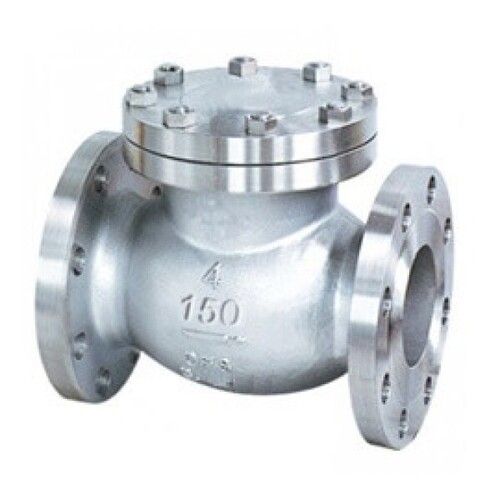
Non Return Valve Manufacturer in Kheda
Price 600 INR / Unit
Minimum Order Quantity : 1 Number
Disc : Stainless Steel / Cast Iron
Port Size : 1/2 Inch to 24 Inch
Media : Other, Water, Oil, Gas
Temperature : 10C to 90C
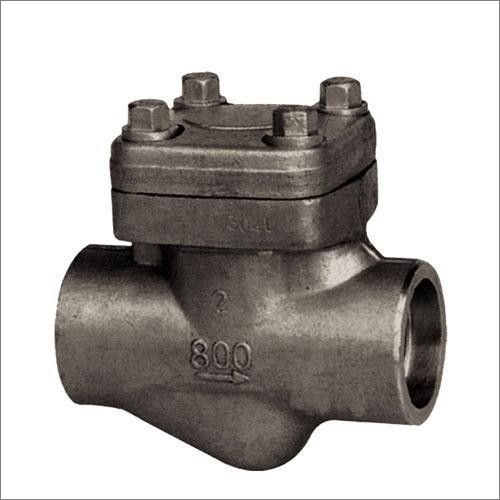
AUDCO (LnT) Make Lift Type NRV
Price 6000 INR / Unit
Minimum Order Quantity : 1 Number
Disc : Renewable Stainless Steel / Alloy Steel / Gunmetal
Port Size : 15mm to 300mm ( to 12)
Media : Other, Water, Oil, Gas, Steam, Process Fluids
Temperature : Up to 427C (as per material grade)
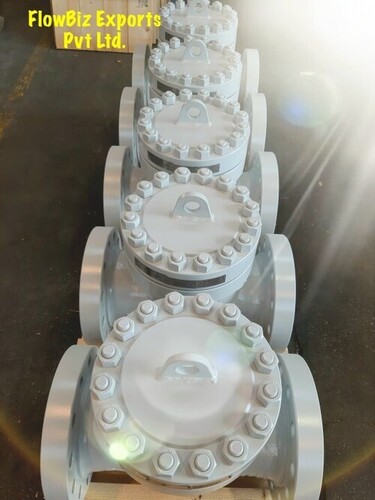
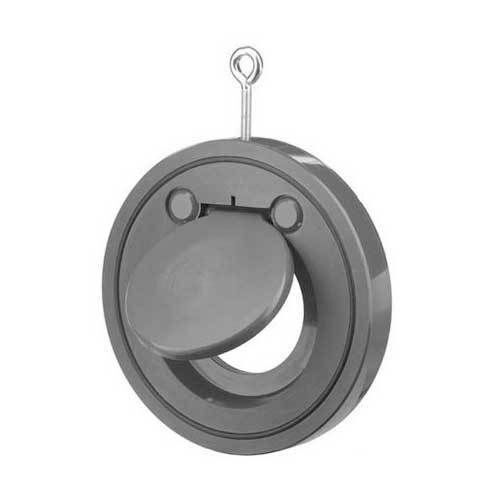
Non Return Valve Manufacturer in Mandvi
Price 3000 INR / Unit
Minimum Order Quantity : 1 Number
Disc : SS 304
Port Size : Customized as per requirement
Media : Water
Temperature : Up to 200C Celsius (oC)

 Send Inquiry
Our Products
- Needle Valve
- Ball Valve
- Globe Valve
- Gate Valve
- Y Type Strainer
- Piston Valve
- Check Valve
- Sight Glass
- Butterfly Valve
- Swing Check Valve
- Damper Valve
- Basket Strainer
- Pressure Reducing Valve
- Double Block Bleed Valve
- Moisture Separator
- Forged Valve
- Diaphragm Valve
- Mini Ball Valve
- Forbes Marshall PRV
- T Type Strainer
- Plug Valve
- Blow Down Valve
- Air Valve
- Non Return Valve
- Safety Valve
- Steam Trap
- Gasket
- L&T Ball Valve
- L&T Butterfly Valve
- AUDCO Ball Valve
- SPIRAX Marshall PRV
- Solenoid Valve
- oxygen
- roto seal coupling
- straight union
- flow control
- ptfe sheets
- ptfe
- rubber products
- felt products
- Asbestos products
- Engineered plastics products
- rubber seals
- rubber gasket
- Sight Glasses
- Jacketed Valves
- flush bottom valve
- strainer
- Sluice Gate Valve
- Slab Gate Valve
- PTFE Lined Valve
- PTFE Lined Valves


416,417 4th Floor, A Block Safal 8, Ajit Mill, Cross Rd, Rakhial,Ahmedabad - 380023, Gujarat, India

Mr Shakir Ansari
(Director)
Mobile :08071793447
 Send Inquiry
 Send SMS
 Call Me Free
Developed and Managed by Infocom Network Private Limited.
