
Call us now :08071630546
 Send Inquiry
 Send Inquiry
Ball Valve Manufacturer in Bhavnagar
Price 2000 INR/ Unit
MOQ : 1 Number
Ball Valve Manufacturer in Bhavnagar Specification
- Channels
- 2 Way
- Pressure
- PN16, PN25
- Connection
- Screwed, Flanged
- Structure
- Full Port (2 Piece/3 Piece)
- Caliber
- High Precision
- Material
- Stainless Steel
- Power
- Manual
- Media
- Water, Gas, Oil, Air, Steam
- Temperature of Media
- Medium Temperature
- Port Size
- 1/2 inch to 4 inch
- Flange
- ANSI, DIN, JIS Standard
- Finish
- Polished
- Application
- Industrial, Chemical, Water Control
- Leakage Class
- Class VI (Zero Leakage)
- Standards
- API 608, BS 5351
- Handle Material
- Stainless Steel / Aluminium
- Sealing Material
- PTFE / Teflon
- End Connection Type
- Threaded, Flanged, Socket Weld
- Operation
- Quarter Turn
- Test Pressure
- Up to 40 bar
- Ball Material
- Stainless Steel / Brass
About Ball Valve Manufacturer in Bhavnagar
FlowBiz Exports brand ball valve is a flow control valve that uses a perforated, hollow, and pivoting ball to control fluid flowing through it. It is open when the hole through the middle of the ball is in line with the flow inlet and closed when it is pivoted 90 degrees by the valve handle, blocking the flow.
A ball valve is a quarter-turn shut-off valve that uses a rotary ball to control the flow of gas, compressed air, and various liquids. These valves allow the through-hole configuration to be blocked, open, or partially open to regulate the flow of liquid or gas.
Advantages of using a ball valve:
High efficiency
Convenient usage
Low maintenance
Cost-efficient
We are a Manufacturer, Supplier, and Exporter of Ball Valve in Bhavnagar, Rajkot, Ahmedabad, Vapi, Valsad, Surat, Gandhidham, Kutch, Ankleshwer, Bharuch, Mumbai, Nashik, Pune, Thane, Aurangabad, Satara, Sangli, Nagpur, Kolhapur, Indore, Dewas, Bhopal, Chennai, Coimbatore, Selam and all over India.
Versatile Design for Efficient Flow Control
Our ball valves are engineered to support various industrial processes, handling mediums at medium temperatures with consistent performance. Whether for chemical processing, water control, or general industrial use, each valve is manufactured to the highest standards and can be tailored to specific operational requirements and installation needs.
Built to International Standards
Conforming to respected standards such as API 608, BS 5351, and global flange specifications (ANSI, DIN, JIS), these ball valves are suitable for international projects and diverse industrial settings. Their robust construction with stainless steel or brass and advanced PTFE/Teflon seals ensures optimal precision and long-term durability.
FAQ's of Ball Valve Manufacturer in Bhavnagar:
Q: How does a quarter-turn operation enhance the functionality of your ball valves?
A: A quarter-turn operation allows the valve to be fully opened or closed with just a 90-degree handle movement. This design ensures fast and reliable shutoff, making it ideal for situations where quick flow control or emergency isolation is critical.Q: What is the benefit of using PTFE or Teflon as a sealing material in these valves?
A: PTFE (Teflon) seals provide excellent chemical resistance, low friction, and tight sealing, contributing to zero leakage performance (Class VI). This ensures prolonged valve lifespan and effective operation in demanding media like water, gas, oil, air, and steam.Q: Where can these stainless steel or brass ball valves be used?
A: These valves are suitable for industrial, chemical, and water control applications. Thanks to their robust construction and compliance with various standards, they are widely used in manufacturing plants, refineries, water treatment facilities, and HVAC systems.Q: What process ensures the high precision and leakage-free performance of your ball valves?
A: Each valve undergoes stringent pressure testing up to 40 bar and quality control in line with international standards, guaranteeing high precision in operation and zero leakage in service (Class VI). This meticulous process maintains consistency and reliability in every unit.Q: When should you choose a flanged, threaded, or socket weld connection type?
A: Flanged ends are preferable for large piping systems requiring easy removal or secure connections, threaded ends facilitate quick installations in smaller systems, and socket weld ends are used for high-pressure or critical leak-proof applications. Selection depends on your specific system requirements.Q: What are the main advantages of a full port (2 piece/3 piece) ball valve design?
A: Full port designs allow for unrestricted flow, minimizing pressure drops across the valve. The 2-piece and 3-piece constructions both offer ease of maintenance-the 3-piece type especially enables on-site servicing without complete valve removal, ideal for process-intensive industries.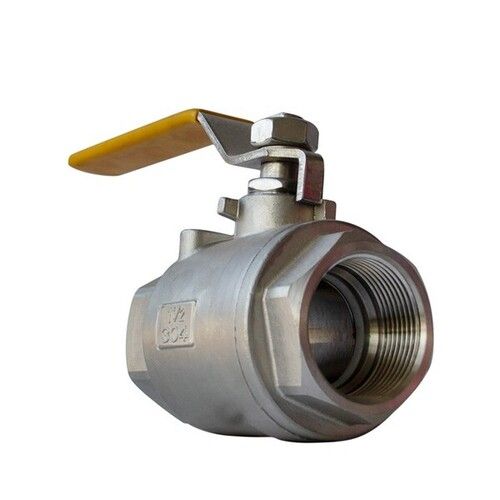
Tell us about your requirement

Price:
Quantity
Select Unit
- 50
- 100
- 200
- 250
- 500
- 1000+
Additional detail
Mobile number
Email

More Products in Ball Valve Category
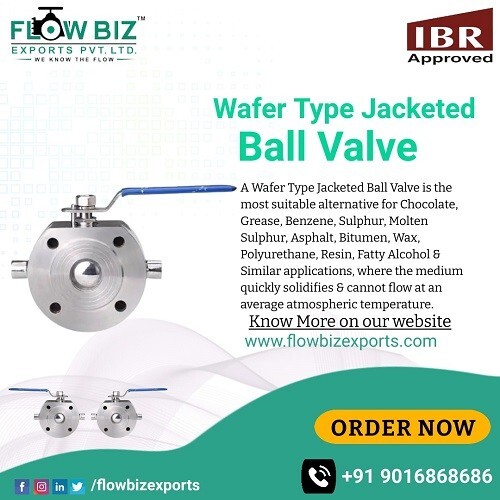
Wafer Type Jacketed Ball valve Manufacturer in Rajkot
Price 2000 INR / Unit
Minimum Order Quantity : 1 Number
Media : Other, Steam, Oil, Water, Gas, Chemical
Finish : Jacketed, Anticorrosive coated
Material : Other, Cast Steel / Stainless Steel / Carbon Steel
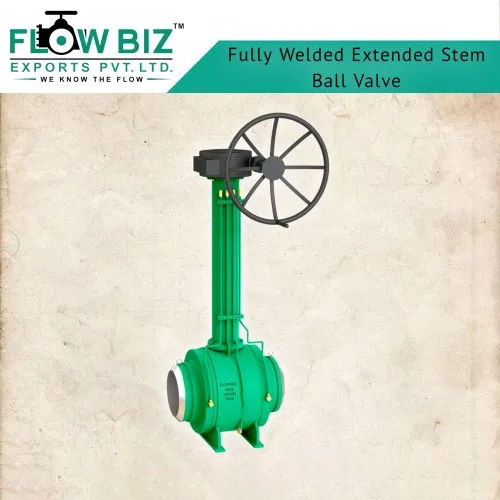
Fully Welded Extended Stem Ball Valve
Price 10000 INR / Unit
Minimum Order Quantity : 1 Unit
Media : Gas
Finish : Painted
Material : Brass
Color : Green
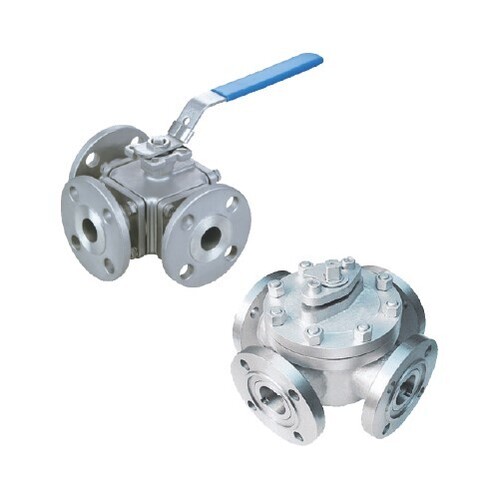
3 way and 4 way Ball Valve Manufacturer in Surat
Price 1200 INR / Unit
Minimum Order Quantity : 1 Number
Media : Water
Finish : Polished & Coated
Material : Stainless Steel
Color : Silver
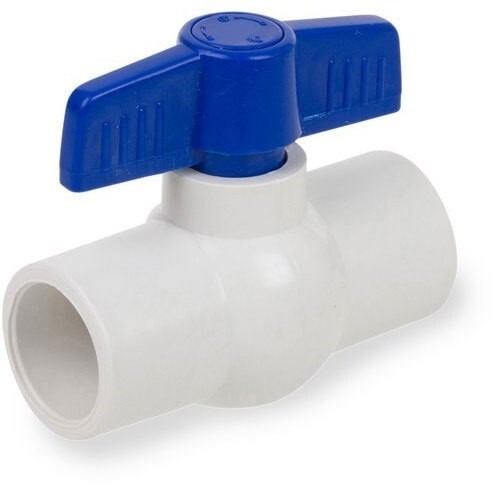
Pvc Ball Valve Manufacturer in India
Price 1500 INR / Unit
Minimum Order Quantity : 1 Number
Media : Water
Finish : Polished & Coated
Color : White & Blue

 Send Inquiry
Our Products
- Needle Valve
- Ball Valve
- Globe Valve
- Gate Valve
- Y Type Strainer
- Piston Valve
- Check Valve
- Sight Glass
- Butterfly Valve
- Swing Check Valve
- Damper Valve
- Basket Strainer
- Pressure Reducing Valve
- Double Block Bleed Valve
- Moisture Separator
- Forged Valve
- Diaphragm Valve
- Mini Ball Valve
- Forbes Marshall PRV
- T Type Strainer
- Plug Valve
- Blow Down Valve
- Air Valve
- Non Return Valve
- Safety Valve
- Steam Trap
- Gasket
- L&T Ball Valve
- L&T Butterfly Valve
- AUDCO Ball Valve
- SPIRAX Marshall PRV
- Solenoid Valve
- oxygen
- roto seal coupling
- straight union
- flow control
- ptfe sheets
- ptfe
- rubber products
- felt products
- Asbestos products
- Engineered plastics products
- rubber seals
- rubber gasket
- Sight Glasses
- Jacketed Valves
- flush bottom valve
- strainer
- Sluice Gate Valve
- Slab Gate Valve
- PTFE Lined Valve
- PTFE Lined Valves


416,417 4th Floor, A Block Safal 8, Ajit Mill, Cross Rd, Rakhial,Ahmedabad - 380023, Gujarat, India

Mr Shakir Ansari
(Director)
Mobile :08071630546
 Send Inquiry
 Send SMS
 Call Me Free
Developed and Managed by Infocom Network Private Limited.
