
Call us now :08071780343
 Send Inquiry
 Send Inquiry
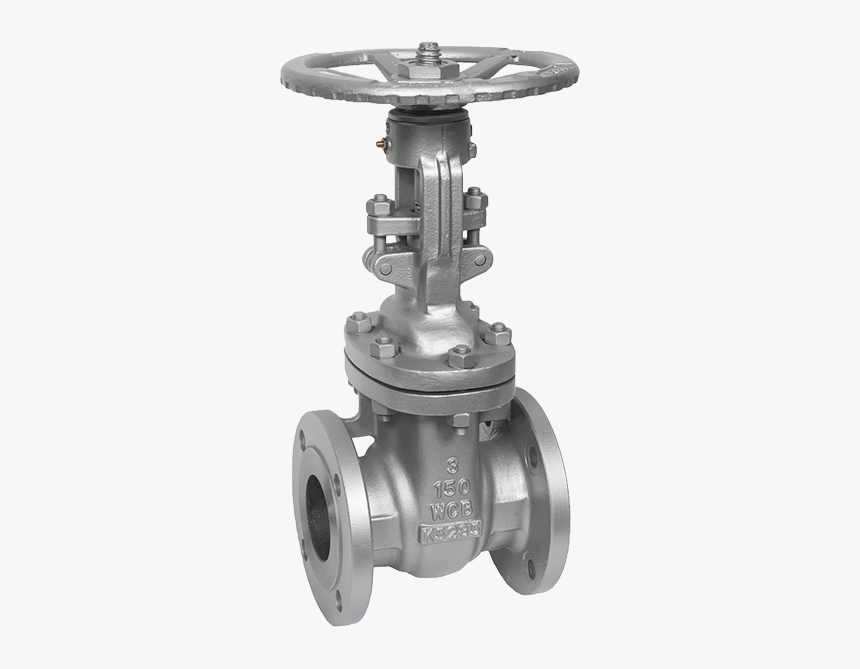
AUDCO (LnT) Make Gate Valve
Price 6000 INR/ Unit
MOQ : 1 Number
AUDCO (LnT) Make Gate Valve Specification
- Structure
- Bolted Bonnet
- Size
- 15 mm to 600 mm (1/2 to 24)
- Sealing
- Soft/Metal Seated
- Connection
- Flanged Ends as per ASME B16.5
- Material
- Cast Iron / Carbon Steel / Stainless Steel
- Type
- Rising/Non-rising Stem Gate Valve
- Power Source
- Manual
- Pressure
- Class 150 / 300 / 600
- Media
- Water, Oil, Gas, Steam
- Working Temperature
- Up to 425°C
- Port Size
- Full Bore
- Surface
- Rust Proof Painted
- Shape
- Round
- Application
- Industrial and Commercial Pipeline Systems
- Design Standard
- API 600 / IS 14846
- Face to Face
- ASME B16.10/IS 11792
- Coating
- Fusion Bonded Epoxy/Other
- Test Standard
- API 598 / IS 14846
- Operation
- Handwheel or Gear Operated
- End Connection Standard
- ASME B16.5 / IS 1538
- Trim
- 13% Cr/SS/Monel/Other as required
AUDCO (LnT) Make Gate Valve About
AUDCO (L&T) Make Gate Valve
Design Standard: API 600 / BS 1414
Design Type: Gate Valve Bolted Bonnet Flex Wedge
Size Range: 2 inches to 12 inches (50mm to 300mm)
Material of construction: WCB / WC6 / WC9 / LCB / LCC / CF8 / CF8M
End Connection: Flanged End / Buttweld End
Pressure Rating: ASA 150# to ASA 1500#
Testing Standard: API 598 / API 600
Versatile Application & Material Options
AUDCO (LnT) Gate Valves are designed for a wide array of industrial and commercial uses. Available in sizes ranging from 15 mm to 600 mm, they can be constructed from cast iron, carbon steel, stainless steel, or other requested materials, ensuring compatibility with various pipeline requirements. These valves deliver robust performance across diverse fluid media and thermal ranges.
Advanced Design & Reliable Operation
Using internationally recognized standards such as API 600 for design and ASME B16.5 for end connections, these valves guarantee reliable and safe operation. The choice of soft or metal seat sealing, along with rising or non-rising stems, provides optimal flexibility based on installation needs. The bolted bonnet structure further enhances maintenance reliability and service life.
FAQ's of AUDCO (LnT) Make Gate Valve:
Q: How does the AUDCO (LnT) Gate Valve operate in pipeline systems?
A: The gate valve utilizes a manual handwheel or gear mechanism to raise or lower the gate, controlling fluid flow. It provides full bore opening, allowing unrestricted media passage, making it effective for shutoff applications in industrial and commercial pipeline systems.Q: What are the material and sealing options for this gate valve?
A: You can choose from cast iron, carbon steel, stainless steel, or other materials based on your requirement. The valves can be fitted with soft or metal seats for sealing, and trims can be selected as 13% Cr, stainless steel, Monel, or other alloys as needed for optimal durability and chemical compatibility.Q: When should a rising stem vs. non-rising stem gate valve be selected?
A: Rising stem valves are preferred where visual indication of valve position is important, and space allows for upward movement. Non-rising stem valves are ideal when vertical space is restricted, as the stem does not move upwards as the valve is operated.Q: Where are these gate valves commonly installed?
A: These valves are widely used in industrial sectors-such as water treatment, oil and gas, steam distribution, and commercial facilities-where robust shutoff and durability are required. They are suitable for both aboveground and underground pipeline installations throughout India and beyond.Q: What is the process for quality and performance testing of the valve?
A: All valves undergo rigorous testing in accordance with API 598 or IS 14846 standards, ensuring leak-tight performance and reliable operation under specified pressures and temperatures before dispatch.Q: What benefits does the rust-proof coating provide?
A: The fusion bonded epoxy or painted rust-proof coatings protect the valve exterior from corrosion, extending service life and maintaining appearance even in harsh operating conditions.Q: How does the full bore design benefit pipeline operations?
A: Full bore valves ensure there is minimal pressure drop across the valve, reducing turbulence and enabling cleaning devices like pigs to pass through, thus improving system efficiency and reducing maintenance needs.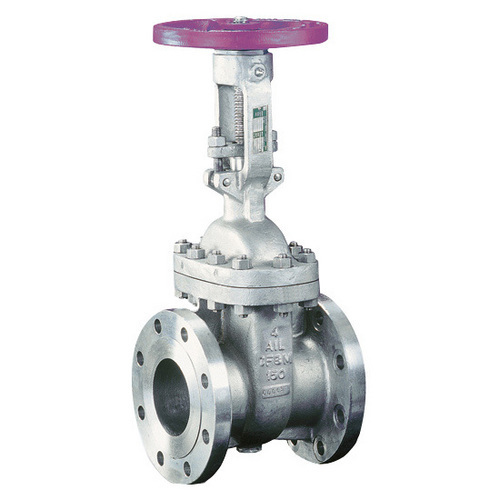
Tell us about your requirement

Price:
Quantity
Select Unit
- 50
- 100
- 200
- 250
- 500
- 1000+
Additional detail
Mobile number
Email

More Products in Gate Valve Category
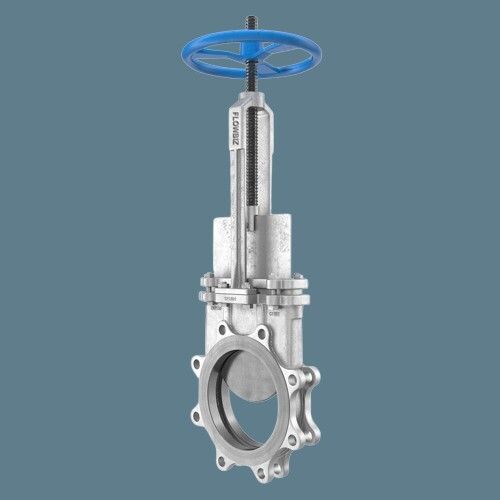
Knife EDGE Gate Valve Manufacturer in India
Price 1500 INR / Unit
Minimum Order Quantity : 1 Number
Size : 2 to 48 (DN50 to DN1200)
Surface : Polished / Coated
Material : Other , Stainless Steel / Carbon Steel / Alloy Steel
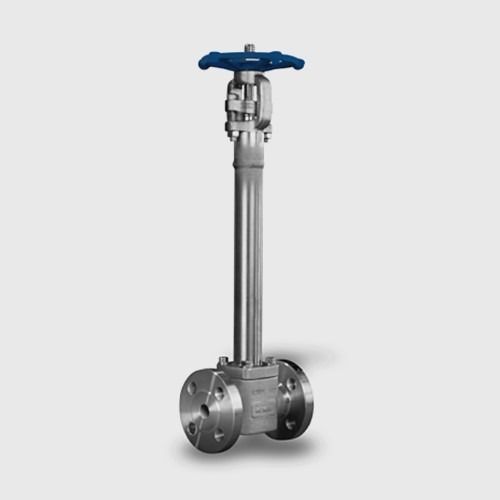
Bellow Sealed Gate Valves
Price 5000 INR / Unit
Minimum Order Quantity : 1 Number
Size : DN15 to DN300
Surface : Polished
Material : Other , Stainless Steel / Cast Steel / Forged Steel
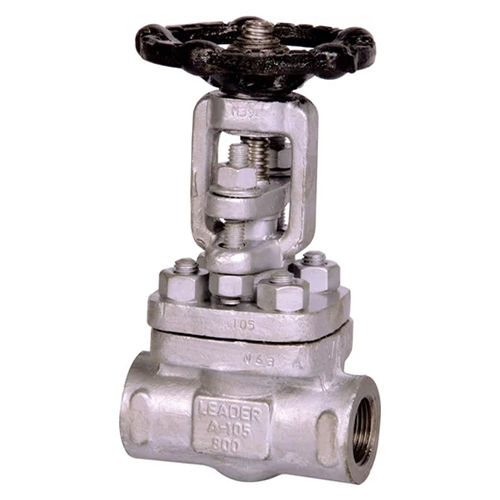
Forged Steel Screwed And Socket Weld Gate Valve
Price 2200 INR / Unit
Minimum Order Quantity : 1 Unit
Size : Different Available
Surface : Painted
Material : Carbon Steel
Color : Silver
Forged Steel Gate Valve
Price 3000.0 INR / Piece
Minimum Order Quantity : 1 Piece
Size : Standard Sizes
Surface : Smooth
Material : Stainless Steel
Color : Silver

 Send Inquiry
Our Products
- Needle Valve
- Ball Valve
- Globe Valve
- Gate Valve
- Y Type Strainer
- Piston Valve
- Check Valve
- Sight Glass
- Butterfly Valve
- Swing Check Valve
- Damper Valve
- Basket Strainer
- Pressure Reducing Valve
- Double Block Bleed Valve
- Moisture Separator
- Forged Valve
- Diaphragm Valve
- Mini Ball Valve
- Forbes Marshall PRV
- T Type Strainer
- Plug Valve
- Blow Down Valve
- Air Valve
- Non Return Valve
- Safety Valve
- Steam Trap
- Gasket
- L&T Ball Valve
- L&T Butterfly Valve
- AUDCO Ball Valve
- SPIRAX Marshall PRV
- Solenoid Valve
- oxygen
- roto seal coupling
- straight union
- flow control
- ptfe sheets
- ptfe
- rubber products
- felt products
- Asbestos products
- Engineered plastics products
- rubber seals
- rubber gasket
- Sight Glasses
- Jacketed Valves
- flush bottom valve
- strainer
- Sluice Gate Valve
- Slab Gate Valve
- PTFE Lined Valve
- PTFE Lined Valves


416,417 4th Floor, A Block Safal 8, Ajit Mill, Cross Rd, Rakhial,Ahmedabad - 380023, Gujarat, India

Mr Shakir Ansari
(Director)
Mobile :08071780343
 Send Inquiry
 Send SMS
Developed and Managed by Infocom Network Private Limited.
