
Call us now :08071630546
 Send Inquiry
 Send Inquiry
3 Way High Pressure Ball Valve Manufacturer in Surat
Price 4000 INR/ Unit
MOQ : 1 Number
3 Way High Pressure Ball Valve Manufacturer in Surat Specification
- Caliber
- High Pressure
- Channels
- T-Port / L-Port
- Structure
- 3 Way Ball Valve
- Pressure
- Up to 6000 PSI
- Connection
- Flanged / Screwed
- Material
- Stainless Steel
- Power
- Manual
- Media
- Water, Oil, Gas
- Temperature of Media
- High Temperature
- Port Size
- 1/2 inch to 2 inch
- Flange
- ANSI / DIN Standard
- Finish
- Polished
- Application
- Industrial, Chemical, Petrochemical Plants
- Size Range
- 15 mm to 50 mm
- Operation
- Quarter Turn Handle
- Mounting Pad
- ISO 5211
- Seat Material
- PTFE / Metal
- Surface Treatment
- Corrosion Resistant
- End Type
- Threaded / Flanged
- Testing Standard
- API 598
- Leakage Class
- Zero Leakage
- Body Type
- Full Bore
- Design Standard
- ASME B16.34
About 3 Way High Pressure Ball Valve Manufacturer in Surat
FlowBiz 3 way ball valves interrupt or facilitate the medium flow. Our valves, available worldwide, can be optionally equipped with a locking device to avoid unauthorized opening and shut-off; they support the safety of the entire system. Ball valves with a detent position or fastening bore are also part of the program.
Markets:
- Agriculture
- Mobile hydraulics
- Air & Gas Compressors
- Offshore and Shipbuilding
- Construction Machinery
- Railway Industry
- Trucks
- Natural Gas
Applications:
- Suitable for general hydraulic applications.
Precision Engineered for High Pressure
Our 3 Way Ball Valves are meticulously manufactured using stainless steel, ensuring durability and reliability in high pressure environments. The full bore body and zero leakage class promise optimal flow and stringent sealing, making them ideal for fluid control in industrial and chemical plants.
Flexible Installation and Operation
Valves are available in threaded and flanged end types, conforming to ANSI and DIN standards, which allows seamless integration with existing piping systems. The quarter turn handle enables fast, manual operation, simplifying control in complex setups.
Advanced Corrosion Resistance
Each valve undergoes specialized surface treatment for corrosion resistance, extending operational life even in harsh conditions. The polished finish not only fortifies the structure but also enhances its aesthetic and hygienic appeal.
FAQ's of 3 Way High Pressure Ball Valve Manufacturer in Surat:
Q: How does a 3 Way High Pressure Ball Valve operate in industrial settings?
A: These valves utilize a manual quarter-turn handle to redirect fluid flow between multiple lines, offering reliable channel selection in T-port or L-port configurations for various industrial media such as water, oil, and gas.Q: What are the main advantages of using a full bore, stainless steel ball valve with PTFE or metal seats?
A: A full bore design minimizes flow restrictions, while stainless steel construction ensures longevity and resistance to harsh chemicals. PTFE or metal seats provide superior sealing performance, achieving zero leakage and handling high temperature with ease.Q: When should I choose threaded or flanged end connections for these valves?
A: Threaded ends are preferred for compact piping arrangements, while flanged connections suit larger pipelines requiring stringent sealing. Selection depends on system pressure, application scale, and installation requirements.Q: Where are these high pressure ball valves typically installed?
A: They are commonly installed in industrial, chemical, and petrochemical plants across India and globally, particularly in locations where precise flow control under extreme pressure is essential.Q: What is the process for valve testing and certification?
A: Every valve is tested according to API 598 standards to ensure zero leakage and optimal performance. Our manufacturing complies with ASME B16.34 design requirements for safety and reliability.Q: How do ISO 5211 mounting pads benefit the valve installation?
A: ISO 5211 mounting pads facilitate easy adaptation for automation, allowing the valve to be fitted with actuators for enhanced control where necessary.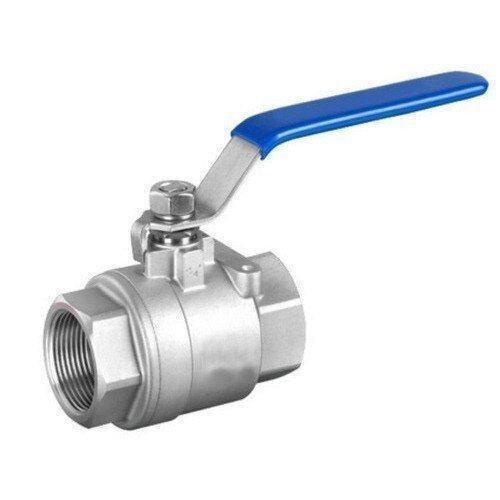
Tell us about your requirement

Price:
Quantity
Select Unit
- 50
- 100
- 200
- 250
- 500
- 1000+
Additional detail
Mobile number
Email

More Products in Ball Valve Category
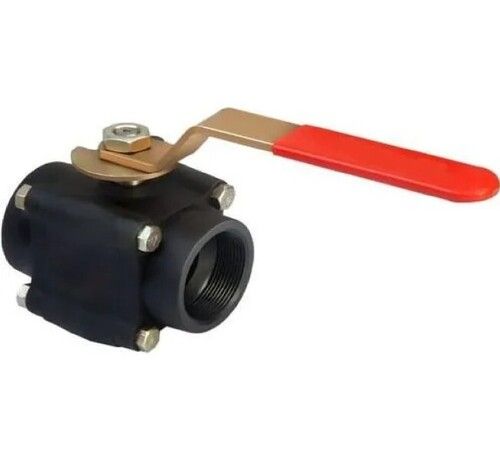
Forged Steel Ball Valve Manufacturer in Jamnagar
Price 600 INR / Unit
Minimum Order Quantity : 1 Number
Material : Other, Forged Steel
Finish : Black
Application : Industrial
Size : All size
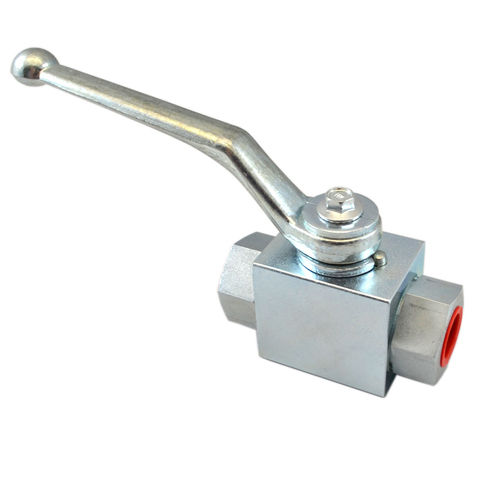
High Pressure Ball Valve Manufacturer in Jamnagar
Price 800 INR / Unit
Minimum Order Quantity : 1 Number
Material : Stainless Steel
Finish : Polished / Silver
Application : Industrial
Size : All size
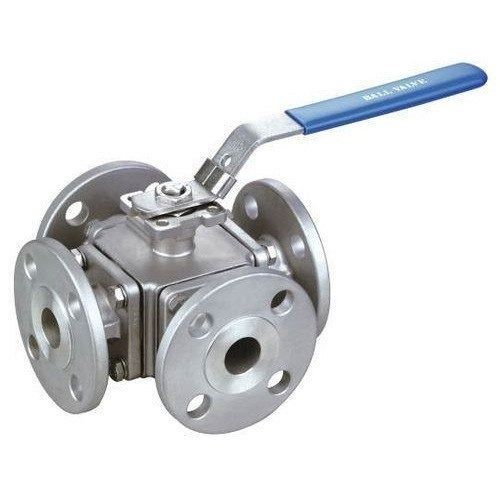
Four Way Ball Valve
Price 3000 INR / Unit
Minimum Order Quantity : 1 Number
Material : Other, Stainless Steel / Carbon Steel / Alloy Steel
Finish : Polished / Matt
Application : Industrial, Chemical, Petrochemical, Water Treatment
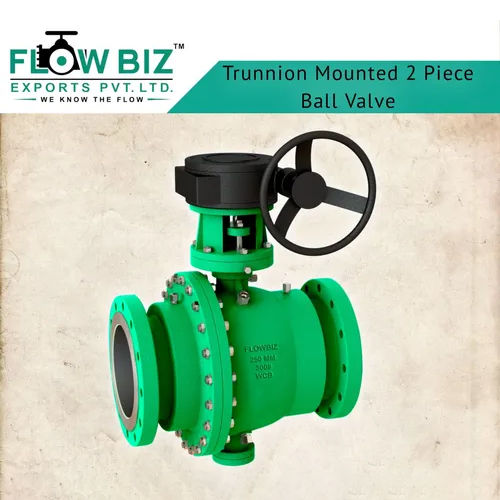
Two Piece Trunnion Mounted Ball Valve
Price 10800 INR / Unit
Minimum Order Quantity : 1 Unit
Material : Brass
Finish : Painted
Application : Industrial
Size : Different Available

 Send Inquiry
Our Products
- Needle Valve
- Ball Valve
- Globe Valve
- Gate Valve
- Y Type Strainer
- Piston Valve
- Check Valve
- Sight Glass
- Butterfly Valve
- Swing Check Valve
- Damper Valve
- Basket Strainer
- Pressure Reducing Valve
- Double Block Bleed Valve
- Moisture Separator
- Forged Valve
- Diaphragm Valve
- Mini Ball Valve
- Forbes Marshall PRV
- T Type Strainer
- Plug Valve
- Blow Down Valve
- Air Valve
- Non Return Valve
- Safety Valve
- Steam Trap
- Gasket
- L&T Ball Valve
- L&T Butterfly Valve
- AUDCO Ball Valve
- SPIRAX Marshall PRV
- Solenoid Valve
- oxygen
- roto seal coupling
- straight union
- flow control
- ptfe sheets
- ptfe
- rubber products
- felt products
- Asbestos products
- Engineered plastics products
- rubber seals
- rubber gasket
- Sight Glasses
- Jacketed Valves
- flush bottom valve
- strainer
- Sluice Gate Valve
- Slab Gate Valve
- PTFE Lined Valve
- PTFE Lined Valves


416,417 4th Floor, A Block Safal 8, Ajit Mill, Cross Rd, Rakhial,Ahmedabad - 380023, Gujarat, India

Mr Shakir Ansari
(Director)
Mobile :08071630546
 Send Inquiry
 Send SMS
 Call Me Free
Developed and Managed by Infocom Network Private Limited.
