
Call us now :08071780343
 Send Inquiry
 Send Inquiry
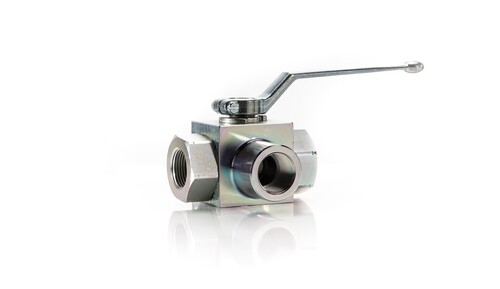
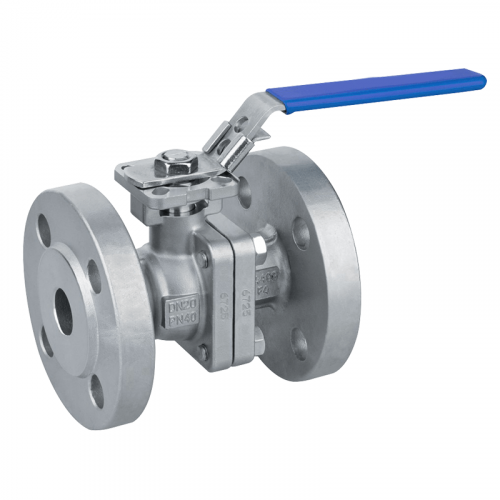
3 Way High Pressure Balls
Price 2000.0 INR/ Number
MOQ : 1 Number
3 Way High Pressure Balls Specification
- Caliber
- Full Bore
- Channels
- Three Way
- Structure
- 3 Way Ball Valve
- Connection
- Flanged / Screwed
- Pressure
- High Pressure
- Material
- Stainless Steel
- Power
- Manual
- Media
- Water, Oil, Gas, Steam
- Temperature of Media
- High Temperature
- Port Size
- 1/2 to 4
- Flange
- ANSI/ DIN/ JIS Standard
- Finish
- Polished
- Application
- Industrial / Chemical / Petrochemical / Power Plants
- Standards
- API 6D, ISO 9001 Certified
- Operation
- Lever / Gear
- Leakage Class
- Class VI
- Working Pressure Range
- Up to 8000 PSI
- Seal Material
- PTFE / Graphite
- Seat Type
- Soft/Metal Seated
- Mounting Pad
- ISO 5211
- End Connection
- Threaded / Flanged
- Body Style
- T-Port / L-Port
- Corrosion Resistance
- Yes
- Testing
- 100% Factory Tested
- Operation Type
- Quarter-turn
3 Way High Pressure Balls About
High-Performance 3-Way High-Pressure Ball Valves | FlowBiz Valves
FlowBiz Valves is a premier, engineering-driven manufacturer, trader, distributor, supplier, and global exporter of 3-Way High-Pressure Ball Valves. Operating from our key heavy manufacturing infrastructure in Gandhidham, Gujarat, India, we design and engineer these multi-port fluid routing systems. They are built to handle the intense mechanical loads, fluctuating pressure profiles, and severe environments of modern processing lines.
Unlike standard two-way valves that only start or stop flow, a 3-way multi-port ball valve serves as a compact directional control hub. By rotating a single internal ball with a multi-channel bore, plant operators can divert, mix, blend, or bypass media streams. This efficiency allows a single valve to do the work of multiple individual standard valves and fittings. This minimizes your pipeline layout footprint, cuts upfront procurement costs, and eliminates potential external joint leak paths.
FlowBiz Valves is a premier, engineering-driven manufacturer, trader, distributor, supplier, and global exporter of 3-Way High-Pressure Ball Valves. Operating from our key heavy manufacturing infrastructure in Gandhidham, Gujarat, India, we design and engineer these multi-port fluid routing systems. They are built to handle the intense mechanical loads, fluctuating pressure profiles, and severe environments of modern processing lines.
Unlike standard two-way valves that only start or stop flow, a 3-way multi-port ball valve serves as a compact directional control hub. By rotating a single internal ball with a multi-channel bore, plant operators can divert, mix, blend, or bypass media streams. This efficiency allows a single valve to do the work of multiple individual standard valves and fittings. This minimizes your pipeline layout footprint, cuts upfront procurement costs, and eliminates potential external joint leak paths.
Technical Specifications & Compliance Matrix
Our 3-way high-pressure series is precision-machined from certified raw stock to satisfy strict international pressure vessel and pipeline criteria:
Parameter
Technical Specification & Engineering Limits
Flow Configurations
Multi-channel L-Port (Diverting) or T-Port (Mixing/Distribution) profiles
Bore Configuration
Full Bore (Unrestricted throughput) or Regular / Reduced Bore (Cost optimized)
Core Design Standards
Fully compliant with BS 5351, ANSI B16.34, and API 6D rules
Testing Compliance
100% verified per BS 6755 Part II, API 598, and API 6D protocols
Isolation Integrity
ANSI/FCI 70-2 Leakage Class VI (Absolute bubble-tight containment)
Core Construction
High-grade Stainless Steel for supreme corrosion resistance
Surface Finish
Meticulously polished for extended service life and professional appearance
Automation Top Works
Integrated ISO 5211 Mounting Pad for bracketless actuator coupling
Our 3-way high-pressure series is precision-machined from certified raw stock to satisfy strict international pressure vessel and pipeline criteria:
| Parameter | Technical Specification & Engineering Limits |
| Flow Configurations | Multi-channel L-Port (Diverting) or T-Port (Mixing/Distribution) profiles |
| Bore Configuration | Full Bore (Unrestricted throughput) or Regular / Reduced Bore (Cost optimized) |
| Core Design Standards | Fully compliant with BS 5351, ANSI B16.34, and API 6D rules |
| Testing Compliance | 100% verified per BS 6755 Part II, API 598, and API 6D protocols |
| Isolation Integrity | ANSI/FCI 70-2 Leakage Class VI (Absolute bubble-tight containment) |
| Core Construction | High-grade Stainless Steel for supreme corrosion resistance |
| Surface Finish | Meticulously polished for extended service life and professional appearance |
| Automation Top Works | Integrated ISO 5211 Mounting Pad for bracketless actuator coupling |
Strategic Design & Multi-Port Engineering Features
1. Advanced L-Port vs. T-Port Flow Configurations
Optimizing fluid handling requires matching the internal ball geometry to your process flow diagram:
-
L-Port Design (Diverting Layout): Used to divert flow from a single common inlet port to one of two separate outlet channels. Because it connects only two ports at any given time, it is ideal for process bypass lines or switching media lines between separate storage banks.
-
T-Port Design (Mixing & Distribution Layout): Highly versatile. It can connect all three ports simultaneously, allowing fluids from two separate lines to blend into a single stream. It can also act as a standard straight-through path while keeping a third port open for auxiliary venting, sampling, or pressure relief.
Optimizing fluid handling requires matching the internal ball geometry to your process flow diagram:
-
L-Port Design (Diverting Layout): Used to divert flow from a single common inlet port to one of two separate outlet channels. Because it connects only two ports at any given time, it is ideal for process bypass lines or switching media lines between separate storage banks.
-
T-Port Design (Mixing & Distribution Layout): Highly versatile. It can connect all three ports simultaneously, allowing fluids from two separate lines to blend into a single stream. It can also act as a standard straight-through path while keeping a third port open for auxiliary venting, sampling, or pressure relief.
2. Full Bore vs. Regular (Reduced) Bore Options
To balance fluid dynamics with project budget constraints, FlowBiz offers targeted bore profiles:
-
Full Bore Structure: The internal diameter of the flow path through the rotating ball perfectly matches the connected pipeline. This allows for unobstructed flow, minimizing fluid turbulence and keeping pressure drops near zeroideal for maintaining flow integrity in water treatment or high-velocity processing lines.
-
Regular (Reduced) Bore Structure: Features a slightly smaller port size than the connected pipe diameter. This layout provides a more compact, lower-weight valve body at a reduced cost for applications where a minor pressure drop is acceptable.
To balance fluid dynamics with project budget constraints, FlowBiz offers targeted bore profiles:
-
Full Bore Structure: The internal diameter of the flow path through the rotating ball perfectly matches the connected pipeline. This allows for unobstructed flow, minimizing fluid turbulence and keeping pressure drops near zeroideal for maintaining flow integrity in water treatment or high-velocity processing lines.
-
Regular (Reduced) Bore Structure: Features a slightly smaller port size than the connected pipe diameter. This layout provides a more compact, lower-weight valve body at a reduced cost for applications where a minor pressure drop is acceptable.
3. Flexible Piping Connectivity Standards
To ensure direct, hassle-free integration into new project layouts or existing pipeline retrofits, our 3-way valves support multiple end-connection interfaces:
-
Flanged Ends: Precision drilled in compliance with ANSI B16.5, BS 10 Table, DIN, or IS 6392 patterns for robust, leak-free joints in heavy pipelines.
-
Screwed / Threaded Ends: Machined to ANSI B1.20.1 (BSP/NPT) standards for low-profile instrument setups.
-
Socket Weld Ends: Precision machined to ANSI B16.11 for small-bore, high-vibration piping lines.
-
Butt Weld Ends: Beveled to ANSI B16.25 specifications for permanent, seamlessly welded pipeline systems.
To ensure direct, hassle-free integration into new project layouts or existing pipeline retrofits, our 3-way valves support multiple end-connection interfaces:
-
Flanged Ends: Precision drilled in compliance with ANSI B16.5, BS 10 Table, DIN, or IS 6392 patterns for robust, leak-free joints in heavy pipelines.
-
Screwed / Threaded Ends: Machined to ANSI B1.20.1 (BSP/NPT) standards for low-profile instrument setups.
-
Socket Weld Ends: Precision machined to ANSI B16.11 for small-bore, high-vibration piping lines.
-
Butt Weld Ends: Beveled to ANSI B16.25 specifications for permanent, seamlessly welded pipeline systems.
4. Advanced Automation Readiness (ISO 5211 Pad)
Every valve body includes an integrated ISO 5211 mounting pad cast directly into the top works as standard. This standardized interface features precise bolt patterns, permitting bracketless, direct-mount installation of pneumatic cylinders or electric automated actuators. This allows plant engineers to transition lines from manual control to automated SCADA or PLC control loops quickly and cost-effectively.
Every valve body includes an integrated ISO 5211 mounting pad cast directly into the top works as standard. This standardized interface features precise bolt patterns, permitting bracketless, direct-mount installation of pneumatic cylinders or electric automated actuators. This allows plant engineers to transition lines from manual control to automated SCADA or PLC control loops quickly and cost-effectively.
Comprehensive Sealing & Trim Engineering
Achieving absolute leakage protection under high-pressure conditions requires matching the internal seat trim to your specific process parameters:
Sealing & Trim Optimization Resilient Seating Metallic Seating PTFE: Excellent chemical resistance Hard-Faced Metal: Handles extreme and low friction for clean media. temperatures and abrasive media. Graphite: High-temperature durability Prevents internal scoring and erosion ideal for steam utilities. over a long operational life.
Achieving absolute leakage protection under high-pressure conditions requires matching the internal seat trim to your specific process parameters:
Sealing & Trim Optimization Resilient Seating Metallic Seating PTFE: Excellent chemical resistance Hard-Faced Metal: Handles extreme and low friction for clean media. temperatures and abrasive media. Graphite: High-temperature durability Prevents internal scoring and erosion ideal for steam utilities. over a long operational life. Frequently Asked Questions (FAQs)
Q: How do I select the right seal material for my 3-way high-pressure ball valve?
A: Selection depends entirely on your system's temperature, media type, and chemical compatibility:
-
PTFE Seals: Provide near-total chemical inertness, zero moisture absorption, and an incredibly low coefficient of friction. They are ideal for clean or corrosive process fluids and general-purpose utility systems at lower temperatures.
-
Graphite Seals: Specially selected for high-temperature and high-pressure scenarios. Graphite performs exceptionally well under intense thermal spikes, providing enhanced durability and maintaining structural sealing integrity in steam applications where soft polymers would fail.
A: Selection depends entirely on your system's temperature, media type, and chemical compatibility:
-
PTFE Seals: Provide near-total chemical inertness, zero moisture absorption, and an incredibly low coefficient of friction. They are ideal for clean or corrosive process fluids and general-purpose utility systems at lower temperatures.
-
Graphite Seals: Specially selected for high-temperature and high-pressure scenarios. Graphite performs exceptionally well under intense thermal spikes, providing enhanced durability and maintaining structural sealing integrity in steam applications where soft polymers would fail.
Q: When is it necessary to choose a metal-seated versus a soft-seated valve?
A: Soft-seated valves (typically PTFE/RPTFE) are preferred for standard applications requiring absolute bubble-tight shut-off at lower operating temperatures. However, you should choose a metal-seated valve when your application involves extreme temperatures, abrasive media (like sand, slurry, or catalyst fines), or severe-service environments where soft polymers would quickly erode, melt, or score.
A: Soft-seated valves (typically PTFE/RPTFE) are preferred for standard applications requiring absolute bubble-tight shut-off at lower operating temperatures. However, you should choose a metal-seated valve when your application involves extreme temperatures, abrasive media (like sand, slurry, or catalyst fines), or severe-service environments where soft polymers would quickly erode, melt, or score.
Q: What is the process for installing the valve with flanged or threaded ends?
A: Installation depends on the connection type to ensure a secure, leak-proof fit:
-
For Flanged Connections: Align the valve body perfectly with the matching pipeline flanges, insert appropriate gaskets, and tighten the studs sequentially using a cross-over pattern according to standard torque guidelines.
-
For Threaded Connections: Thoroughly clean the threads, apply a suitable sealing compound or PTFE thread tape around the male threads, and thread the valve onto the pipe using appropriate tools, avoiding over-tightening to prevent casting stress cracks.
A: Installation depends on the connection type to ensure a secure, leak-proof fit:
-
For Flanged Connections: Align the valve body perfectly with the matching pipeline flanges, insert appropriate gaskets, and tighten the studs sequentially using a cross-over pattern according to standard torque guidelines.
-
For Threaded Connections: Thoroughly clean the threads, apply a suitable sealing compound or PTFE thread tape around the male threads, and thread the valve onto the pipe using appropriate tools, avoiding over-tightening to prevent casting stress cracks.
Q: Why choose FlowBiz as your long-term 3-way ball valve partner in Gandhidham?
A: FlowBiz Valves balances rigorous industrial engineering with strict compliance to global validation benchmarks like API 6D and BS 5351. By hydrostatically and pneumatically proof-testing 100% of our production lines in accordance with API 598 protocols, we ensure that each individual valve delivers Class VI bubble-tight shut-off performance before shipping. Our capacity to supply high-yield, low-maintenance 3-way ball valves tailored to your exact piping configuration makes us a trusted supply chain partner across India and global export markets.F
A: FlowBiz Valves balances rigorous industrial engineering with strict compliance to global validation benchmarks like API 6D and BS 5351. By hydrostatically and pneumatically proof-testing 100% of our production lines in accordance with API 598 protocols, we ensure that each individual valve delivers Class VI bubble-tight shut-off performance before shipping. Our capacity to supply high-yield, low-maintenance 3-way ball valves tailored to your exact piping configuration makes us a trusted supply chain partner across India and global export markets.F
Tell us about your requirement

Price:
Quantity
Select Unit
- 50
- 100
- 200
- 250
- 500
- 1000+
Additional detail
Mobile number
Email

More Products in Ball Valve Category
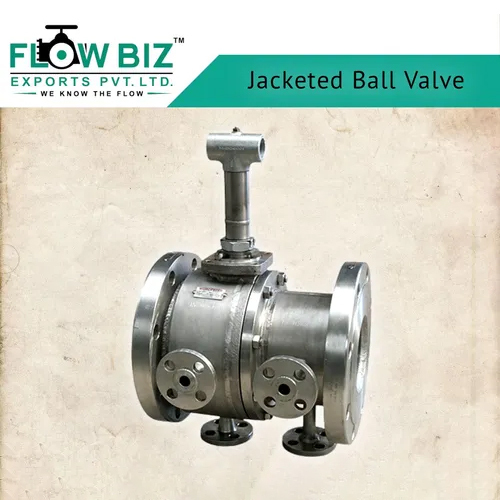
Industrial Ball Valve
Price 4000.0 INR / Piece
Minimum Order Quantity : 1 Piece
Application : Industrial, Chemical, Water Treatment
Material : Stainless Steel
Media : Other, Water, Gas, Oil
Temperature of Media : Medium Temperature
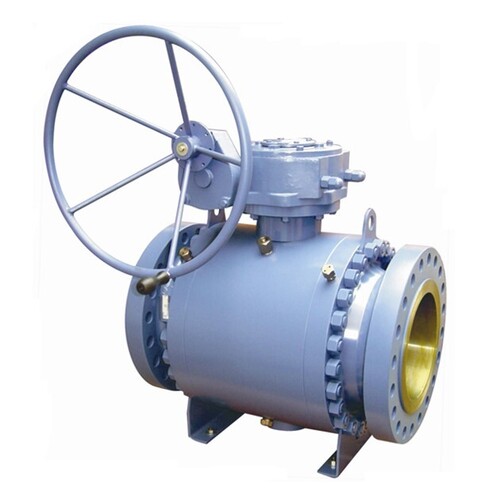
Trunnion Type Ball Valve
Price 4600.0 INR / Unit
Minimum Order Quantity : 1 Number
Application : Petrochemical, Oil and Gas, Power Plant, Chemical Industry, Water Treatment
Material : Other, Carbon Steel, Stainless Steel, Alloy Steel, Duplex, Super Duplex
Media : Other, Water, Oil, Gas, Chemical
Temperature of Media : 29C to +200C
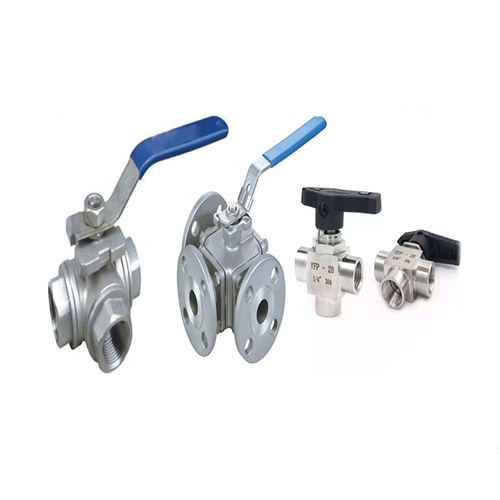
Flow Control Valve Ball
Price 5000.0 INR / Piece
Minimum Order Quantity : 1 Piece
Application : Industrial
Material : Other, Cast Iron
Media : Water
Temperature of Media : Normal Temperature
Industrial Single Piece Valve Ball
Price 500.0 INR / Piece
Minimum Order Quantity : 1 Piece
Application : Industrial Flow Control
Material : Stainless Steel
Media : Water

 Send Inquiry
Our Products
- Needle Valve
- Ball Valve
- Globe Valve
- Gate Valve
- Y Type Strainer
- Piston Valve
- Check Valve
- Sight Glass
- Butterfly Valve
- Swing Check Valve
- Damper Valve
- Basket Strainer
- Pressure Reducing Valve
- Double Block Bleed Valve
- Moisture Separator
- Forged Valve
- Diaphragm Valve
- Mini Ball Valve
- Forbes Marshall PRV
- T Type Strainer
- Plug Valve
- Blow Down Valve
- Air Valve
- Non Return Valve
- Safety Valve
- Steam Trap
- Gasket
- L&T Ball Valve
- L&T Butterfly Valve
- AUDCO Ball Valve
- SPIRAX Marshall PRV
- Solenoid Valve
- oxygen
- roto seal coupling
- straight union
- flow control
- ptfe sheets
- ptfe
- rubber products
- felt products
- Asbestos products
- Engineered plastics products
- rubber seals
- rubber gasket
- Sight Glasses
- Jacketed Valves
- flush bottom valve
- strainer
- Sluice Gate Valve
- Slab Gate Valve
- PTFE Lined Valve
- PTFE Lined Valves


416,417 4th Floor, A Block Safal 8, Ajit Mill, Cross Rd, Rakhial,Ahmedabad - 380023, Gujarat, India

Mr Shakir Ansari
(Director)
Mobile :08071780343
 Send Inquiry
 Send SMS
 Call Me Free
Developed and Managed by Infocom Network Private Limited.
