
Call us now :08071780343
 Send Inquiry
 Send Inquiry
3 Piece Flange Ball Valve
Price 9700 INR/ Number
MOQ : 1 Unit
3 Piece Flange Ball Valve Specification
- Structure
- 3 Piece Body
- Connection
- Flanged
- Channels
- 2 Way
- Pressure
- PN16, PN25, Class 150
- Caliber
- Full Bore
- Material
- Stainless Steel/Carbon Steel
- Power
- Manual
- Media
- Water, Oil, Gas, Air, Steam
- Temperature of Media
- -20°C to 180°C
- Port Size
- 15 mm to 200 mm
- Flange
- ANSI B16.5 or DIN Standard
- Finish
- Polished
- Application
- Industrial, Chemical, Petrochemical, Food & Beverage
- Maintenance
- Easy Online Maintenance Design
- Blow-out Proof Stem
- Yes
- Fire Safe Design
- Available as per API 607
- Test Standard
- API 598
- Leakage Class
- Class VI
- Seat Material
- PTFE, R-PTFE
- Face to Face
- ASME B16.10
- ISO Mounting Pad
- Available
- Locking Arrangement
- Optional
- Design Standard
- API 6D, BS 5351
- End Connection
- Drilled to ANSI/DIN/BS Standard
- Operation
- Lever Operated
- Anti-Static Device
- Yes
- Double Block & Bleed Capability
- Yes
- Handle Material
- Stainless Steel with PVC Sleeve
- Body Material Grade
- CF8, CF8M, WCB
3 Piece Flange Ball Valve About
Specifications
End Connection : Flange end, Butt weld
Face to Face : ASME B 16.10 (Flange end)
Pressure Class : 150#
Design Standard : ASME B16.10, ASME B16.25, ASME B16.34,
ASME B16.5, API 598, BS EN ISO 17292, ISO 5211
Body Material : CF8 / CF8M / WCB / CF3M
Tail Piece Material : CF8 / CF8M / WCB / CF3M
Ball Material : CF8 / CF8M
Body Seal Material : PTFE / RPTFE / CFT / GFT / PEEK
Seat Ring Material : PTFE / RPTFE / CFT / GFT / PEEK
Fastener Material : SS304 / SS316
Stem Seal Material : PTFE / RPTFE / CFT / GFT / PEEK
Stem Material :SS304 / SS316 / SS410
Gland Bush Material : SS304 / SS316 / SS410
Gland Material : SS304 / SS316 / SS410
Advanced Safety and Reliability
This valve is equipped with fire-safe design as per API 607 and includes features such as blow-out proof stem and anti-static device. The double block and bleed capability allows superior isolation and containment, making it highly reliable for critical industrial operations. The optional locking arrangement provides enhanced security in regulated environments.
Ease of Use and Maintenance
Designed for manual lever operation, the valve ensures straightforward installation and operation across various media, from water to steam. Its three-piece body structure facilitates easy online maintenance, minimizing downtime and ensuring long-term performance in demanding applications.
Flexible Connection and Compatibility
With flanged ends drilled to ANSI, DIN, or BS standards, and an ISO mounting pad, this ball valve integrates smoothly into diverse piping systems. Available in port sizes from 15 mm to 200 mm, it caters to a wide range of flow requirements in industrial and process environments.
FAQ's of 3 Piece Flange Ball Valve:
Q: How is the 3 Piece Flange Ball Valve maintained during operation?
A: The three-piece body design allows for easy online maintenance, enabling replacement of components like seats and seals without removing the valve from the pipeline, significantly reducing downtime.Q: What is the process for installing this valve in industrial applications?
A: Installation involves flange connection, using drilled patterns compatible with ANSI, DIN, or BS standards. The stainless steel handle with PVC sleeve ensures secure manual operation, and the ISO mounting pad facilitates actuator integration if required.Q: When should the fire-safe version of this valve be selected?
A: The fire-safe design, tested according to API 607, should be chosen for applications involving flammable media or environments with heightened fire safety requirements, such as petrochemical plants and chemical processing facilities.Q: Where can this ball valve be used?
A: This valve is suitable for a variety of industries, including industrial, chemical, petrochemical, and food & beverage. It effectively handles water, oil, gas, air, and steam across process pipelines within the -20C to 180C temperature range.Q: What are the benefits of the double block and bleed capability?
A: Double block and bleed functionality enhances isolation, prevents leakage, and allows safe maintenance and testing, ensuring critical safety and operational integrity in complex process systems.Q: How does the anti-static device improve valve performance?
A: The built-in anti-static device minimizes static electricity buildup between the ball and stem, reducing the risk of sparks and enhancing operational safety in flammable environments.Q: Can the valve be locked for tamper resistance?
A: Yes, an optional locking arrangement is available, allowing users to secure the lever in either the open or closed position to prevent unauthorized operation and enhance process safety.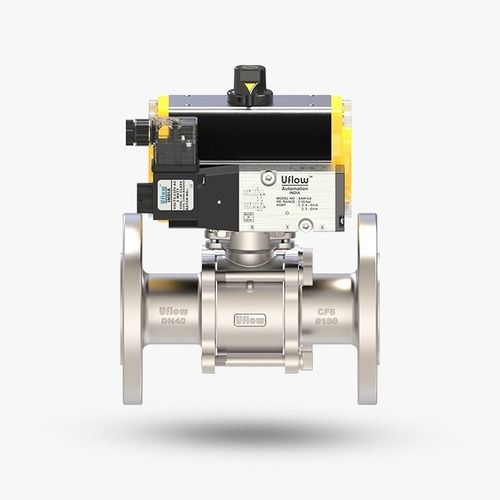
Tell us about your requirement

Price:
Quantity
Select Unit
- 50
- 100
- 200
- 250
- 500
- 1000+
Additional detail
Mobile number
Email

More Products in Ball Valve Category
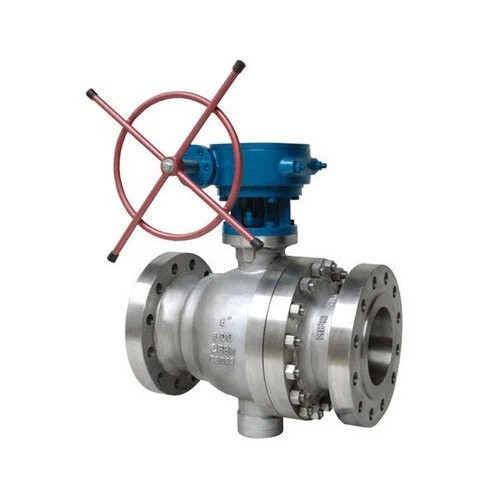
Trunnion Mounted Ball Valve Manufacturer in India
Price 2200 INR / Unit
Minimum Order Quantity : 1 Number
Material : Other, Carbon Steel, Stainless Steel, Alloy Steel
Structure : Other, Trunnion Mounted
Media : Other, Oil, Water, Gas, Chemical
Finish : Anticorrosive Painted/Coated
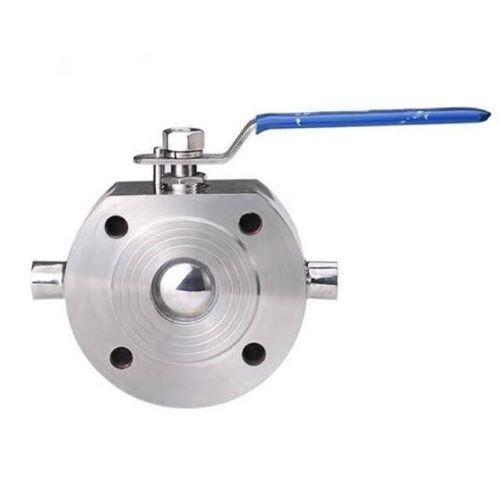
Export Quality Wafer Ball Valves
Price 1600.0 INR / Number
Minimum Order Quantity : 1 Number
Material : Other, Stainless Steel / Cast Iron / Carbon Steel
Structure : Other, Wafer Type Two Piece Design
Media : Other, Water, Gas, Oil, Air
Finish : Epoxy coated / Mirror finish
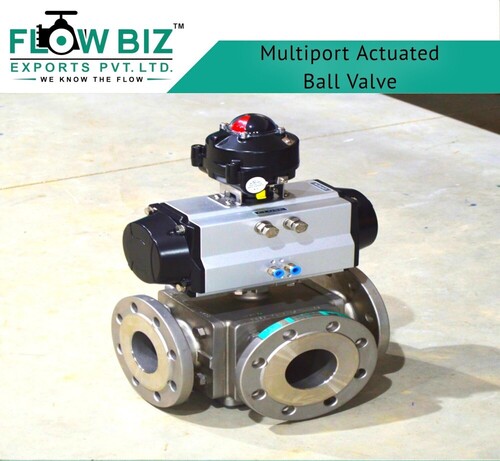
API Standard Multi Port Ball Valve
Price 800.0 INR / Number
Minimum Order Quantity : 1 Number
Material : Other, Stainless Steel / Carbon Steel / Cast Iron / Brass
Structure : Other, Multi Port (3 Way or 4 Way)
Media : Other, Water, Oil, Gas, Chemical, Air
Finish : Polished / Powder Coated
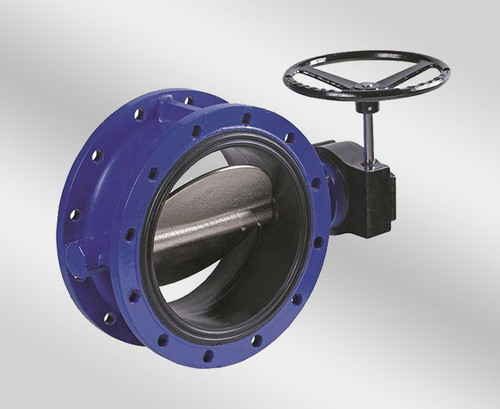
Double Flange Butterfly Valves
Price 600 INR / Unit
Minimum Order Quantity : 1 Number
Material : Other, Cast Iron, Ductile Iron, Stainless Steel, Carbon Steel
Structure : Other, Double Flange
Media : Other, Water, Oil, Gas, Chemicals
Finish : Epoxy Coated, Painted

 Send Inquiry
Our Products
- Needle Valve
- Ball Valve
- Globe Valve
- Gate Valve
- Y Type Strainer
- Piston Valve
- Check Valve
- Sight Glass
- Butterfly Valve
- Swing Check Valve
- Damper Valve
- Basket Strainer
- Pressure Reducing Valve
- Double Block Bleed Valve
- Moisture Separator
- Forged Valve
- Diaphragm Valve
- Mini Ball Valve
- Forbes Marshall PRV
- T Type Strainer
- Plug Valve
- Blow Down Valve
- Air Valve
- Non Return Valve
- Safety Valve
- Steam Trap
- Gasket
- L&T Ball Valve
- L&T Butterfly Valve
- AUDCO Ball Valve
- SPIRAX Marshall PRV
- Solenoid Valve
- oxygen
- roto seal coupling
- straight union
- flow control
- ptfe sheets
- ptfe
- rubber products
- felt products
- Asbestos products
- Engineered plastics products
- rubber seals
- rubber gasket
- Sight Glasses
- Jacketed Valves
- flush bottom valve
- strainer
- Sluice Gate Valve
- Slab Gate Valve
- PTFE Lined Valve
- PTFE Lined Valves


416,417 4th Floor, A Block Safal 8, Ajit Mill, Cross Rd, Rakhial,Ahmedabad - 380023, Gujarat, India

Mr Shakir Ansari
(Director)
Mobile :08071780343
 Send Inquiry
 Send SMS
 Call Me Free
Developed and Managed by Infocom Network Private Limited.
