
Call us now :08071793447
 Send Inquiry
 Send Inquiry
Swing Check Valve Manufacturer in India
Price 4400 INR/ Unit
MOQ : 1 Number
Swing Check Valve Manufacturer in India Specification
- Control System
- Manual - Non Return Flow
- Material
- Cast Iron, Cast Steel, Stainless Steel, Bronze, Ductile Iron
- Valve Type
- Check Valve
- Features
- Corrosion Resistant, Leak Proof, Durable Construction, Bolted Cover, Wafer/Flanged End
- Valve Size
- 1/2 to 12
- Connection Type
- Flanged / Screwed / Wafer End
- Application
- Water, Oil, Gas, Industrial Fluids, HVAC, Chemical Process, Petroleum Industries
- Structure
- Swing Type
- Sealing
- PTFE, Rubber, Metal to Metal
- Type
- Swing Check Valve
- Power
- Manual
- Pressure
- Up to 20 Bar
- Media
- Water, Oil, Gas, Chemicals
- Port Size
- 15 mm to 300 mm (1/2 to 12)
- Temperature
- -10C to 180C
- Disc
- Stainless Steel / Cast Iron / Metal / Forged
- Pin
- Stainless Steel/Brass
- End Connection
- Flanged (ANSI B16.5/BS/DIN/IS) / Screwed / Wafer Type
- Hydrostatic Test Pressure
- 1.5x Working Pressure
- Weight Range
- 2 kg to 50 kg as per size
- Installation Position
- Horizontal / Vertical Line (flow upward)
- Trim
- Stainless Steel / Gun Metal
- Flow Direction
- Uni-directional
- Gasket Material
- PTFE / Graphite / CAF
- Body Test Pressure
- 30 Bar
- Surface Finish
- Epoxy Painted / Shot Blasted
About Swing Check Valve Manufacturer in India
FlowBiz brand Swing Check Valve is manufactured to prevent the medium in the pipeline from flowing back. As pressure reaches zero, the valve shuts entirely to prevent backflow.
Our Swing check valves belong to the group of automatic valves, which are used mostly in pipelines where the medium flows in one direction and allows only the medium to flow in one direction to avoid accidents.
The pressure drops and turbulence in these types of valves are very low. This type of valve should generally be installed horizontally in the pipeline. Still, it can also be installed vertically by remembering that the disc cannot reach the stalling position where it is stuck in an open position.
Application of FlowBiz Swing Check Valve:
A swing check valve can be applied to various media like water, steam, oil, nitric acid, acetic acid, oxidizing solid media, and urea.
They are mainly used in petroleum, chemical, pharmaceutical, fertilizer, power, and other pipelines. It is suitable for clean media and not for media containing solid particles and high viscosity.
Where the flow of the medium is known to be pulsating and low, using a swing check valve is not recommended. Due to this, the valve disc hits the seat, which causes the valve to suffer considerable damage-causing wear to both discs. The swing disc can come loose, and as a result, the valve stops working correctly.
High-Performance Swing Check Valves for Diverse Applications
Our swing check valves are engineered for optimal performance across a range of industries, including water treatment, HVAC, chemical processing, and petroleum. Each valve offers reliable uni-directional flow, aided by precision trims and durable gaskets, making them ideal for preventing backflow in demanding environments. The versatile installation options grant maximum flexibility, while construction features like bolted covers and corrosion-resistant surfaces ensure long-term durability and leak-proof operation.
Cutting-Edge Manufacturing and Quality Assurance
Manufactured in India, our valves undergo stringent body and hydrostatic pressure testing, withstanding up to 30 bar and 1.5x working pressure respectively. Available with various disc and trim materials like stainless steel, gun metal, and cast iron, every valve is crafted to meet international standards for safety and efficacy. Shot blasting and epoxy painting enhance corrosion resistance, guaranteeing reliable function even in aggressive media.
FAQ's of Swing Check Valve Manufacturer in India:
Q: What is the recommended installation position for your swing check valves?
A: Our swing check valves can be installed in both horizontal pipelines and vertical lines with upward flow, ensuring proper uni-directional fluid movement and preventing backflow in diverse system layouts.Q: How does the end connection type affect valve selection?
A: We offer flanged (ANSI B16.5/BS/DIN/IS), screwed, and wafer end connections. Your selection should align with your pipeline's design standards and assembly requirements for seamless integration and optimal sealing.Q: Which industries typically benefit from using your swing check valves?
A: Industries such as water supply, HVAC, chemical processing, oil and gas, and power generation commonly utilize our swing check valves for non-return applications due to their corrosion resistance and leak-proof structure.Q: What material options are available for valve body and trim?
A: Our valves are available in cast iron, cast steel, stainless steel, bronze, and ductile iron bodies, with trims made from stainless steel or gun metal. You may choose depending on the media and operating conditions for enhanced durability.Q: How are your swing check valves tested for reliability?
A: Each valve undergoes rigorous body test pressure at 30 bar and hydrostatic test pressure at 1.5 times the working pressure, ensuring safety and dependable performance even under challenging conditions.Q: Which media can these check valves handle and at what temperature and pressure ranges?
A: These swing check valves are engineered to work with water, oil, gas, chemicals, and industrial fluids, withstanding temperatures from -10C to 180C and pressures up to 20 bar.Q: What are the benefits of using epoxy painted or shot blasted valves?
A: Epoxy painting and shot blasting protect valve surfaces from corrosion, enhance durability, and maintain consistent performance across varying media and environmental conditions.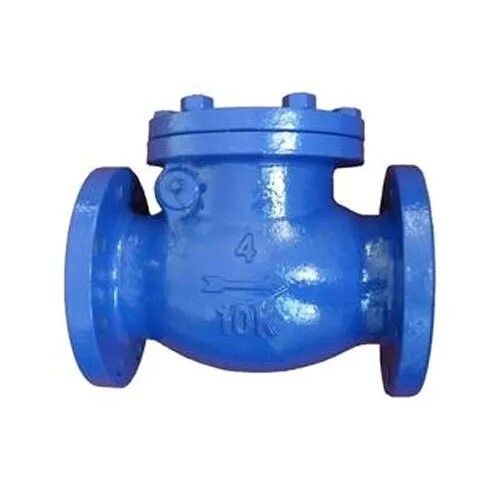
Tell us about your requirement

Price:
Quantity
Select Unit
- 50
- 100
- 200
- 250
- 500
- 1000+
Additional detail
Mobile number
Email

More Products in Check Valve Category

Forged Steel Lift Flanged End Check Valve
Price 1000 INR / Unit
Minimum Order Quantity : 1 Unit
Application : Industrial
Media : Other, Water, Oil, Gas, Steam
Type : Forged Steel Lift Flanged End Check Valve
Disc : Forged Steel, Guided Disc
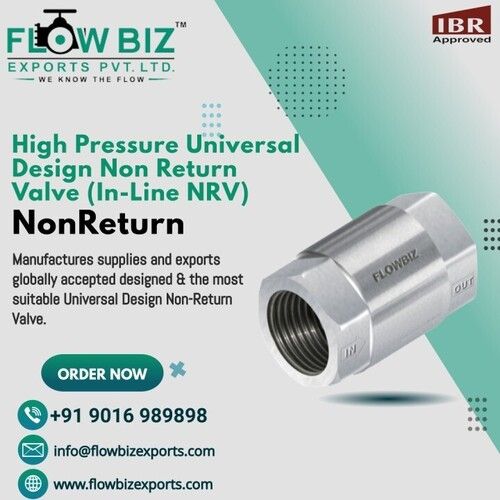
Inline Check Valve Manufacturer in Pune
Price 2000 INR / Unit
Minimum Order Quantity : 1 Number
Application : Flow Control, Preventing backflow, Water and Air Systems
Media : Other, Water, Air, Oil, Gas
Type : Inline Check Valve
Disc : S.S. 304/316 Disc
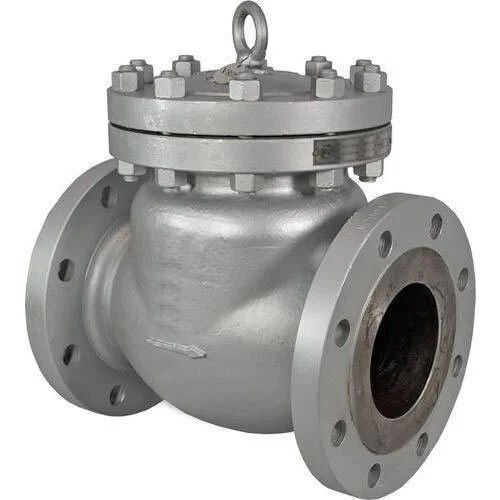
Swing Check Valve in Mumbai
Price 1800 INR / Unit
Minimum Order Quantity : 1 Number
Application : Industrial Use, Water, Oil, Steam, Gas
Media : Other, Liquids, Gases, Slurries
Type : Swing Check Valve
Disc : Stainless Steel / Cast Iron / Cast Steel

Gun Metal Vertical Lift Check Valve
Price 400 INR / Unit
Minimum Order Quantity : 1 Unit
Application : Industrial
Media : Gas
Type : Gun Metal Vertical Lift Check Valve

 Send Inquiry
Our Products
- Needle Valve
- Ball Valve
- Globe Valve
- Gate Valve
- Y Type Strainer
- Piston Valve
- Check Valve
- Sight Glass
- Butterfly Valve
- Swing Check Valve
- Damper Valve
- Basket Strainer
- Pressure Reducing Valve
- Double Block Bleed Valve
- Moisture Separator
- Forged Valve
- Diaphragm Valve
- Mini Ball Valve
- Forbes Marshall PRV
- T Type Strainer
- Plug Valve
- Blow Down Valve
- Air Valve
- Non Return Valve
- Safety Valve
- Steam Trap
- Gasket
- L&T Ball Valve
- L&T Butterfly Valve
- AUDCO Ball Valve
- SPIRAX Marshall PRV
- Solenoid Valve
- oxygen
- roto seal coupling
- straight union
- flow control
- ptfe sheets
- ptfe
- rubber products
- felt products
- Asbestos products
- Engineered plastics products
- rubber seals
- rubber gasket
- Sight Glasses
- Jacketed Valves
- flush bottom valve
- strainer
- Sluice Gate Valve
- Slab Gate Valve
- PTFE Lined Valve
- PTFE Lined Valves


416,417 4th Floor, A Block Safal 8, Ajit Mill, Cross Rd, Rakhial,Ahmedabad - 380023, Gujarat, India

Mr Shakir Ansari
(Director)
Mobile :08071793447
 Send Inquiry
 Send SMS
 Call Me Free
Developed and Managed by Infocom Network Private Limited.
