
Call us now :08071793447
 Send Inquiry
 Send Inquiry
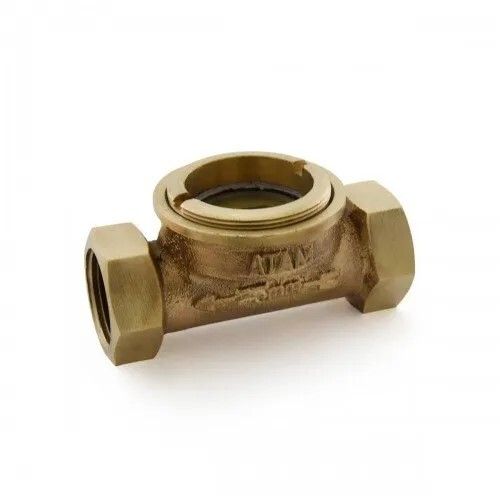
Sight Glass Manufacturer in India
Price 4000 INR/ Unit
MOQ : 1 Number
Sight Glass Manufacturer in India Specification
- Valve Size
- As per Port Size
- Connection Type
- Flanged, Screwed, Socket Weld
- Material
- Carbon Steel, Stainless Steel (SS304/316), Alloy
- Control System
- Manual/Visual
- Features
- Clear Visual Flow Indication, Corrosion Resistance, Leak-proof Design, Easy Installation & Maintenance
- Structure
- Flanged/Threaded
- Sealing
- PTFE, Graphite, Viton Gasket
- Application
- Industrial Fluid Flow Monitoring, Chemical Processing, Pharmaceutical, Food & Beverage, Oil & Gas, Water Treatment
- Type
- Double Window, Welded or Screwed
- Power
- Manual/No Power Required
- Pressure
- Up to 25 bar (kg/cm)
- Media
- Liquids, Gases, Steam
- Port Size
- 1/2 inch to 12 inch
- Temperature
- -10C to 180C
- Disc
- Tempered / Toughened Borosilicate Glass
- Sight Angle
- Double Window / 360° Sight
- Mounting Orientation
- Horizontal & Vertical
- End Connection Standard
- ANSI, DIN, JIS, IS
- Glass Thickness
- Standard 5 mm to 19 mm depending on pressure rating
- Body Coating
- Epoxy Painted or Natural Finish
- Gasket Material Options
- PTFE, EPDM, Viton
- Inspection Chamber
- Fully Sealed
- Internal Finish
- Mirror Polish, Matt Finish
About Sight Glass Manufacturer in India
FlowBiz Export Pvt Ltd is a reputable Manufacturer of Sight Glass, a crucial component used in various industries for visual observation and monitoring of fluid processes. With a commitment to quality and reliability, FlowBiz Export Pvt Ltd produces Sight Glass that meets industry standards and customer requirements. The Sight Glass manufactured by FlowBiz Exports designed with a transparent window, typically made of tempered glass or durable acrylic, allowing operators to inspect the fluid flow within a pipeline or tank visually. It offers a clear and unobstructed view, enabling real-time monitoring and analysis of critical parameters.
Key features of Sight Glass:
- Transparent Window
- Durability
- Real-time Monitoring
- Safety Enhancement
- Compliance with Standards
- Customizability
Versatile Design for Complex Fluid Systems
This sight glass is engineered to ensure clear, reliable monitoring of liquids, gases, and steam in challenging industrial environments. Its customizable features-sealing, thickness, and finish-allow seamless integration into existing systems, supporting diverse connection standards and maintaining robust corrosion resistance, even under prolonged exposure.
Premium Materials and Safety Features
Constructed using carbon steel, SS304/316 stainless steel, or alloy, and equipped with tempered borosilicate glass discs, our sight glass ensures safety during high-pressure operations. The leak-proof, epoxy-coated body and fully-sealed inspection chamber deliver durability and resilience against harsh chemicals and elevated temperatures.
Convenient Installation and Maintenance
With flexible mounting options (horizontal or vertical) and connection types (flanged, screwed, socket weld), installation is effortless to match your setup. The design supports easy cleaning and maintenance, streamlining interruptions and minimizing downtime. Gasket choices further enhance compatibility with various fluid media.
FAQ's of Sight Glass Manufacturer in India:
Q: How do I choose the appropriate glass thickness for my application's pressure rating?
A: Select the glass thickness-between 5 mm and 19 mm-based on your system's maximum pressure requirements, up to 25 bar. Our engineering team can provide guidance to ensure optimal safety and performance for your specific application.Q: What gasket materials are available and how do I determine the right option?
A: We offer gaskets in PTFE, EPDM, and Viton, which provide different chemical compatibility and temperature resistance. For highly corrosive media or elevated temperatures (-10C to 180C), PTFE or Viton gaskets are recommended. Your process medium will dictate the most suitable choice.Q: When should I opt for a mirror polish versus a matt finish on the internal surface?
A: A mirror polish provides minimal fluid buildup and easy visibility in cleaner processes (like pharmaceuticals or food), while matt finish is better suited for high-particulate applications or where glare reduction is essential in chemical processing.Q: Where can these sight glasses be installed within industrial systems?
A: Our sight glasses can be integrated horizontally or vertically in pipes across plant installations-such as chemical reactors, water treatment conduits, beverage production lines, or steam systems-thanks to flexible mounting and connection options.Q: What is the process for installation and what connection standards do you support?
A: Installation is straightforward using flange, screwed, or socket weld connections. We support ANSI, DIN, JIS, and IS standards, ensuring compatibility with global pipeline systems. Detailed instructions are available for professional and on-site installation.Q: How does the double window and 360 sight angle benefit my monitoring operations?
A: The double window and full 360 sight angle allow uninterrupted, crystal-clear observation of fluid flow, making leak detection and process assessment immediate, which enhances operational safety and decision accuracy.Q: What advantages does manual (no-power) control offer over automated systems?
A: Manual control ensures reliable operation in areas without power access, offers easy visual flow monitoring, and reduces maintenance needs, making it ideal for remote, hazardous, or high-integrity applications.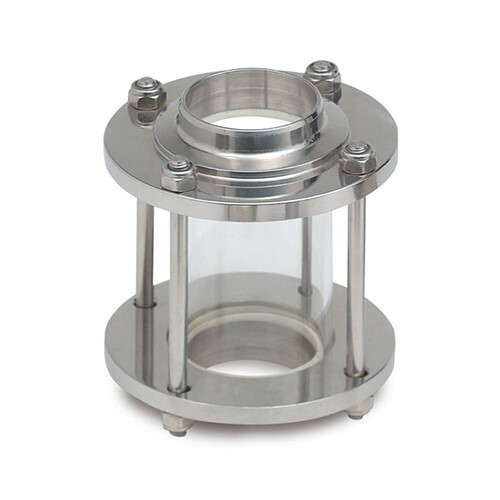
Tell us about your requirement

Price:
Quantity
Select Unit
- 50
- 100
- 200
- 250
- 500
- 1000+
Additional detail
Mobile number
Email

More Products in Sight Glasses Category
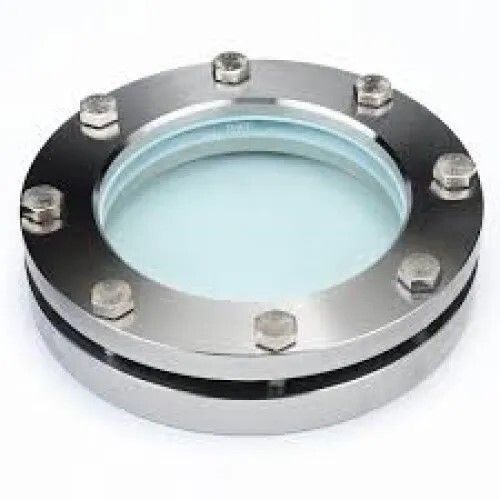
Tank Mounted Sight Glass Manufacturer in India
Price 2500 INR / Unit
Minimum Order Quantity : 1 Number
Structure : Other, Transparent Sight Glass Assembly
Features : Corrosion Resistant, Easy Observation, Leak Proof, Durable Design
Material : Stainless Steel / Carbon Steel / Brass
Connection Type : Flanged / Screwed / Socket Weld
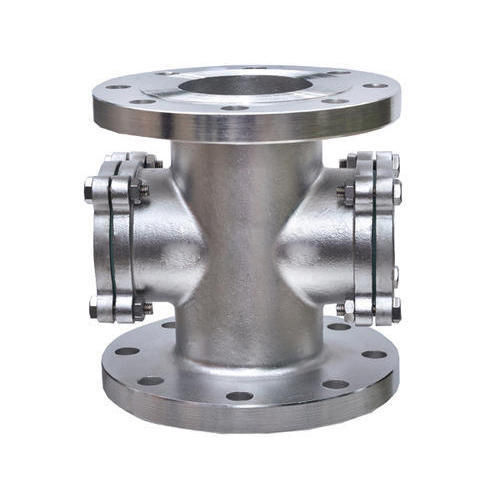
Double Window Sight Glass Manufacturer in India
Price 2000 INR / Unit
Minimum Order Quantity : 1 Number
Structure : Other, Double Window, Bolted Body
Features : Full view, High visibility, Leak proof design, Corrosion resistant, Easy installation
Material : CS, SS304, SS316, PP, PVC, or as specified
Connection Type : Flanged, Screwed, Socket Weld
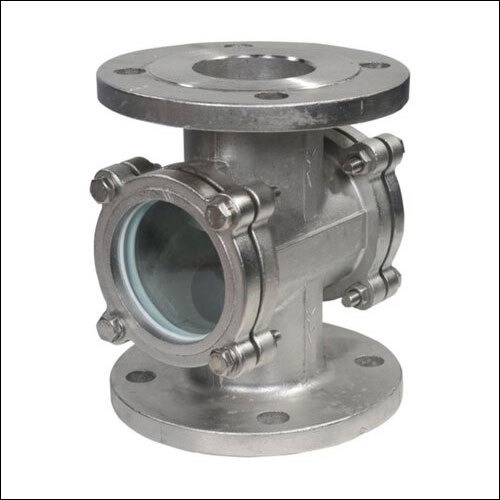
Industrial SS304 Sight Glass
Price 6000.0 INR / Number
Minimum Order Quantity : 1 Number
Structure : Other, Double window, flanged body with glass viewing windows on both sides
Features : 360degree visibility, corrosion resistant, easy installation, maintenance friendly
Material : Body: Cast Iron, Carbon Steel, Stainless Steel; Glass: Toughened Borosilicate or Tempered Glass; Gasket: PTFE/Viton/Neoprene
Connection Type : Flanged (ANSI, DIN, JIS standards available)
Single Window Sight Glass Manufacturer in India
Price 2000 INR / Unit
Minimum Order Quantity : 1 Number
Structure : Other, Single window
Features : Clear visibility, corrosionresistant, sturdy design, easy installation, leak proof
Material : Stainless Steel (SS304/SS316), Carbon Steel, or as specified
Connection Type : Flanged / Screwed / Triclover

 Send Inquiry
Our Products
- Needle Valve
- Ball Valve
- Globe Valve
- Gate Valve
- Y Type Strainer
- Piston Valve
- Check Valve
- Sight Glass
- Butterfly Valve
- Swing Check Valve
- Damper Valve
- Basket Strainer
- Pressure Reducing Valve
- Double Block Bleed Valve
- Moisture Separator
- Forged Valve
- Diaphragm Valve
- Mini Ball Valve
- Forbes Marshall PRV
- T Type Strainer
- Plug Valve
- Blow Down Valve
- Air Valve
- Non Return Valve
- Safety Valve
- Steam Trap
- Gasket
- L&T Ball Valve
- L&T Butterfly Valve
- AUDCO Ball Valve
- SPIRAX Marshall PRV
- Solenoid Valve
- oxygen
- roto seal coupling
- straight union
- flow control
- ptfe sheets
- ptfe
- rubber products
- felt products
- Asbestos products
- Engineered plastics products
- rubber seals
- rubber gasket
- Sight Glasses
- Jacketed Valves
- flush bottom valve
- strainer
- Sluice Gate Valve
- Slab Gate Valve
- PTFE Lined Valve
- PTFE Lined Valves


416,417 4th Floor, A Block Safal 8, Ajit Mill, Cross Rd, Rakhial,Ahmedabad - 380023, Gujarat, India

Mr Shakir Ansari
(Director)
Mobile :08071793447
 Send Inquiry
 Send SMS
Developed and Managed by Infocom Network Private Limited.
