
Call us now :08071793447
 Send Inquiry
 Send Inquiry
PTFE Lined Butterfly Valve Manufacturer in Pune
Price 800 INR/ Unit
MOQ : 1 Number
PTFE Lined Butterfly Valve Manufacturer in Pune Specification
- Features
- Corrosion-resistant, Low torque operation, Bubble-tight shutoff, Maintenance free
- Valve Size
- 2 to 12 (50mm to 300mm)
- Control System
- Manual, Electric actuator, Pneumatic actuator
- Valve Type
- Butterfly
- Connection Type
- Wafer / Lug / Flanged
- Material
- Body: Cast Iron / Ductile Iron / SS 304 / SS 316; Lining: PTFE
- Structure
- Wafer / Lug type
- Voltage
- 220V / 415V (for actuated type)
- Sealing
- PTFE / EPDM / Viton
- Application
- Chemical, Pharmaceutical, Water Treatment, Food and Beverage Industries
- Type
- PTFE Lined Butterfly Valve
- Power
- Manual / Electric / Pneumatic
- Pressure
- PN 10 / PN 16
- Media
- Acids, Alkalis, Corrosive fluids
- Port Size
- DN50 to DN300
- Temperature
- -10C to +200C
- Disc
- Ductile iron / Stainless Steel with PTFE lining
- Pin
- Stainless steel / Alloy steel
- Torque Range
- Low torque design for ease of operation
- Design Standard
- API 609 / BS EN 593
- Face to Face Dimensions
- As per manufacturer and international standards
- Body Lining Thickness
- 2.5 mm to 3 mm PTFE lining
- Stem Material
- SS 316 / SS 304
- Coating
- Epoxy painted for enhanced durability and chemical resistance
- Fire Safe
- Design available on request
- Seat Material
- PTFE / EPDM
- Leakage Rate
- Class VI
- Working Life
- Extended due to PTFE lining and robust construction
- End Connection
- Wafer design to fit between flanges as per ANSI, DIN, BS standards
- Operation Mode
- Lever, Gearbox, Electric, Pneumatic
About PTFE Lined Butterfly Valve Manufacturer in Pune
FlowBiz PTFE lined Butterfly valve model IVTFE provides an optimum solution to the corrosion problems encountered by the chemical process industries with conventional butterfly valves. The PTFE seat liner covers the entire wetted surface of the body and extends to the flange contact faces, thus eliminating the possibility of any media contact with the body metal.
- Critical Features Full PN10 pressure rating for the entire range of valve sizes from DN50 to DN350.
- Bi-directional valve with sealing capability to hold rated shut-off pressure in either direction.
- A circularly molded backup elastomer provides uniform contact pressure over the entire seat without losing the shaft bore shape, ensuring bubble-tight closure every time.
- A unique triple sealing system for shaft sealing eliminates any fugitive emission or secondary leakage.
- Self-lubricated shaft bearings (PTFE-coated stainless steel) for the drive and non-drive end shaft ensure minimum bearing friction torque.
Versatile End-Connection and Structure
These butterfly valves come in wafer and lug types, seamlessly fitting between flanges of various standards such as ANSI, DIN, and BS. This adaptability ensures easy installation across multiple industrial pipelines, reducing downtime and ensuring consistent system integration.
Advanced Coating for Durability
Every valve is epoxy painted, boosting resistance to corrosion, chemicals, and environmental exposure. This protective layer not only extends valve lifespan but also reduces maintenance requirements, especially important in aggressive media like acids and alkalis.
Wide Operational Choice and Applications
Operators have options of manual (lever/gearbox), electric, or pneumatic actuators, capable of handling a voltage range from 220V to 415V for actuated types. The valves are suitable for chemical, pharmaceutical, water treatment, and food & beverage industries, covering pressure ratings from PN 10 to PN 16, and temperature ranges from -10C to +200C.
FAQ's of PTFE Lined Butterfly Valve Manufacturer in Pune:
Q: How does the PTFE lining enhance the performance of butterfly valves in corrosive environments?
A: PTFE lining acts as a barrier between the valve's components and aggressive media such as acids and alkalis, offering exceptional resistance to chemical attack. This results in longer operational life and minimizes the risk of contamination and degradation within demanding process industries.Q: What is the process for installing a wafer design PTFE lined butterfly valve between flanges?
A: Installation is straightforward: the wafer design allows the valve to be sandwiched directly between pipeline flanges compatible with ANSI, DIN, or BS standards. Flange bolts secure the valve, requiring minimal space and reducing installation time compared to traditional flanged valves.Q: When should I choose electric or pneumatic operation instead of manual for these valves?
A: Electric or pneumatic actuation is ideal when automation, remote control, or frequent operation is required-such as in complex process systems or for large valve sizes (DN50-DN300). Manual (lever or gearbox) operation fits lower-frequency use or smaller installations.Q: Where are PTFE lined butterfly valves typically used?
A: These valves are extensively employed in industries where corrosion resistance and reliable shutoff are crucial, including chemical processing, pharmaceuticals, water treatment plants, and food/beverage production. Their design accommodates media ranging from acids to food-grade liquids.Q: What benefits does epoxy coating provide for these valves?
A: Epoxy-coated bodies offer enhanced durability, resisting chemical corrosion, environmental wear, and surface damage. This protective layer significantly extends service life, especially in harsh operating conditions, and reduces maintenance frequency.Q: How is low torque operation advantageous for these butterfly valves?
A: Low torque design means less force is needed to operate the valve, translating to easier manual handling and lower energy consumption for actuators. This feature also minimizes wear on components, resulting in smooth functioning and an extended maintenance-free life.Q: What quality standards and leakage rates do these valves meet?
A: Manufactured according to API 609 and BS EN 593 design standards, these valves adhere to Class VI leakage rate-ensuring bubble-tight shutoff and maximum safety in preventing leaks, especially important when handling hazardous or high-value media.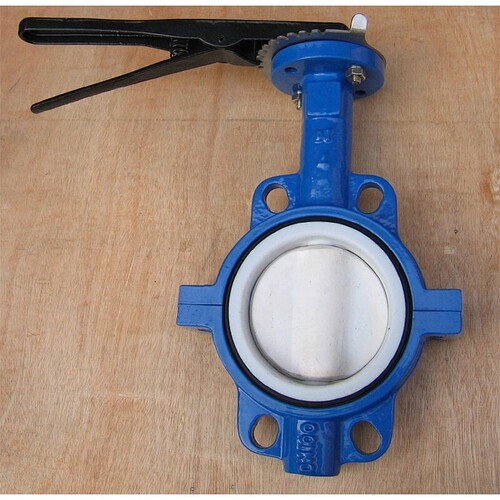
Tell us about your requirement

Price:
Quantity
Select Unit
- 50
- 100
- 200
- 250
- 500
- 1000+
Additional detail
Mobile number
Email

More Products in PTFE Lined Valve Category
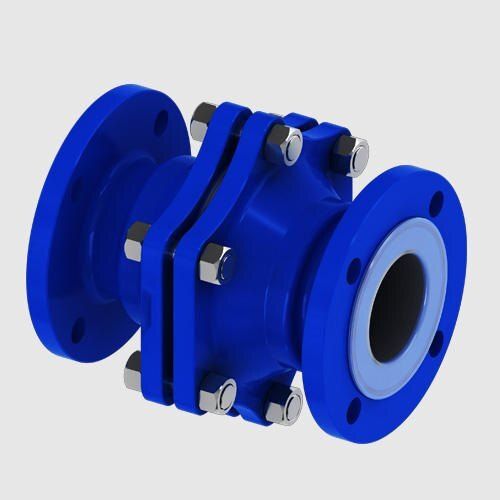
PTFE Lined Valve Manufacturer in Bhavnagar
Price 4000 INR / Unit
Minimum Order Quantity : 1 Number
Media : Other, Acid, alkali, solvents, chemicals
Port Size : DN25 to DN300
Disc : Ductile Iron/PTFE lined
Application : Control and shutoff operations in corrosive chemical processes
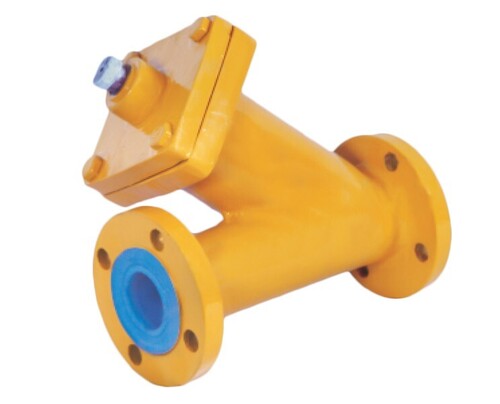
PTFE Lined Y Type Strainer
Price 600.0 INR / Number
Minimum Order Quantity : 1 Number
Media : Other
Port Size : 1 to 12
Disc : Stainless Steel/PTFE Coated
Application : Corrosive and chemical process industries
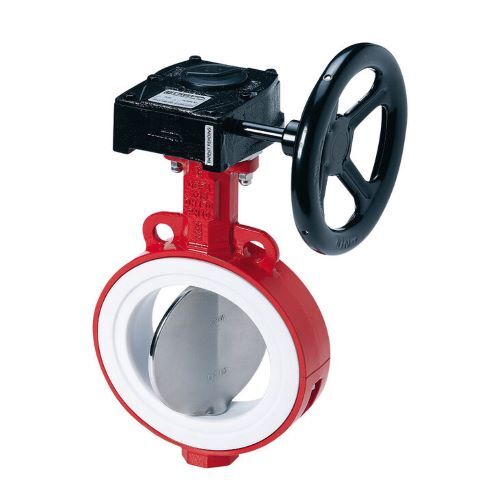
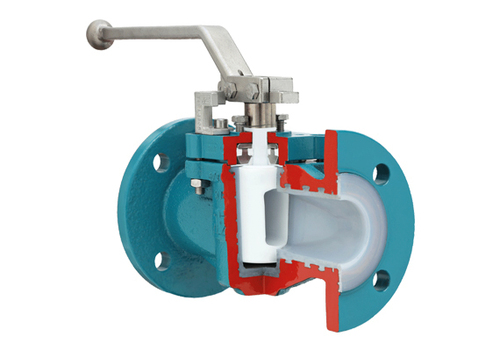
PTFE Lined Plug Valve
Price 600.0 INR / Set
Minimum Order Quantity : 1 Set
Media : Water
Port Size : Customized as per requirement
Disc : SS 304
Application : Process Industries likeChemical, Power, Refinery, Petrochemicals, Nuclear, Water

 Send Inquiry
Our Products
- Needle Valve
- Ball Valve
- Globe Valve
- Gate Valve
- Y Type Strainer
- Piston Valve
- Check Valve
- Sight Glass
- Butterfly Valve
- Swing Check Valve
- Damper Valve
- Basket Strainer
- Pressure Reducing Valve
- Double Block Bleed Valve
- Moisture Separator
- Forged Valve
- Diaphragm Valve
- Mini Ball Valve
- Forbes Marshall PRV
- T Type Strainer
- Plug Valve
- Blow Down Valve
- Air Valve
- Non Return Valve
- Safety Valve
- Steam Trap
- Gasket
- L&T Ball Valve
- L&T Butterfly Valve
- AUDCO Ball Valve
- SPIRAX Marshall PRV
- Solenoid Valve
- oxygen
- roto seal coupling
- straight union
- flow control
- ptfe sheets
- ptfe
- rubber products
- felt products
- Asbestos products
- Engineered plastics products
- rubber seals
- rubber gasket
- Sight Glasses
- Jacketed Valves
- flush bottom valve
- strainer
- Sluice Gate Valve
- Slab Gate Valve
- PTFE Lined Valve
- PTFE Lined Valves


416,417 4th Floor, A Block Safal 8, Ajit Mill, Cross Rd, Rakhial,Ahmedabad - 380023, Gujarat, India

Mr Shakir Ansari
(Director)
Mobile :08071793447
 Send Inquiry
 Send SMS
Developed and Managed by Infocom Network Private Limited.
