Call us now :08071793447
 Send Inquiry
 Send Inquiry
Metal Seated Ball Valves (Bar Stock) Manufacturer in India
Price 2400 INR/ Unit
MOQ : 1 Number
Metal Seated Ball Valves (Bar Stock) Manufacturer in India Specification
- Structure
- Two Piece/Three Piece/Full Bore/Reduced Bore
- Channels
- Single or Double Block & Bleed
- Pressure
- Class 150, 300, 600, 900, 1500, 2500
- Connection
- Flanged, Screwed, Socket Weld, Butt Weld
- Caliber
- High Performance, Precision Machined
- Material
- Stainless Steel, Carbon Steel, Alloy Steel, Duplex, Super Duplex, Inconel, Monel, Hastelloy
- Power
- Manual, Pneumatic, Electric Actuated
- Media
- Gas, Water, Oil, Air, Steam
- Temperature of Media
- -29C to 450C
- Port Size
- 1/2 to 6 (DN15 to DN150)
- Flange
- ANSI, DIN, JIS, BS Flange Standards
- Finish
- Metal Seated, Fire Safe Design
- Application
- Chemical, Oil & Gas, Refineries, Power Plants, Water Treatment, Petrochemical
- Surface Protection
- Epoxy Coated/Painted/Passivated
- Cv Rating
- Optimized for high flow
- Size Range
- DN15 to DN150 (1/2" to 6")
- Application Suitability
- Suitable for abrasive, corrosive, high temperature, and severe service conditions
- End Connections
- Screwed (NPT/BSP), Flanged, SW, BW
- Stem Material
- Anti-blowout design
- Seat Type
- Metal to Metal Seat, Hard-Faced (Tungsten Carbide, Stellite)
- Testing Standard
- API 598
- Operation Type
- Lever, Gear, Actuator Operated
- Design Standard
- API 6D, ASME B16.34, BS 5351
- Ball Material
- 316 SS, Alloy 20, Hastelloy, etc.
- Leakage Class
- Class VI Bubble Tight Shutoff
About Metal Seated Ball Valves (Bar Stock) Manufacturer in India
High-Temperature Metal-Seated Ball Valves (800F) | FlowBiz Valves
FlowBiz Valves is recognized as a premier manufacturer, supplier, and global exporter of high-temperature, severe-service metal-seated ball valves (Bar Stock) in India.
While standard soft-seated valves fail when temperatures breach the thermal limits of polymer inserts, the FlowBiz metal-seated series relies on absolute metal-to-metal contact between a micro-polished ball and hard-faced metallic seats. Precision-machined from solid bar stock, these valves are uniquely engineered to withstand the destructive forces of continuous thermal cycles, high-velocity particulate abrasion, mechanical erosion, and aggressive chemical corrosion in environments reaching up to 800F (426C).
We manage a high-capacity production and logistical framework to deliver these critical-service valves to major industrial corridors nationwide, including:
-
Gujarat: Ahmedabad, Vapi, Valsad, Surat, Gandhidham, Kutch, Ankleshwar, Bharuch.
-
Maharashtra: Mumbai, Nashik, Pune, Thane, Aurangabad, Satara, Sangli, Nagpur, Kolhapur.
-
Pan-India Footprint: Indore, Dewas, Bhopal, Chennai, Coimbatore, Salem, and international export networks.
Technical Specifications & Code Compliance
Every bar stock metal-seated valve is precision-machined and verified against international engineering standards to maintain total pressure containment:
| Parameter | Engineering Specification & Compliance Codes |
| Thermal Range | Continuous severe-service operation up to 800F (426C) |
| Design Standards | Fully compliant with API 6D, ASME B16.34, and BS 5351 |
| Testing Protocols | 100% hydrostatically and pneumatically verified per API 598 |
| Sealing Threshold | ANSI/FCI 70-2 Leakage Class VI (Absolute bubble-tight isolation) |
| Structural Source | High-density, precision CNC-machined Bar Stock metal |
| End Connections | Flanged (ANSI, DIN, JIS, BS), Screwed (NPT/BSP), Socket Weld, or Butt Weld |
Severe-Service Industrial Applications
FlowBiz high-temperature metal-seated ball valves serve as the primary isolation barrier in highly abrasive, hazardous, and extreme thermal utility loops:
1. Power Generation Facilities
Critical for superheater spray isolation, bottom ash evacuation lines, boiler feed pumps, main steam supply regulation, and high-pressure main boiler drains.
2. Petrochemical Refining & Heavy Hydrocarbons
Deployed in Coker isolation valves, heavy oil extraction units, high-purity hydrogen isolation, catalyst slurry routing, and demanding hydrotreating reactors.
3. Slurry & Material Handling
Built to survive the severe friction and scrubbing action present in coal slurry transport lines, mining tailing systems, and aggressive chemical processing loops.
Advanced Materials & Surface Engineering
Advanced Metallurgy Selection
To combat aggressive chemical attacks and molecular degradation at 800F, FlowBiz utilizes a specialized matrix of elite alloys:
-
Stainless Steel 316 (316 SS): Standard choice for elevated temperature corrosion resistance.
-
Alloy 20 & Hastelloy: Ideal for highly concentrated acidic environments and severe chemical handling.
-
Duplex & Super Duplex Stainless Steel: Combines high mechanical yield strength with extreme pitting and crevice corrosion resistance.
Hard-Faced Thermal Spray Coatings
To achieve an enduring metal-to-metal seal, the sealing interfaces of the ball and seats are hard-faced with advanced alloys like Tungsten Carbide or Stellite. Applied using automated high-velocity thermal spray technology, these hard-facings form a resilient barrier against abrasive particulates. Following the coating process, the ball and seat rings undergo meticulous mating and lapping procedures to ensure smooth operation and low breakout torque.
Anti-Corrosive Enclosure Protection
The valve exterior is treated with specialized protective finishessuch as industrial-grade epoxy coatings, high-temperature paints, or chemical passivation. These surface treatments shield the outer raw metallurgy from atmospheric oxidation, high-salinity marine environments, and corrosive chemical vapors.
Strategic Safety & Operational Controls
-
Anti-Blowout Stem Design: Engineered with an internal bottom-loading mechanical shoulder. Under sudden pressure spikes or extreme thermal expansion, it is physically impossible for the stem to eject from the valve body, safeguarding on-site operators.
-
Flexible Actuation Top Works: Built automation-ready, these valves integrate with manual hand levers or heavy-duty mechanical gearboxes. They easily interface with pneumatic cylinders or electric actuators for precise remote flow regulation and centralized PLC process safety.
Frequently Asked Questions (FAQs)
Q: Why is bar stock construction preferred over traditional casting for severe service?
A: Castings can contain hidden cooling defects, internal gas pockets, or micro-porosities that weaken the valve body when exposed to high-pressure surges or extreme thermal spikes up to 800F. Precision-machining the body and ball from solid, high-density bar stock ensures uniform material density, higher pressure safety margins, and structural predictability under harsh conditions.
Q: How does a metal-seated valve achieve a Class VI bubble-tight seal?
A: Achieving a Class VI bubble-tight seal without soft polymer inserts requires high-precision manufacturing. FlowBiz utilizes advanced CNC machining to create exact geometric profiles for the ball and seats. The hard-faced surfaces (Tungsten Carbide/Stellite) are then meticulously lapped together as a matched set, minimizing surface imperfections to ensure zero measurable fluid or gas migration.
Q: When is a Socket Weld or Butt Weld end connection preferred over Flanged types?
A: * Socket / Butt Weld Ends: Preferred in high-temperature steam lines, power plants, and hazardous chemical lines where the risk of an external joint leak must be zero. Fusing the valve directly into the pipeline creates a seamless connection that withstands thermal expansion and pipe stress without requiring regular gasket maintenance.
-
Flanged Ends: Selected when the valve must be routinely unbolted and removed from the pipeline for inspection, cleanouts, or servicing during scheduled plant turnarounds.
Q: Why choose FlowBiz as your long-term severe-service valve partner in India?
A: FlowBiz Valves balances rigorous engineering compliance with deep metallurgical expertise. By checking every single metal-seated bar stock valve against API 598 leakage and shell testing thresholds before export packing, we eliminate reliability concerns in the field. Our capacity to process exotic alloys like Duplex and Hastelloy, alongside flexible manual or automated control systems, makes us a dependable partner for critical process installations worldwide.

Tell us about your requirement

Price:
Quantity
Select Unit
- 50
- 100
- 200
- 250
- 500
- 1000+
Additional detail
Mobile number
Email

More Products in Ball Valve Category
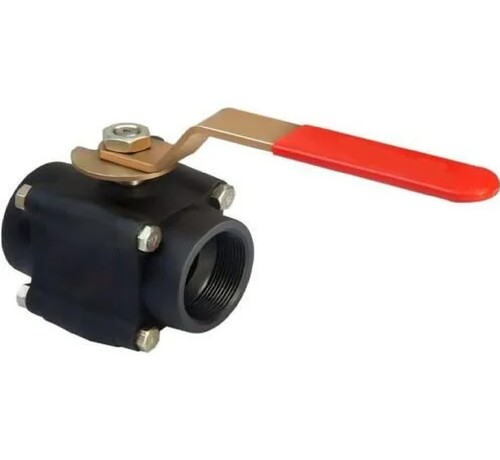
Forged Steel Valve Ball
Price 2000.0 INR / Piece
Minimum Order Quantity : 1 Piece
Application : Industrial, Petrochemical, Power Plants
Finish : Anticorrosive Coating
Structure : Other, Floating Ball
Material : Other, Forged Steel
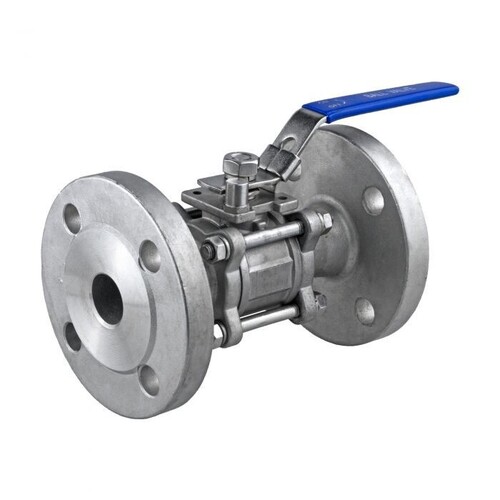
Industrial 3 Piece Ball Valves
Price 600.0 INR / Piece
Minimum Order Quantity : 1 Piece
Application : Industrial, Chemical, Water Treatment, Petrochemical, Oil & Gas
Finish : Polished, Matte
Structure : Other, 3 Piece
Material : Other, Stainless Steel, Carbon Steel, Alloy Steel
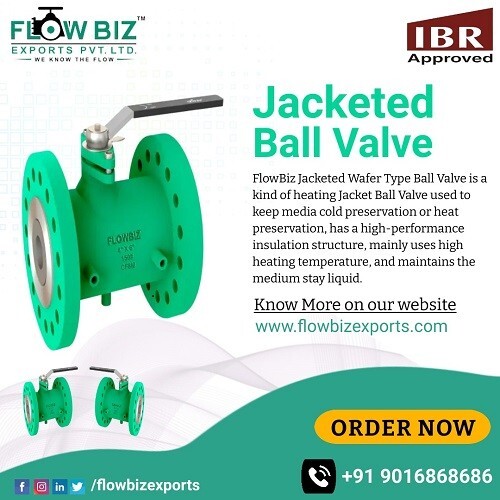
Industrial Jacketed Ball Valve Manufacturer in Surat
Price 800.0 INR / Unit
Minimum Order Quantity : 1 Unit
Application : Chemical, Pharmaceutical, Petrochemical, Food, Oil & Gas Industries
Finish : Polished / PTFE Coated
Structure : Other, Jacketed Ball Valve
Material : Other, Stainless Steel, Carbon Steel, Alloy Steel
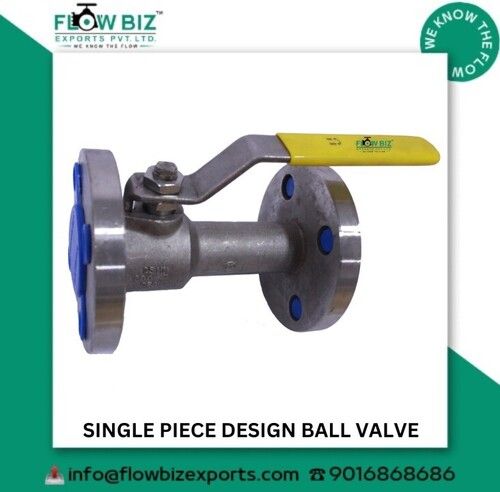
Single Piece Ball Valve Manufacturer in Jamnagar
Price 700 INR / Unit
Minimum Order Quantity : 1 Number
Application : Industrial
Finish : Polished
Structure : Ball
Material : Stainless Steel

 Send Inquiry
Our Products
- Needle Valve
- Ball Valve
- Globe Valve
- Gate Valve
- Y Type Strainer
- Piston Valve
- Check Valve
- Sight Glass
- Butterfly Valve
- Swing Check Valve
- Damper Valve
- Basket Strainer
- Pressure Reducing Valve
- Double Block Bleed Valve
- Moisture Separator
- Forged Valve
- Diaphragm Valve
- Mini Ball Valve
- Forbes Marshall PRV
- T Type Strainer
- Plug Valve
- Blow Down Valve
- Air Valve
- Non Return Valve
- Safety Valve
- Steam Trap
- Gasket
- L&T Ball Valve
- L&T Butterfly Valve
- AUDCO Ball Valve
- SPIRAX Marshall PRV
- Solenoid Valve
- oxygen
- roto seal coupling
- straight union
- flow control
- ptfe sheets
- ptfe
- rubber products
- felt products
- Asbestos products
- Engineered plastics products
- rubber seals
- rubber gasket
- Sight Glasses
- Jacketed Valves
- flush bottom valve
- strainer
- Sluice Gate Valve
- Slab Gate Valve
- PTFE Lined Valve
- PTFE Lined Valves


416,417 4th Floor, A Block Safal 8, Ajit Mill, Cross Rd, Rakhial,Ahmedabad - 380023, Gujarat, India

Mr Shakir Ansari
(Director)
Mobile :08071793447
 Send Inquiry
 Send SMS
Developed and Managed by Infocom Network Private Limited.
