Call us now :08071793447
 Send Inquiry
 Send Inquiry
Metal Seated Ball Valve Manufacturer in Gandhidham
Price 2500 INR/ Unit
MOQ : 1 Number
Metal Seated Ball Valve Manufacturer in Gandhidham Specification
- Structure
- Trunnion Mounted / Floating
- Caliber
- Full Bore / Reduced Bore
- Channels
- Two Way / Three Way
- Pressure
- Class 150 to Class 2500
- Connection
- Flanged, Butt Weld, Socket Weld
- Material
- Metal (A105 / SS304 / SS316 / WCB)
- Power
- Manual / Pneumatic / Electric
- Media
- Water, Oil, Gas, Steam, Corrosive Media
- Temperature of Media
- -29C to 450C
- Port Size
- 25 mm to 300 mm
- Flange
- ANSI, DIN, JIS Standards
- Finish
- Polished / Painted
- Application
- Industrial, Chemical, Refineries, Petrochemical
- Operation Type
- Quarter Turn
- Body Coating
- Corrosion Resistant
- Working Life
- Long Cycle Life
- End Connection
- RF / RTJ / BW
- Seat Type
- Metal Seated
- Fire Safe Design
- Available
- Leakage Class
- Class V & VI
- Locking Device
- Optional
- Testing Standard
- API 598 / ISO 5208
- Design Standard
- API 6D / BS 5351
- Coating
- Epoxy / PTFE
- Anti-static Device
- Provided
About Metal Seated Ball Valve Manufacturer in Gandhidham
FlowBiz Metal Seated Ball Valve Manufacturers:
FlowBiz Valves is a High-Quality Metal Seated Ball Valve Manufacturer in Gandhidham, Gujarat, India. We are a top manufacturer of Valve.
FlowBiz Metal Seated Ball Valve:
When the operating temperature is generally above 250 deg C and 400 deg C, metal seated Ball Valves are selected, where the weak seats fail. The ball made of SS304 / SS316 is either coated with Nickel (by Electroless Nickel Plating), hard-faced with Stellite or protected with Chrome Carbide (HVOF), depending upon the operating temperature and pressure. The matching metal seats are also hard-faced, or HVOF coated. The metal seated ball valve line exceeds the harshest industrial conditions. Various hardening techniques are available:
Nickel plating.
Chromium plating.
Nitriding of austenitic stainless steel.
Plasma thermal arc (PTA) welding of the satellite.
High-velocity oxygen fuel (HVOF) spray technique of tungsten carbide or chromium carbide over cobalt base layer.
Superior Metal Seated Design
Our metal seated ball valves provide exceptional resistance to abrasive and corrosive environments. With seats made from high-grade metals such as A105, SS304, SS316, and WCB, these valves guarantee reliable sealing and optimal cycle life, especially suitable for severe service conditions including high temperatures and pressures found in industry.
Versatile Connection and Operation Options
Choose from various end connections such as RF, RTJ, and BW, with flange standards in ANSI, DIN, and JIS. Valves can be operated via manual handles, pneumatic actuators, or electric controls, ensuring seamless fitment for multiple plant designs and operational needs across two-way or three-way channel configurations.
Compliance and Safety Assurance
Every valve adheres to rigorous international specifications, including API 6D/BS 5351 for design and API 598/ISO 5208 for testing. Fire safe and anti-static provisions, optional locking devices, and corrosion resistant coatings reinforce the safety and integrity of valves, meeting the critical demands of refineries, chemical plants, and petrochemical installations.
FAQ's of Metal Seated Ball Valve Manufacturer in Gandhidham:
Q: How do metal seated ball valves differ from soft seated valves in industrial applications?
A: Metal seated ball valves offer enhanced durability and resistance to high temperatures and corrosive media compared to soft seated valves. Their robust metallic seats withstand abrasion, thermal cycling, and process fluids such as steam, oil, and corrosive chemicals, making them suitable for severe service environments.Q: What is the process for selecting the appropriate end connection for my application?
A: Selection depends on your piping system's requirements and standards. We offer flanged (RF/RTJ), butt weld (BW), and socket weld options in ANSI, DIN, and JIS standards. Consider pressure class, application type, and channel configuration to determine the ideal connection for effective installation and operation.Q: When should fire safe and anti-static design features be specified?
A: Fire safe and anti-static designs are vital for applications handling flammable or volatile media, such as oil, gas, and chemicals. These features, available in our valves, ensure compliance with safety regulations and provide protection against accidental ignition and electrostatic discharges.Q: Where are your metal seated ball valves commonly used or exported?
A: Our ball valves are extensively deployed and exported across industrial complexes, chemical plants, refineries, and petrochemical facilities in India and worldwide. Their corrosion resistance and reliable sealing suit a variety of international and domestic market needs.Q: What benefits does the corrosion resistant body coating offer for valve longevity?
A: Corrosion resistant coatings such as epoxy or PTFE safeguard the valve's body against harsh environments, mitigating damage from process chemicals and humidity. This prolongs the valve's service life and ensures consistent operational performance in aggressive industrial settings.Q: Which valve operation type is best suited for frequent process adjustments?
A: Quarter turn operated valves, including manual, pneumatic, and electric options, provide swift and precise control over flow, making them ideal for processes requiring regular adjustment or rapid shutdown in critical plant systems.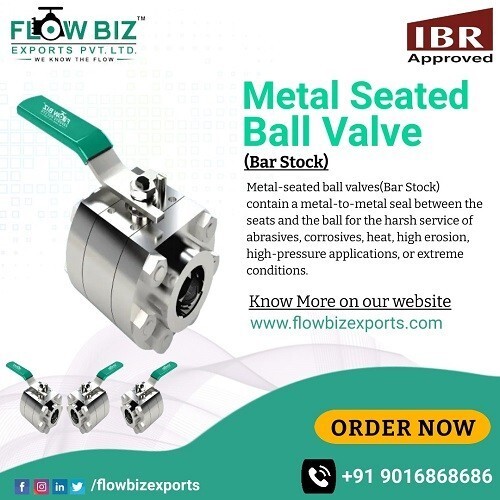
Tell us about your requirement

Price:
Quantity
Select Unit
- 50
- 100
- 200
- 250
- 500
- 1000+
Additional detail
Mobile number
Email

More Products in Ball Valve Category
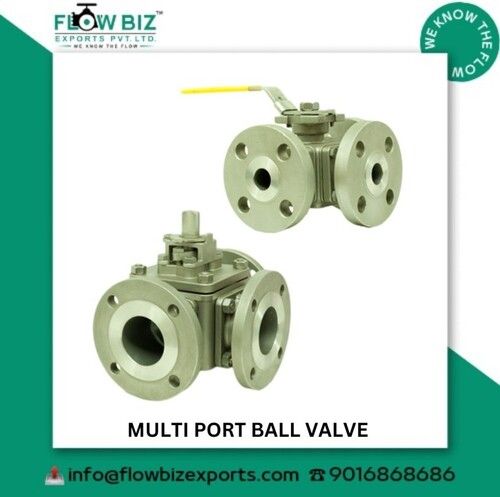
Multi Port Ball Valve Manufacturers in Surat
Price 2500 INR / Unit
Minimum Order Quantity : 1 Number
Material : Other, Stainless Steel, Cast Iron, Brass
Application : Industrial, Chemical, Petrochemical, Water Treatment
Media : Other, Water, Oil, Gas
Finish : Polished / Matt

Wafer Type Ball Valve Manufacturer in Vadodara
Price 4000 INR / Unit
Minimum Order Quantity : 1 Number
Material : Other, Stainless Steel / Carbon Steel / Cast Iron
Application : Industrial, Water Treatment, Chemical Processing, Oil & Gas
Media : Other, Water, Oil, Gas, Chemical
Finish : Epoxy Coated / Painted / Mirror Finish
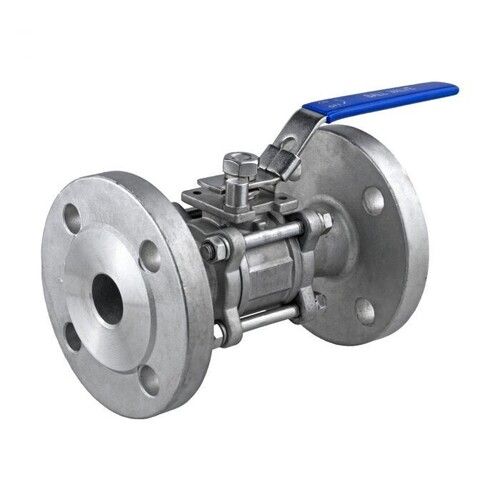
3 Piece Ball Valve Manufacturer in Vadodara
Price 600 INR / Unit
Minimum Order Quantity : 1 Number
Material : Other, Stainless Steel, Carbon Steel, Alloy Steel
Application : Industrial, Chemical, Water Treatment, Petrochemical, Oil & Gas
Media : Other, Water, Oil, Gas, Steam, Chemicals
Finish : Polished, Matte
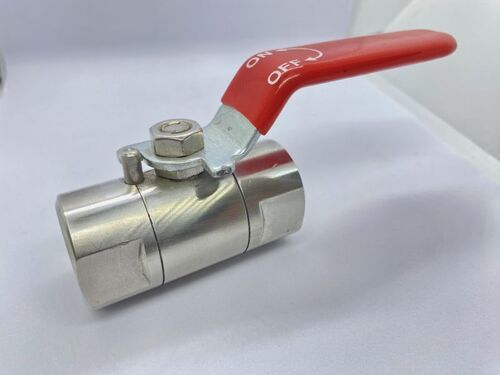
Bar Stock Ball Valves Manufacturer in Jamnagar
Price 600 INR / Unit
Minimum Order Quantity : 1 Number
Material : Stainless Steel
Application : Industrial

 Send Inquiry
Our Products
- Needle Valve
- Ball Valve
- Globe Valve
- Gate Valve
- Y Type Strainer
- Piston Valve
- Check Valve
- Sight Glass
- Butterfly Valve
- Swing Check Valve
- Damper Valve
- Basket Strainer
- Pressure Reducing Valve
- Double Block Bleed Valve
- Moisture Separator
- Forged Valve
- Diaphragm Valve
- Mini Ball Valve
- Forbes Marshall PRV
- T Type Strainer
- Plug Valve
- Blow Down Valve
- Air Valve
- Non Return Valve
- Safety Valve
- Steam Trap
- Gasket
- L&T Ball Valve
- L&T Butterfly Valve
- AUDCO Ball Valve
- SPIRAX Marshall PRV
- Solenoid Valve
- oxygen
- roto seal coupling
- straight union
- flow control
- ptfe sheets
- ptfe
- rubber products
- felt products
- Asbestos products
- Engineered plastics products
- rubber seals
- rubber gasket
- Sight Glasses
- Jacketed Valves
- flush bottom valve
- strainer
- Sluice Gate Valve
- Slab Gate Valve
- PTFE Lined Valve
- PTFE Lined Valves


416,417 4th Floor, A Block Safal 8, Ajit Mill, Cross Rd, Rakhial,Ahmedabad - 380023, Gujarat, India

Mr Shakir Ansari
(Director)
Mobile :08071793447
 Send Inquiry
 Send SMS
 Call Me Free
Developed and Managed by Infocom Network Private Limited.
