Call us now :08071793447
 Send Inquiry
 Send Inquiry
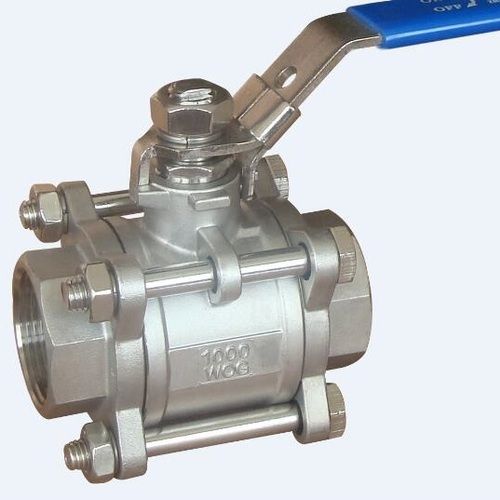
Ball Valve Manufacturer in Porbandar
Price 4000 INR/ Unit
MOQ : 1 Number
Ball Valve Manufacturer in Porbandar Specification
- Caliber
- High Precision
- Channels
- Two-way, Three-way
- Structure
- Two Piece, Three Piece, Single Piece
- Connection
- Flanged, Screwed, Socket Weld, Threaded
- Pressure
- PN16, PN25, PN40, Class 150, Class 300
- Material
- Stainless Steel, Brass, Cast Iron, Carbon Steel
- Power
- Manual, Pneumatic, Electric
- Media
- Water, Oil, Gas, Air, Steam
- Temperature of Media
- -20C to +200C
- Port Size
- 1/2 inch to 12 inch
- Flange
- ANSI, DIN, JIS standards
- Finish
- Polished, Coated
- Application
- Industrial, Water Treatment, Chemical, Petrochemical, Oil & Gas
- Fire Safe Design
- Available as per API 607
- Surface Protection
- Epoxy Coated, Galvanized, Anti-corrosive finish
- Maintenance
- Low, Easy Maintenance
- Testing Standard
- API 598, BS 6755
- Body Type
- Full Bore, Reduced Bore
- Design Standard
- ASME B16.34, API 6D
- Life Cycle
- Up to 100,000 cycles
- End Connection
- Butt Weld, Socket Weld, Threaded, Flange End
- Leakage Class
- Zero Leakage, Bubble Tight
- Handle Type
- Lever, Gear, Pneumatic Actuator
- Operation
- Quarter Turn
- Seat Type
- PTFE, Metal Seated
About Ball Valve Manufacturer in Porbandar
Ball valve materials
The most common housing materials are brass, PVC (PolyVinyl Chloride), and stainless steel. The ball is usually made of chrome-plated steel, chrome-plated brass, PVC, or stainless steel. The seats are often made of Teflon but could also be made of other synthetic materials or metals.
Ball valve advantages
Leak-proof service
Fast response time
Rugged construction and long service life
Low maintenance and compact design
Cost-effective
We are a Manufacturer, Supplier, and Exporter of Ball Valve in Porbandar, Rajkot, Ahmedabad, Vapi, Valsad, Surat, Gandhidham, Kutch, Ankleshwer, Bharuch, Mumbai, Nashik, Pune, Thane, Aurangabad, Satara, Sangli, Nagpur, Kolhapur, Indore, Dewas, Bhopal, Chennai, Coimbatore, Selam and all over India.
Wide Compatibility and Versatility
Our ball valves are adaptable to a wide array of applications, supporting media such as water, oil, gas, air, and steam. With temperature tolerance from -20C to +200C, these valves ensure reliable performance across industrial, chemical, and oil & gas sectors. Available from 1/2 inch to 12 inch port sizes and with multiple end connections, our valves meet varying installation needs.
Compliance and Quality Assurance
Each valve is rigorously tested to international standards, including API 598 and BS 6755, guaranteeing zero leakage and stringent quality control. The design adheres to ASME B16.34, API 6D, and optional fire-safe features as per API 607, instilling confidence in both safety and regulatory compliance for demanding environments.
User-Friendly Operation and Maintenance
Offered with lever, gear, and pneumatic actuator handles, our ball valves provide smooth manual, pneumatic, or electric operation. The low maintenance design, alongside easy access for servicing, minimizes downtime. Robust surface protection via epoxy coating, galvanization, or anti-corrosive finishes extends operational life even in harsh conditions.
FAQ's of Ball Valve Manufacturer in Porbandar:
Q: How do your ball valves ensure zero leakage and bubble-tight sealing?
A: Our ball valves achieve zero leakage and bubble-tight sealing by precisely machining the seat surfaces from high-quality PTFE or metal materials and testing each valve as per API 598 and BS 6755 standards. Rigorous quality checks guarantee that no media escapes, making them ideal for critical industrial processes.Q: What materials and surface protections are available for your ball valves?
A: We manufacture valves in stainless steel, brass, cast iron, and carbon steel, offering polished, epoxy-coated, galvanized, and anti-corrosive finishes. These choices enhance durability, providing resistance against corrosion and wear in aggressive fluid environments.Q: Where are these ball valves typically used?
A: Our ball valves are utilized across a broad spectrum of industries, including water treatment, chemical manufacturing, petrochemical plants, and the oil & gas sector. Their robust construction and compatibility with various media enable use in industrial, commercial, and utility applications.Q: What is the expected life cycle and maintenance process for these valves?
A: Designed for longevity, our ball valves offer up to 100,000 operational cycles with low and straightforward maintenance. Easy disassembly structures such as two-piece and three-piece designs facilitate swift replacement of seats or seals, reducing downtime and servicing costs.Q: How can I choose the right end connection and port size for my application?
A: You can select from butt weld, socket weld, threaded, or flanged end connections in ANSI, DIN, or JIS standards, depending on your piping system. Port sizes range from 1/2 inch to 12 inch, and our technical team is available to recommend the ideal fit based on your process requirements.Q: What power and handle options are offered for valve operation?
A: We provide manual lever and gear handles, as well as pneumatic and electric actuator options. This allows users to choose the optimal control type for operational safety, convenience, and automation levels within their process.Q: When should fire-safe ball valves be specified?
A: A fire-safe design, certified to API 607, should be selected when operating in hazardous environments where fire exposure is a risk. This design ensures continued containment and minimizes leakage of flammable fluids during fire events, enhancing safety.
Tell us about your requirement

Price:
Quantity
Select Unit
- 50
- 100
- 200
- 250
- 500
- 1000+
Additional detail
Mobile number
Email

More Products in Ball Valve Category
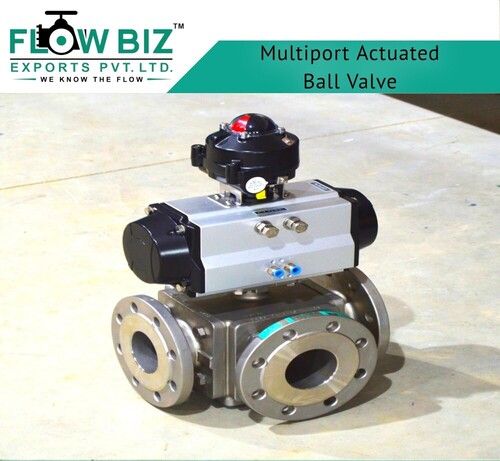
Multi Port Ball Valve Manufacturers in Vadodara
Price 800 INR / Number
Minimum Order Quantity : 1 Number
Application : Industrial, Chemical, Petrochemical, Water Treatment, HVAC, Process Plants
Material : Other, Stainless Steel / Carbon Steel / Cast Iron / Brass
Media : Other, Water, Oil, Gas, Chemical, Air
Finish : Polished / Powder Coated
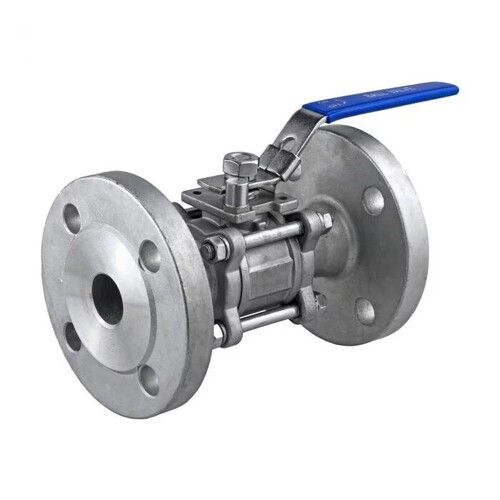
Three Piece Ball Valves Manufacturer in Gandhidham
Price 2000 INR / Unit
Minimum Order Quantity : 1 Number
Application : Industrial, Chemical, Oil & Gas, Water Treatment
Material : Other, Stainless Steel, Carbon Steel, Alloy Steel
Media : Other, Water, Oil, Gas, Chemicals
Finish : Polished
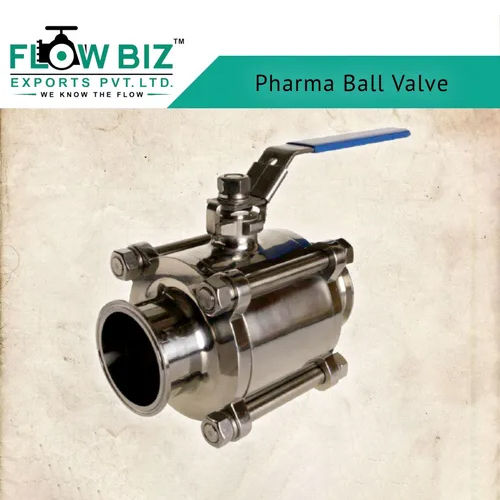
Pharma Ball Valve
Price 1000 INR / Unit
Minimum Order Quantity : 1 Unit
Application : Industrial
Material : Stainless Steel
Media : Water
Finish : Polished
Three Piece Ball Valve Manufacturers in Kheda
Price 1000 INR / Unit
Minimum Order Quantity : 1 Number
Application : Industrial
Material : Stainless Steel
Finish : Polished

 Send Inquiry
Our Products
- Needle Valve
- Ball Valve
- Globe Valve
- Gate Valve
- Y Type Strainer
- Piston Valve
- Check Valve
- Sight Glass
- Butterfly Valve
- Swing Check Valve
- Damper Valve
- Basket Strainer
- Pressure Reducing Valve
- Double Block Bleed Valve
- Moisture Separator
- Forged Valve
- Diaphragm Valve
- Mini Ball Valve
- Forbes Marshall PRV
- T Type Strainer
- Plug Valve
- Blow Down Valve
- Air Valve
- Non Return Valve
- Safety Valve
- Steam Trap
- Gasket
- L&T Ball Valve
- L&T Butterfly Valve
- AUDCO Ball Valve
- SPIRAX Marshall PRV
- Solenoid Valve
- oxygen
- roto seal coupling
- straight union
- flow control
- ptfe sheets
- ptfe
- rubber products
- felt products
- Asbestos products
- Engineered plastics products
- rubber seals
- rubber gasket
- Sight Glasses
- Jacketed Valves
- flush bottom valve
- strainer
- Sluice Gate Valve
- Slab Gate Valve
- PTFE Lined Valve
- PTFE Lined Valves


416,417 4th Floor, A Block Safal 8, Ajit Mill, Cross Rd, Rakhial,Ahmedabad - 380023, Gujarat, India

Mr Shakir Ansari
(Director)
Mobile :08071793447
 Send Inquiry
 Send SMS
 Call Me Free
Developed and Managed by Infocom Network Private Limited.
