
Call us now :08071793447
 Send Inquiry
 Send Inquiry
Ball Valve Manufacturer in India
Price 2400 INR/ Unit
MOQ : 1 Number
Ball Valve Manufacturer in India Specification
- Connection
- Flanged, Screwed, Socket Weld
- Structure
- Two Piece, Three Piece
- Caliber
- Standard
- Pressure
- PN16, PN25, PN40
- Channels
- Single
- Material
- Stainless Steel
- Power
- Manual
- Media
- Water, Gas, Oil
- Temperature of Media
- Normal Temperature
- Port Size
- 1/2 Inch to 12 Inch
- Flange
- ANSI, DIN, JIS Standard
- Finish
- Polished
- Application
- Industrial, Chemical, Oil & Gas, Water
- Fire Safe Design
- Optional
- Anti-Static Device
- Optional
- Blowout Proof Stem
- Yes
- Mounting Pad
- ISO 5211
- Operation
- Quarter Turn
- Body Material Grade
- SS304/SS316
- Operation Torque
- Low
- Leakage Class
- Class VI
- Seat Material
- PTFE
- Stem Type
- Blowout Proof
- Handle Material
- Stainless Steel/Coated Steel
- End Connection Type
- Buttweld, Threaded, Socket Weld, Flanged
About Ball Valve Manufacturer in India
Flowbizball valve is operated using a rotary ball having a bore to control and shut off the flow of liquid or gas. The medium flowing through the pipe can flow or block by rotating the ball a quarter-turn, that is, at 90 degrees. Our Ball valves provide a long service life and reliable sealing.
FlowbizBall valvesare designed with special measures permitting only a 90-degree rotation to open and close the ball valves. Our valves are a notable industrial choice because of their reliable and air-tight sealing.
Our ball valve works efficiently even after not being used for a long time; this characteristic makes it widely used and a popular shut-off valve to control and block the flow in the pipeline. Moreover, ball valves are more resistant to contaminated media than most other valves.
Premium Grade Materials for Ultimate Durability
These ball valves are fabricated from SS304 and SS316 stainless steel, renowned for resilience and corrosion resistance. The PTFE seat material guarantees chemical inertness and minimizes maintenance, making them highly suitable for demanding environments. Each valve undergoes a polished finishing process, ensuring excellent longevity and aesthetic appeal.
Flexible Connection Options for Simplified Installation
Offering a wide range of end connection types-flanged, threaded, socket weld, and buttweld-these valves are compatible with ANSI, DIN, and JIS standards. The versatile connection options make installation straightforward for various piping systems in industrial, chemical, oil & gas, and water applications.
Designed for Safety and Reliability
Equipped with a blowout-proof stem and optional fire-safe design, these ball valves promote operational safety. Their anti-static device further mitigates risk during use, while Class VI leakage rating ensures high-performance sealing. Manual operation with low torque guarantees smooth usage and dependable response.
FAQ's of Ball Valve Manufacturer in India:
Q: How does the quarter-turn operation work in these ball valves?
A: The quarter-turn mechanism enables the valve to open or close quickly and efficiently with a simple 90-degree rotation of the handle, ensuring swift control over the flow of water, gas, or oil in industrial settings.Q: What materials are used for the body and seat of the ball valve, and what benefits do they offer?
A: The valve body is constructed from SS304/SS316 stainless steel, offering excellent corrosion resistance and durability. The seat is made of PTFE, which provides a tight seal, chemical inertness, and reliable performance across a range of media.Q: When should I choose the fire-safe design option for these valves?
A: The fire-safe design is recommended for applications where there is a risk of exposure to high temperatures or potential fire hazards, such as in oil & gas or chemical industries, to minimize leakage and maintain valve integrity under extreme conditions.Q: Where can these ball valves be installed, and which industries benefit most from their use?
A: These valves are suitable for installation in pipelines across industrial, chemical, oil & gas, and water supply sectors. Their robust design and flexible connection types make them ideal for both new and retrofit projects in these industries.Q: What is the process for mounting these valves and which standards are followed?
A: Mounting is made convenient with the ISO 5211 mounting pad, allowing for standardized actuator installation. The valves support flanged, socket weld, threaded, and buttweld connections adhering to ANSI, DIN, and JIS standards for seamless integration.Q: How does the blowout-proof stem enhance safety and reliability?
A: A blowout-proof stem design prevents the stem from being ejected due to internal pressure, significantly improving safety during operation and maintenance. This ensures reliable performance under varying pressure conditions.Q: What are the main advantages of using these ball valves for manual flow control?
A: Key benefits include low operation torque, smooth manual handling, exceptional leak-tightness (Class VI), versatile connection options, and enduring material quality. These features collectively deliver reliable, efficient, and easy-to-maintain flow control for industrial processes.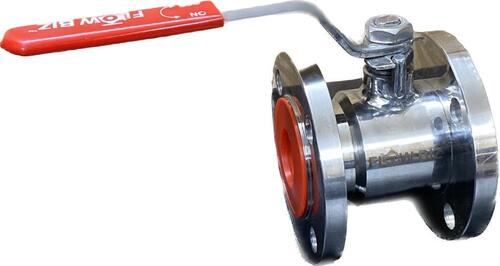
Tell us about your requirement

Price:
Quantity
Select Unit
- 50
- 100
- 200
- 250
- 500
- 1000+
Additional detail
Mobile number
Email

More Products in Ball Valve Category
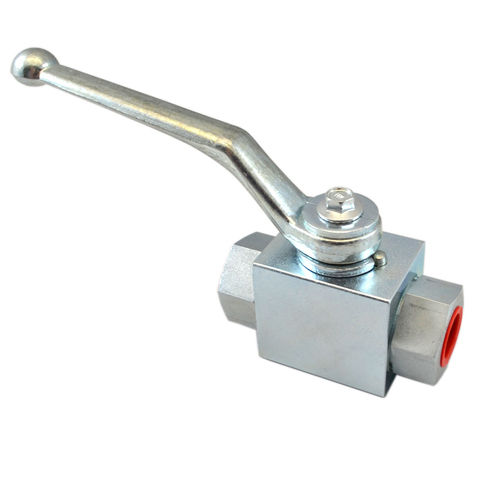
High Pressure Ball Valve Manufacturer in Jamnagar
Price 800 INR / Unit
Minimum Order Quantity : 1 Number
Application : Industrial
Media : Other, Water, Oil, Gas
Material : Stainless Steel
Finish : Polished / Silver
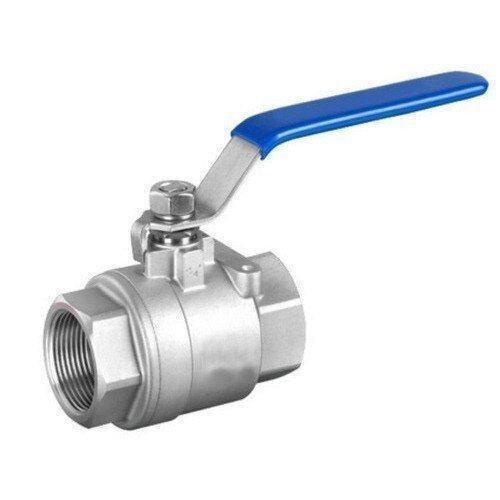
3 Way High Pressure Ball Valve Manufacturer in Surat
Price 4000 INR / Unit
Minimum Order Quantity : 1 Number
Application : Industrial, Chemical, Petrochemical Plants
Media : Other, Water, Oil, Gas
Material : Stainless Steel
Finish : Polished
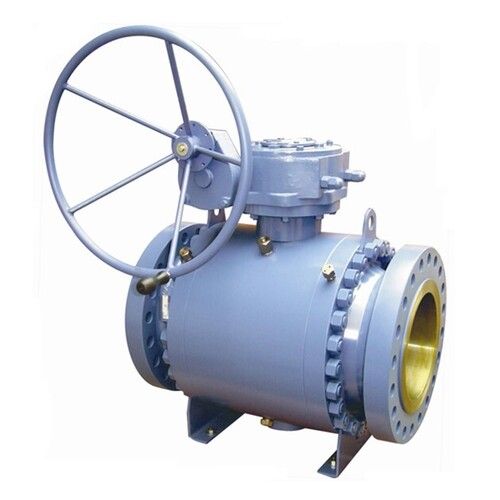
Trunnion Mounted Ball Valve Manufacturer in Vapi
Price 4600 INR / Unit
Minimum Order Quantity : 1 Number
Application : Petrochemical, Oil and Gas, Power Plant, Chemical Industry, Water Treatment
Media : Other, Water, Oil, Gas, Chemical
Material : Other, Carbon Steel, Stainless Steel, Alloy Steel, Duplex, Super Duplex
Finish : Anticorrosive Coated, Painted, Polished
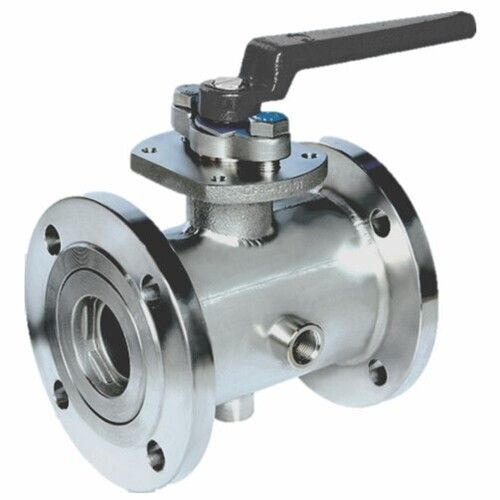
Jacketed Ball Valve Manufacturer in Mumbai
Price 1500 INR / Unit
Minimum Order Quantity : 1 Number
Application : Industries: Chemical, Pharma, Petrochemical, Food & Beverage
Media : Other, Water, Oil, Gas, Steam, Chemicals
Material : Other, Stainless Steel, Carbon Steel, Alloy Steel
Finish : Polished, Painted, Powder Coated

 Send Inquiry
Our Products
- Needle Valve
- Ball Valve
- Globe Valve
- Gate Valve
- Y Type Strainer
- Piston Valve
- Check Valve
- Sight Glass
- Butterfly Valve
- Swing Check Valve
- Damper Valve
- Basket Strainer
- Pressure Reducing Valve
- Double Block Bleed Valve
- Moisture Separator
- Forged Valve
- Diaphragm Valve
- Mini Ball Valve
- Forbes Marshall PRV
- T Type Strainer
- Plug Valve
- Blow Down Valve
- Air Valve
- Non Return Valve
- Safety Valve
- Steam Trap
- Gasket
- L&T Ball Valve
- L&T Butterfly Valve
- AUDCO Ball Valve
- SPIRAX Marshall PRV
- Solenoid Valve
- oxygen
- roto seal coupling
- straight union
- flow control
- ptfe sheets
- ptfe
- rubber products
- felt products
- Asbestos products
- Engineered plastics products
- rubber seals
- rubber gasket
- Sight Glasses
- Jacketed Valves
- flush bottom valve
- strainer
- Sluice Gate Valve
- Slab Gate Valve
- PTFE Lined Valve
- PTFE Lined Valves


416,417 4th Floor, A Block Safal 8, Ajit Mill, Cross Rd, Rakhial,Ahmedabad - 380023, Gujarat, India

Mr Shakir Ansari
(Director)
Mobile :08071793447
 Send Inquiry
 Send SMS
Developed and Managed by Infocom Network Private Limited.
