
Call us now :08071793447
 Send Inquiry
 Send Inquiry
Angle Seated Valve With Plastic Actuator Operated (NC/NO/ Double Acting
Price 15000 INR/ Number
MOQ : 1 Unit
Angle Seated Valve With Plastic Actuator Operated (NC/NO/ Double Acting Specification
- Control System
- NC/NO/Double Acting
- Valve Type
- Angle Seated Valve
- Material
- Stainless Steel Body Plastic Actuator
- Valve Size
- Varies by model (DN15-DN50)
- Connection Type
- Threaded
- Features
- Compact design corrosion-resistant actuator easy maintenance
- Application
- General Industrial Applications Fluid Control
- Structure
- Angle seated structure
- Sealing
- PTFE or EPDM sealing options available
- Voltage
- N/A (Pneumatic Actuation)
- Type
- Actuated Valve
- Power
- Pneumatic
- Pressure
- Max Working Pressure up to 16 bar
- Media
- Liquids Gases Steam
- Port Size
- Various sizes available details as per specification
- Temperature
- Operational range: -10C to 180C
- Disc
- Stainless Steel
- Pin
- Standard pin design for actuator connection
About Angle Seated Valve With Plastic Actuator Operated (NC/NO/ Double Acting
Specifications
Port : Refer below technical data sheet (Available BSP / NPT)
End Connection : Screwed / Flange / Tri-Clamp
Body & Sleeve Material : SS ASTM A351 Grade CF8 / CF8M / CF3M
Seal : TEFLON / PEEK / VITON
Shaft : SS304 / SS316
Circumstance Temp : -10C to 70C
Media Temp : -10C to 180C
Actuator Type
Cover : Nylon Glass-Filled (Corrosion resistive) with SS Liner
Seal : NBR / VITON
Working Pressure : Refer Below Pressure Chart Table
Life : Three Million Cycle Tested
Other Technical Data : Available on Request
Robust Construction for Varied Media
Designed to withstand harsh industrial environments, the Angle Seated Valve features a stainless steel body that resists wear and corrosion. Its plastic actuator ensures lightweight operation while maintaining performance, making it ideal for handling liquids, gases, or steam. PTFE and EPDM sealing options enhance chemical compatibility, providing reliable shut-off and operational safety.
Versatile Control and Easy Maintenance
With NC, NO, and Double Acting control systems, this valve adapts seamlessly to a wide range of automation needs. The actuator's compact design allows for installations where space is limited, and the straightforward pin connection supports hassle-free actuator attachment. Maintenance is simplified thanks to accessible components and robust materials, reducing downtime.
FAQ's of Angle Seated Valve With Plastic Actuator Operated (NC/NO/ Double Acting:
Q: How does the angle seated valve with a plastic actuator operate in industrial fluid control systems?
A: The angle seated valve is pneumatically actuated, which means air pressure moves the actuator, controlling the opening and closing of the valve. Depending on your system design, it can function as normally closed, normally open, or double acting for precise fluid, gas, or steam regulation.Q: What are the main benefits of using a plastic actuator and stainless steel body combination?
A: This combination provides corrosion resistance, making the valve suitable for a range of media, including aggressive chemicals. The plastic actuator reduces overall weight, while the stainless steel body ensures longevity and robust performance under demanding conditions.Q: When should I choose NC, NO, or double acting control systems for this valve?
A: Select 'normally closed' (NC) when you need the valve shut when not actuated, 'normally open' (NO) for flow when not actuated, and double acting when you require both opening and closing to be controlled by pneumatic input, offering versatility for automated processes.Q: Where can these angle seated valves be installed in an industrial setting?
A: These valves are ideal for installation in fluid control lines within factories, processing plants, or any system handling liquids, steam, or gases. Their compact design allows them to fit in tight spaces, and threaded connections simplify integration into existing pipelines.Q: What is the process for maintaining this valve, and how easy is it to service?
A: The valve is designed for straightforward maintenance, featuring easy access to internal parts and a standard pin design for actuator connection. Regular inspection and cleaning of the sealing areas and actuator are recommended for optimal performance and longevity.Q: How does the temperature and pressure rating impact valve performance and selection?
A: The valve operates efficiently between -10C to 180C and handles pressures up to 16 bar. These ratings ensure it can be used in a wide variety of industrial applications, from high-pressure steam lines to chilled water systems, without compromising safety or durability.Q: What sealing materials are available and how do they affect media compatibility?
A: You can choose between PTFE or EPDM seals, each offering different chemical resistances. PTFE is ideal for aggressive chemicals and high temperatures, while EPDM is better suited to water, steam, and certain chemicals, allowing you to match the seal to your application's needs.
Tell us about your requirement

Price:
Quantity
Select Unit
- 50
- 100
- 200
- 250
- 500
- 1000+
Additional detail
Mobile number
Email

More Products in Solenoid Valve Category
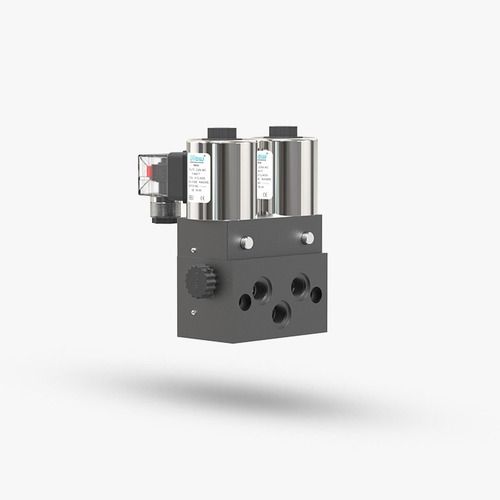
5/2 Double Solenoid Directional Control Poppet Valve (Bistable)
Price 3000 INR / Number
Minimum Order Quantity : 1 Unit
Pin : 5pin terminal
Connection Type : Threaded (BSP/NPT)
Features : Fast response, low wear, high seal reliability, compact design
Voltage : 24V DC / 110V AC / 220V AC (options available)
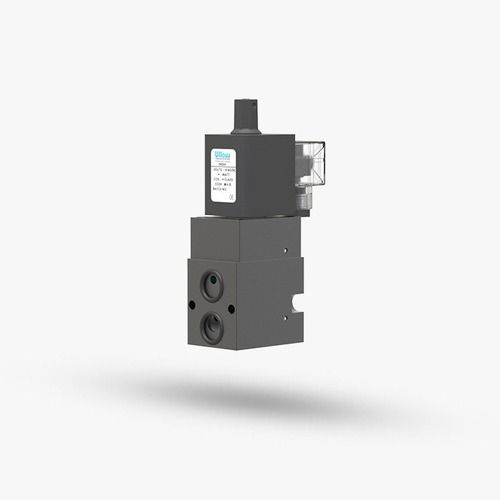
3/2 Single Solenoid Namur Poppet Valve (Normally Close)
Price 1000 INR / Number
Minimum Order Quantity : 1 Unit
Pin : 2 Pin connection
Connection Type : Namur direct mounting
Features : High flow rate, Long life, Compact design, Manual override
Voltage : 24V DC, 110V AC, 230V AC (options available)
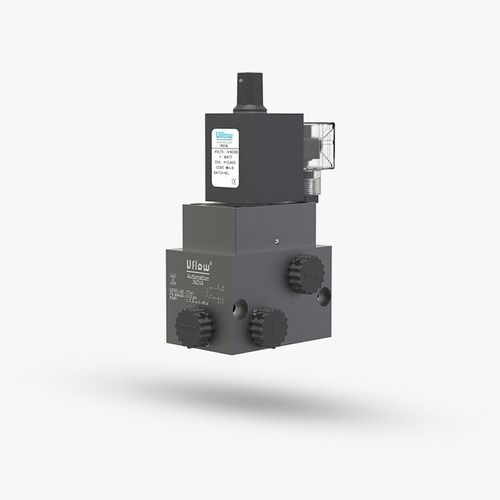
5/2 Single Solenoid Directional Control Poppet Valve(Monostable)
Price 3200 INR / Number
Minimum Order Quantity : 1 Unit
Pin : 5/2 way (5 ports, 2 positions)
Connection Type : Threaded, BSP/NPT
Features : Fast response, long service life, low leakage, high reliability
Voltage : 24V DC, 110V AC, 220V AC (as per coil option)
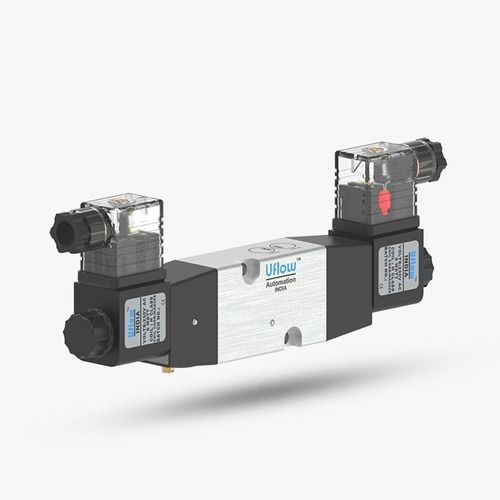
3 2 5 2 Doble Solenoid Namur Valve
Price 10000 INR / Number
Minimum Order Quantity : 1 Unit
Pin : 5pin connection
Connection Type : Namur Interface
Features : Double solenoid operation
Voltage : 24V DC

 Send Inquiry
Our Products
- Needle Valve
- Ball Valve
- Globe Valve
- Gate Valve
- Y Type Strainer
- Piston Valve
- Check Valve
- Sight Glass
- Butterfly Valve
- Swing Check Valve
- Damper Valve
- Basket Strainer
- Pressure Reducing Valve
- Double Block Bleed Valve
- Moisture Separator
- Forged Valve
- Diaphragm Valve
- Mini Ball Valve
- Forbes Marshall PRV
- T Type Strainer
- Plug Valve
- Blow Down Valve
- Air Valve
- Non Return Valve
- Safety Valve
- Steam Trap
- Gasket
- L&T Ball Valve
- L&T Butterfly Valve
- AUDCO Ball Valve
- SPIRAX Marshall PRV
- Solenoid Valve
- oxygen
- roto seal coupling
- straight union
- flow control
- ptfe sheets
- ptfe
- rubber products
- felt products
- Asbestos products
- Engineered plastics products
- rubber seals
- rubber gasket
- Sight Glasses
- Jacketed Valves
- flush bottom valve
- strainer
- Sluice Gate Valve
- Slab Gate Valve
- PTFE Lined Valve
- PTFE Lined Valves


416,417 4th Floor, A Block Safal 8, Ajit Mill, Cross Rd, Rakhial,Ahmedabad - 380023, Gujarat, India

Mr Shakir Ansari
(Director)
Mobile :08071793447
 Send Inquiry
 Send SMS
 Call Me Free
Developed and Managed by Infocom Network Private Limited.
