
Call us now :08071793447
 Send Inquiry
 Send Inquiry
Angle Seat Valve With Steel Actuator Operator NC-NO
Price 9000 INR/ Number
MOQ : 1 Unit
Angle Seat Valve With Steel Actuator Operator NC-NO Specification
- Connection Type
- Threaded
- Material
- Stainless steel
- Control System
- Pneumatic actuator
- Valve Size
- DN25
- Features
- Normally closed (NC) / Normally open (NO) corrosion-resistant
- Valve Type
- Pneumatic angle seat valve
- Structure
- Angle seat valve with robust actuator
- Application
- Industrial fluid control
- Voltage
- N/A (Pneumatic actuation requires compressed air)
- Sealing
- EPDM or PTFE
- Type
- Angle seat valve
- Power
- Pneumatic pressure powered
- Pressure
- Max 10 bar
- Media
- Water air gases steam
- Port Size
- 1 inch
- Temperature
- Up to 180C
- Disc
- Stainless steel
- Pin
- High-durability steel pin
About Angle Seat Valve With Steel Actuator Operator NC-NO
Specifications
Port : Refer below technical data sheet (Available BSP / NPT)
End Connection : Screwed / Flange / Tri-Clamp
Body Material : SS ASTM A351 Grade CF8 / CF8M / CF3M
Seal : TEFLON / VITON
Circumstance Temp : -10C to 70C
Media Temp : -10C to 180C
Media : Steam, Air, Water, Chemical, Gases, Oil, Diesel, Hot Water
Actuator Type
Cover : SS304
Plate : Aluminium Die-Cast
Working Pressure : 3.5 to 7 bar air (Not Recommended actuator for
pneumatic pressure above 7 bar)
Seal Material : NBR / VITON
Life : More than ten million cycle
Other Technical Data : Available on Request
Exceptional Durability and Reliability
This angle seat valve is crafted from high-grade stainless steel with a robust steel actuator and high-durability pin, ensuring long-lasting performance. Its corrosion-resistant structure and quality sealing materials (EPDM or PTFE) make it suitable for harsh industrial environments. Designed for frequent operation, it meets the challenging needs of fluid control industries.
Efficient Pneumatic Control
The valve operates using a pneumatic actuator, requiring no electrical voltage and instead relying on compressed air for power. This enables rapid, precise, and safe fluid regulation. With both NC (normally closed) and NO (normally open) options, it adapts easily to various control systems, making automation and system integration straightforward and efficient.
Versatile Application Range
Capable of handling water, air, gases, and steam up to 180C and 10 bar, this valve is engineered for diverse industrial uses. Its threaded connection and DN25/1-inch port size facilitate easy installation and maintenance. From process industries to utilities, it supports a wide spectrum of pneumatic fluid control applications.
FAQ's of Angle Seat Valve With Steel Actuator Operator NC-NO:
Q: How does the angle seat valve with a steel actuator operate?
A: This valve operates pneumatically, using compressed air to actuate the internal mechanism either into a normally closed (NC) or normally open (NO) position. The actuator moves the stainless steel disc to control fluid flow swiftly and efficiently.Q: What types of sealing materials are available for this valve?
A: The valve offers EPDM and PTFE as sealing options. EPDM is ideal for water and non-aggressive fluids, while PTFE provides excellent chemical resistance for gases and steam, enhancing compatibility with various media.Q: When should I use a normally closed (NC) versus a normally open (NO) configuration?
A: Choose NC (normally closed) when you want the valve to remain shut in the unpowered state, ideal for safety and leak prevention. Select NO (normally open) for systems where default flow is required and closure occurs only when actuated.Q: Where is this angle seat valve typically installed?
A: It is commonly used in industrial fluid control systems within factories, processing plants, and utilities for controlling water, air, gases, or steam. Its threaded connection and DN25 size make it suitable for standard pipeline installations.Q: What is the process for installing and maintaining this valve?
A: Installation involves threading the valve into the appropriate port and connecting it to a pneumatic actuator system. Regular maintenance requires periodic inspection of seals, actuator performance, and cleaning to ensure optimal operation.Q: How does the use of stainless steel and a robust pin benefit my application?
A: Stainless steel construction and a high-durability steel pin provide exceptional strength, corrosion resistance, and longevity. This translates into reduced maintenance, fewer replacements, and reliable operation in tough environments.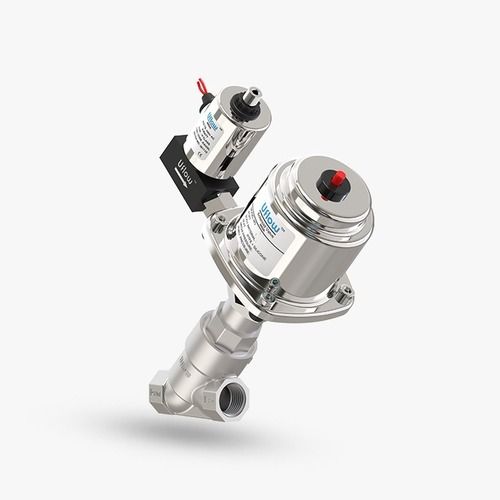
Tell us about your requirement

Price:
Quantity
Select Unit
- 50
- 100
- 200
- 250
- 500
- 1000+
Additional detail
Mobile number
Email

More Products in Solenoid Valve Category
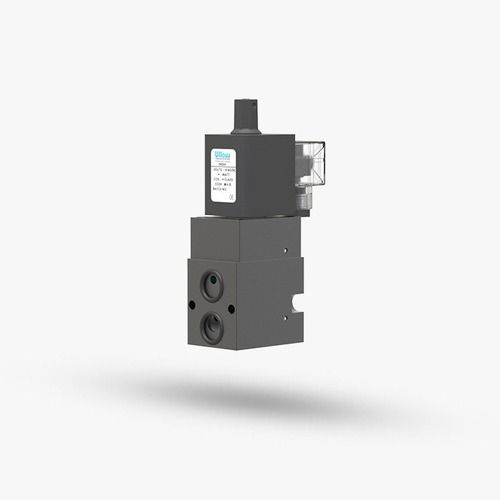
3/2 Single Solenoid Namur Poppet Valve (Normally Close)
Price 1000 INR / Number
Minimum Order Quantity : 1 Unit
Temperature : 10C to +60C
Features : High flow rate, Long life, Compact design, Manual override
Valve Type : Namur Poppet Valve
Sealing : Nitrile (NBR), optional Viton or EPDM
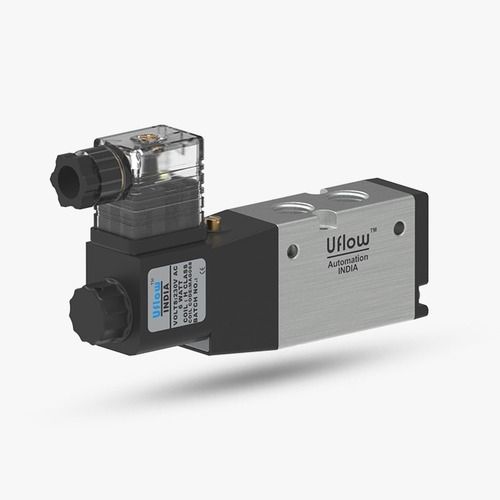
5/2 Single Solenoid Valve With Spring Return
Price 19000 INR / Number
Minimum Order Quantity : 1 Unit
Temperature : 10C to 60C
Features : 5/2 configuration reliable operation
Valve Type : Directional Control Valve
Sealing : Highquality sealing for leak prevention
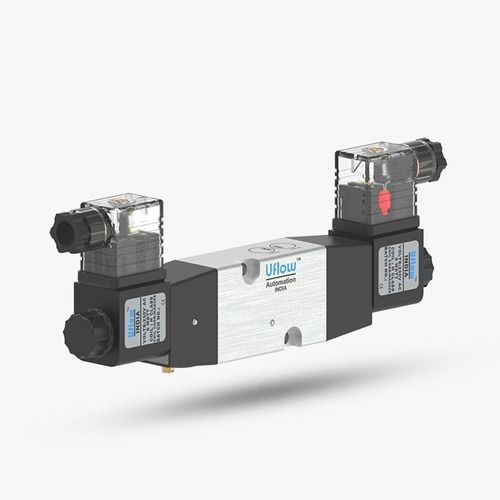
3 2 5 2 Doble Solenoid Namur Valve
Price 10000 INR / Number
Minimum Order Quantity : 1 Unit
Temperature : 10C to 50C
Features : Double solenoid operation
Valve Type : Directional Control Valve
Sealing : Rubber Seals
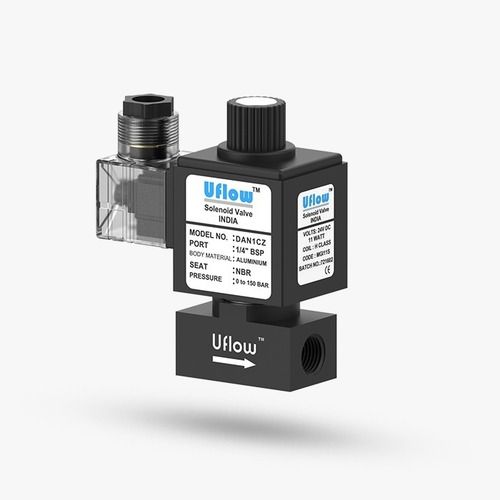
2/2 Way Direct Acting Valve (NC/NO)
Price 13500 INR / Number
Minimum Order Quantity : 1 Unit
Temperature : 20C to 80C
Features : Compact Design High Efficiency
Valve Type : Solenoid Valve
Sealing : NBR/EPDM/Viton

 Send Inquiry
Our Products
- Needle Valve
- Ball Valve
- Globe Valve
- Gate Valve
- Y Type Strainer
- Piston Valve
- Check Valve
- Sight Glass
- Butterfly Valve
- Swing Check Valve
- Damper Valve
- Basket Strainer
- Pressure Reducing Valve
- Double Block Bleed Valve
- Moisture Separator
- Forged Valve
- Diaphragm Valve
- Mini Ball Valve
- Forbes Marshall PRV
- T Type Strainer
- Plug Valve
- Blow Down Valve
- Air Valve
- Non Return Valve
- Safety Valve
- Steam Trap
- Gasket
- L&T Ball Valve
- L&T Butterfly Valve
- AUDCO Ball Valve
- SPIRAX Marshall PRV
- Solenoid Valve
- oxygen
- roto seal coupling
- straight union
- flow control
- ptfe sheets
- ptfe
- rubber products
- felt products
- Asbestos products
- Engineered plastics products
- rubber seals
- rubber gasket
- Sight Glasses
- Jacketed Valves
- flush bottom valve
- strainer
- Sluice Gate Valve
- Slab Gate Valve
- PTFE Lined Valve
- PTFE Lined Valves


416,417 4th Floor, A Block Safal 8, Ajit Mill, Cross Rd, Rakhial,Ahmedabad - 380023, Gujarat, India

Mr Shakir Ansari
(Director)
Mobile :08071793447
 Send Inquiry
 Send SMS
Developed and Managed by Infocom Network Private Limited.
